

The first time that I changed the world was on an autumn night in 1992. I was 7; Diana Tcholakian was over for a sleepover; my grandmother was still alive; and “Sister Act” was out on VHS. The night got off to a rough start when I learned that Diana actually got scared by movies like “The Addams Family,” and in her final “EHHH!” as Gomez carts Fester around to the melody of “Oh Little Playmate,” I shot up to my feet with no plan of action, except knowing that I had to pause the tape immediately. Mom was out of ideas; Diana was a wreck; no one was touching the popcorn; and as I ejected the assassin from the VCR, I knew that I had to come up with a plan to not only rescue my friend, but to also protect my standing as the best sleepover host in the 2nd Grade. I thought, “What’s a safe place where I could take Diana, where I know she’d have a good time, laugh hard, and feel a little ‘at home?’” That’s when the doorbell rang and it was Mima.
Maybe you knew my grandmother, Sara Dadourian. She was tall, had a face like Merle Oberon, and wore thin, gold bracelets on her wrists, and wasn’t just the epitome of grace, but also smart, and ran committee after committee — and even founded the Armenian day school that Diana and I went to. She lived 5 minutes away from us, always stopping in to make sure everyone was okay, and now with all of us there, I knew where I would take the evening — to a little place called The Moonlight Lounge.
And, we were off as Deloris took the stage with The Ronelles in those perfect sequin dresses! Diana was laughing; Mima walked in with two vanilla ice-cream parfaits that she happened to pick up on her way; and Mom gave me a glance from across the room in a “You done good, Kid” kinda way; and in one kick-off-Harvey-Keitel “UHHHHHH,” I knew that the night was ours.
I always had trouble with things coming to an end. Like, when guests would go home, or when I’d finish the food on my plate, or when TV shows went to commercial, and as much as I loved watching the pope clap as Deloris and the Sisters belted out “I Will Follow Him,” I also knew that it was only a matter of time until it would all be over. And, I understood very early that grandparents get sick and die, but I’m also the oldest grandchild, and I have all of these memories that my younger cousins and younger brother simply don’t have.
I’m the one who speaks Armenian and was on a first-name basis with the members of the school committee, and who remembers the mini bar and swivel chair in Papa’s study and the yellow kitchen table or that baby grand in the fancy living room where I’d practice my scales, and I remember thinking, “What’s the point in having all these feelings if nothing lasts forever?” I kept them to myself for years until a day in May of 2020.
“I think we need to give some thought to what we want to do with our lives.”
My husband came home to our Brooklyn apartment dropping a bag of folded laundry onto the floor. I turned around mid-dinner-prep, chef knife in hand, watching him wipe the early-summer-New-York day from his brow. We were in the middle of lockdown, and we both knew that the world was changing, and that it might behoove us to make some decisions, or at least think about, where we saw ourselves living next. All we knew was that we wanted the Northeast or somewhere down South, places where we would be closer to either of our parents.
One Zillow search later, we saw that a house on the same block as my parents was up for rent. We looked closer and saw that it was the house next door, and in a flood of boxes, bubble wrap and packing tape, we began our next chapter joining our new neighbors as a pack of N.Y. transplants, claiming one street in a charming town in northwestern Connecticut. In a new house, which, thanks to my husband, has a piano, on a block where both homes have access to The Moonlight Lounge, and where the question is no longer, “Will this last forever?” but more of a simple, “My place or yours?”
Anoush Froundjian is a storyteller and cartoonist living in Lakeville. You can hear her stories at themoth.org and see her drawings at @AnoushTalksToStuff on Instagram.
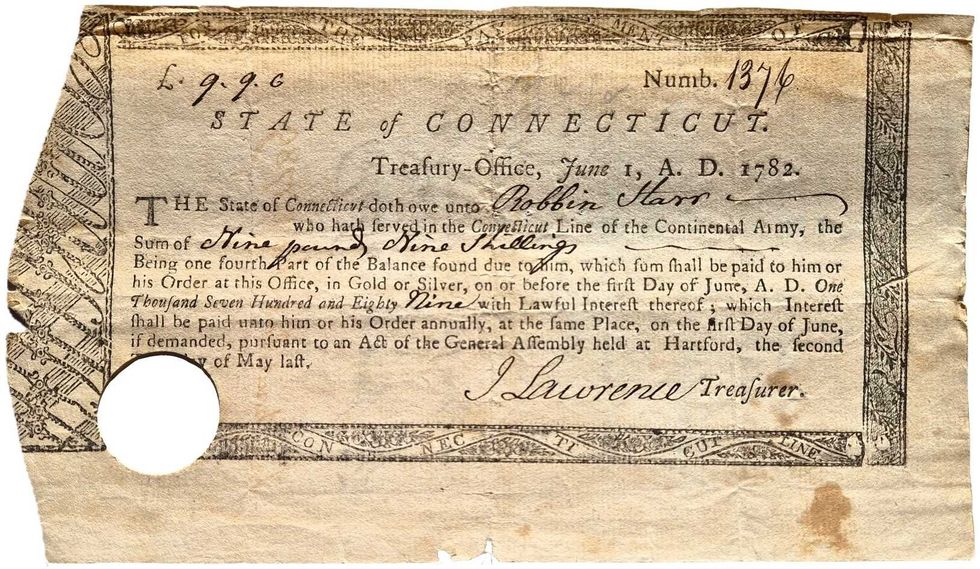 Pay Bill for Robin Starr’s service in the Continental Army.Courtesy the Alex Breanne Corporation
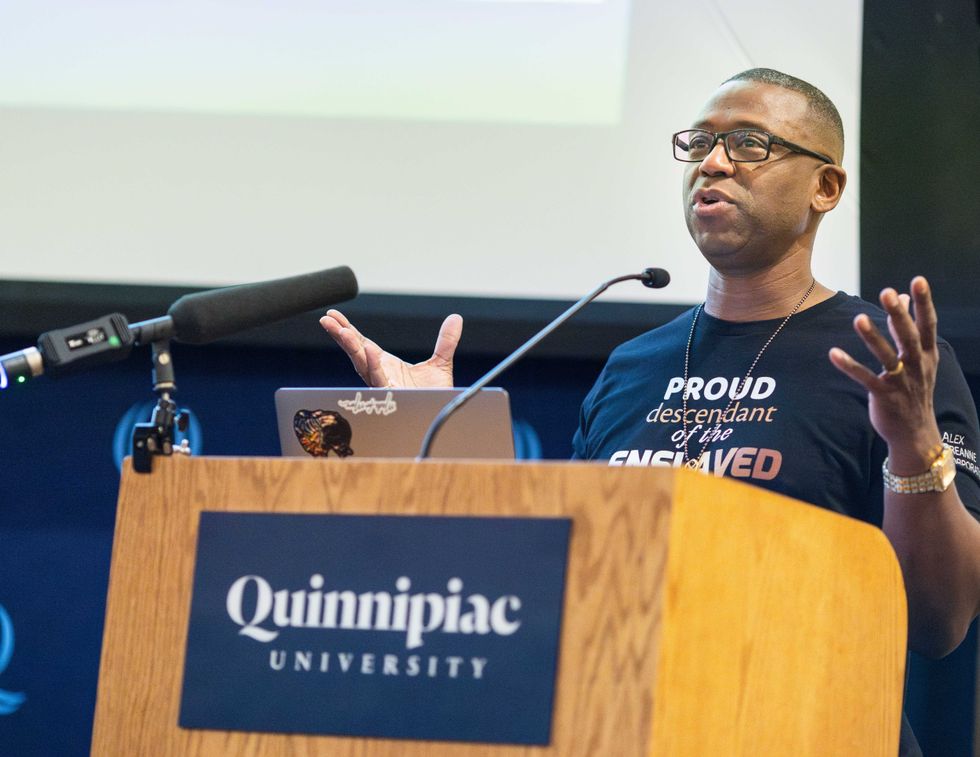 John Mills speaking at Quinnipiac University.Courtesy the Alex Breanne Corporation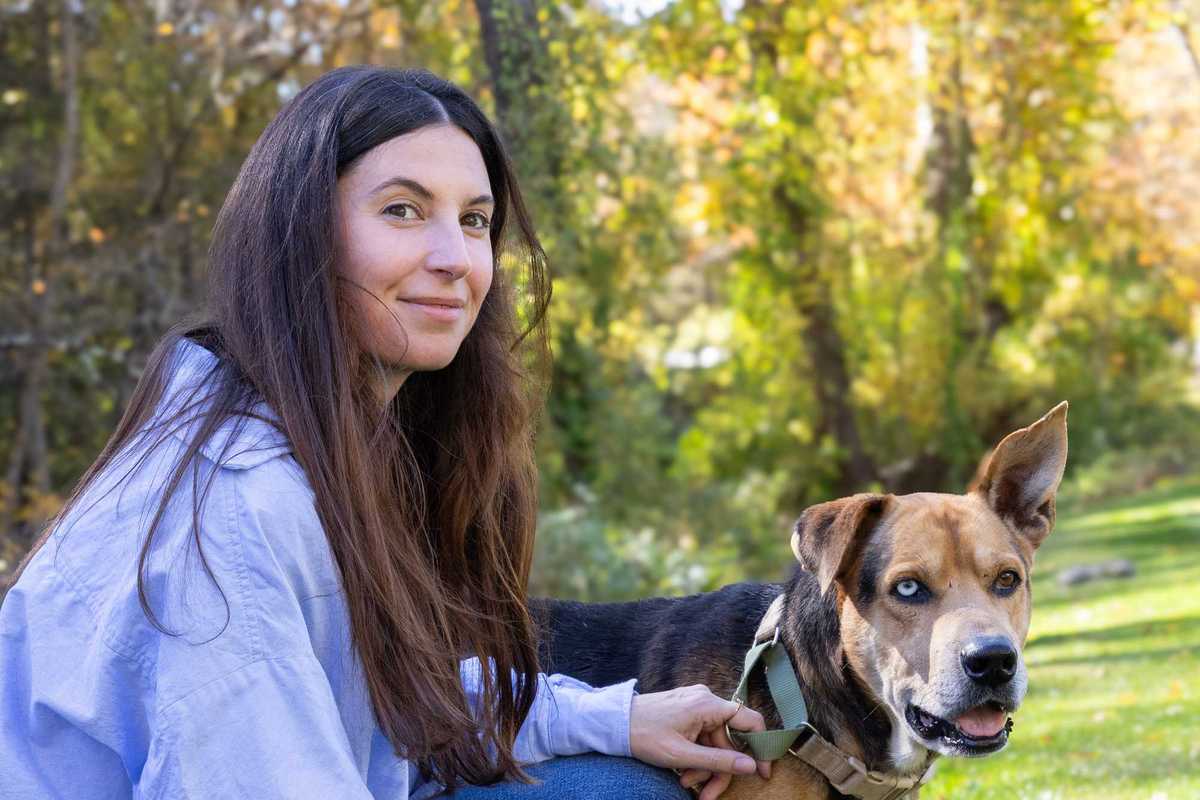
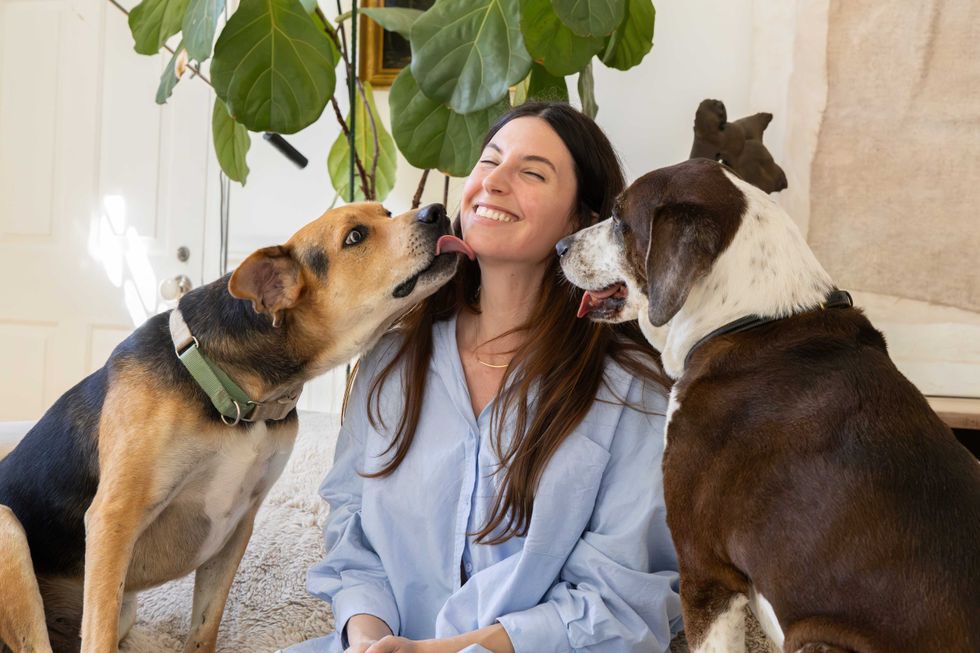 Stephanie Saetta,with her rescue dog George and Blue (left), a shepherd mix awaiting his forever home.Madi Long
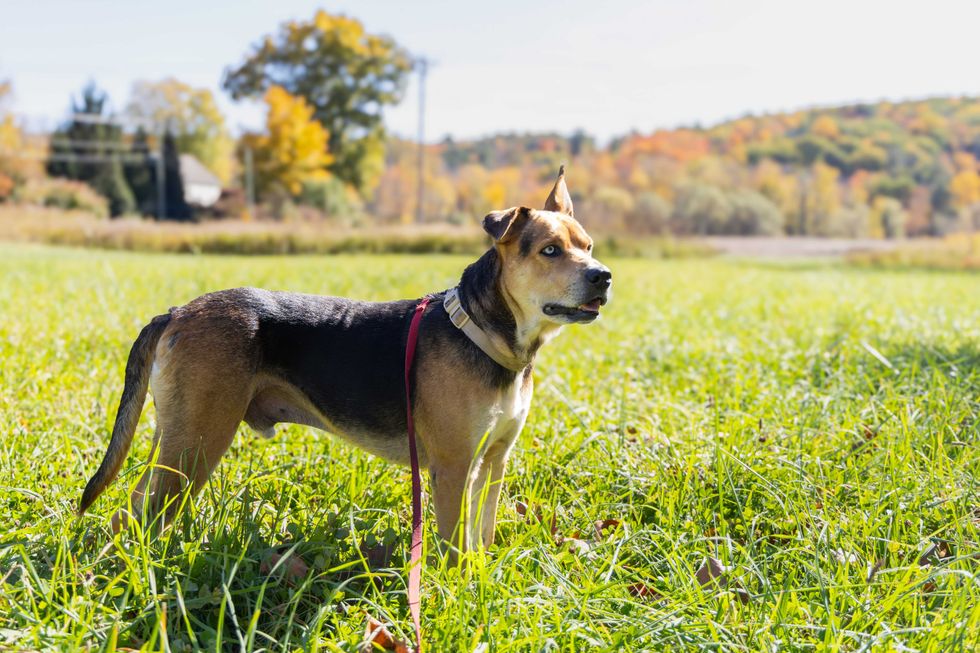 Blue, a 7 year-old Shepard mix, is waiting for his forever home. Madi Long





‘Don’t worry, we will always be together’