First, he lied to us — repeatedly — and then he betrayed us.
And that is how history will remember Donald Trump and his presidency.
We normally have to wait years or even decades to accurately assess a president’s place in history but the history of Donald Trump’s presidency has already been written — right before our eyes. He’ll be remembered, not for the court appointments, the tax cuts, the immigration policies or the trade war with China but for the lies and for the 6th of January.
The lying started long before his presidency.
Trump was little more than a much-married New York tabloid figure with questionable business ethics when he attracted media attention by repeatedly claiming that Barack Obama, the president of the United States, shouldn’t be president because he wasn’t a native born citizen of the United States. It was an attention grabbing dress rehearsal for the big lies to come.
Obama was, of course, born in the United States — in Hawaii in 1961 — but that fact didn’t deter Trump and other enemies of the first Black president to claim he was born in his father’s native Kenya. This continued even after Obama released his birth certificate.
But by the time Trump ran for president in 2016, Obama was nearly out of office and the birther movement had been largely discredited, so candidate Trump was forced to change his story before it became a campaign issue. He did it during the opening of his Washington hotel by shouting a 10-word non-apology: “President Barack Obama was born in the United States, period” as he walked angrily from the room.
What turned out to be a bigger, longer lasting lie — the stolen 2020 election — also underwent something of a dress rehearsal in 2016 when Trump charged during the campaign that opponent Hillary Clinton was stealing millions of votes.
After he won what turned out to be an electoral, but not a popular, victory, Trump continued to lie — without a shred of evidence — about his vote.
“In addition to winning the electoral college in a landslide,” he tweeted soon after the election, “I won the popular vote if you deduct the millions of people who voted illegally.”
Trump never stopped lying about Hillary’s alleged larceny but he added a new vote-rigging story when polls showed Joe Biden ahead of him in the 2020 race.
Once the polling was confirmed by the voters on Election Day, Trump broke ranks with his predecessors by refusing to concede defeat. Not only did he continue to tell the big lie about the stolen election, he actively worked to pressure state officials to help him overturn Biden’s victory.
Working with reckless allies like Rudy Giuliani, Trump used the period between the election and the Biden inauguration to pressure voting officials in Georgia and other places to overturn the votes in their states. Georgia’s secretary of state was even told to find the 11,780 votes needed to give Trump the state. Dozens of court cases, loaded with bogus claims, were filed on Trump’s behalf and rejected, but still, Trump labored on, convincing his faithful that he was being deprived of the second term the people awarded him.
All of this led Trump to incite the last, desperate attempt to overturn the election and do it violently on January 6, the day Congress met to receive and confirm the electoral votes from each state.
It’s all there on tape; he did it before our eyes, incited a mob of his true believers to join him in a march on the Capitol where Congress was about to meet and ratify Biden’s electoral victory and Trump’s loss. In doing so, he caused what was unarguably characterized as the worst assault on the Capitol since the War of 1812 when invading British troops burned the White House.
Trump didn’t join the march, of course. It was just another lie, this time to those who most believed in him. Instead, he sat in the White House for hours, watching the rioting on live television while ignoring pleas from family and supporters to call the insurrection off.
I have never had patience with those who compare Trump to Hitler but there is one valid comparison. When Hitler was jailed after unsuccessfully trying to overthrow the German government, he wrote his memoir, “Mein Kampf” (My Struggle) and in it, coined the term, “the Big Lie.”
He described it as a propaganda technique that allowed for the successful use of a lie so enormous that no one would believe it was a lie because no liar “could have the impudence to distort the truth so infamously.”
From Obama’s birthplace to the current election steal, Trump found big and not so big lies so useful that news organizations had to employ fact checkers to carefully dissect his more questionable assertions in order to determine their accuracy.
After Trump defeated Hillary Clinton in 2016, one of the most prominent fact checkers, the Washington Post’s Glenn Kessler, expressed the hope that a President Trump would mend his ways.
“Now that Trump is on the verge of becoming president,” Kessler wrote on Nov. 27, 2016, “he needs to be more careful about making wild allegations with little basis in fact, especially if the claim emerged from a handful of tweets and conspiracy-minded websites.”
But the wild allegations grew wilder and Kessler continued checking them, finally reaching a total of “30,573 false or misleading claims over four years.” Some turned out to be true or harmless but then, there were the big lies too.
Simsbury resident Dick Ahles is a retired journalist. Email him at rahles1@outlook.com.
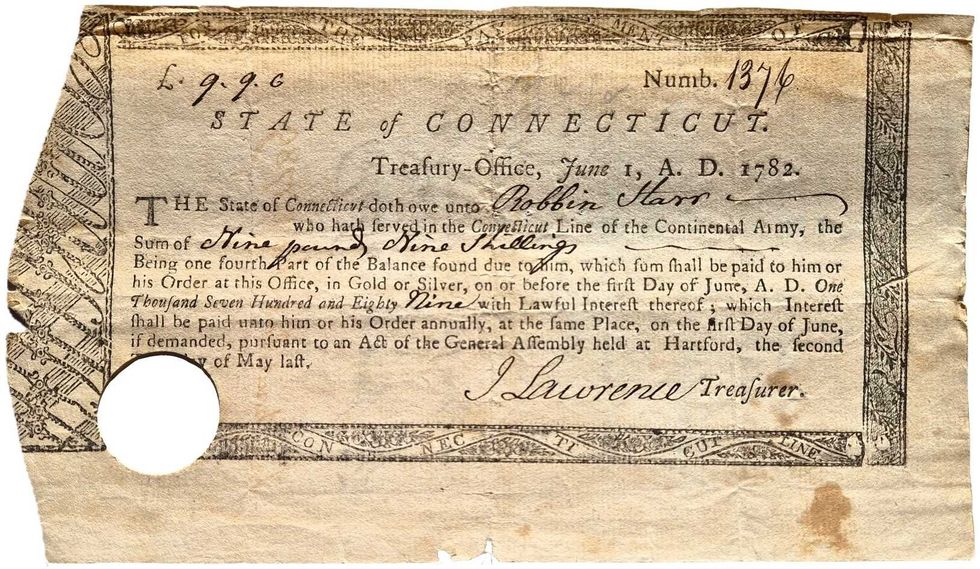 Pay Bill for Robin Starr’s service in the Continental Army.Courtesy the Alex Breanne Corporation
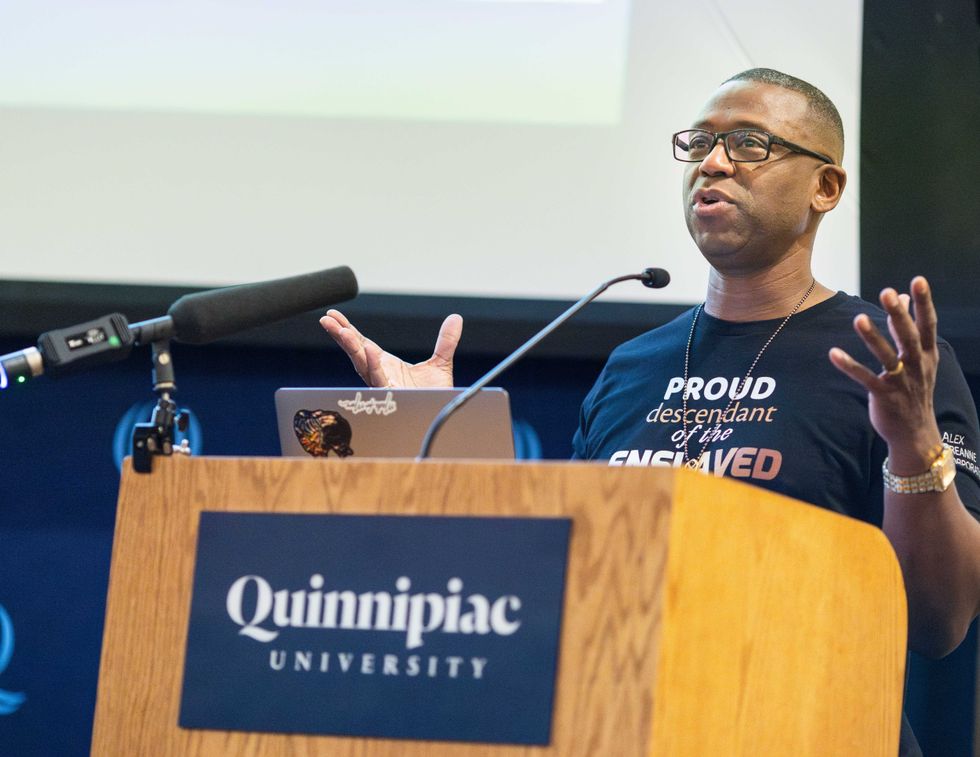 John Mills speaking at Quinnipiac University.Courtesy the Alex Breanne Corporation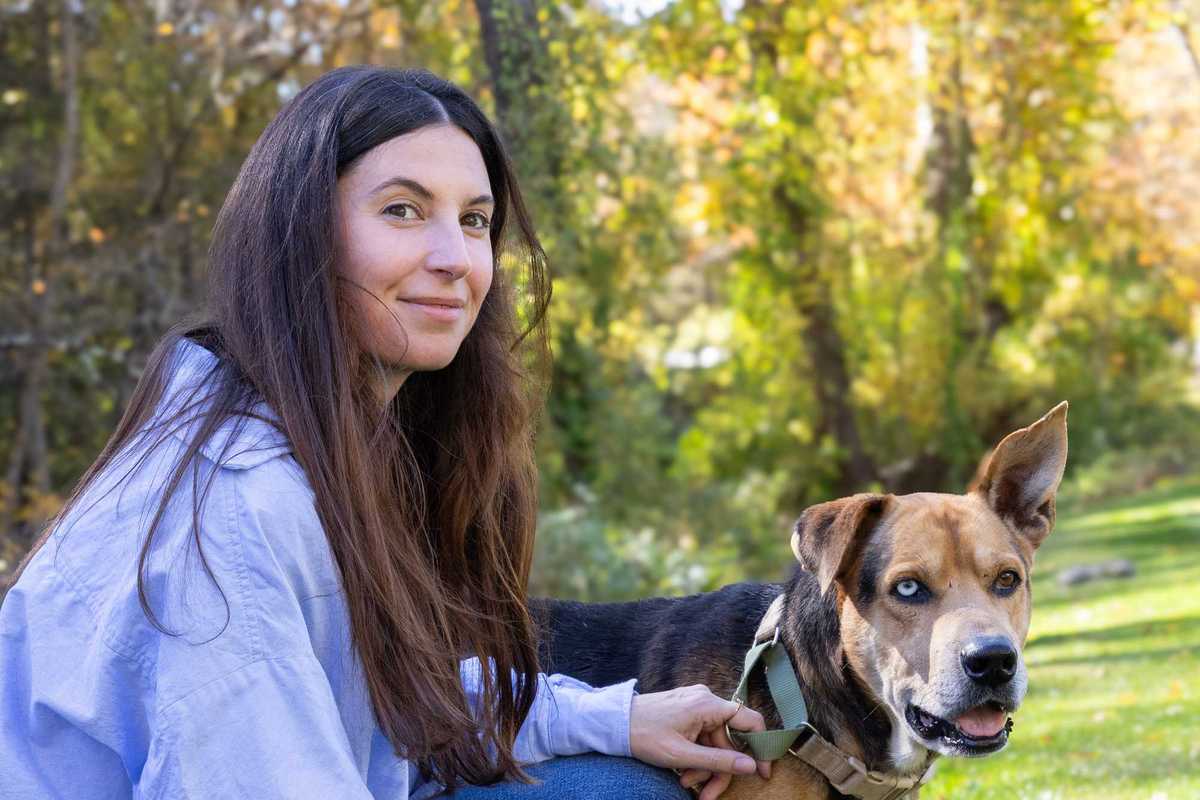
 Stephanie Saetta,with her rescue dog George and Blue (left), a shepherd mix awaiting his forever home.Madi Long
 Blue, a 7 year-old Shepard mix, is waiting for his forever home. Madi Long