When a 17-year-old driving a stolen Audi was arrested in New Britain after he killed a jogger in a hit-and-run late last month, we learned the teenager had been arrested 13 times in the past three years but had never been tried or otherwise disciplined for crimes ranging from reckless driving to assault with a knife.
So why do the police and judges allow these youthful offenders to get away with car thefts, robberies and assaults without even being taken off the streets for more than a few hours?
Because it’s the law. That’s why. Connecticut’s juvenile justice system underwent some reforms a few years ago and now it looks as if the reforms are badly in need of reforming.
A teenaged hit-and-run driver and others like him can only be held in police custody for six hours unless a judge rules that the young criminal is a possible threat to public safety.
This isn’t easy to do because the police aren’t permitted access to the juvenile’s full arrest records to present in court. As a result, their requests are routinely denied by judges who don’t have access to arrest records either.
As a Glastonbury police lieutenant put it to The Hartford Courant, “If we arrest someone on a stolen car (charge) today, I would have no idea he had been arrested 13 times before.”
And even if the local police happen to know the young offender from his involvement in multiple earlier offenses, judges might be reluctant to order him held on just “hearsay” from the police without being able to see the juvenile’s actual arrest records.
And so, the public’s decades-long right to know and hold government officials accountable for the way they conduct official business does not extend to juvenile justice. Only the rights of the juvenile offenders are protected — without regard for the rights of their victims and the public.
This wasn’t always the case. Until fairly recently, teenagers considered habitual offenders would be sent to what was first known as a reform school and then as a juvenile training facility. Identities were protected but the public had confidence their crimes would be dealt with.
Depending on the seriousness of his crime/s, the offender would be locked up or “detained” until he was 18. Then, again depending on the crime and his conduct, the youthful offender — mostly male — would be released or transferred to an adult prison.
These reform schools too often were recidivism factories where most forms of rehabilitation were rarely practiced and young inmates were almost guaranteed to make return trips. Some troubled juveniles, whose delinquent conduct was traced to mental illness, substance abuse, dysfunctional families and the like, were more fortunate. They were sent to “training schools” for six months or so, then placed in specialized treatment programs.
It all began to change after 2001 when the Rowland administration erected a $57 million “training school” in Middletown that bore a distinct resemblance to an adult state penitentiary. (It was also determined by federal prosecutors that Rowland had helped Tomasso Brothers Inc. win the construction contract and the contractor had returned his generosity by remodeling the governor’s vacation home and providing other goodies. Rowland went to jail, but that’s another story.)
In 2018, when Gov. Dannel Malloy ordered the school closed and the remaining 50 inmates transferred to other Department of Children and Families services, he called the closing “an opportunity to create a system that better serves our young people and society as a whole.” The creation of this system remains, at best, a work in progress.
At the time — three years ago — State Child Advocate Sarah Egan told The Courant, “the state has much work to do in putting children who would have been sent to the training school into suitable alternatives. Today, the only alternative in many cases appears to be six hours of confinement and then release.”
No official has admitted that holding a kid who gets in trouble for a maximum six hours and then letting him go makes a bit of sense but that seems to be the solution up to now.
It is, in fact, reminiscent of the well meaning earlier decision to close the state mental hospitals, but then allowing many former patients to become homeless.
The young criminals know they can get away with their crimes; word gets around. They’ve been delivering illegal drugs and even guns for older teenagers for years because they can get away with these offenses.
I’ve always agreed with the need for some secrecy involving the arrests of these children, but this is surely over the top. Even teenagers tried for rape or murder in adult courts do not have their identities revealed and the trials are held in secret. No one is protected except the alleged murderer.
But, thanks to the publicity surrounding the three-year, 13-arrest record of the 17-year-old hit-and-run driver, we can assume the General Assembly will take some action.
We’ll see.
Simsbury resident Dick Ahles is a retired journalist. Email him at rahles1@outlook.com.


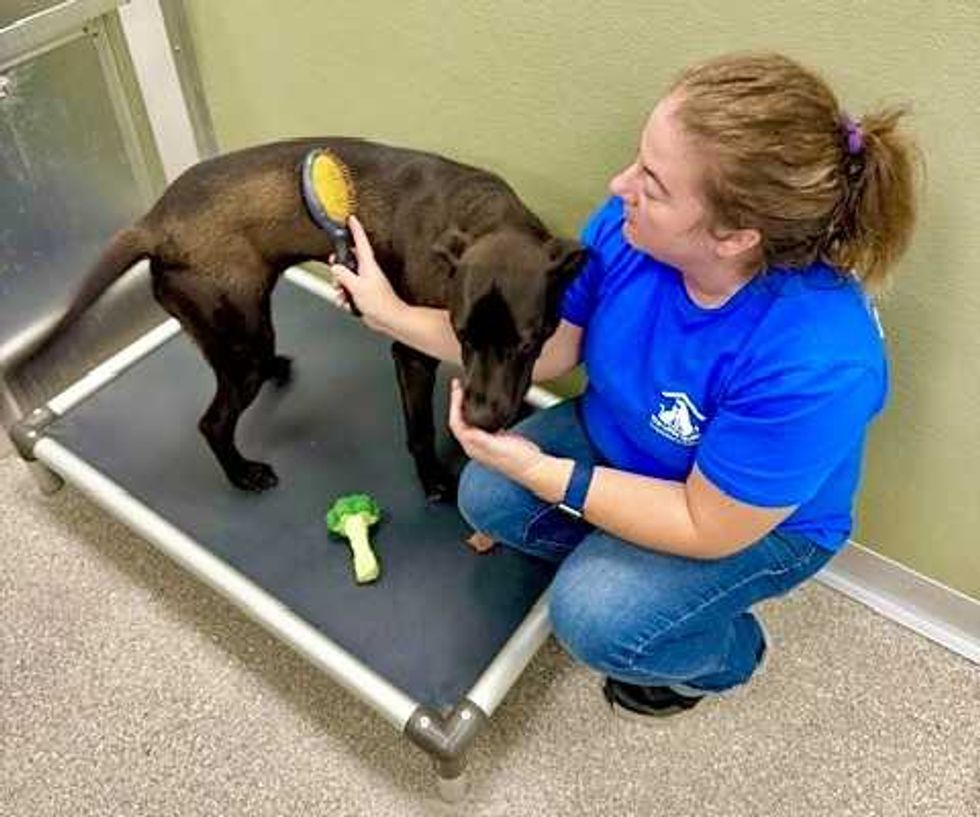 Tiffany Lemelin, shelter manager, brushing Marsala upon arrival.Provided
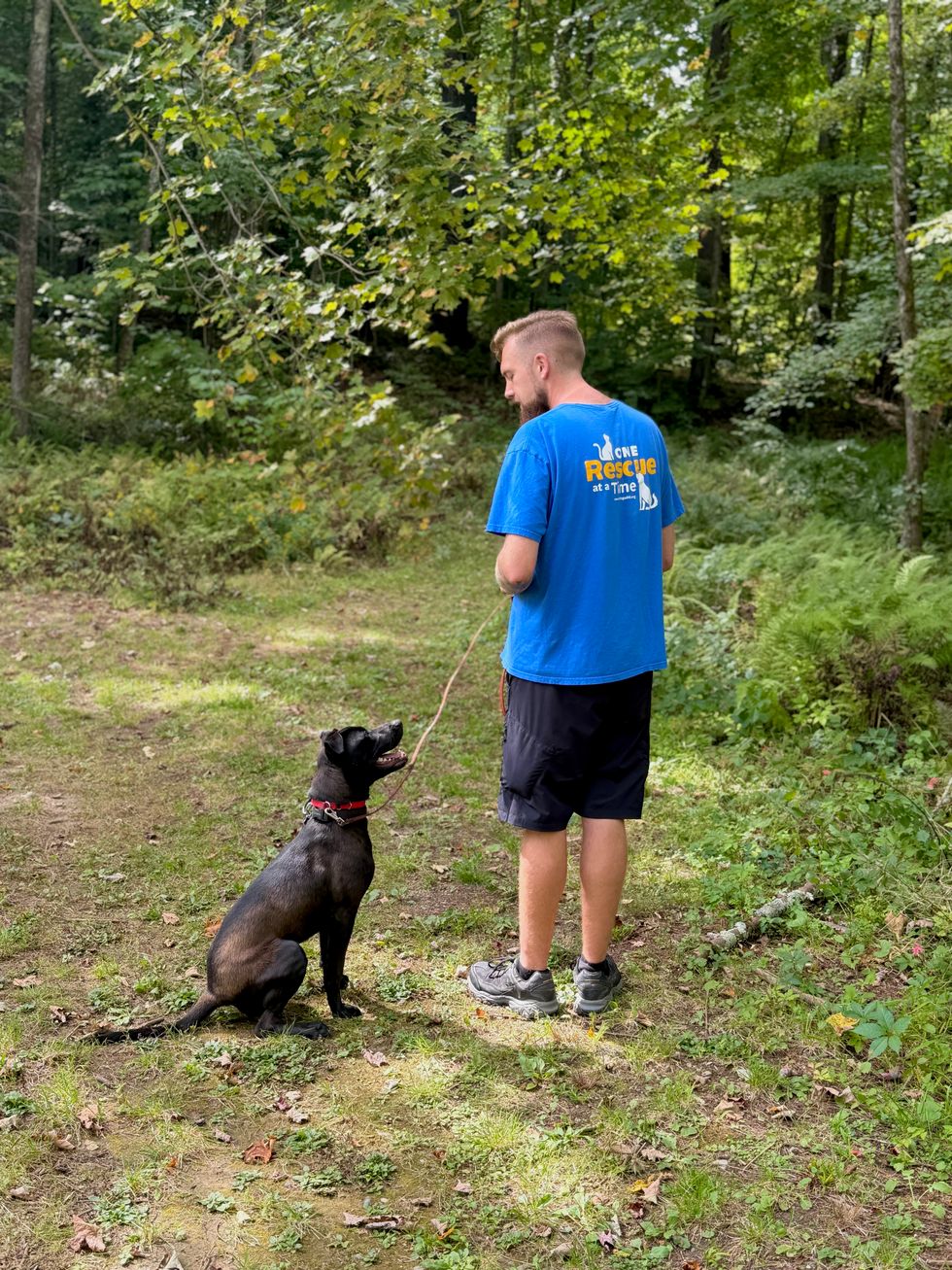 Michael DeBarba, certified dog trainer working with Marsala.Jennifer Almquist
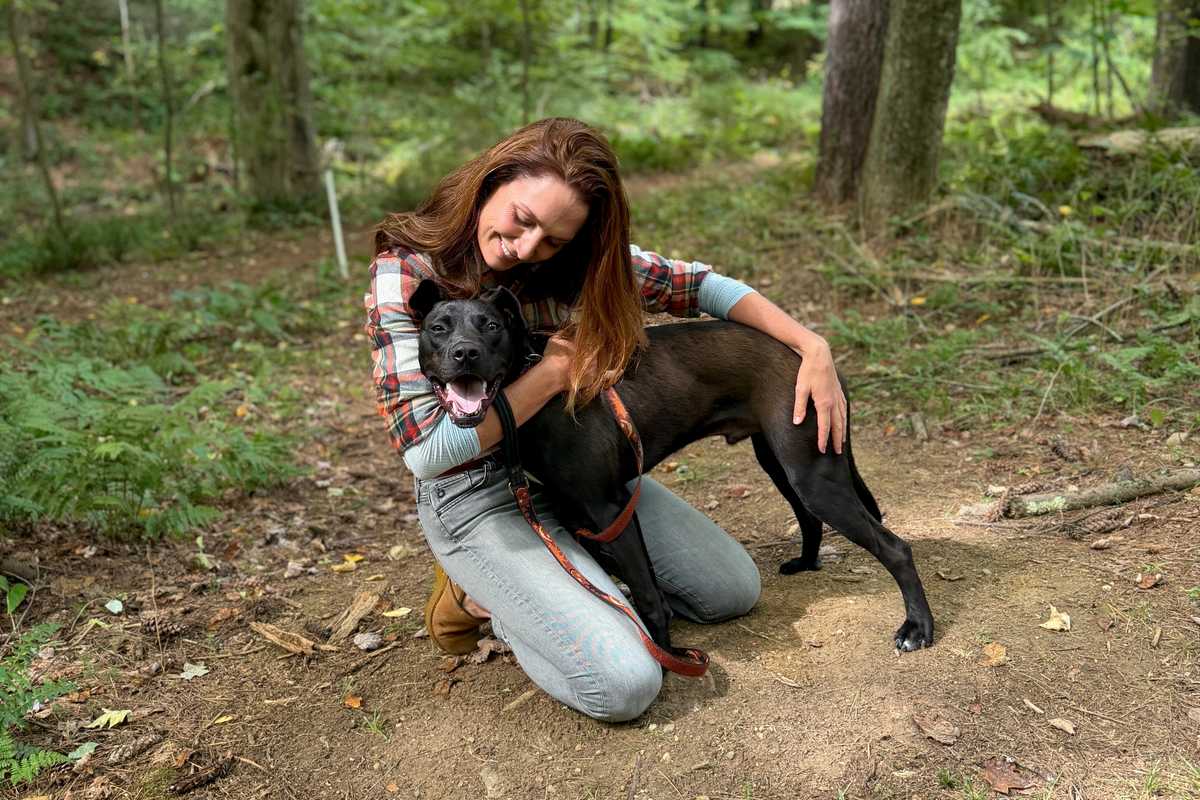 Marsala wins a heart.Jennifer Almquist

 Sadie, center, a Carolina dog, plays with her friend Negra, a terrier mix. Bella Linda, the small poodle, has since been adopted.L. Tomaino
 Wesley, a young, exuberant mix, is looking for an active home.L. Tomaino
 Bonnie and Clyde, an affectionate terrier pair.L. Tomaino

 Provided