“When they averaged it out, it came to almost 33,000 citable events a month on just six roads,”
Sharon First Selectman Casey Flanagan
Town leaders across northwest Connecticut are moving cautiously on speed cameras, despite a state law passed in 2023 that allows municipalities to install them.
In town after town, officials say speeding remains a concern on local roads — especially on through roads and in residential areas — but questions about cost, staffing and public support have slowed efforts to move forward.
Supporters of speed cameras argue the technology can slow traffic and improve safety, particularly in communities with limited police coverage. Critics worry cameras could turn small towns into “speed traps,” raise concerns about surveillance, and argue that they disproportionately burden low-income households.
Washington is the only town in Litchfield County to adopt speed cameras so far, and town officials there say the program is showing results.
“Speeds are coming down,” said Washington First Selectman Jim Brinton, since cameras were installed in May 2025. “We had tried everything to change driver behavior, from speed bumps to offering more education. It’s the only option that is showing positive results.”
Elsewhere in the region, the response has been more skeptical.
In Kent, voters overwhelmingly rejected a proposed speed camera ordinance by a 391–100 margin in January 2025.
“I’m concerned about the atmosphere cameras create,” Kent resident Lianna Gantt said during a public hearing before the vote. “Are we turning our town into a speed trap?”
Interviews with the first selectmen in North Canaan, Falls Village, Sharon and Kent — along with responses from officials in Salisbury and Cornwall — show a shared concern about speeding, but little momentum toward adopting cameras. Officials cited cost, the need for staff to review violations, enforcement limits and uncertainty about whether residents would support the programs.
That hesitation mirrors the picture statewide. Since the law took effect, only 11 municipalities across Connecticut have implemented speed cameras.
A new law, but a complicated path
The process for towns to implement speed cameras is extensive and, for many small towns, daunting. Before cameras can be installed, a municipality must adopt a local ordinance authorizing their use and present a traffic enforcement plan at a public hearing. The ordinance is then put before residents at a town meeting or referendum for a vote.
Any approved plan must then be submitted to the Connecticut Department of Transportation for review. Towns must also install camera equipment — a potentially costly step — and complete a mandatory public awareness period of at least 30 days before issuing citations.
After the warning phase, drivers may be fined $50 for a first violation and $75 for subsequent offenses if they are traveling more than 10 miles per hour over the posted speed limit — meaning a camera in a 25-mph zone would not be triggered until a vehicle reaches at least 35 mph. Camera systems are operated by third-party vendors, which provide images of alleged violations to the town for review.
Under state law, each alleged violation must be reviewed and approved by a qualified municipal employee, contracted agent or law enforcement officer before a fine is mailed. Many small towns say this requirement places a heavy administrative burden on limited staff, particularly those without resident state troopers.
Motorists who fail to pay a fine are referred to collections, though they may request a hearing to contest the citation.
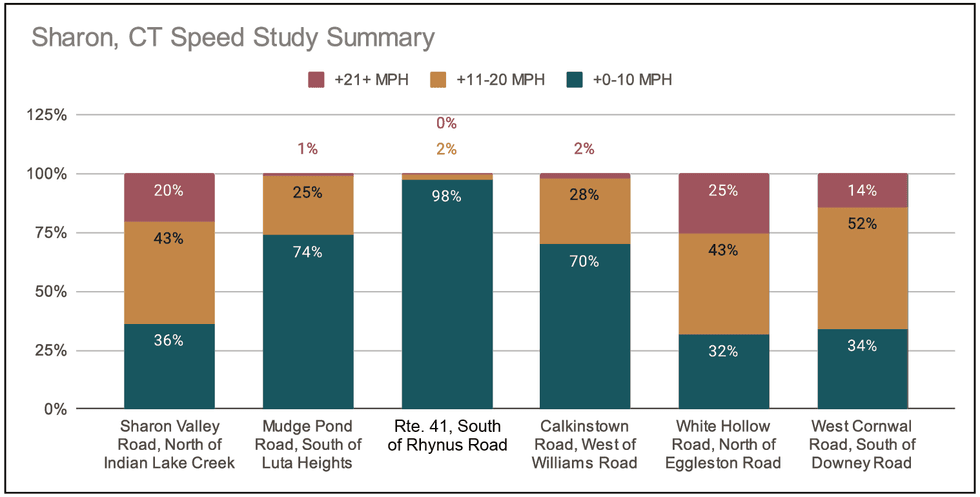 Results of a Dacra Tech speed study in Sharon, analyzing six locations and identifying approximately 33,000 Created with DataWrapper
Sharon studies cameras after traffic analysis
With Kent having voted down the program, Sharon appears to be the town in the region furthest along in considering speed cameras.
First Selectman Casey Flanagan said the town is studying whether cameras could help address speeding concerns after a traffic study found widespread violations on several local roads.
The study, conducted by Dacra Tech, a traffic enforcement software provider, examined six locations, including Route 41 south of Rhynus Road, as well as Calkinstown Road west of Williams Road.
“When they averaged it out, it came to almost 33,000 citable events a month on just six roads,” Flanagan said. “Some of these numbers are quite staggering.”
The findings raised safety concerns but also highlighted practical challenges. Sharon does not have a resident state trooper to review images, meaning responsibility for evaluating potential violations would likely fall to a town employee.
“We need to figure out who is going to review the pictures and determine whether or not a citation gets mailed out,” Flanagan said.
“That could be me, or we could hire someone and have that be their sole responsibility,” he said.
Flanagan said vendors have told town officials that citation volumes typically decline after cameras are installed as driver behavior changes. Still, he said Sharon is not rushing to a decision.
The town has already implemented other traffic-calming measures, including speed humps on Hilltop Road, though Flanagan said such measures have limited reach.
“We’re very limited in our tools,” he said. “When there’s no local police presence, residents look to the Board of Selectmen for help.”
Whether a speed camera ordinance would pass at a town meeting remains uncertain. Flanagan did not dismiss the possibility, saying it was not out of the question.
North Canaan favors speed feedback signs over tickets
In North Canaan, officials say speeding remains a concern — particularly in residential areas — but cameras are not currently under consideration.
“No one has been asking for it,” First Selectman Jesse Bunce said.
Instead, the town is focused on expanding its use of digital speed feedback signs, which display drivers’ speeds in real time but do not issue tickets. Bunce said the signs have proven effective at slowing traffic.
“For now, this is the direction we’re going,” he said.
North Canaan has expanded its use of the signs through the state-supported Connecticut Speed Management Program and is in the process of installing them along Route 44, near the Green, and on Sand Road, between Falls Village and North Canaan.
The program provides the town with detailed data on vehicle speeds collected at those locations.
“Once we have that data, we can evaluate what to do next,” Bunce said, adding that any move toward speed cameras would require further study and would not happen anytime soon. He also said it is unclear whether residents would support such a proposal.
Falls Village tests, then pulls back
Falls Village explored the use of speed cameras shortly after the 2023 law was passed but ultimately stepped back following a short-term data collection effort.
About 18 months ago, the town installed a temporary speed camera provided by a third-party vendor on Beebe Hill Road for 30 days. The device did not issue tickets and was used solely to study traffic patterns.
First Selectman David Barger said the results challenged assumptions about the extent of speeding in the area.
“We found out the speed was not as great as we thought it was,” Barger said. “It was more perception than reality.”
The town continues to rely on other tools to address speeding, including speed feedback signs, which Barger said remain effective for most drivers.
“For many drivers, they legitimately forget how fast they are going – they may have something on their mind – and speed feedback signs are good,” he said. “But there are some people who will just ignore them and need to be fined.”
Barger said the town explored cameras strictly for safety reasons.
“The only reason we would want speed cameras is for safety,” Barger said. “It would not be a revenue generator.”
Barger said the program would be costly and require additional staff time. Estimates for a two-way camera ranged from $26,000 to $28,000, he said.
Falls Village does not have a resident state trooper to review images, meaning that responsibility would fall to town staff, with Barger saying it might be left to him.
He said the town may revisit the program in the future and would likely study Johnson Road and Sand Road as potential locations.
Salisbury and Cornwall: no immediate plans
Salisbury has no plans at this time to pursue speed cameras, First Selectman Curtis Rand said in an email.
Still, Rand remains open to the concept. Speaking at a January meeting of the Board of Selectmen, he said, “I don’t think anyone is against the concept of a mechanical way of lowering speed.”
Cornwall likewise has no plans in the near term to introduce speed cameras.
Kent: no plans to revisit the program
In Kent, town officials say the issue of automated speed enforcement is settled.
First Selectman Eric Epstein, who took office in November, said there are no plans to revisit speed cameras following last year’s town vote.
“Not going to bring it up,” Epstein said. “The town was very clear. They didn’t want it.”
Washington offers a nearby example
While most towns in northwest Connecticut remain hesitant, Washington offers a nearby example of how automated enforcement has worked in practice.
The town unanimously approved a speed camera ordinance at a meeting in December 2024 and began issuing citations in May, following years of resident complaints and unsuccessful attempts at traditional traffic enforcement.
Since implementation, Washington has issued 13,748 citations totaling about $696,000 in fines, with roughly $525,000 collected as of late January, according to Brinton.
The town reviews images in-house. A constable examines the photos provided by a third-party vendor, a process that now takes about 10 hours per week. Brinton said the workload was far heavier at the outset.
“It was pretty overwhelming at first,” Brinton said. “The sheer volume of citations initially issued caused a lot of struggles.”
While Brinton stopped short of recommending cameras for every community, he said Washington’s experience shows the technology can be effective when tailored to local conditions.
“Every town and every municipality is different,” he said. “But it has worked for us.”



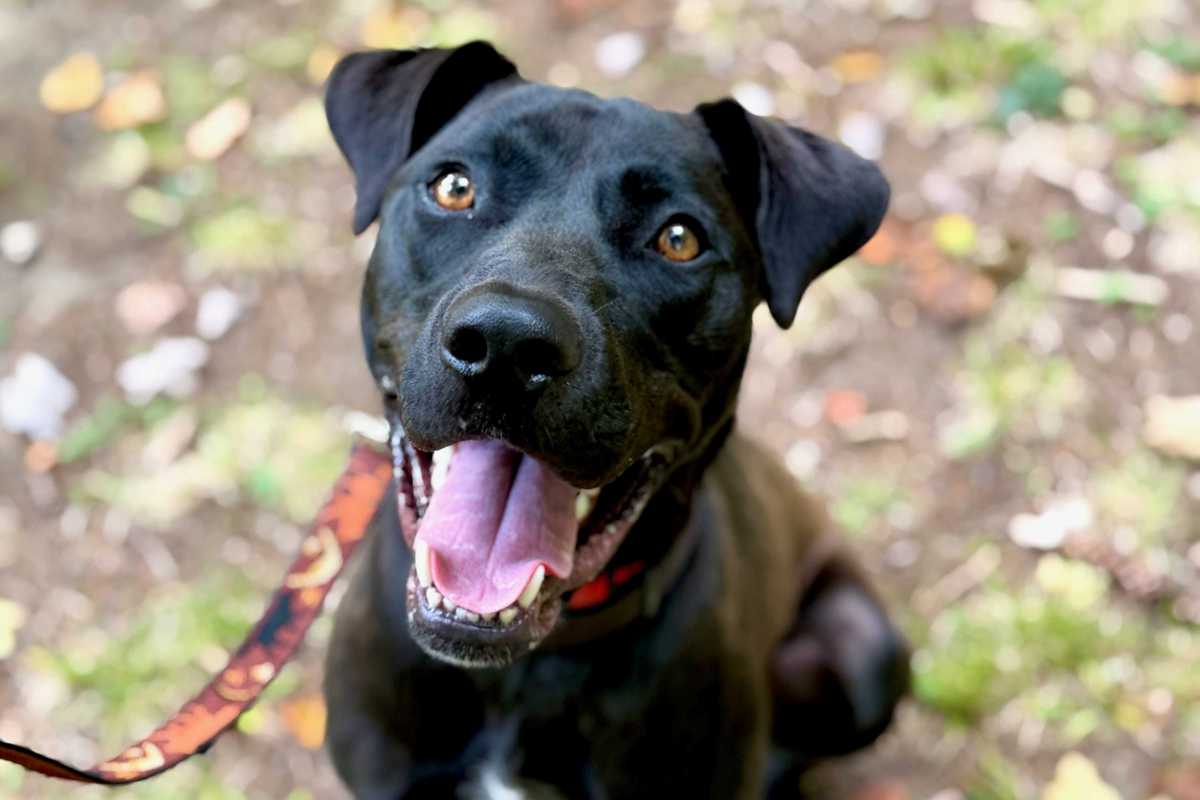
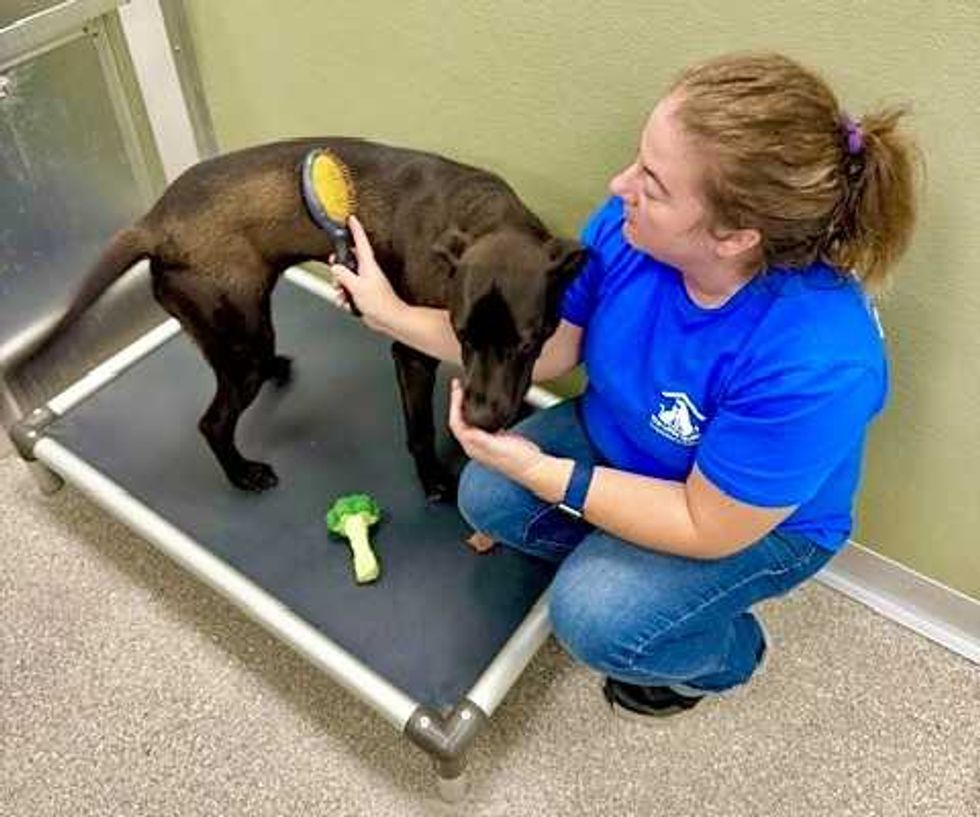 Tiffany Lemelin, shelter manager, brushing Marsala upon arrival.Provided
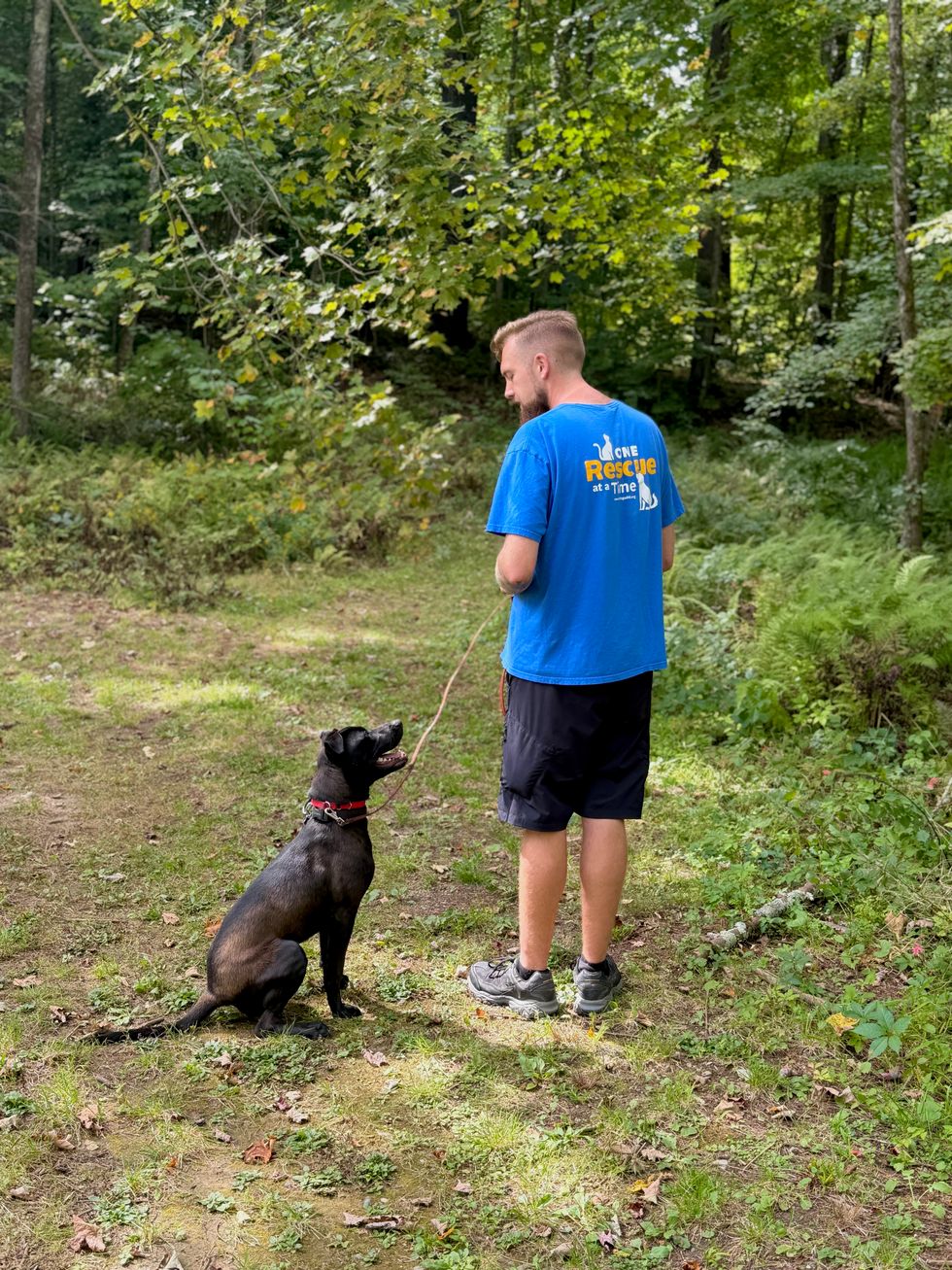 Michael DeBarba, certified dog trainer working with Marsala.Jennifer Almquist
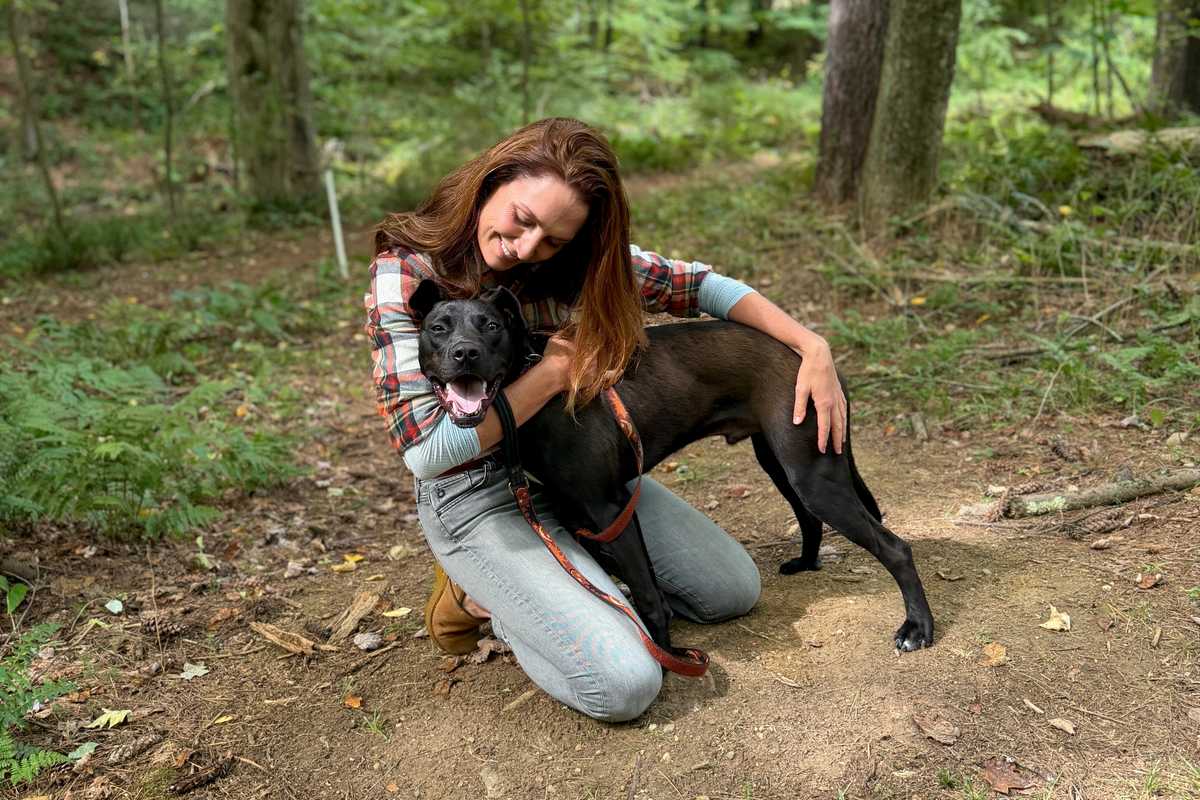 Marsala wins a heart.Jennifer Almquist
 Sadie, center, a Carolina dog, plays with her friend Negra, a terrier mix. Bella Linda, the small poodle, has since been adopted.L. Tomaino
 Wesley, a young, exuberant mix, is looking for an active home.L. Tomaino
 Bonnie and Clyde, an affectionate terrier pair.L. Tomaino
 Provided