Thank you!
Your support is sustaining the future of local news in our communities.

Gwen Reed: a beloved part of Hartford history

For the past several months I have shared a grant to do a play about Gwendolyn Reed, who was a migrant worker in the Connecticut tobacco fields and also an accomplished actor with the Charles Gilpin Players, a branch of the Federal Theater’s WPA Negro division.  Gilpin was the original actor in Eugene O’Neill’s “Emperor Jones.” Gilpin indeed was an accomplished actor, but the man identified with the role of the crazed Black man in the jungle was the towering Paul Robeson.

Reed was born in 1912 in Harlem and soon after, her mother “fled” her father and took baby Gwen with her.  Her mother began work in the tobacco fields around Hartford. At one point, there were more than 20,000 acres of tobacco, now down to 2,000.  I suspect a lot of people don’t even know that Connecticut has this tobacco history, but at one time, the leaves were used in the finest cigars outside Cuba.

Cotton-picking.  Tobacco harvesting.  Grinding work at best. The dust from the tobacco leaves is particularly harmful to the lungs.

Mother Reed was highly literate and took to reading to the workers who weren’t. From Gwen’s earliest age 5, she heard her mother reading her Tennyson and Shakespeare.  This would spur Gwen on to a career in the theater.

But what she is best known for is her role as Aunt Jemima, which she essayed from 1956-1974.  Quaker Oats had found her in a stage play and offered her the part that would in some ways define her life. She traveled to county fairs, and Kiwanis Club events, whipping up pancakes, which she would then serve to the patrons. ( In none of the articles about Reed as Aunt J did they ever mention her real name.)

Dan Dwyer, the polymath who owns Johnnycake Books in Salisbury, Conn., has  a memory as a 10-year-old going to a Kiwanis event with his father, sometime in the mid-Fifties.  And there was Gwen/Aunt J. Dan says he asked his father, “Daddy, is that the real Aunt Jemima?”  

And here’s the kicker: “Why does she look so sad?”

In an earlier column I referenced the great Black vaudevillian Bert Williams.  W.C. Fields said, “Bert Williams was the funniest man I ever saw. And also the saddest.”

Sadness. “Bonjour Tristesse”. Francois Sagan. Universal.

The first person to impersonate Aunt J was a white man in drag. The first woman was Nancy Green.

And this from Wiki:

“At the age of 59, Green made her debut as Aunt Jemima at the 1893 World’s Columbian Exposition held in Chicago in the guise of a plantation slave, beside the ‘world’s largest flour barrel’ (24 feet high), where she operated a pancake-cooking display, sang songs, and told romanticized stories about the Old South (a happy place for blacks and whites alike).”  Not quite, Wiki.

“After the Expo, Green was reportedly offered a lifetime contract to adopt the Aunt Jemima moniker and promote the pancake mix... This marked the beginning of a major promotional push by the company that included thousands of personal appearances and Aunt Jemima merchandising. She appeared at fairs, festivals, flea markets, food shows, and local grocery stores. Her arrival was heralded by large billboards featuring the caption, ‘I’se in town, honey.’ ”

The grant I am sharing is with the Hartbeat Ensemble and its 77-seat house across from the Mark Twain House in Connecticut’s capital.  I and the dynamic Artistic Director, Godfrey Simmons, and three extraordinary women have been meeting over Zoom and pouring over material on Gwen. She was well-known in the Hartford Community and passionately interested in children’s literacy programs.  She even had a TV show during which she read to children.  Having none of her own, her door was always open. Her apartment in the Belleview Square section of North Hartford was equipped with tiny furniture for kids of all sizes. There is a plaque in the Hartford Library commemorating her devotion.

The great saxophonist Jackie MacClean, who was the head of the Hartt School of Music at the University of Hartford, was a close friend of Gwen’s.  With his Artists Collective, he was working on a composition in honor of the woman he said “was always there for him.” Unfortunately, Gwen died before the work was finished. MacClean worked hard to buy a gravestone for this selfless woman who had given so much to so many. Not as the bandannaed Mammy, but for the woman with the biggest heart in Hartford.

The name of the play - courtesy of Rhodessa Jones, one of our collaborators:  “The Book of Gwen”.

A sonnet for Gwen’s mother:

Gwen Reed and her mother
My daughter, why you coughing, is it dust?
These plants exhale before the match is even lit
Our lungs so heave, we pull and drag before the drags
Tobacco, worse than cotton, I don’t know
It’s all the same, they break our backs, tobac
And weevils, evils South and North we toil
My daughter, why you coughing, ‘cause you must
Please have some water, almost time to sit
Don’t cry, your eyes so beauteous, will get bags
Your mother sits beside you, high and low
I hug you tight, we got each other’s back
This sun won’t stop, some clouds would ease the boil
It’s back to work, my precious darling mine
It’s back to work, my precious darling fine
Chrissy Grant


Lonnie Carter is a writer who lives in Falls Village. Email him at lonniety@comcast.net., or go to his website at www.lonniecarter.com. 
Related Articles Around the Web
The views expressed here are not necessarily those of The Lakeville Journal and The Journal does not support or oppose candidates for public office.

Latest News

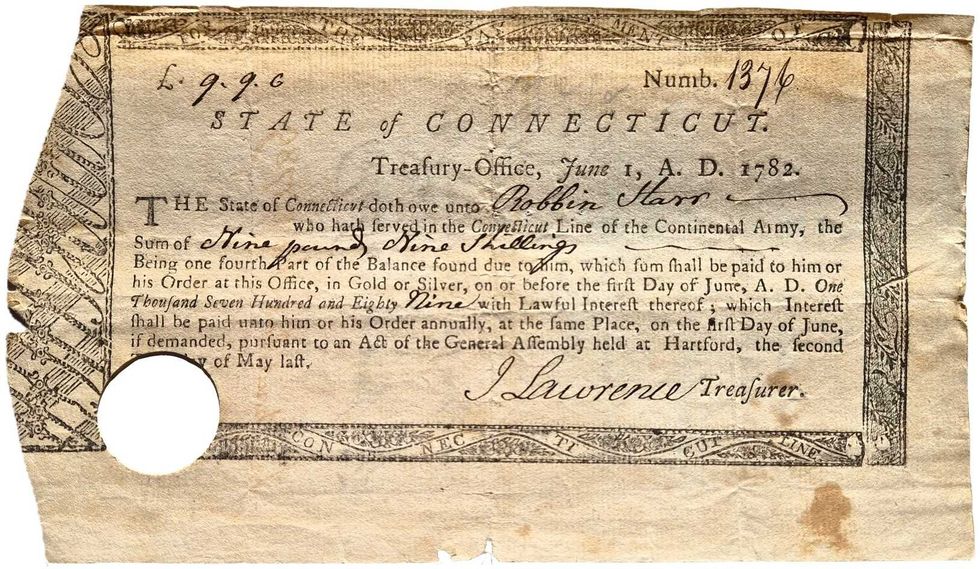
Cornwall Historical Society celebrates Connecticut’s Black patriots

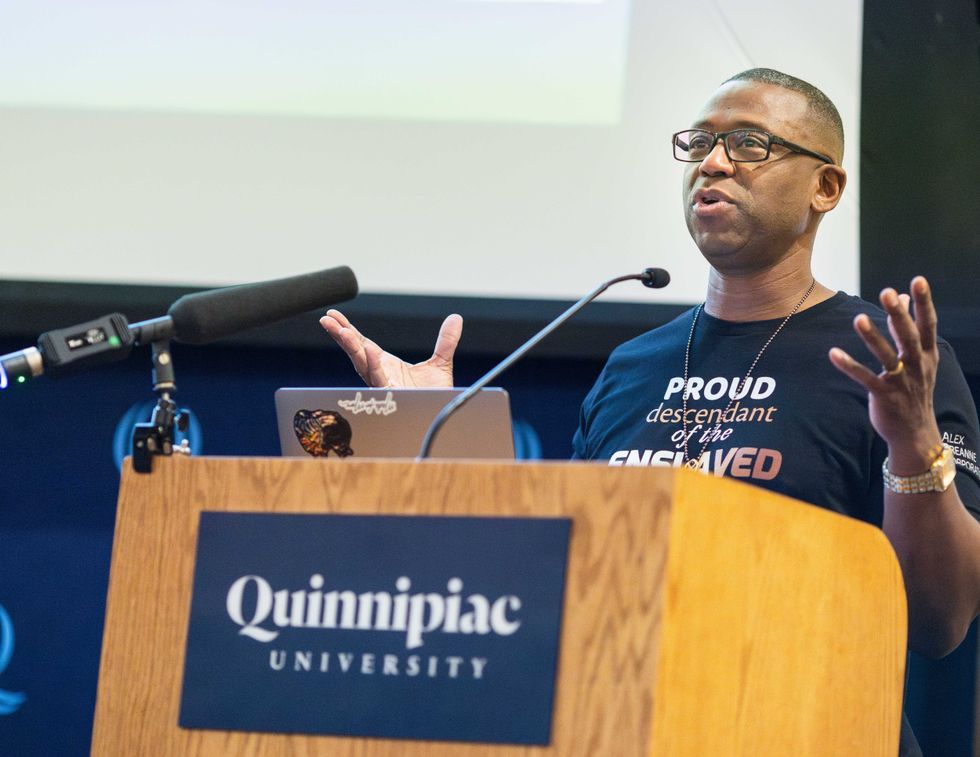
On Saturday, Oct. 24, at the Cornwall Historical Society, author and genealogist John Mills will breathe new life into the stories of some of Connecticut’s more underappreciated patriots. The reason these heroes were forgotten? They were Black.

At a time when white colonists were fighting for their own liberty and political independence, many Black men who fought alongside them remained enslaved. Some risked their lives only to return to bondage. Though enslaved people were promised freedom from both sides of the Revolutionary War in exchange for their service, Great Britain, too, was still deeply dependent on slavery. For Black people in America, the war presented both extraordinary risks and uncertain paths to the freedom that white colonists were demanding for themselves.

Keep ReadingShow less

A sanctuary for second chances

A sanctuary for second chances

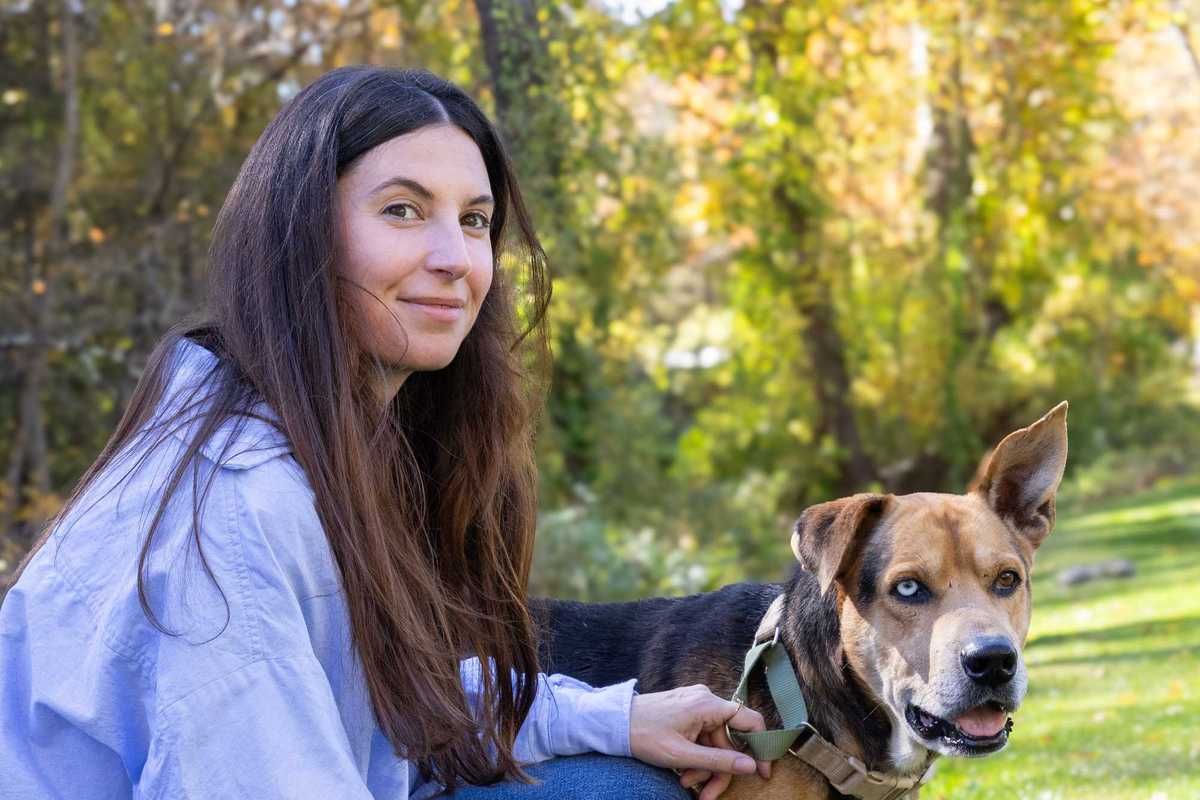
Stephanie Saetta runs Charlie Chicken Bones, a sanctuary in Salisbury.

Madi Long
You only get one or two of these soul connection dogs, so I do this in his honor.
— Stephanie Saetta

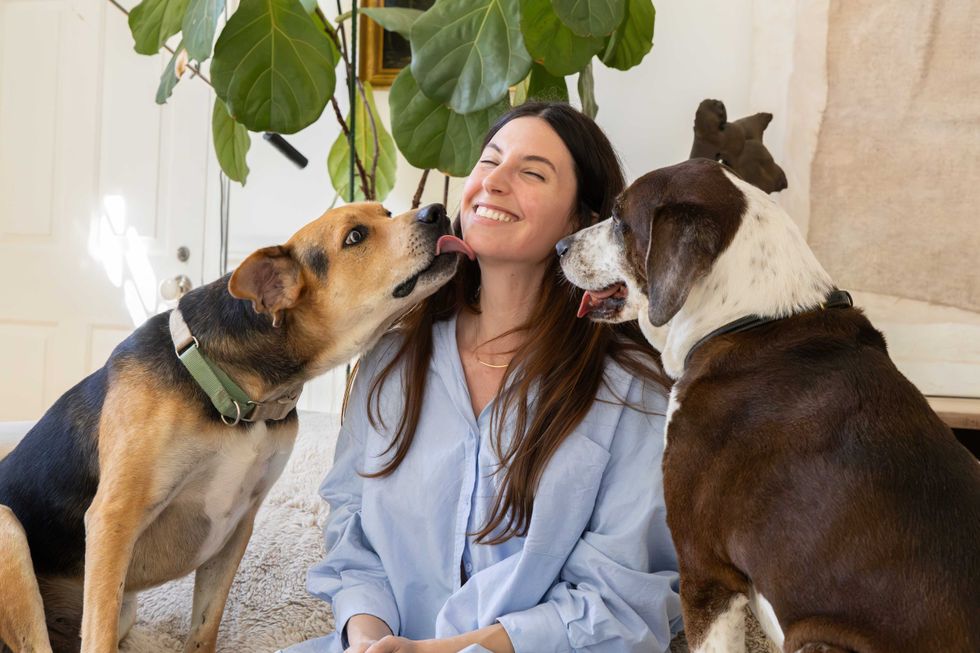
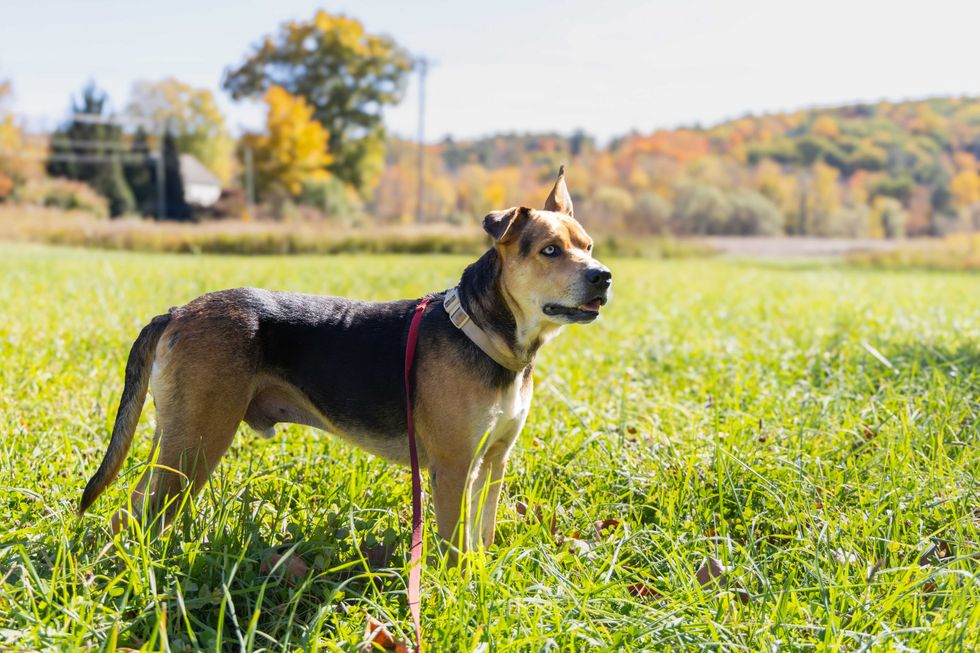
Stephanie Saetta has spent much of her life caring for others. A physician at White Plains Hospital, she has another calling at home in Salisbury — one that has four legs and a wagging tail. She runs Charlie Chicken Bone Sanctuary, a nonprofit dog rescue that brings dogs from overcrowded pounds and the streets of Texas to foster homes in northwestern Connecticut, where they can begin again.

The sanctuary is named for Charlie, the dog who taught her how special a bond between a person and rescue animal can be.

Keep ReadingShow less
Big ideas come to Lenox for inaugural field festival

Hunter Runnette, founder and board chair of field, has spent years fostering arts and cultural programming in the Berkshires.

Provided

What do joy, gardening, artificial intelligence, the American experiment and the creative process have in common? Quite a lot, as it turns out, at least when some of the world’s most compelling thinkers get together to talk about them.

From Friday, Oct. 23, through Sunday, Oct. 25, Lenox, Massachusetts, will host the inaugural field festival, a three-day gathering of writers, artists, scholars and cultural figures at Shakespeare & Company. Billed as a festival of ideas, entertainment, learning and discovery, field brings together an impressive roster of voices to explore everything from the deeply personal to the profoundly political.

Keep ReadingShow less
google preferred source

Want more of our stories on Google? Click here to make us a Preferred Source.

The Pink House AM is serving up community

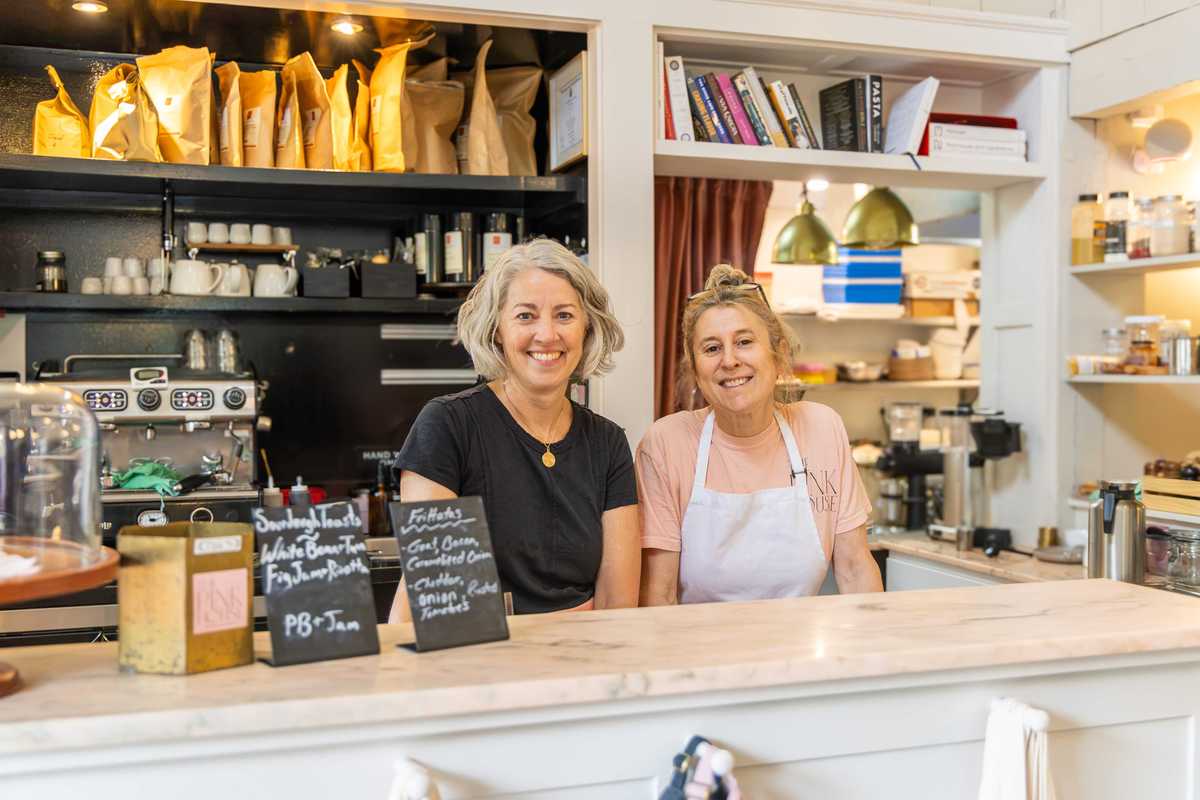
Mare Rubin and Maggie Levine of the Pink House AM.

Madi Long

It all started with a yoga class. Mare Rubin was working on her second act after leaving the Upper West Side, where she’d raised a family and worked in corporate marketing. Newly empty nesters, she and her husband decided to move to the wilds of northwestern Connecticut, where they had spent 15 years as weekenders, to see what life in the woods had in store for them.

Rubin started teaching yoga classes at the Union in West Cornwall, a space designated by the town of Cornwall as a community hub with couches, Wi-Fi, occasional events and a growing yoga class schedule. She was adjusting well but missed one important thing about city life: a casual coffee shop.

Keep ReadingShow less
Sons of Astro are musicians, friends and bandmates — in that order

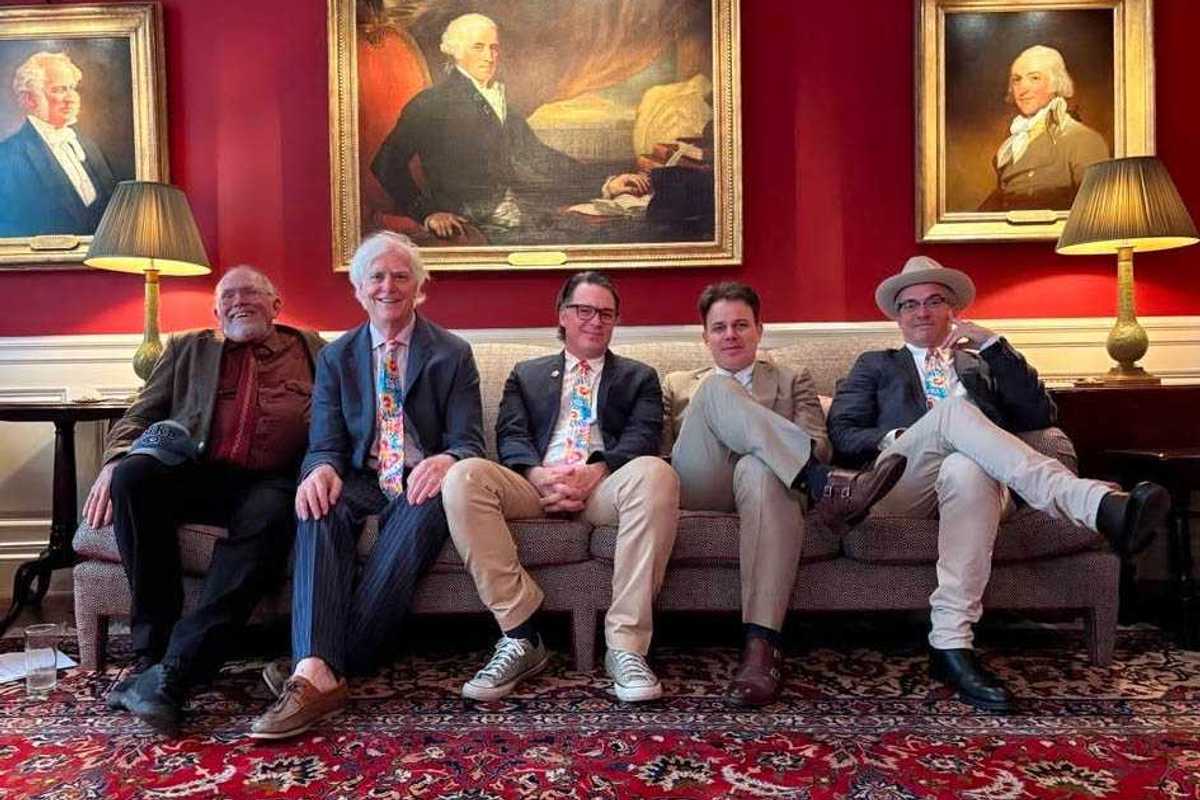
The Sons of Astro will be at the Common Pub in Housatonic on Oct. 24 and the 2nd Home Lounge in Winsted on Nov. 14.

Provided

No matter where they are in the world, musicians seem to find other musicians. There’s a shared language, a shared experience of being on stage and performing, and a shared enthusiasm for making those melodies by themselves or together. Such is the case with Norfolk and Brooklyn-based cosmic Americana band Sons of Astro.

That magnetic musicians’ bond drew Brooklyn-based singer-songwriter and multi-instrumentalist Mike Cobb into the orbit of singer-songwriter and multi-instrumentalist Matt Statler. The two neighbors took to each other right away and were soon playing open mics together. As an ethics professor at NYU’s Stern School of Business, Statler made the case that if he sat in for Cobb’s set and Cobb sat in for Statler’s, they could play together and double their stage time. Clearly, these men wanted to make as much music as possible. That became a little harder when Cobb and his family moved up to Norfolk, Connecticut.

Keep ReadingShow less
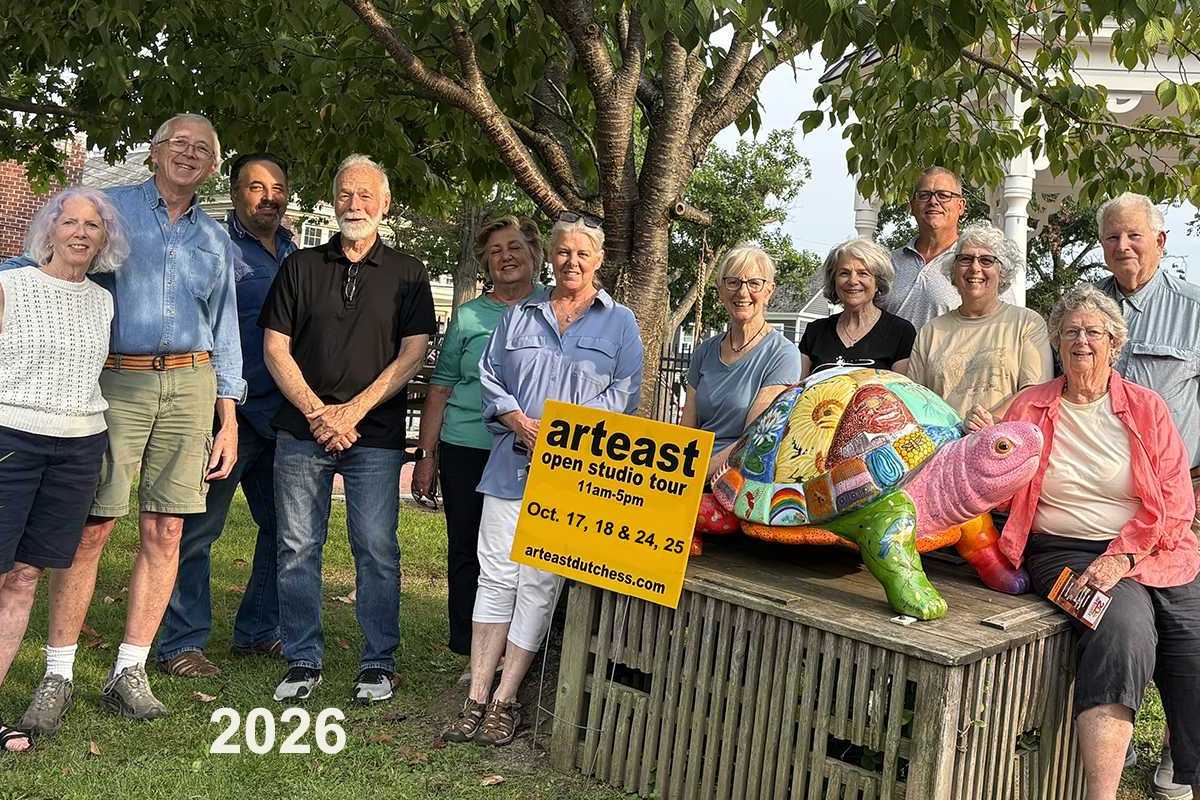
One more weekend to get inside the art at ArtEast

The participating artists in this year’s ArtEast open studios.

Provided

ArtEast’s annual October Open Studio Tour is already underway, but there’s still one more weekend to step inside the creative worlds of artists working throughout eastern Dutchess County. On Saturday and Sunday, Oct. 24 and 25, artists will once again open their studio doors, inviting visitors to see where the work happens, meet the people who make it and perhaps discover something worth taking home.

Now in its 21st year, the ArtEast October Open Studio Tour offers a self-guided journey with participating studios in Holmes, LaGrangeville, Hopewell Junction, Pawling, Patterson, Poughquag and Wingdale. Visitors can explore painting, photography, sculpture, mixed media and other artistic practices, and get some leaf-peeping in at the same time.

Keep ReadingShow less
google preferred source

Want more of our stories on Google? Click here to make us a Preferred Source.

google preferred source

Want more of our stories on Google? Click here to make us a Preferred Source.