Lenox restaurant and real estate entrepreneur and North Canaan airstrip owner Ryan Salame has pleaded guilty to criminal charges of conspiring to make unlawful political contributions and defraud the Federal Elections Commission.
Appearing before U.S. District Judge Lewis Kaplan in Manhattan on Thursday Sept. 7, the Berkshire native agreed to give up more than $1.5 billion in assets to the U.S. government as part of the plea deal, the Reuters news agency reported. He had been co-CEO of FTX Digital Markets, an FTX affiliate.
Salame, 30, was released on a $1 million bond, CNBC reported. He faces a maximum potential sentence of 10 years in prison, with sentencing set for March 6.
He will also pay $5 million to more than 1 million investors who lost a reported $8 billion as a result of the FTX implosion last November.
The fate of his Lenox restaurant and real estate holdings — worth at least $6 million — now hangs in the balance, with a group of local investors poised to try to keep the restaurants in local hands.
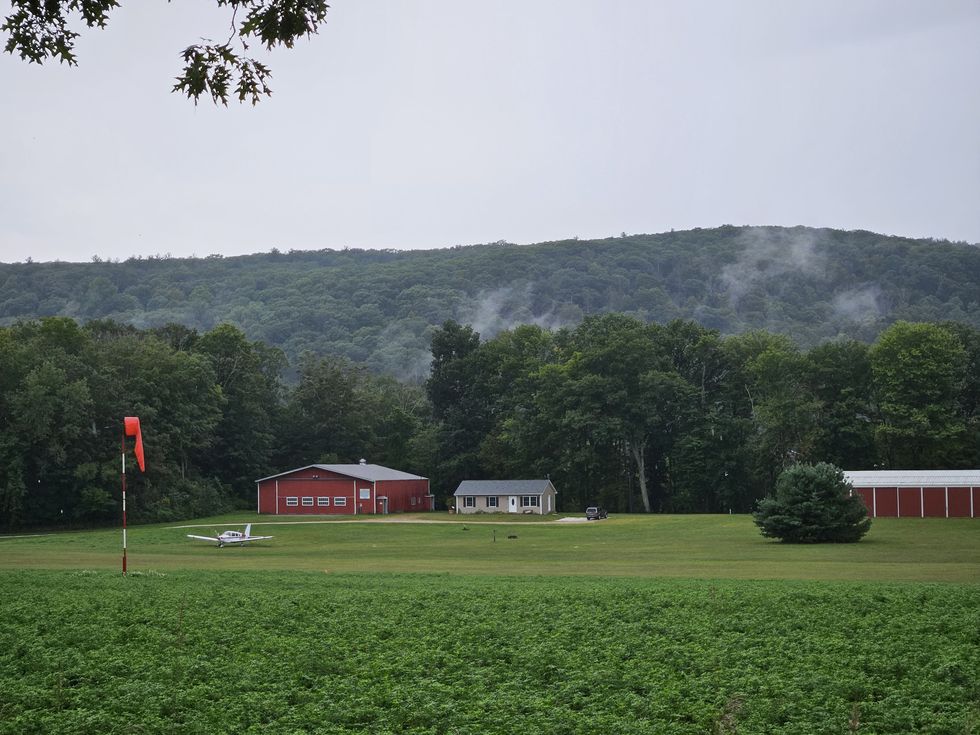
In addition, the small airstrip in North Canaan on West Main Street and across from the transfer station, a storied part of Northwest Corner life for decades, is owned by Triumph Airfield LLC, registered with the Secretary of State of Connecticut with Ryan Salame as principal.
Salame will have to pay $5 million to debtors of FTX and $6 million in fines to the government. He will also surrender two houses he owns in Lenox, as well as his 2021 Porche, CNBC reported.
Salame made his fortune as a bitcoin investor, cryptocurrency executive and lieutenant to disgraced and now imprisoned FTX exchange founder Sam Bankman-Fried.
He donated nearly $24 million last year to 97 Republican candidates and political action committees.
A native of Sandisfield, after attending Farmington River Elementary School in Otis, Salame graduated from Monument Mountain Regional High School in Great Barrington in 2011, four years after he began working as a dishwasher at the former Martin’s Restaurant in Great Barrington, which closed in 2016.
“He started out washing dishes when he was 14 but then he did everything,” Martin Lewis, owner of the popular restaurant, told The Eagle last year. “He was very smart and energetic. He’s just a wonderful person. A great kid.”
By 2016, Salame (pronounced SAY-lem) had graduated from the Isenberg School of Management at the University of Massachusetts Amherst with a business degree in accounting and then obtained a master’s in finance at Georgetown University in Washington, D.C.
With a keen interest in cryptocurrency, in 2017 he went to work for Circle Internet Financial He helped Bankman-Fried create FTX Trading Ltd. in Hong Kong before relocating to the Bahamas as co-CEO of FTX Digital Markets in September 2021.
By then, he had burst upon the downtown Lenox scene, acquiring Firefly Gastropub from Laura Shack in mid-summer 2020. In March 2021, he purchased the Olde Heritage Tavern, including its real estate on Housatonic Street, from longtime owner John McNinch and his family for $1.5 million, plus the undisclosed value of the business.
After the death of owner Jim Lucie, he bought the former Cafe Lucia in December 2021, which remains vacant. Under the Lenox Eats Collective marketing brand, he added The Scoop ice cream parlor and candy shop, renaming it Sweet Dreams. Other acquisitions included a vacant former restaurant site on Franklin Street, a commercial and residential site at 27 Housatonic St., including Ombra and Shots Cafe, while opening the Lenox Catering Co. and The Lunch Pail, a food truck.
The Journal occasionally offers articles courtesy of The Berkshire Eagle.
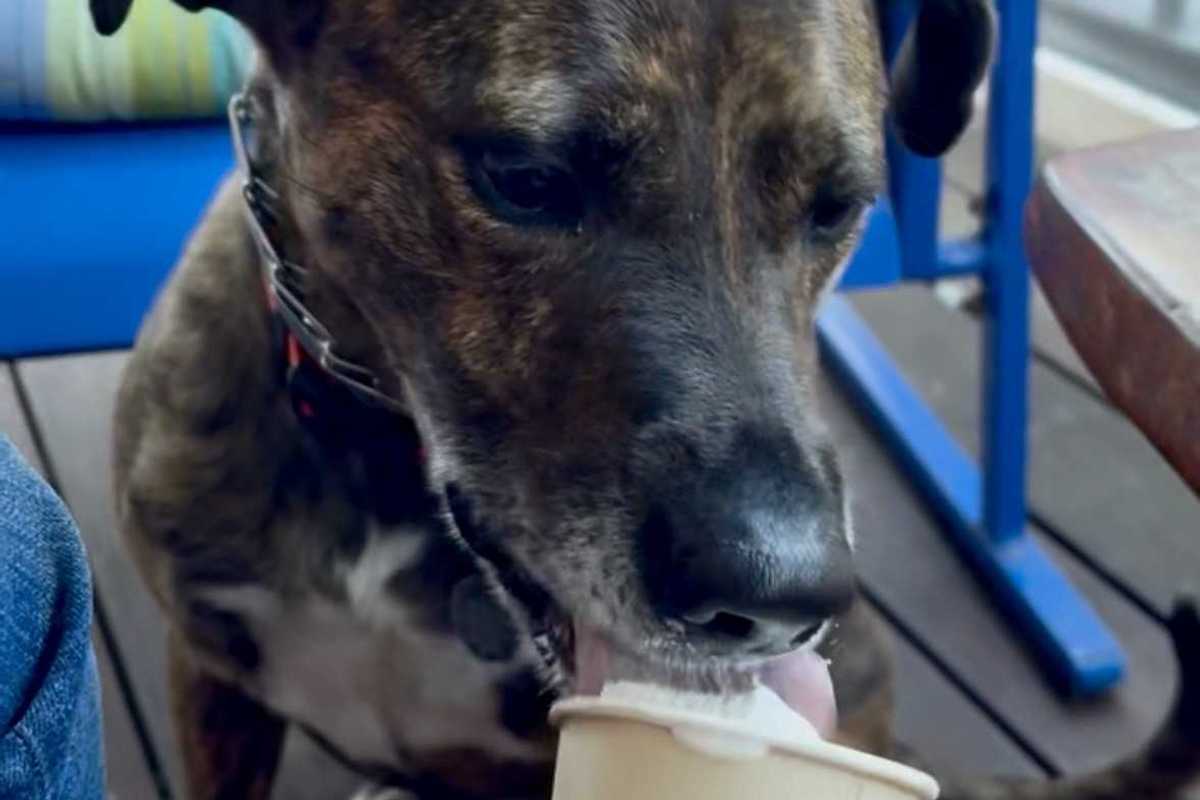
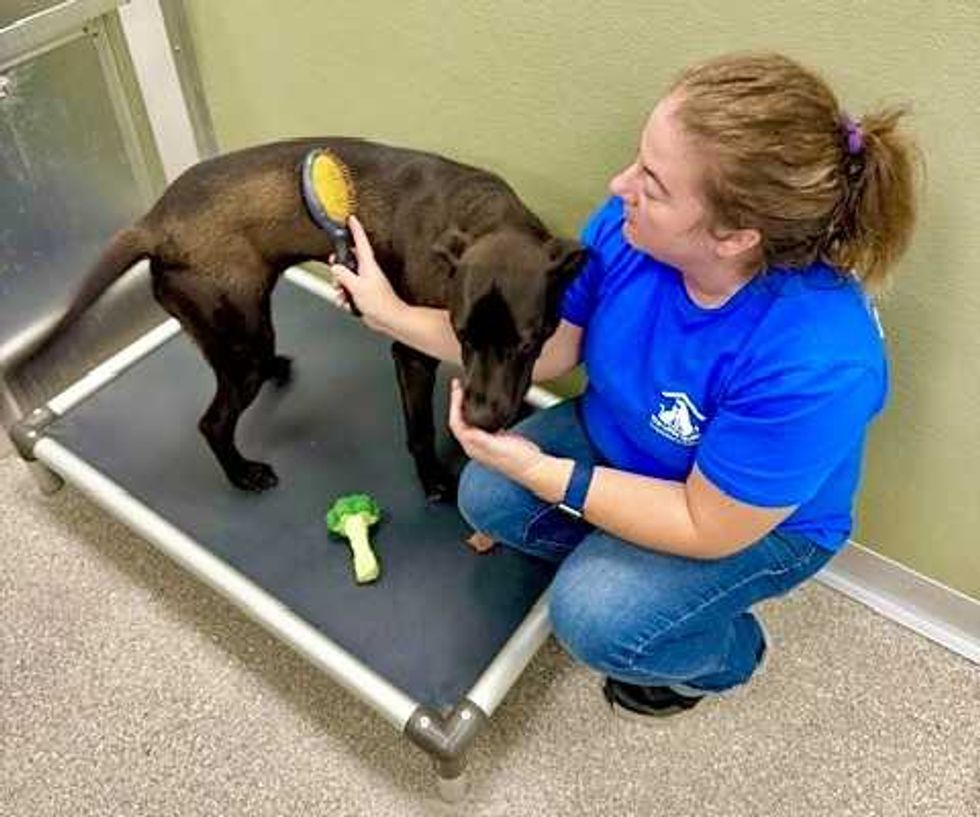 Tiffany Lemelin, shelter manager, brushing Marsala upon arrival.Provided
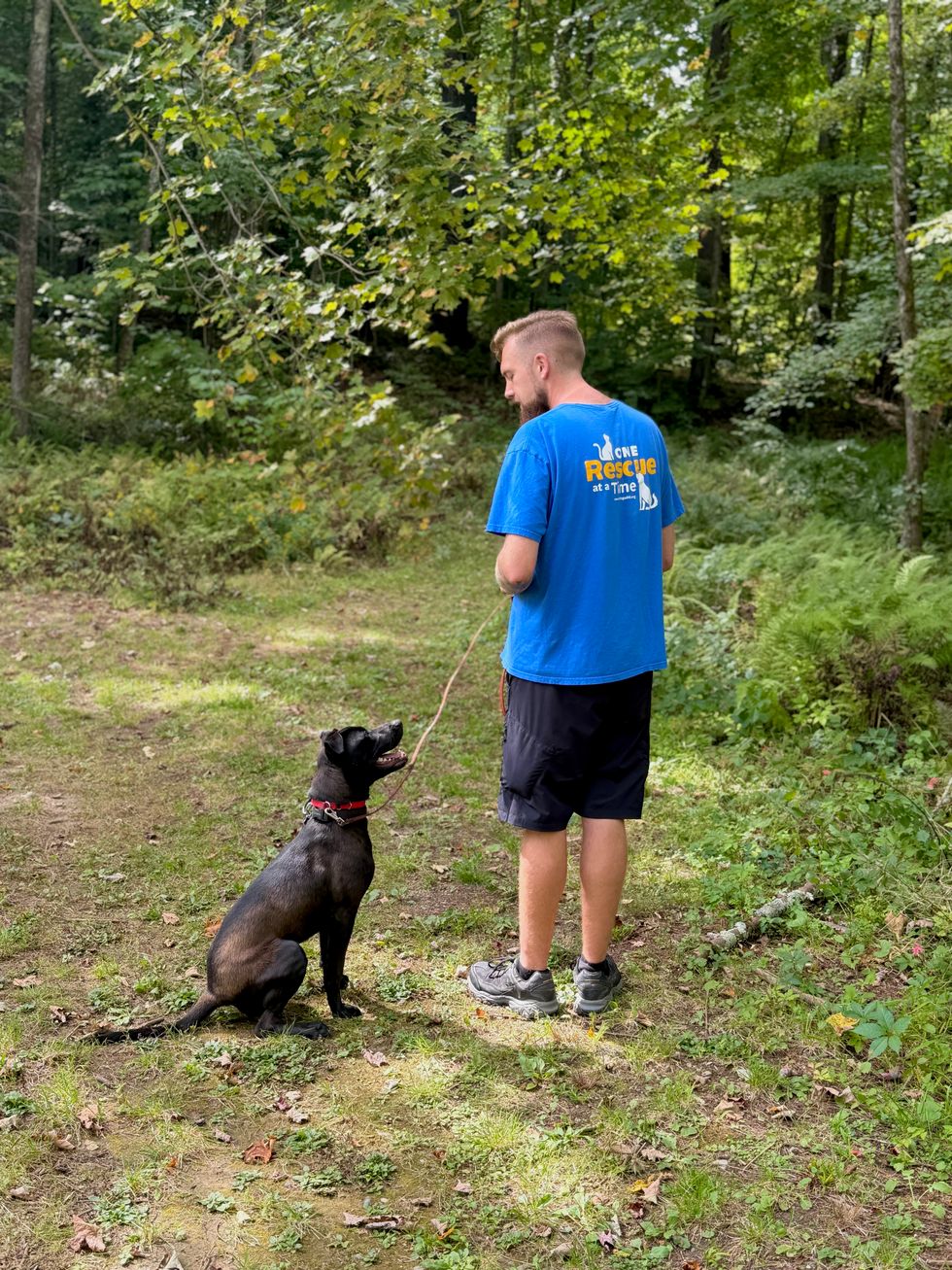 Michael DeBarba, certified dog trainer working with Marsala.Jennifer Almquist
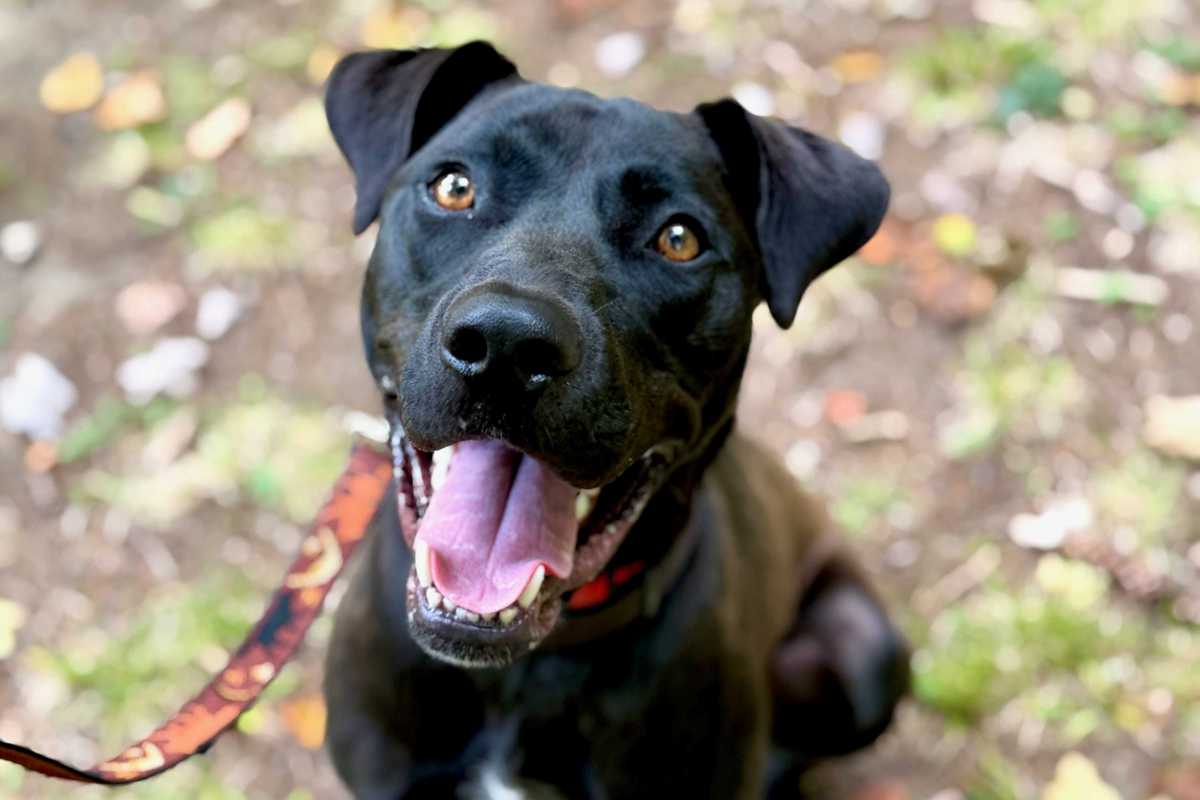
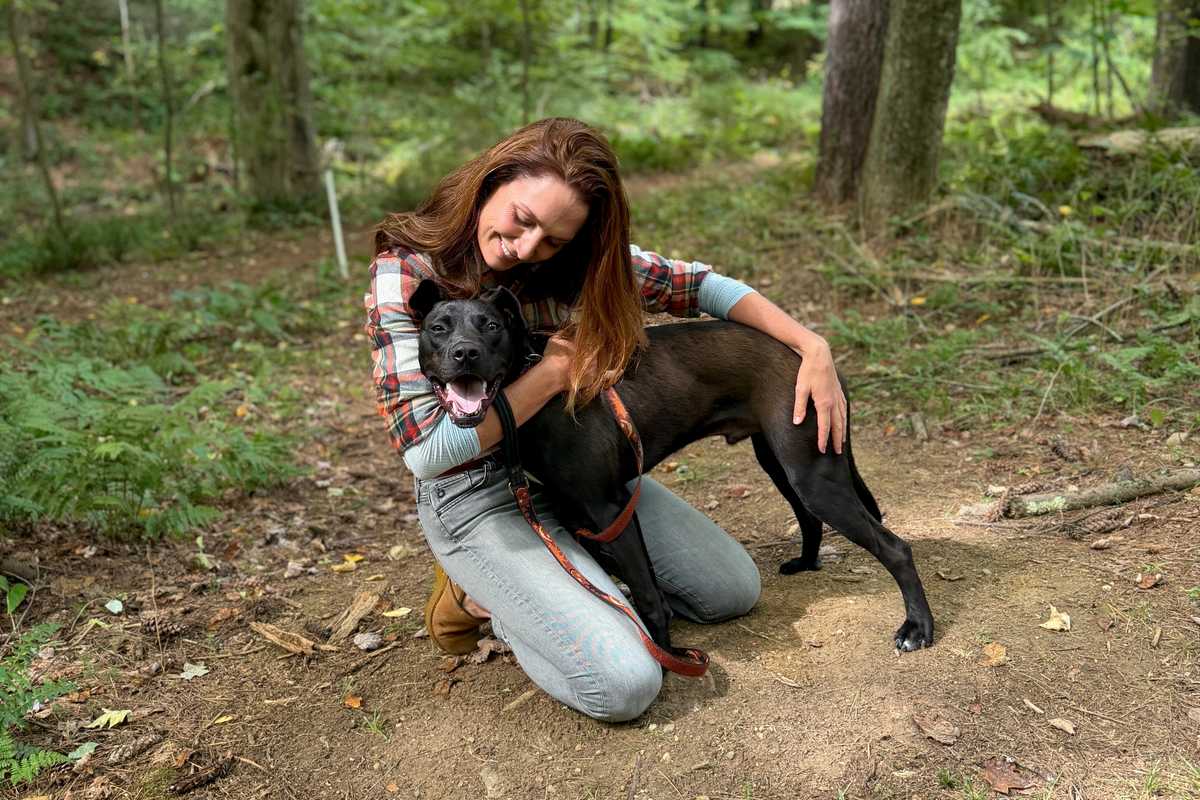 Marsala wins a heart.Jennifer Almquist
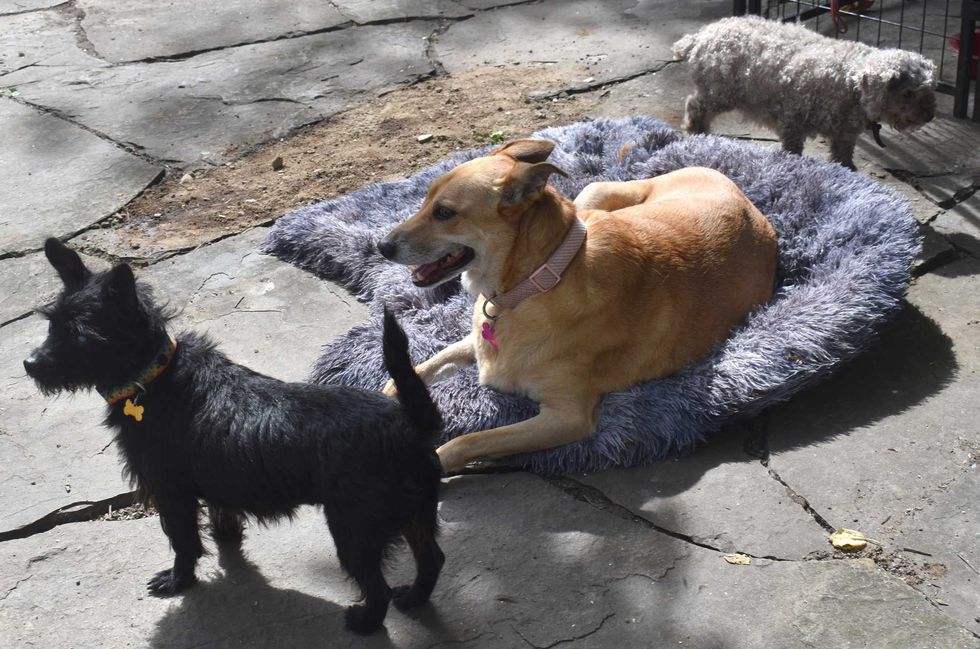 Sadie, center, a Carolina dog, plays with her friend Negra, a terrier mix. Bella Linda, the small poodle, has since been adopted.L. Tomaino
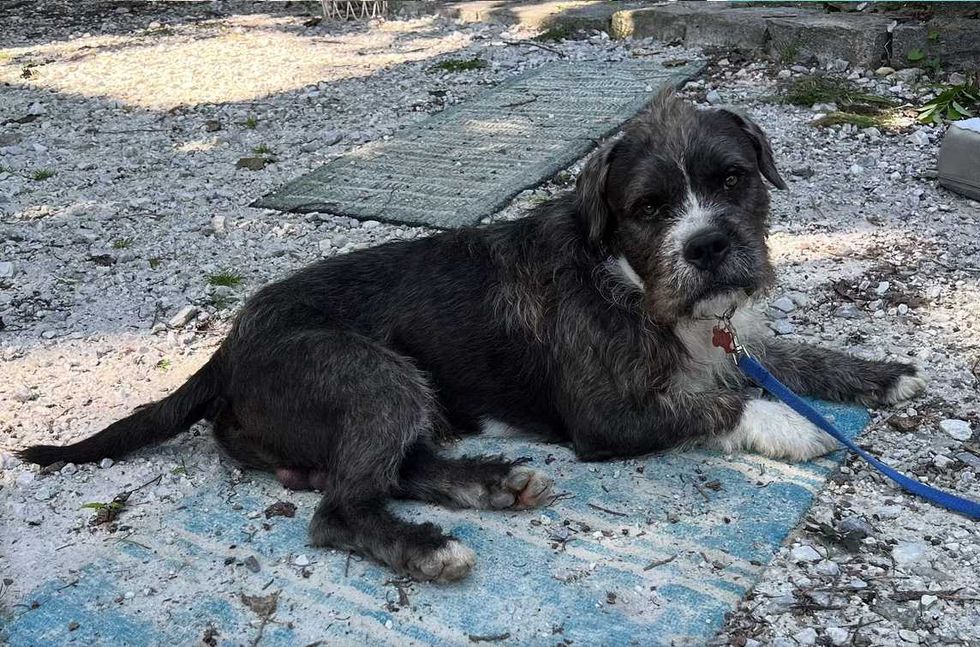 Wesley, a young, exuberant mix, is looking for an active home.L. Tomaino
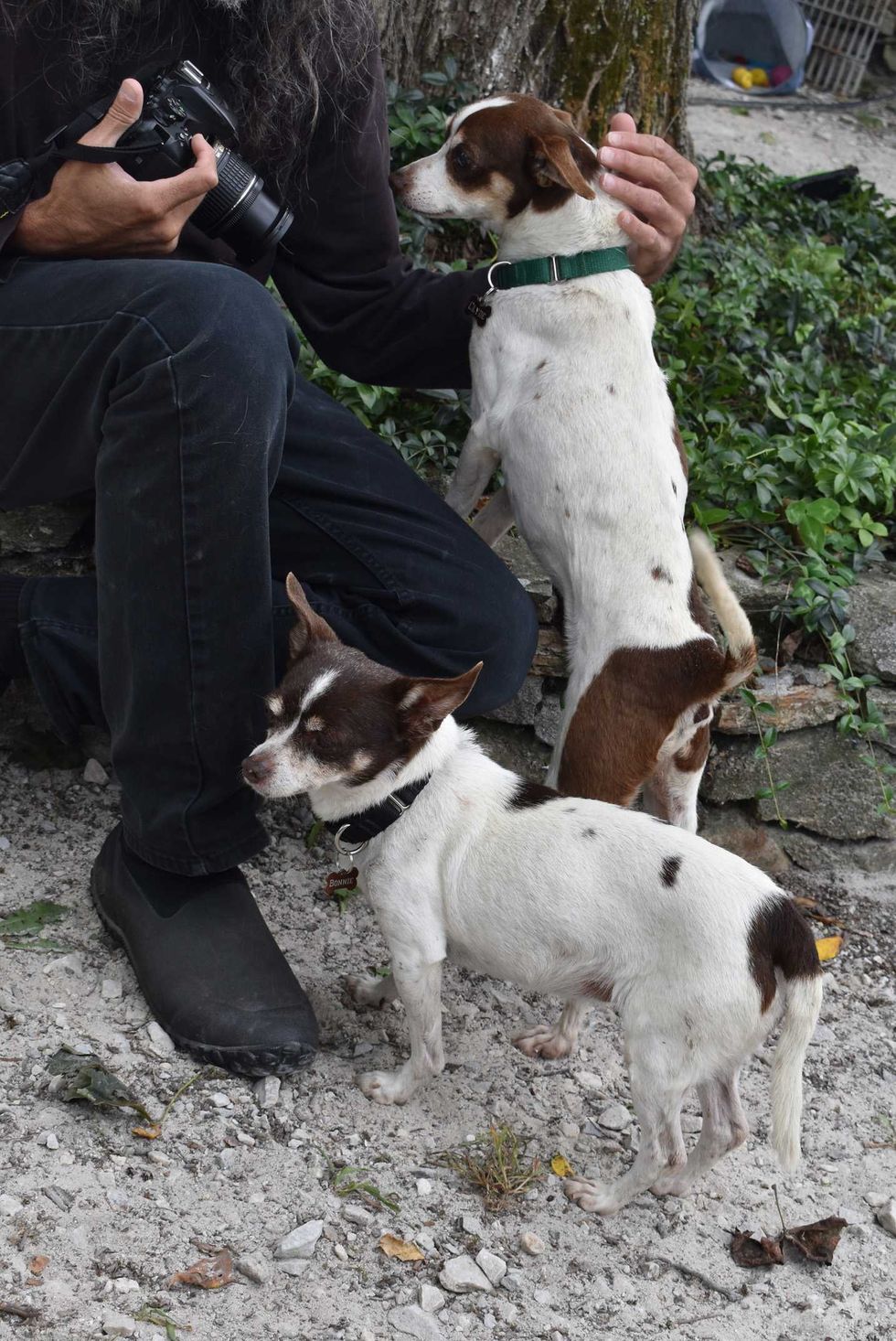 Bonnie and Clyde, an affectionate terrier pair.L. Tomaino
 Provided