While all three available COVID-19 vaccines are helping to prevent severe illness and hospitalization, nursing home residents are at heightened risk of becoming critically ill due to aging immune systems and underlying health conditions, according to health experts.
“I am kind of surprised at the current outbreak and how sick people became — for a group of 99% vaccinated individuals — and how it spread so easily,” despite vaccinations, testing, PPE, protocols and a host of safety measures, said Kevin O’Connell, CEO of the Geer Village Senior Community in North Canaan, where an outbreak of the highly contagious Delta variant has infected 69 residents and staff, resulting in three deaths (see adjoining article this page for more details).
“Almost all the infected were fully vaccinated, so we are obviously concerned we are experiencing some level of waning immunity,” noted O’Connell.
Dr. James Shepherd, a resident of Sharon and an infectious disease consultant at Yale New Haven Hospital, explained that in the elderly, immune systems age along with the rest of the body.
“Therefore, they make less robust initial responses to vaccination, which wane sooner than in younger people. This is the basis for earlier booster shots for people over 65.
“Nevertheless, the vaccines continue to provide excellent protection against severe disease and death on statewide and national surveillance.”
Some were
‘unable to survive’
According to Dr. Mark Marshall, vice president of Medical Affairs for Sharon Hospital, the elderly with serious underlying health issues are most at risk of severe illness and death, especially as vaccines lose their effectiveness.
Recent studies by the Centers for Disease Control and Prevention (CDC) suggest that as the Delta variant spread, vaccines became less effective at keeping people 75 and older out of the hospital.
“I can tell you that people I have seen who have died,” said Marshall, were older, with immunocompromised systems, underlying illnesses such as lung and heart disease and other comorbidities.
“And they were unable to survive.”
Although the town of Sharon in recent weeks has been red on the state’s color-coded map — indicating a high rate of transmission of the virus — Marshall said that there has been no major increase in COVID-19-positive patients at Sharon Hospital in recent weeks.
“We generally have one or two in the hospital, and on other days have none. That is a big contrast to what we were dealing with several months ago. Things have settled down, with the exception of sporadic outbreaks.”
The other Northwest Corner town that was red on the state map on Oct. 22 was North Canaan. Salisbury was orange. The three other Northwest Corner towns were gray.
Boosters & flu shots a priority
Because nursing home residents and staff were among the earliest recipients of COVID-19 vaccines when the shots became available late last year, they are now among the first in line to receive booster shots. Flu shots are also being administered at the nursing homes.
Geer Village was scheduled to hold a Pfizer booster shot clinic for residents and staff on Tuesday, Nov. 2, in conjunction with Walgreens Pharmacy. Individuals infected with COVID-19 are not eligible for the boosters, said O’Connell.
Noble Horizons in Salisbury, according to Administrator Bill Pond, had recently initiated the booster process among residents, and plans to offer shots to staff soon.
“We’re not mandating it, but we have seen a very eager response to the booster,” said Pond on Oct. 20.
Sharon Health Care Center plans to roll out booster shots “in the near future,” according to spokesman Tim Brown.
Transition to an ‘endemic infection’
Looking ahead, Shepherd said high levels of community resistance to infection and disease show that the impact of COVID-19 is waning in Connecticut.
“We are well into the transition from an epidemic to an endemic infection. Could a new variant emerge that can reinfect us more efficiently? Possibly, but the trend is toward greater host protection.”
But Sharon Hospital’s Marshall warned that the highly infectious disease has not disappeared, and human behavior over the next several months will either stamp down the virus or heighten its spread.
“I think if people aren’t cautious, it’s possible that we are going to see another surge this winter.”
Free shots at clinics
Several towns in the area are hosting clinics with vaccines, boosters and flu shots. Check town websites for information.
A free COVID-19 vaccine clinic will be held on Saturday, Nov. 6, between 10 a.m. and 4 p.m. at North Canaan Town Hall. All vaccines will be available, dependent upon CDC guidelines, including boosters. No appointment is necessary, nor is photo ID. Residents of all six Northwest Corner towns are invited.

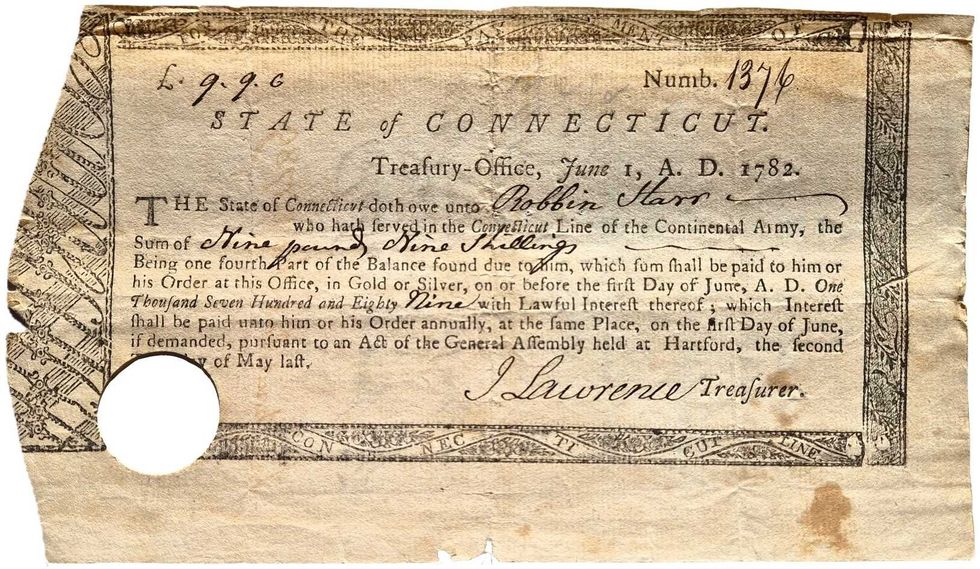 Pay Bill for Robin Starr’s service in the Continental Army.Courtesy the Alex Breanne Corporation
 John Mills speaking at Quinnipiac University.Courtesy the Alex Breanne Corporation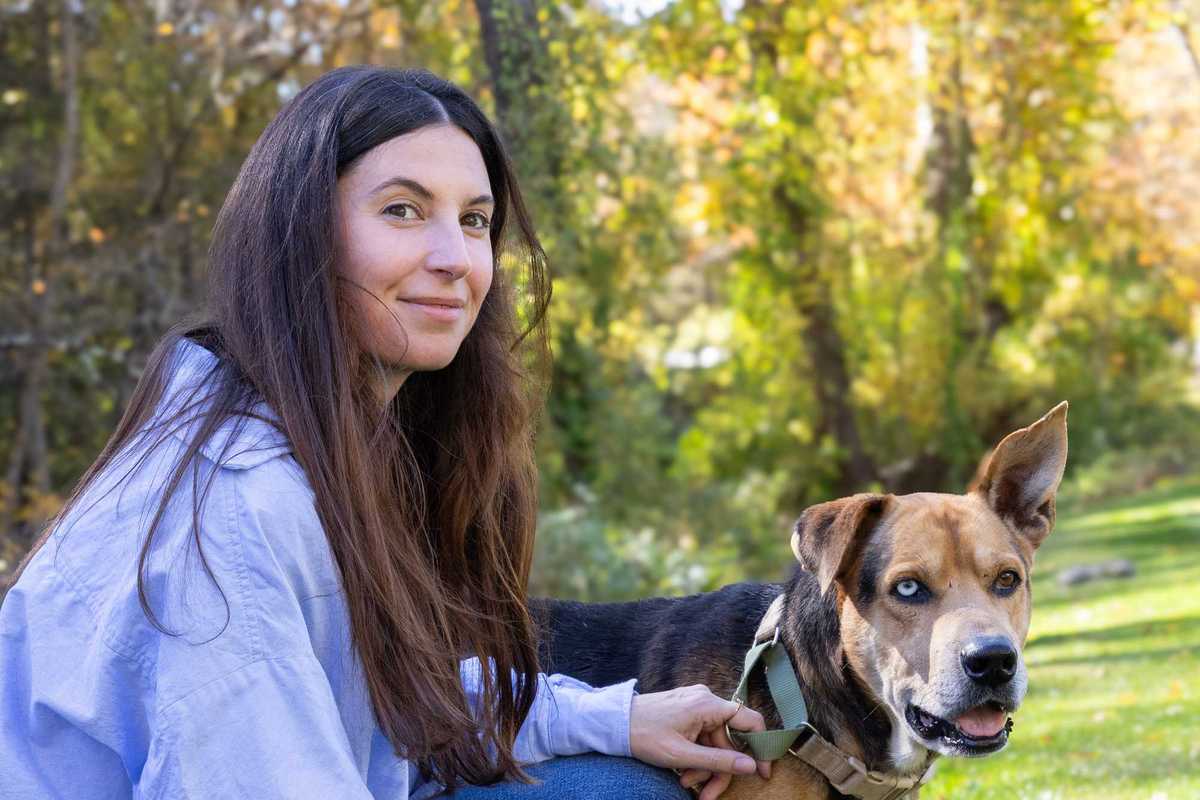
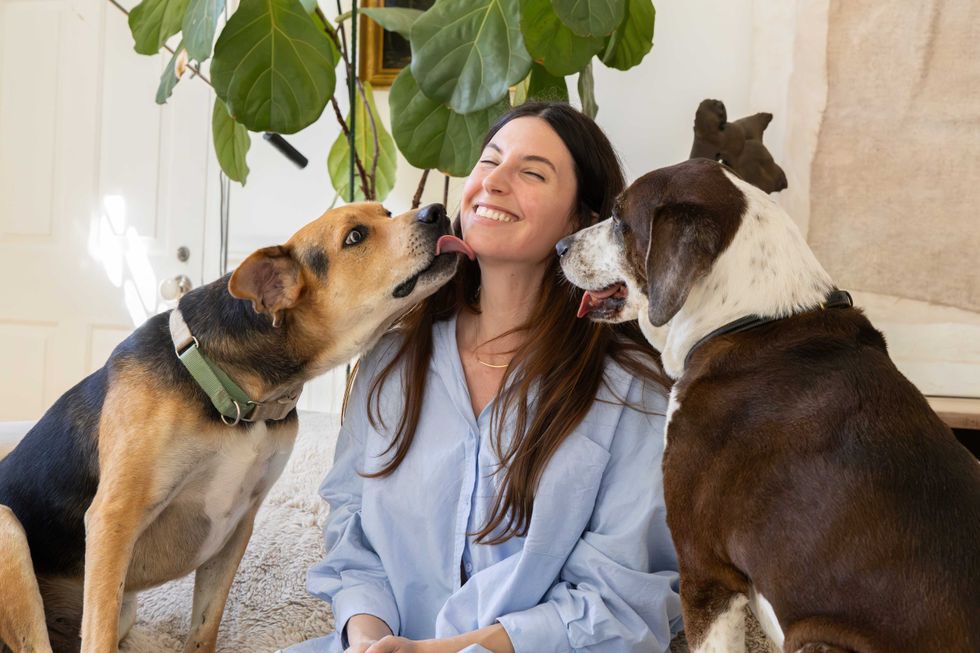 Stephanie Saetta,with her rescue dog George and Blue (left), a shepherd mix awaiting his forever home.Madi Long
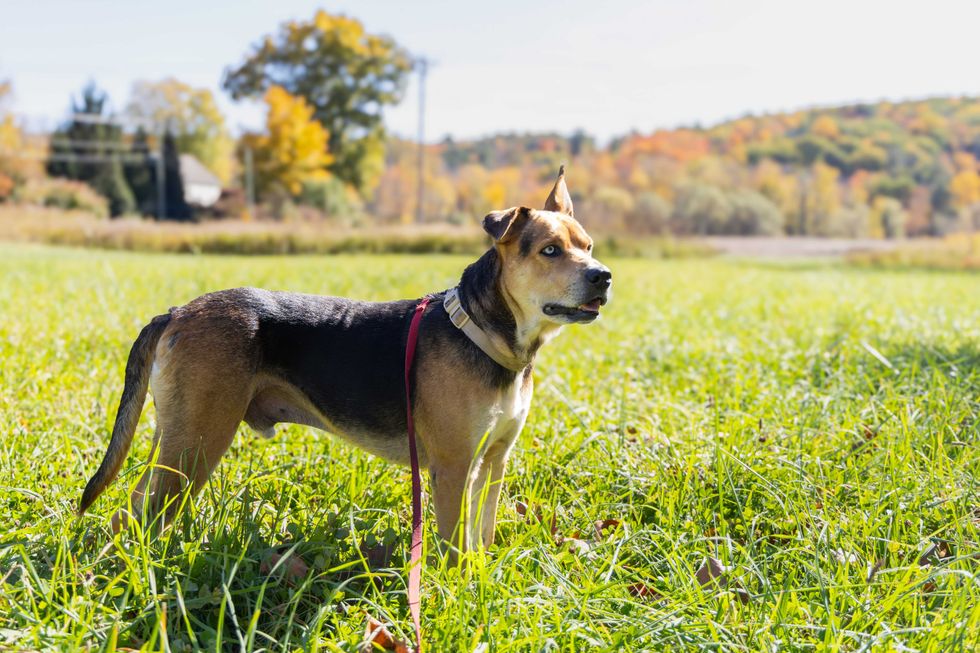 Blue, a 7 year-old Shepard mix, is waiting for his forever home. Madi Long