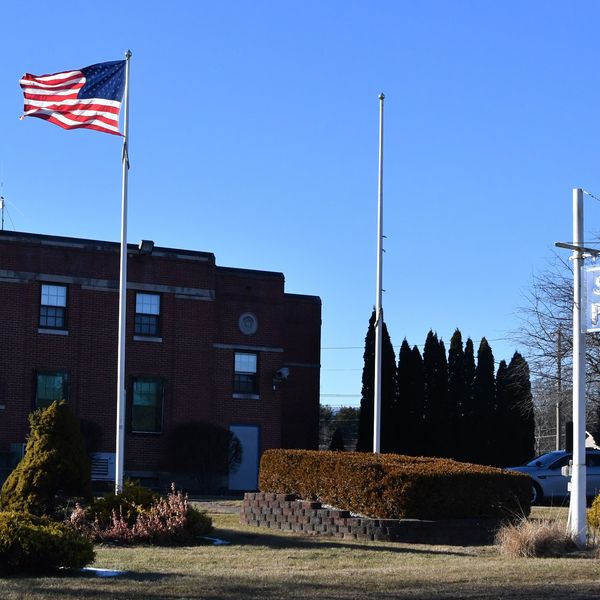
PINE PLAINS— During the attorney’s report at the Thursday, March 21, Town Board meeting, Attorney to the Town Warren Replansky spoke about real property tax law, and its allowance for tax exemptions for LEED-certified buildings. LEED stands for Leadership in Energy and Environmental Design, and refers to properties that are being improved or renovated.
“LEED certification is one of the “most popular green building certification programs used worldwide” and “includes a set of rating systems for the design, construction, operation and maintenance of green buildings, homes and neighborhoods that aims to help building owners and operators be environmentally responsible and use resources efficiently,” according to Wikipedia.
At the March 21 meeting, Replansky said the exemption “depends on the grade of compliance,” which can range from certified, to silver, to gold, to platinum. Exemptions are not based on an entire building, he added, but rather the part of the building to which improvements are being made and brought up to LEED standards.
“I’m fine with it, if the assessor wants to go ahead,” said the attorney about adopting the standards.
Assessor Rich Diaz was at the meeting. He said he just saw the information that day, and had a lot of questions.
“I don’t know exactly what I’m doing or have to approve,” he said. “I have to look into it before I can say if it fits.”
Diaz added that he doesn’t know how it will affect the town.
“Right now I see no problem with it to look into,” he said, adding it can be for a renovation or new construction.
“I’ve never worked with LEED,” said Replansky, looking to Diaz for guidance.
Councilman Rory Chase said that the town currently does not have a law on the books regarding LEED exemptions. Replansky responded that “in order to give the exemption, we have to pass a local law.”
The subject was originally raised after a property owner in the town said he was interested in an exemption. According to Councilwoman Sarah Jones, the property in question is to be a new farm, with 333 acres, black Angus, windmills and solar arrays.
Replansky responded that, regardless of whether the property meets LEED standards, nothing can be built that “doesn’t comply with zoning.”
Building Inspector Drew Weaver said, “it’s not there yet,” adding “I didn’t know this was on a specific property.”
Deputy Supervisor Don Bartles said that solar panels are being installed “to offset the cost in the winter.” He asked if the panels have been installed at this time. Weaver responded that he did not think so.
For his part, Diaz said he “could not find the list of things that LEEDs does,” all of which must first be certified.
He added that some of the work done for the exemption is passive and some of it is active. And that LEEDs also does “everything from towns to skyscrapers, everything. We’ll just go on residential.”
Jones said that while the board doesn’t have to “accept his position,” it “would be nice to know what you, the assessors, feel.
“If you would look into it, it would be very useful,” she said. “This is the first time it’s coming up, but it’s in New York state.”
It was noted that in Pine Plains, LEED exemptions would only affect town taxes, not school taxes.
“If they want to go green, this would be a good area to look into,” added Jones.
Replansky said that either an amount or a percentage can be chosen for the exemption.
“They give us a choice,” he said. “It’s up to us to say, ‘Yes, this is equal…’”
The attorney added that he would lean on the assessors, and there is “probably a section in the assessors’ manual that says this is how it’s applied, because I don’t have any hands-on experience.”
He did say that he believes it only applies to improvements that are LEED certified.
“I don’t know if you build a green house, how much of that is LEED certified,” he said.
“With a green house, I think they certify the whole house,” said Diaz.
“There is a possibility for major LEEDs construction,” said town Supervisor Darrah Cloud.
Diaz told the board he’d work on a report on LEED certification.
“That would be great,” said Cloud, before the board decided to table the matter so it, and its attorney, could get a good grip on the issue.

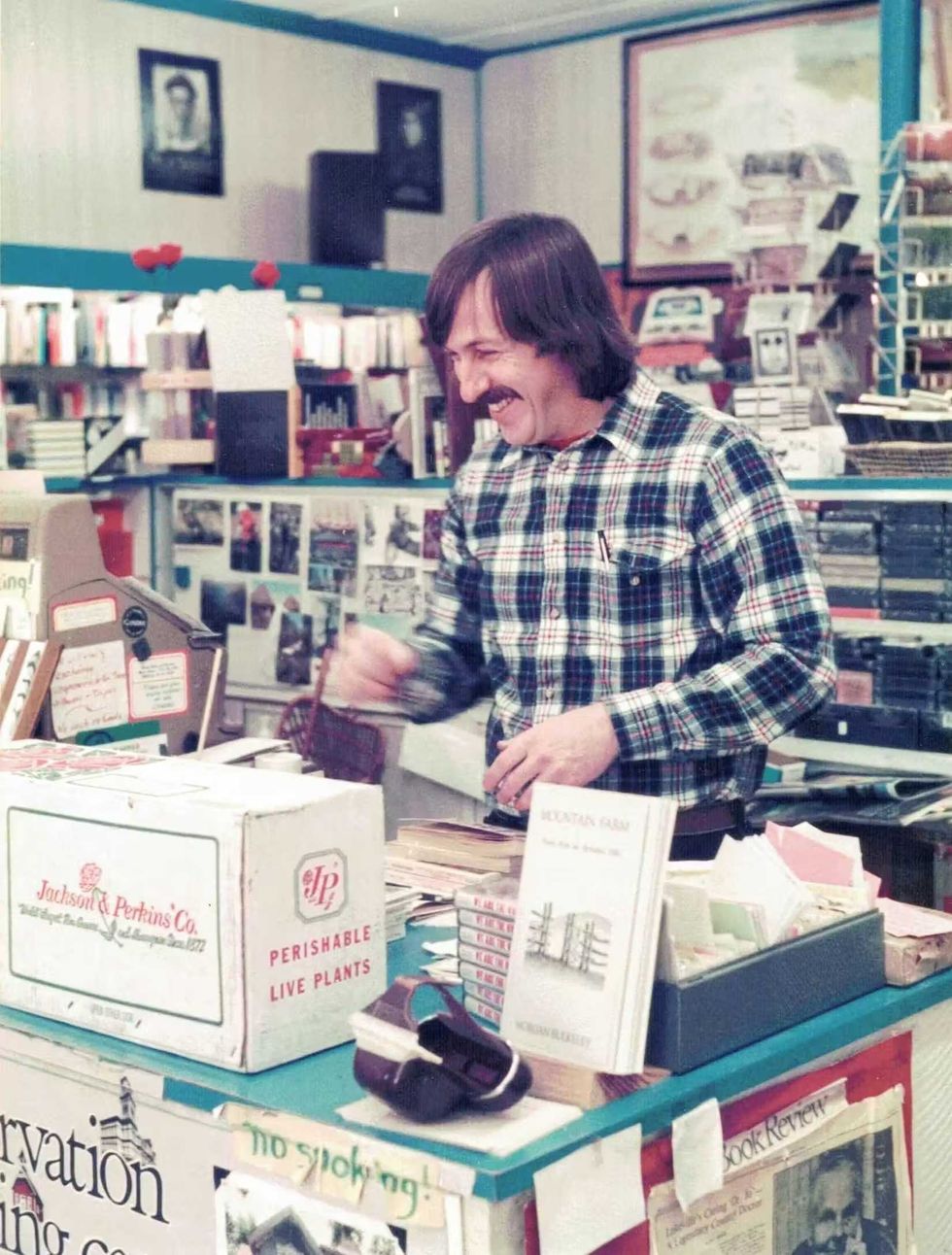 Dick Hermans in the Oblong Bookstore on Millerton’s Main Street in 1985.Provided



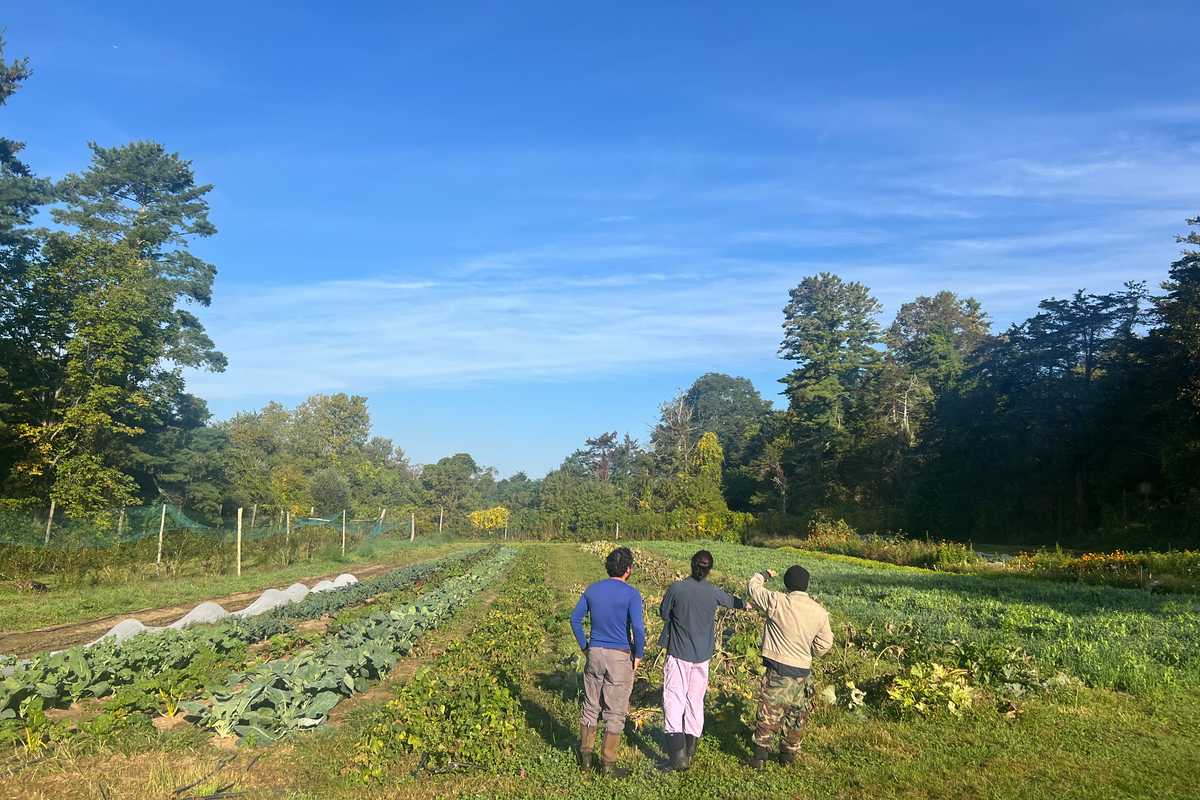
 Fall storage crop harvests amid soil building cover crops at Adamah Farm in Falls Village. Janna Siller