Thanking our townspeople
On May 30, the Kent Land Trust held its 10th annual Memorial Day Community Conservation Picnic. When for the first time the weather prevented an outdoor celebration, the First Congregational Church came to our rescue by offering their Parish Hall. We are enormously grateful for their generosity, which enabled us to offer barbecue lunch, crafts, and great information to more than 200 community members.
Thanks to underwriters Darcy and Dan Frisch, Erica and Jeff Keswin, Jane and Chuck Klein, Lynn Perry and Michael Hallows, and Alice and Jim Hicks! Their generous contributions made it possible to provide this cherished community event free of charge.
Crafts and information centered around the theme of “the Birds and the Bees,” highlighting the critical importance of supporting habitat for native pollinators, and current citizen-science initiatives to collect data on birds in the region. Exhibitors from the community joined to share their conservation-related activities and accomplishments.
Fifty-five volunteers from the Kent Land Trust Board and Kent community organized the event, served food and hosted activities, along with 14 local businesses and nonprofit organizations.
It is heartwarming to see our community join together in caring for our natural resources and rural quality of life in Kent. Thank you, and happy summer. Let’s Keep Kent Rural … Forever!
Bill Arnold, President
Connie Manes,
Executive Director
Kent Land Trust
Kent
Kent community unites to clean up roadside trash
The Kent Conservation Commission and Kent Chamber of Commerce extend heartfelt gratitude to our neighbors who participated in this year’s CleanUp in celebration of Earth Day 2016. Annually since 2010, Kent residents have joined together to expand the tradition of cleaning the Village Center to the entire town of Kent. An impressive mountain of bright green and black contractor bags was on display at the Transfer Station as the cleanup concluded Sunday, April 24. While dismayed at the continued volume of bottles, cans and rubbish lining our country roads, we were inspired by the townsfolk who gave time and labor to this effort, setting an example for us all. Many thanks to the following people for taking part in the cleanup:
Many thanks to the more than 50 community volunteers who participated in the effort. We are enormously grateful to the students of the South Kent School who donated a day of service to cleaning more than 14 miles of roads! The Marvelwood School and Kent’s Boy Scout and Cub Scout troops provided additional cleanup support on Skiff Mountain and within the Village Center. Further thanks to Kent First Selectman Bruce Adams and to John Kaminski, who opened the Transfer Station to “the spoils.”
Each year we hear from our volunteers that the roads seem a little bit cleaner, so hopefully our message is getting through. People are more aware of the way our roadsides look and are throwing less of it out their car windows. Please do carry collection bags when you are out walking, and keep a few spare bags in your cars — let’s keep our town looking beautiful all year round!
Liddy Baker, Clean-Up Chair
Kent Conservation Commission
Kent
Herbicides: When will we ever learn about their risks?
In the June 9 issue of The Lakeville Journal, I wrote a column saying that “Glyphosate is killing us all — let’s act NOW.” This has drawn various reactions from readers, deserving some explanation.
To be perfectly clear, we are not talking about the careful, responsible, safe and effective application of Glyphosate by Tom Zetterstrom and others to fight invasive plants threatening our native plant species.
Our objection is to the misuse and over-use of herbicide formulations, such as Monsanto’s Roundup and Dow Chemical’s 2,4-D, being sprayed indiscriminately and unnecessarily on our State highways and rail lines, contaminating our wetlands and water sources. What we know about the adverse effects of herbicides is bad enough. But, worse still, what we don’t know enough about is the interaction between different component “surfactants,” herbicide chemicals and contaminants, and their long-term, cumulative effect on human health and the environment.
Ignorance of ultimate risk should not be an excuse to take unforeseen risks. During the Vietnam War in the 1960s, the U.S., in all ignorance, sprayed 20 million gallons of Agent Orange and other herbicides (including unintended Dioxin contaminants) in an effort to defoliate the forests of Vietnam and nearby Cambodia and Laos. In ignorance, the spraying exposed some four million innocent villagers to terrible adverse health effects including high rates of birth defects (missing or distorted limbs and organs). National and local health services, the World Health Organization and others have had to deal with these issues ever since — a half-century later.
Unintentionally and in ignorance, the U.S. exposed our own veterans to these herbicides, burdening today’s VA hospital system. Not only that, there is now increasing evidence, not previously anticipated, that these herbicides can cause genetic mutations and alter the “epigenome” of some exposed individuals, with the result that some of these defects can be passed on to future generations — in Vietnam and here in the U.S.
When will we ever learn? If we don’t learn from the past, will we have to pay the price and regret it all 50 years from now? Why, in ignorance of future outcomes, should we take unnecessary risks to ourselves and future generations by indiscriminate spraying of highways and waterways? Putting ignorance aside, this is why we need, as our representatives in Hartford, rational, responsible, concerned leaders like Roberta Willis and Bill Riiska who are fighting to protect our human health and the environment here in Connecticut.
Anthony Piel
Sharon
Remembering Kaelan
LEAVES
Lovely colors like a painting
Eventful seasons with extraordinary golds
Amazing shapes like thin ice on the water
Valuable reds fill the air
Easy yellows come down before deep oranges
Simple browns come down last but not least
— Kaelan Palmer Paton, age 9
It can be comforting to reflect on the personality and spirit of a person who is no longer walking the Earth. In July 2009, Sharon Center School teacher Monica Connor spoke endearingly of her former student and heroic teen Kaelan Palmer Paton at a large and mainly festive gathering at the school a month after he passed on June 16, 2009.
All of the family (on many branches of the tree and many friends as well) strive to live with respect and care as part of honoring Kaelan’s courage and love for others.
The lovely trees planted at the Sharon Center School and Housatonic Valley Regional High School, like his family and many of his friends, thankfully, are doing well. Still, for those struggling with any kind of challenge, we send our loving thoughts as do so many other caring folks.
The Class of 2012 thoughtfully dedicated a page to him in the White Oak Yearbook with his happy smiling face.
The memorial is on YouTube in short clips. Rope rescuer Skip Kosciusko risked his own life and succeeded in saving the youthful fellow Kaelan had tried valiantly to help after swimming a fair distance in dangerous waters and reaching his friend briefly.
There are more ideas shared on my blog, www.livfully.drupalgardens.com, which explore ideas about sudden loss, difficult challenges in life and relationships and concerns for larger challenges.
Some say we can get help from our dreams, prayers and connections to those “on the other side.” Likely we have more help than most can imagine from other kind souls here on Earth and in the spiritual realm (and ideally if there is life on other planets, from those beings too, which www.tomreed.info explores about local possible visits.)
The hardest part for many in a life challenge (end of a relationship, illness or death, for instance) is feeling things are not fair, not anticipated or that there is nothing one can do to change what Did Happen and How Things Are Because of That.
Books by Mark Anthony and Bill Phillips and others paint a colorful array of possibilities that could likely help humanity as we face our collective future.
As life is like a bridge we each cross, we will all have times of loss.
Yet the gift of love is ours to give in not only how we die but moreover in how we live.
With sincere gratitude for all who connect in positive, caring ways and keep those who have gone on ahead of us to usher in new energies and ideas possibly. Let US All keep our hearts and minds open to positive ideas and healing on many levels. There is a Memorial Facebook page named Kaelan Alexander Paton.
Catherine Palmer Paton
Falls Village
Too many bears
I never thought I’d see the day when I could no longer walk out my door without checking the front and back yards first. I have lived here over 42 years. Bears have found me. As well as my sister in Sharon, and my son in Canaan. Each of their visits have left damage.
A recent report issued by the Department of Energy and Environmental Protection (DEEP) dated June 10, 2015, to June 6, 2016, shows 4,984 sightings in the state of Connecticut. People I know have stopped reporting, thinking it is futile to do so. By not calling or writing the Connecticut Wildlife Division at 860-424-3000, P.O. Box 1550, Burlington, CT 06013-1550, you are giving the impression we have no problem.
I no longer feel safe gardening. Bears are in my yard day and night. They are huge and silent. They are beautiful and dangerous. There are too many. Report each sighting starting today so when the state says we don’t have a problem, we can only blame ourselves.
Jane McGarry
Salisbury
Thanks to emergency responders
I was involved in a serious automobile accident last week, and I write now to convey my sincerest thanks to the first responders. Bill Sherwood just happened to be working on a job right near the crash site, and must have radioed in to both the ambulance and police because they both arrived in about six minutes.
As I was being strapped onto the gurney, there was the comforting smile of Dr. Jared Zelman, and before the doors were closed, my dazed mind could not recognize a familiar face who helped by saying “I clean our chimneys, I’m the Sultan of Soot!”
Thank you Rob Keller, and everyone else who helped so professionally in an hour of need. By the grace of God, I am able to write this letter, and wouldn’t live any place else on earth.
Allen Blagden
Lakeville
A correction, and some history
I enjoyed the Journal’s article about the Molly Fisher rock (“Tales of Fire,” June 9), but noted one significant error. The Pequot War occurred in 1637 (not 1675), a conflict between English settlers and their native allies (the Narragansetts and Mohegans), on one side, and the Pequots of eastern Connecticut, on the other. At Mystic, the English and their native allies surprised a sleeping Pequot village and killed some 300 men, women and children, a slaughter so thorough and one-sided that it horrified even the native allies. Only a few escaped and those fortunate enough to be taken captive were sold into slavery. Some survivors from other locales fled west seeking refuge with the Mohawks, but were either killed or turned away, only to fall back into English hands. The Pequot War decimated the Pequot tribe.
In 1675, Metacom united many natives from Connecticut to Maine in a last-ditch effort to break the English and push them back into the sea. King Philip’s War (Metacom’s adopted English name) resulted in attacks upon half the towns in New England (12 were destroyed), took the lives of 1000 English and 3,000 natives, and ruined the New England economy for years to come. Although Metacom was slain in 1676, the war in Maine did not end until 1678. The native population, especially the Wampanoags and Narragansetts, suffered greatly and thereafter became a marginalized people.
Johan Winsser
West Cornwall
How to report a bear sighting
This is in response to The Lakeville Journal’s call to us over the weekend asking about how to report a bear sighting.
If someone sees a bear and just wants to report a record of that, they can go to this web address and log in their sighting: www.ct.gov/deep/blackbear.
We encourage people to do this as it helps us develop data and information about the growth and spread of the bear population in our state.
If someone sees a bear and for any reason feels there is cause for concern for the safety of the bear and/or humans, they can call the local animal control officer in their community, or they can call DEEP’s 24/7 Dispatch Center at 860-4524-3333 and make a report. We encourage people reporting a potential problem situation to call local officials first. It is best for us to communicate and work with local officials.
In either case — the local official and/or DEEP — will assess the situation and determine what action may be necessary.
If there is a threat to health and safety of bear or people DEEP will send either specially trained Environmental Conservation officers or wildlife biologists who will look to address the situation. When a bear for instance is in a populated area with no easy access back into the woods, we will often tranquilize them and take them back to a suitable wooded area.
Dennis Schain
Communications Director
Connecticut Department of Energy and
Environmental Protection
Hartford



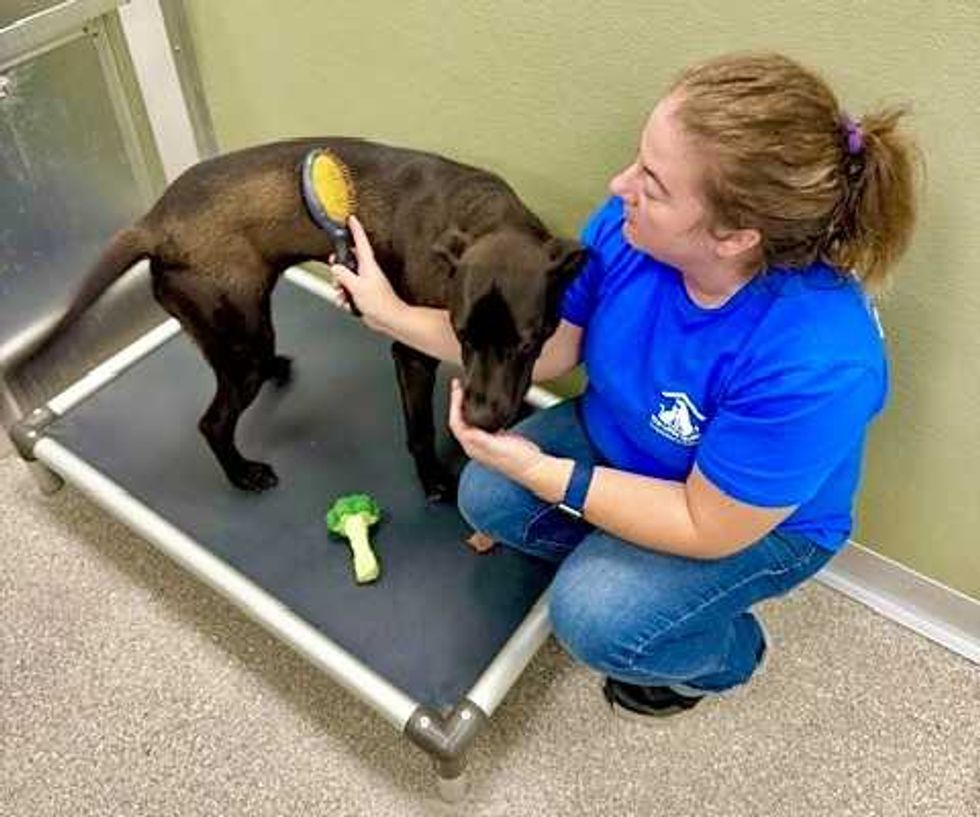 Tiffany Lemelin, shelter manager, brushing Marsala upon arrival.Provided
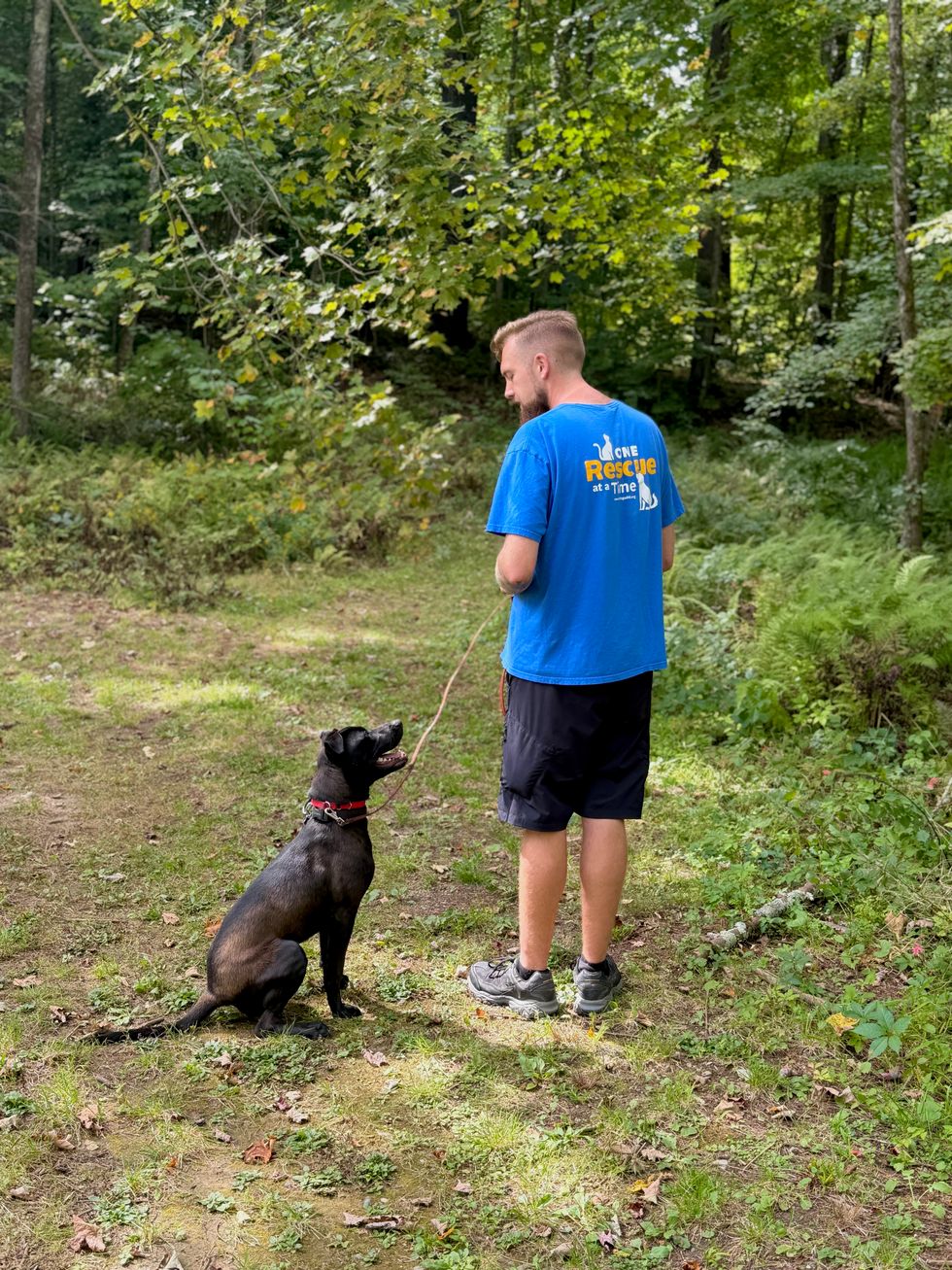 Michael DeBarba, certified dog trainer working with Marsala.Jennifer Almquist
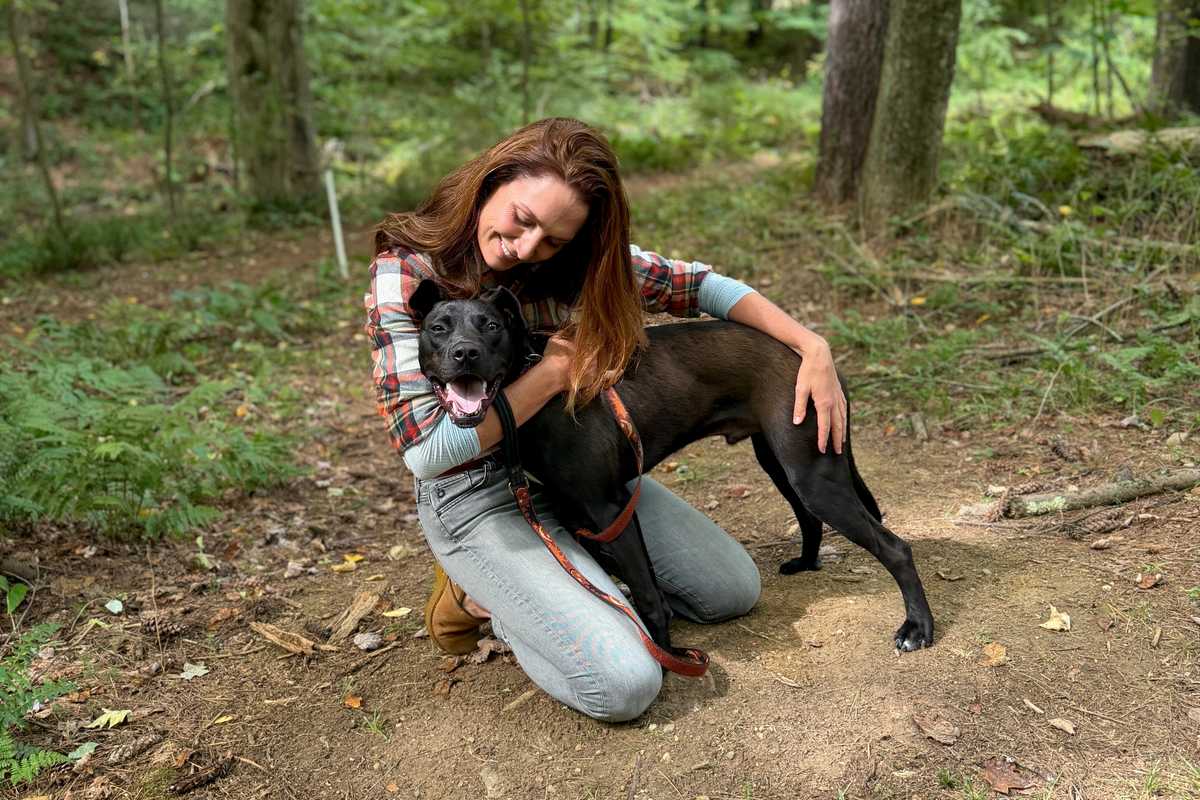 Marsala wins a heart.Jennifer Almquist

 Sadie, center, a Carolina dog, plays with her friend Negra, a terrier mix. Bella Linda, the small poodle, has since been adopted.L. Tomaino
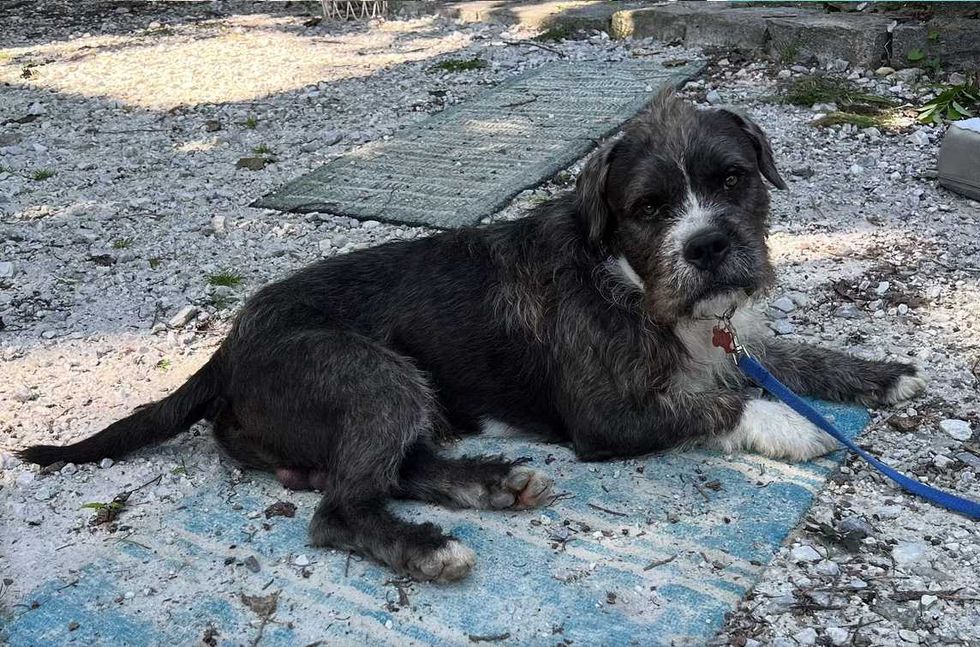 Wesley, a young, exuberant mix, is looking for an active home.L. Tomaino
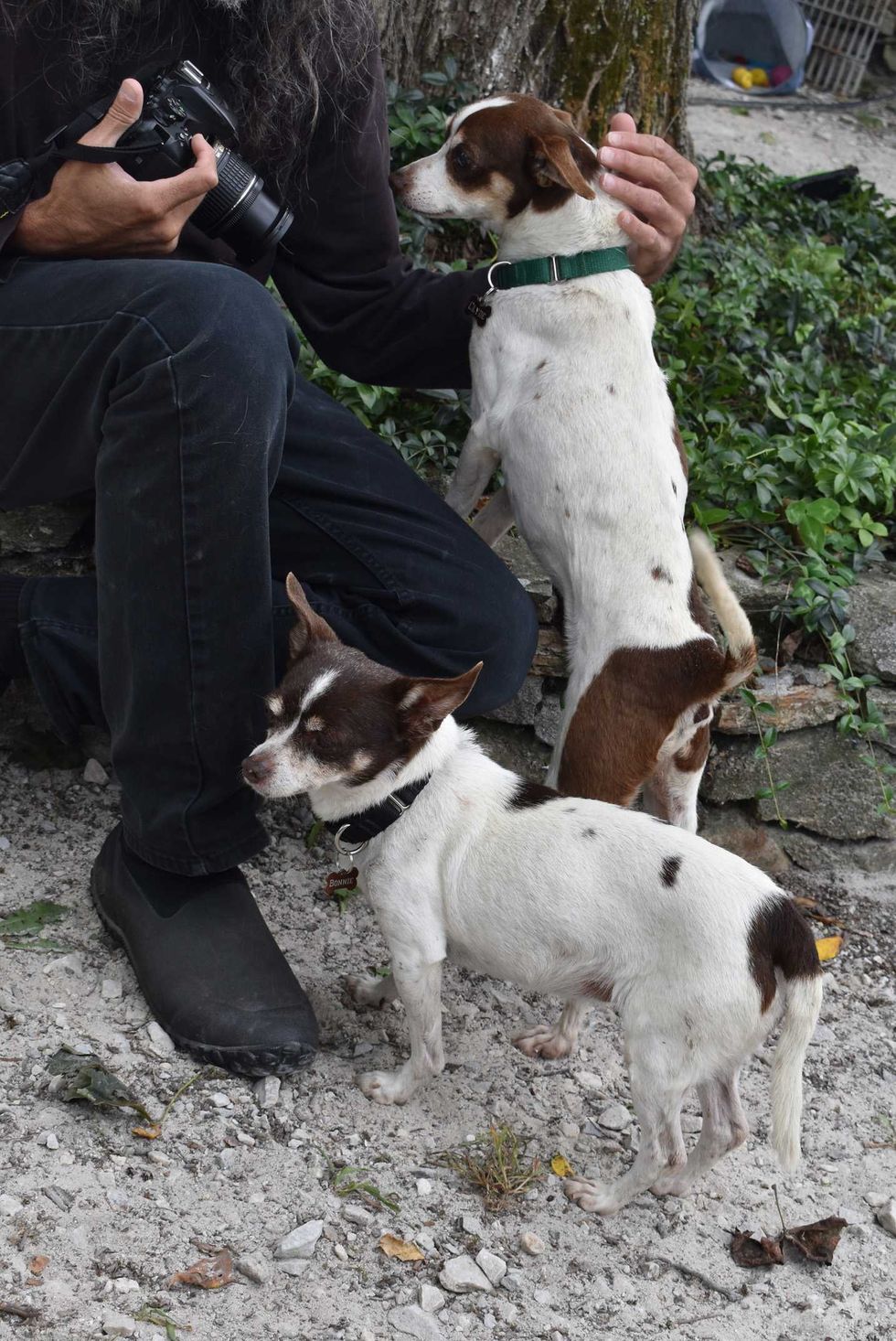 Bonnie and Clyde, an affectionate terrier pair.L. Tomaino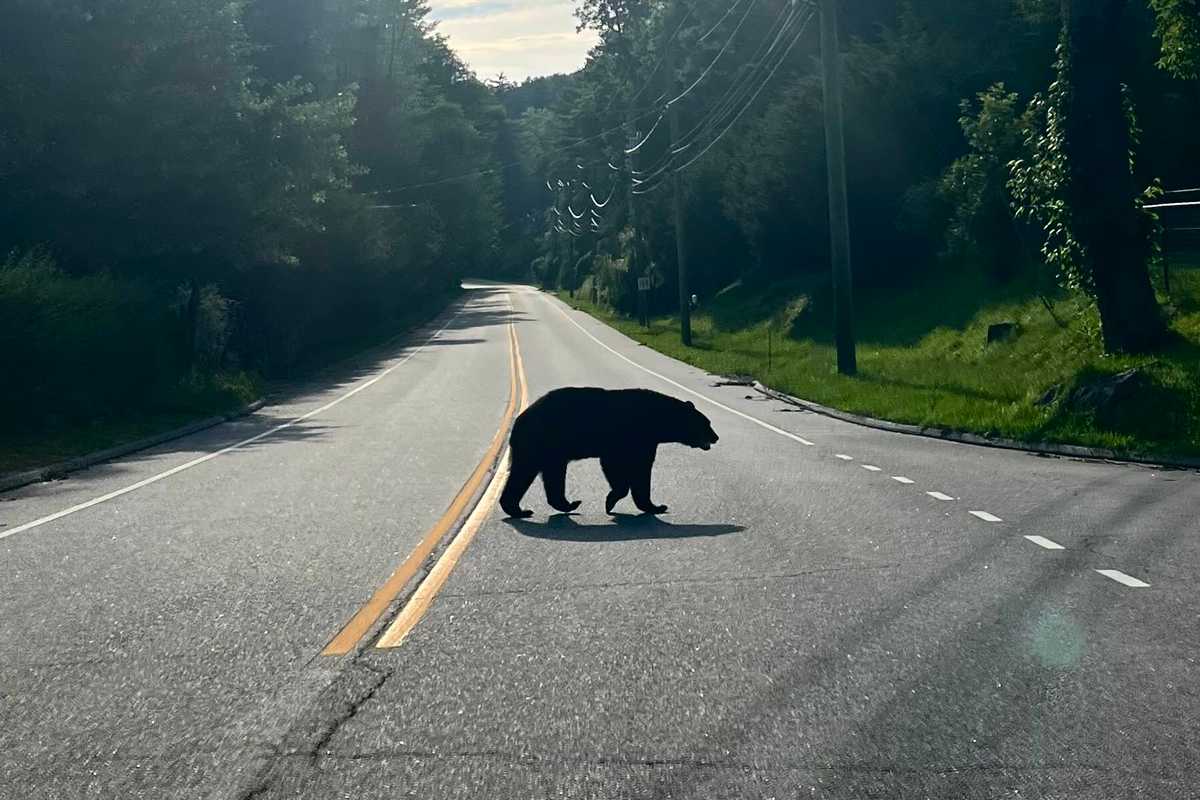

 Provided