Thank you!
Your support is sustaining the future of local news in our communities.

Local garden centers spotlight keystone plants

Local garden centers spotlight keystone plants

Eric Mendelson, owner of Salisbury Garden Center, stands with a selection of keystone native plants now available through a partnership with Homegrown National Park.

Michelle Alfandari

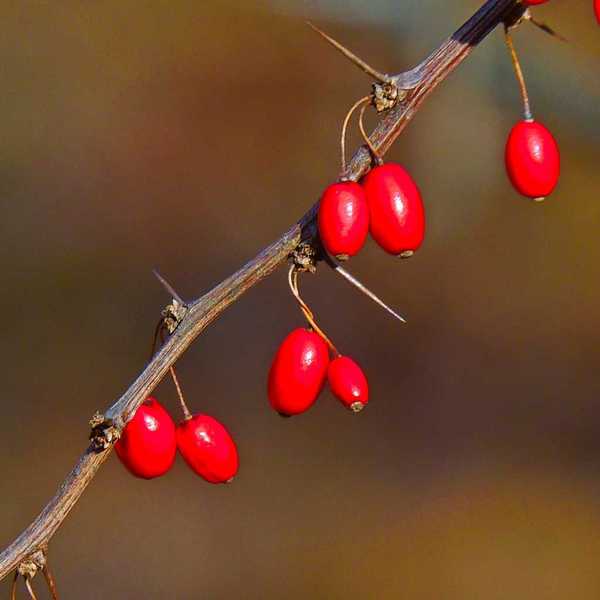
The Ungardener from May 13 was about a specific group of native plants called keystone plants. These are the ecosystem workhorses of our environment; they are essential to the survival of many animals that rely on them for food. Nutrition in this case includes, but goes beyond, nuts and pollen. It is the leaves of keystone native plants that make them superheroes. These leaves are essential to the survival of butterfly and moth caterpillars that, in their larval state, will eat only the leaves of very specific native plants.

And in this case, eating leaves is a good thing because caterpillars are relied upon by birds to feed their hatchlings. A single baby bird will be fed approximately 3,000 caterpillars from hatching to fledging; for most species, caterpillars are the sole source of food until they leave the nest. As native plants decrease, which they rapidly are, so do the numbers of caterpillars that rely on them. And as caterpillars decrease, so do the numbers of birds that rely on them.

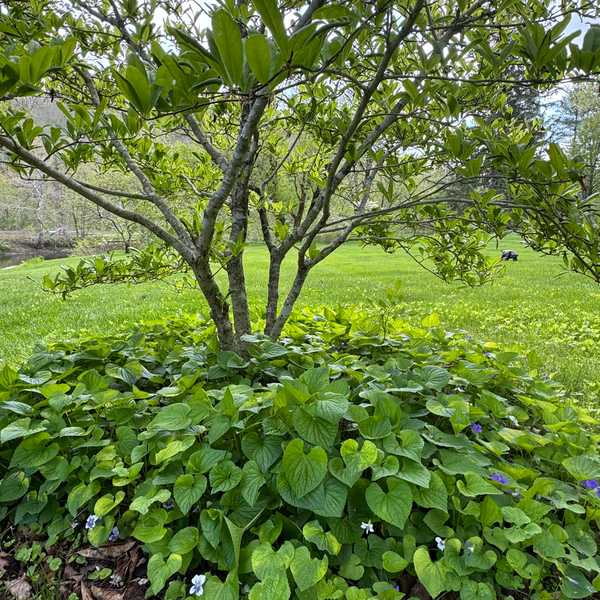
Planting keystone species goes a long way toward restoring food webs: a serviceberry, or shadblow tree, supports 119 caterpillar species, pussy willow supports more than 400 and oak supports more than 500. While these particular plants are not hard to find in nurseries, other keystone plants, such as highbush blueberry and smooth blue aster, can be difficult to find at retail. Nurseries and garden centers tend to favor showier plants with greater shelf presence.

I dwell on the topic of keystone plants because Homegrown National Park, the organization co-founded by scientist and author Doug Tallamy, whose research on caterpillars led to our understanding of native plants’ role in food webs, and Sharon resident Michelle Alfandari, is partnering with three garden centers in the Northwest Corner to specifically promote Tallamy-designated keystone plants. There it is — a solution, and a local one at that!

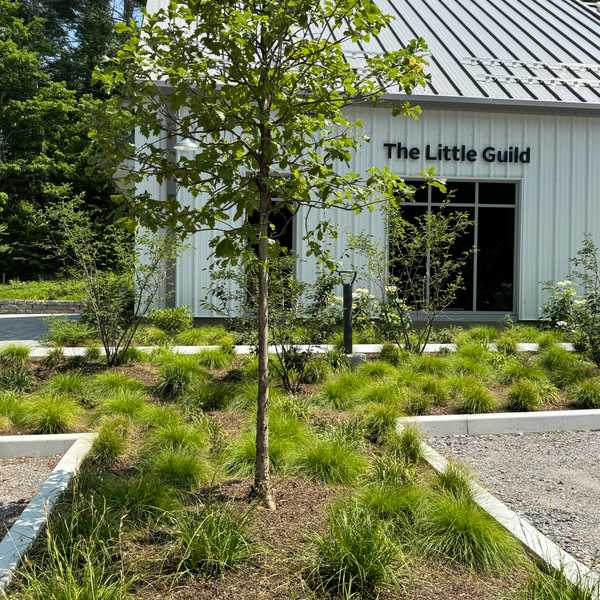
Ward’s Garden Center in Great Barrington, Salisbury Garden Center and Paley’s in Amenia are now carrying ample inventory of beautiful keystone trees, shrubs and flowering plants in addition to the native plants they regularly stock.

“Every year we have seen an increase in customers asking for and buying native plants, so this partnership with Homegrown National Park is a great extension of the demand we are already seeing,” said Eva Ward of Ward’s Garden Center.

When you arrive at one of these garden centers — and I hope you will go this week — look for the “Homegrown National Park Native Plant Center” banner. Individual plant signs help inform customers about each keystone plant: what it looks like in bloom, its best growing conditions and why it is critical to butterflies, birds and other wildlife, including humans.

At Paley’s, owner Sarah Coon finds the signage a big step forward.

“Our customers and staff can now easily identify the native plants that will thrive in their gardens,” she said.

QR codes can be scanned for more information about each plant and to get on the HNP Biodiversity Map, which documents the number of people and acres being transformed through native plantings. The map currently records nearly 50,000 people committing more than 170,000 acres to native planting.

For Homegrown National Park, this program is a pilot it would like to expand nationally.

“A core objective of HNP is to make it easier for people to get started and making it easy to shop for productive native trees, shrubs and perennials does just that,” said Alfandari. “The leaders of these garden centers are visionary catalysts for positive change. They are passionate about making a difference and spreading the facts about native plants to their customers.”

For more information, visit homegrownnationalpark.org

Dee Salomon ungardens in Litchfield County.
Latest News

Join us for

Join us for


Keep ReadingShow less
Sam Lardner returns to the Northwest Corner for Vecinos Seguros 2 benefit

Sam Lardner and Barcelona will play a benefit for Vecinos Seguros 2 at Salisbury Congregational Church on Friday, July 24.

Virgo Martinez

On Friday, July 24, musician and educator Sam Lardner and his band, Barcelona, will take the stage at Salisbury Congregational Church for a benefit concert supporting Vecinos Seguros 2, an all-volunteer organization that provides emergency assistance and rapid-response support to immigrant families in Northwest Connecticut affected by U.S. Immigration and Customs Enforcement activity.

Lardner, who attended and later taught at The Hotchkiss School in Lakeville before moving to Spain in 1997, still considers the Northwest Corner his home in the United States. “It’s such a special place,” he said.

Keep ReadingShow less
Karina Powers and the power of tradition

Karina Powers teaches traditional dances from Mexico in Millbrook.

Lucia Iandolo
This is an art and the arts unite nations.
—Karina Powers

Karina Powers began dancing at 4 years old. A professional dancer, singer, performer and Mexican folklore dance professor from Baja California, Mexico, she is the youngest of three sisters who were all involved in the arts. Powers now teaches traditional Mexican dances to adults through her company, Compañía De Danza Folklórica Regional Mexicana, in Millbrook. She said she has a strong passion for the history and art that exist within the dances she teaches, and she hopes to instill that passion in her students.

“Many of them have never danced this type of dance,” said Powers. “They’re from Mexico, but they came to the United States at a young age to work. They have that dream to learn, and now they have this opportunity.”

Keep ReadingShow less
google preferred source

Want more of our stories on Google? Click here to make us a Preferred Source.

Across generations at Litchfield Jazz Festival

Bucky Pizzarelli and Brandon Goldberg at the Litchfield Jazz Festival in 2017.

Lindsey Victoria Photography

The Litchfield Jazz Festival opens its 2026 season on Friday, July 24, at the Frederick Gunn School in Washington, Connecticut. The evening will feature a gala and a concert led by saxophonist Don Braden featuring the Litchfield Jazz Fest Dectet.

The festival began in 1996 and has been going strong ever since. The list of past performers reads like a who’s who of modern jazz greats, including Christian McBride, Soulive, Joshua Redman, Dave Douglas, Brad Mehldau and John Scofield, all of whom helped revive the genre for a new generation of fans at the turn of the millennium. Vocalists like Diana Krall, Dionne Warwick and Dr. John have made appearances as well. And, of course, the festival has been graced by established masters like saxophonists Sonny Rollins and Wayne Shorter; guitarist Bucky Pizzarelli; bassist Rufus Reid; drummers Roy Haynes and Tito Puente; the Preservation Hall Jazz Band; and pianists Dave Brubeck and local legend Ahmad Jamal.

Keep ReadingShow less
No grumbling here: Children’s theater camp returns

Danny Saed, assistant director of “Pinocchio”; his mother and co-founder of Grumbling Gryphons Leslie Elias; theater arts camper Joyce Sun; artist and counselor Natalie Resto; and Steven Sun, Joyce Sun’s father.

Jack Sheedy

Leslie Elias wants you to understand something about the group she calls Grumbling Gryphons Traveling Children’s Theater: “I like to say that we try not to grumble.”

For 46 years, she has used the nonprofit to educate and entertain children in the performing arts. Summer after summer, young campers learn about acting, singing, mask-making, costume-making and scenery painting. This year, as in years past, a five-day theater arts camp will culminate in a live performance of one of Elias’ original plays, guaranteed, she hopes, to quell all grumbling.

Keep ReadingShow less

Sea bass and shrimp gumbo

Sea bass and shrimp gumbo

Sea bass and shrimp gumbo

Bobby Graham

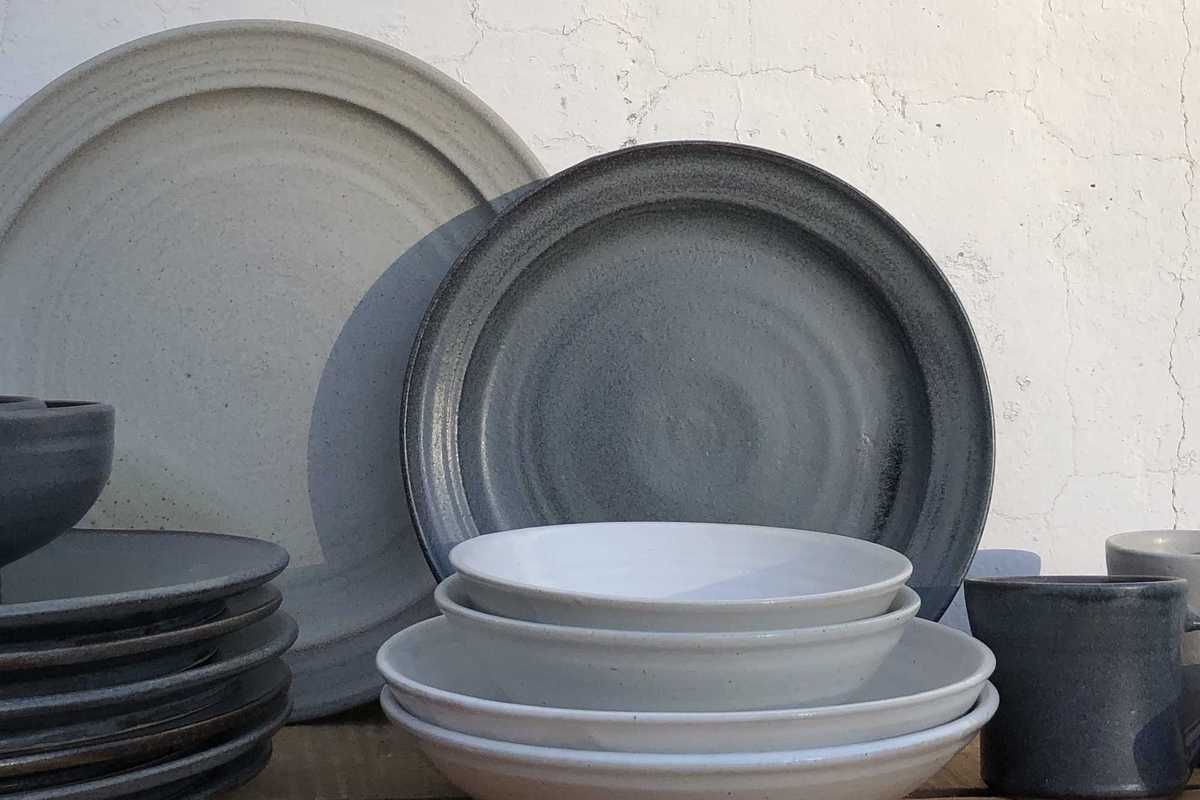
Each month, Dugazon owners Bobby Graham and Matthew Marden share a recipe inspired by the traditions, stories and sense of welcome at the heart of their shop in Sharon, Connecticut. Visit Dugazon at 19 W. Main St. Wednesday-Sunday, 11 a.m. to 5 p.m. and online at dugazonshop.com.

This month we’re sharing one of our favorite comfort foods: sea bass and shrimp gumbo. While gumbo has a reputation for being a labor of love, this version skips the traditional roux, making it surprisingly approachable. The ingredient list may seem long, but once everything is prepped, it comes together quickly, rewarding you with a rich, flavorful bowl that’s perfect any time of year. Many of the pantry staples you’ll need for this recipe can be found right here at Dugazon.

Keep ReadingShow less
google preferred source

Want more of our stories on Google? Click here to make us a Preferred Source.

google preferred source

Want more of our stories on Google? Click here to make us a Preferred Source.