This brief period in the spring, before the mosquitoes and poison ivy proliferate, is irresistible to me. I want to do everything all at once: plant, remove invasives, examine what is coming into leaf and tend to plants that need protection, whether from deer or downy mildew.
Amid the nonstop gardening work, I recently made time to join a tour of two nearby gardens. Each had a fascinating history, and we looked at photos to see how much had changed and what was still there and flourishing, including a stand of large yellowroot with delicate brown-and-yellow flowers that look like a cross between an orchid and a lilac. It has been there for decades, a lesson in successful gardening with native plants.
As we toured, I overheard someone grumble about having too much wild strawberry in their garden. I secretly laughed, as I have worked for several years to encourage the spread of this sweet plant with its pert white flowers and miniature fruit. I have planted it under trees, encouraged it along woodland paths, and sat on the edges of the lawn for hours pulling out the very similar mock strawberry, Potentilla indica, to allow the native one to proliferate.
One of its characteristics is that it spreads readily, given room. As a groundcover, it also controls erosion. According to Native Plant Trust, Fragaria virginiana supports 75 different species of butterflies and moths throughout their life cycles and supports numerous other insects, as well as mammals and birds. This makes it a “keystone” plant, a designation that means without it, an ecosystem is vulnerable to collapse. That is a big responsibility for a small plant.
One person’s trash is another’s treasure. On the very same garden tour, another person was extolling the flowering lily of the valley, Convallaria majalis, situated in a stone-walled bed. I used to feel the same way until I noticed large swaths of it growing in the woods.
This romantic and fragrant flowering plant is a wolf in sheep’s clothing. Its deep rhizomatous roots crowd out native groundcover neighbors. Lily of the valley is highly toxic to mammals and, as a nonnative, supports only a few insects that use its pollen. I have tried digging and pulling it out to no avail. This year, I am using a strimmer, aka weed whacker, even though I risk damaging nearby plants. I am hoping that after doing this a few times over the next several years, I will succeed in getting rid of it. I will keep you posted.
Native groundcover may not be our first thought when we garden, but it is an easy and fundamental way to tie together a garden bed, especially when garden plants are still immature, while helping nature at the same time.
In addition to wild strawberry, another keystone groundcover in our area is violet; it is the exclusive larval host plant for dozens of fritillary butterfly species. They are flowering now in numerous shades of their namesake color. I find them to be a native treasure, too long taken for granted and eschewed for fancier plants.
In shady areas, two gorgeous native options are foamflower, Tiarella cordifolia, which has a delightful early spring flower — a 4-inch spike of tiny white foamy blooms — and wild ginger, Asarum canadense, a dignified option that creates a bed of overlapping semicircles completely covering the soil beneath.
If you are looking for something that forms a clump, the species Heuchera americana and Heuchera villosa are known as alumroot or coral bells. Finding the original species version can be difficult, as there is an abundance of colorful cultivars at nurseries. Aside from being too flashy for my taste, the versions with red and purple tones will be largely ignored by the native insects we are trying to protect. Stay away from those and stick with the green-leaved versions.
Where do you find these and other useful and beautiful plants? The Cornwall Garden Club is hosting its annual native plant sale Saturday, May 23, from 11 a.m. to 1:30 p.m. on the terrace at The Pink House Restaurant, 34 Lower River Road in West Cornwall. I will be there, as will Michelle Paladino from Lindera Nursery and Heidi Cunnick from the Cornwall Conservation Commission. Come visit and say hello.
Dee Salomon ‘ungardens’ in Litchfield County.

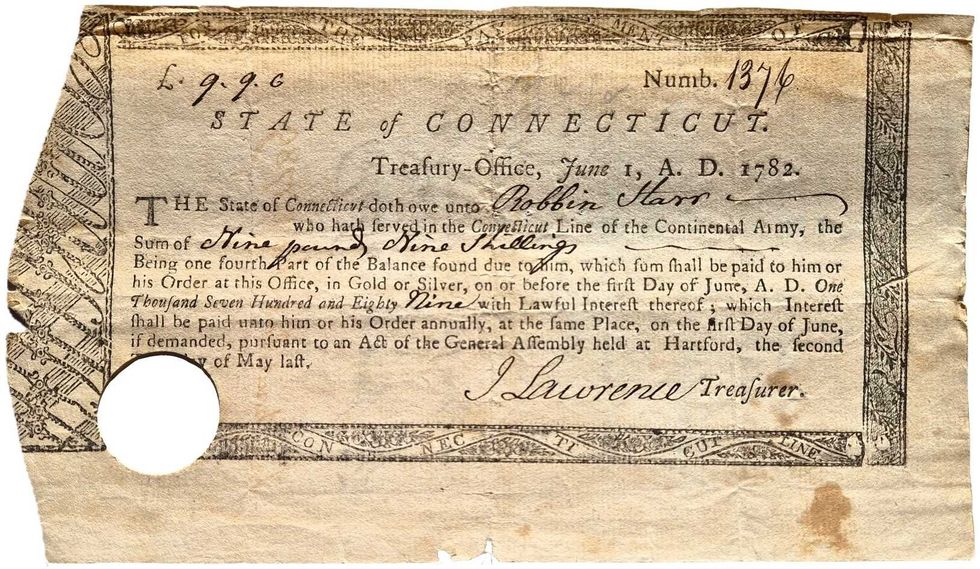 Pay Bill for Robin Starr’s service in the Continental Army.Courtesy the Alex Breanne Corporation
 John Mills speaking at Quinnipiac University.Courtesy the Alex Breanne Corporation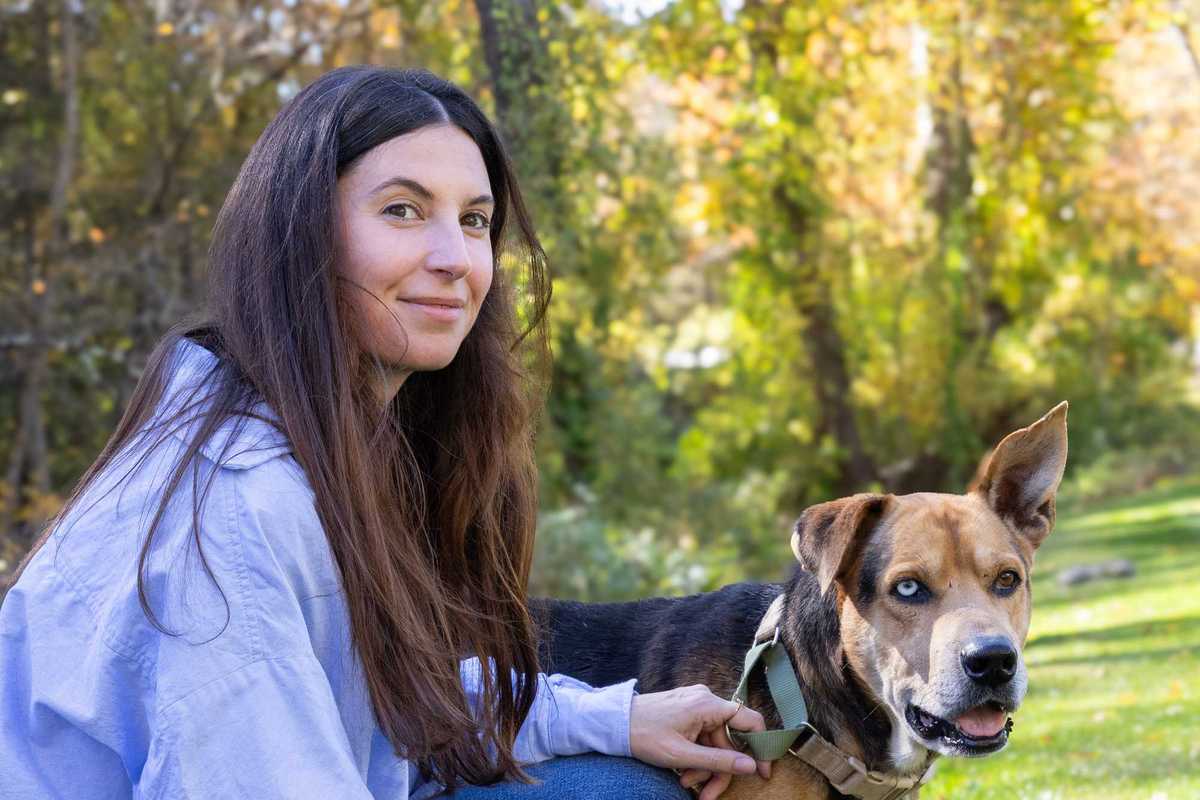
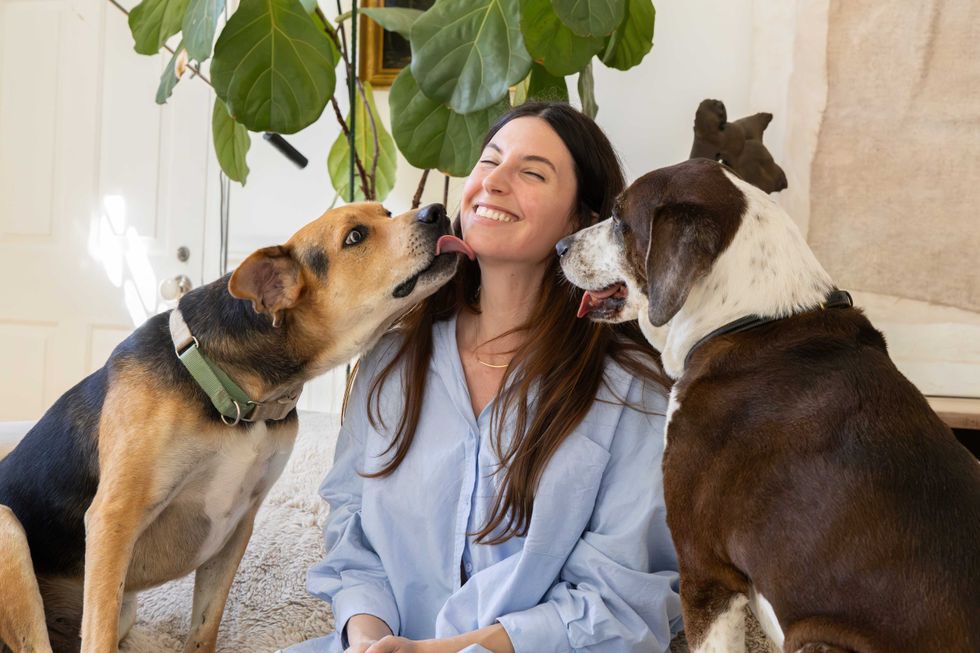 Stephanie Saetta,with her rescue dog George and Blue (left), a shepherd mix awaiting his forever home.Madi Long
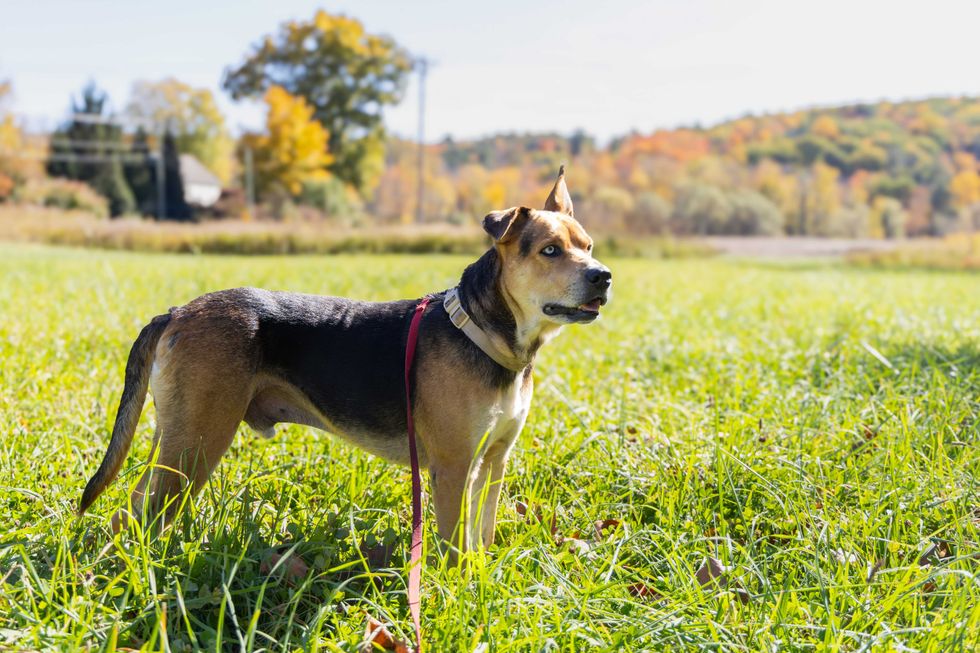 Blue, a 7 year-old Shepard mix, is waiting for his forever home. Madi Long