HUDSON VALLEY — Dutchess County residents have grown used to the convenience of “single stream” recycling programs where all recyclables can be placed into a single container for collection. What happens to that material after it leaves the curb wasn’t something most people worried about, until now.
For years, recyclables collected by U.S. haulers, like Welsh Sanitation in Amenia, were shipped to China for processing. China was anxious to grow its economy by any means possible, and that included importing other countries’ trash and turning it into raw materials to power its factories.
That changed in 2018 when China announced that it was restricting imports of foreign refuse, stating that the material it had been receiving was too dirty and contaminated. The effects of this announcement have been dramatic.
U.S. based recycling firms like Republic Services in Beacon, where Welsh delivers collected recyclables, are struggling to keep up. Republic sorts those materials before distributing them to plants that can perform the actual recycling, such as converting bundles of crushed plastic bottles into clean reclaimed plastic pellets used to make a variety of products.
Sorting single stream recyclables is a dirty job performed by machines when possible and by people when the trash outsmarts the machines.
According to industry publications, consumers too often try to recycle things the system isn’t prepared to handle. Plastic bags are the number one problem; they’re not recyclable and when they get to the recovery facility they jam up the equipment, causing expensive stoppages and repairs. Other examples of things that often find their way into recycling bins, but shouldn’t, include wood, light bulbs and compostable material, including dog feces.
Americans want recycling to be convenient, and that means not having to think about what goes into the container. But thoughtless behavior by consumers is having real environmental and economic ramifications across the country. In many locations, China’s refusal to accept America’s dirty waste is causing communities to burn or landfill curb-collected recyclables. Welsh recently added a recycling fee to its customers’ bills to account for the extra costs imposed by processors.
The future is uncertain for recycling in the Hudson Valley, as it is for the rest of the country. Welsh has recently switched to “dual stream” recycling for commercial customers, who are being asked to sort paper, cardboard and other recyclables into separate bins in order to reduce cross-contamination. Dual stream might become the norm for home recycling as well. Or, if consumers don’t do their part to clean up the waste, stream recycling might become a thing of the past, driving up costs and forcing the creation of many new landfills.
So, what is the solution to the recycling problem? It’s up to the consumer. If people can take a few minutes to make sure that what they’re tossing in the recycling bin is clean and really belongs there, the problem could perhaps be solved. In other words, if in doubt, throw it out.
Welsh was contacted numerous times for input on this article, but declined to be quoted.
For information about what is and is not recyclable in the Hudson Valley, go to www.royalcarting.us/welsh-recycling.
Bill Kish is a software engineer and an environmentalist who resides in the town of North East and serves on the North East Planning Board and the North East/Millerton Comprehensive Plan Committee.
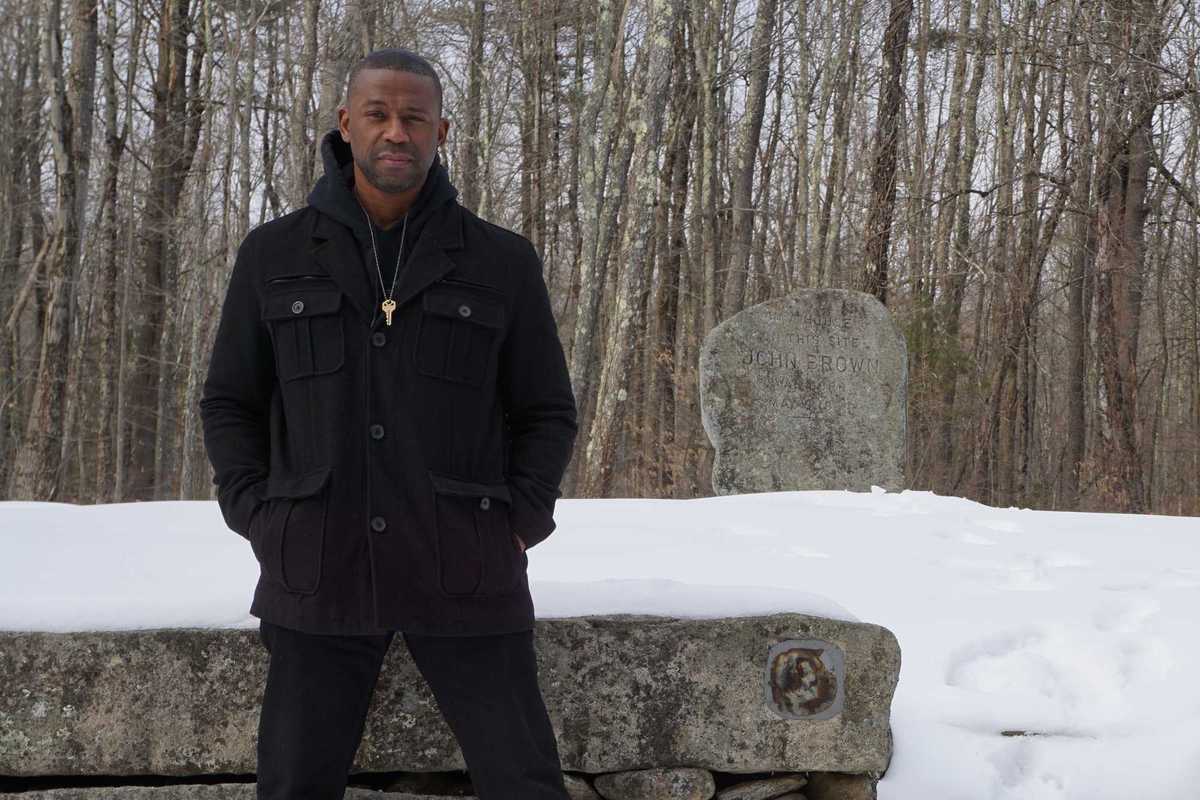
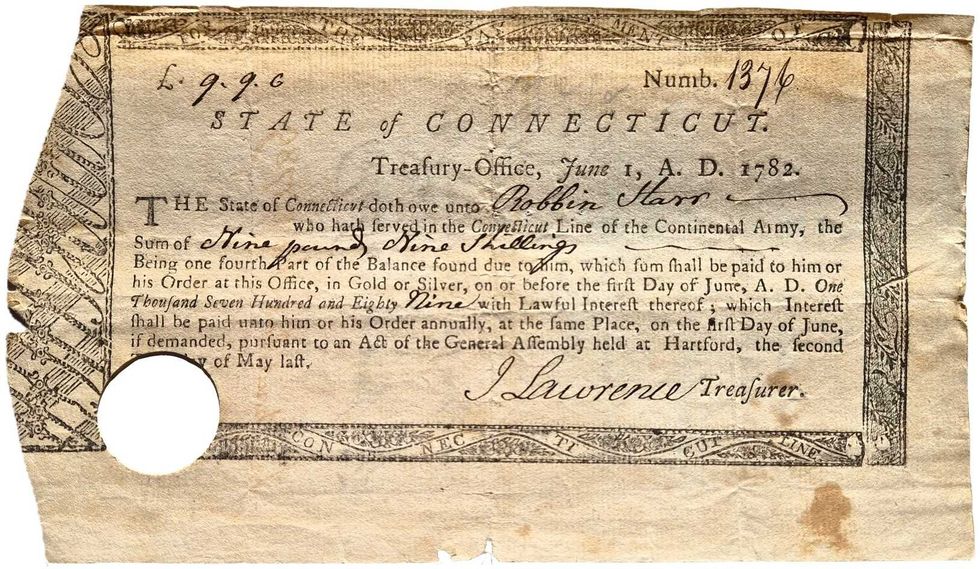 Pay Bill for Robin Starr’s service in the Continental Army.Courtesy the Alex Breanne Corporation
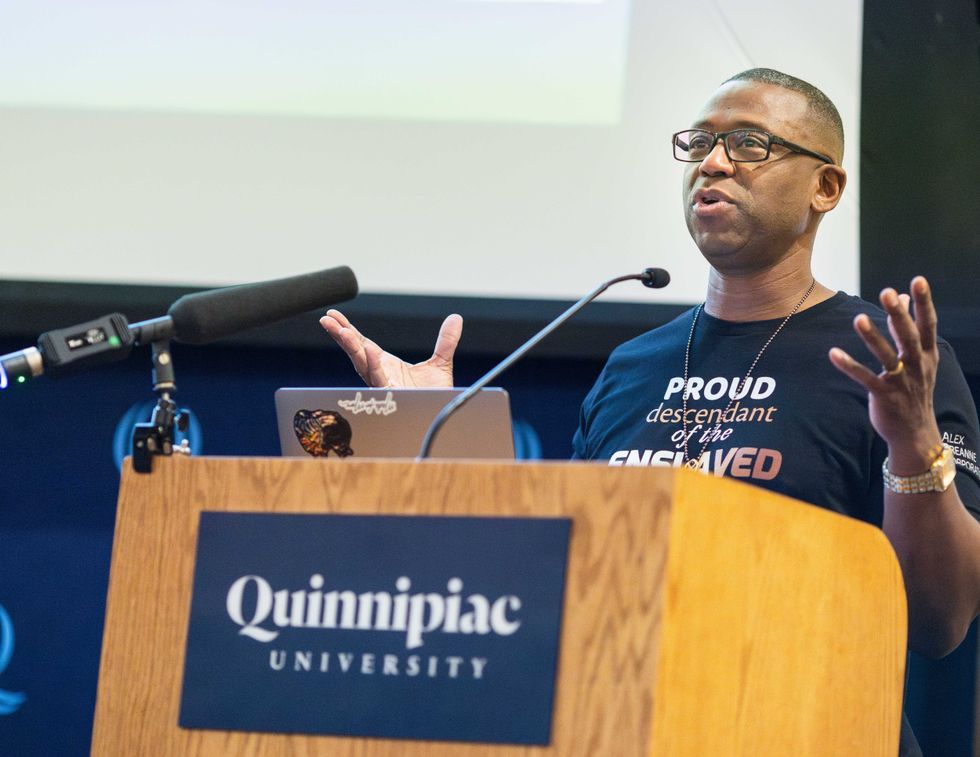 John Mills speaking at Quinnipiac University.Courtesy the Alex Breanne Corporation

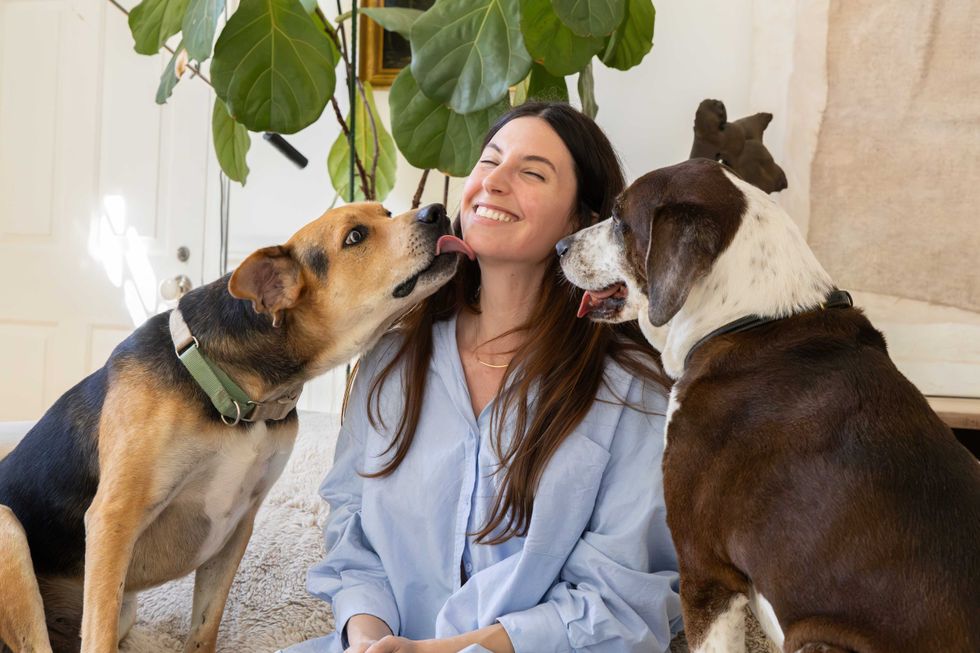 Stephanie Saetta,with her rescue dog George and Blue (left), a shepherd mix awaiting his forever home.Madi Long
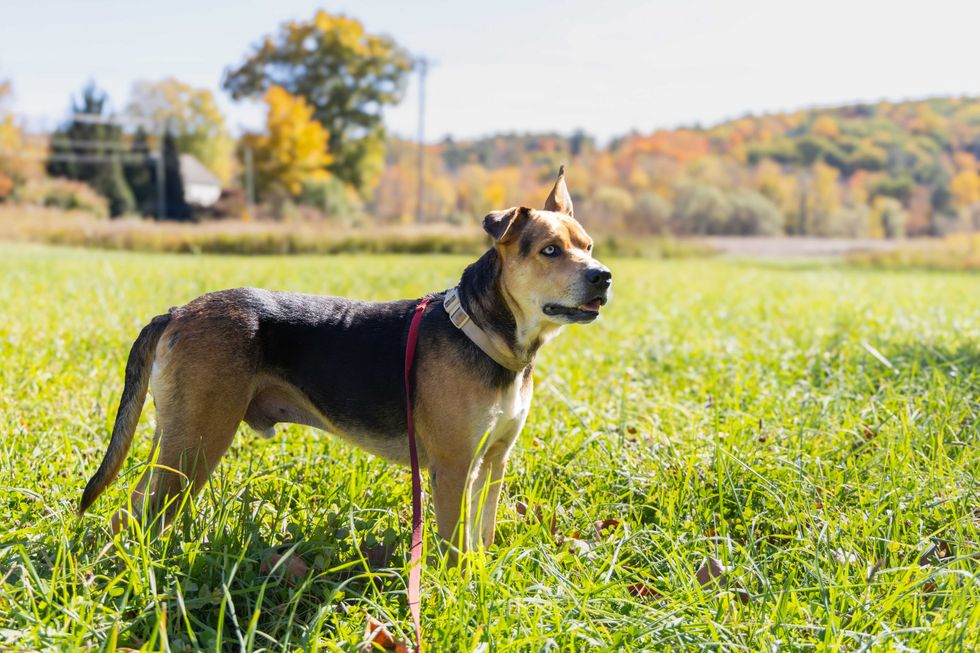 Blue, a 7 year-old Shepard mix, is waiting for his forever home. Madi Long