CORNWALL — Lorraine (Nye) Eliot, 95, a longtime summer resident of Cornwall Bridge, died peacefully March 22, 2011, in Seattle, Wash., after a long, full life. Lorraine was born in New York City on Sept. 13, 1915, and lived there through her years at New College, which was an experimental precursor to Barnard College. She was the daughter of Helen Mounfortt and Frank Wilson Nye, and the granddaughter of two writer-journalists; Wade Mountfortt, who was an editor for the New York Times, and Bill Nye, who founded the Laramie Bee.As a junior in college, she taught English in the village of Salin-les-Bains, in the Jura Mountains of France. There she met and married Jean Gaudefroy-Demombynes, a musician, composer, writer and teacher. They survived the German occupation of France in the village of Cosne-sur-Loire with two German soldiers billeted in their home. Her two children, Doriane Solange and Jean Patrice were born there in 1943 and 1944. Lorraine earned a doctorate in French literature from the Sorbonne, “In my spare time,” as she used to say. Her thesis, La Femme dans L’Oeuvre de Maupassant, was published by Mercure de France in 1943. After the war, and a year of teaching at the University of Western Ontario, Lorraine returned to New York City, a single mother of two. Seeking relief from the heat of the city, she came across a 100-year-old farmhouse in Cornwall Bridge which became the family summer home. She took a job with the Central Intelligence Agency in 1953 and advanced rapidly to a position managing American Friends of the Middle East until it was exposed by a Ramparts Magazine article in 1976. She retired from the CIA with one of the highest ranks any woman had achieved at that time. Lorraine moved full time to Cornwall Bridge where she became involved in the community by joining the United Church of Christ Congregational and writing articles on local artists for The Lakeville Journal. She married her former boss, Mather Eliot, in 1988. On a trip to Rome she happened across “The Awakening” by Kate Chopin, which led to a fascination with the writer and ultimately to writing her biography, “The Real Kate Chopin,” which was published in 2002. She clearly identified with Kate Chopin and the strong- willed and fiercely independent women in her work. Lorraine and Mather spent their last years at University House in Seattle. She is survived by her daughter, Doriane Demombynes Tippett of Rancho Palos Verdes, Calif.; her son, Patrice Gaudefroy-Demombynes of Seattle; her grandchildren, Justin, Gabriel, Jolie, Brett, Jasper and Roland; and seven great-grandchildren who knew her as “Nou-Nou.” A memorial gathering to celebrate her life will be held in Cornwall Bridge sometime in the spring.
Latest News
Legal Notices - October 20, 2026
Lakeville Journal

TAX COLLECTOR TOWN OF SALISBURY CT
LEGAL NOTICE
Pursuant to Sec. 12-145 of the Connecticut Statutes, the taxpayers of the Town of Salisbury are hereby notified that the second installment on the Grand List of October 1, 2025 is due and payable on October 1, 2026. Payments must be received or postmarked by November 2, 2026. If said Real Estate and Personal Property taxes are not paid on or before November 2, 2026 interest at the rate of 1 1/2% (18% per year) will be added for each month or a fraction thereof which elapses from the time when such tax becomes due and payable until the same is paid. Minimum interest charge is $2.00. Taxes can be paid by mail addressed to: Tax Collector, P.O. BOX 338, Salisbury CT 06068 or Town Hall, 27 Main Street, Salisbury CT. There is a drop box in the vestibule of the Town Hall available 9am-4pm, Monday - Friday or the 24-hour drop box on the back side of the building off Factory Street. Tax Office is open Mon and Wed, 9am-4pm and Friday 9am - 3pm closed for lunch 12:30pm -1:30pm. The Town is urging taxpayers to use the option to pay by credit card or e-check. Please go to the Town website salisburyct.us, View/PayTaxes Tab. Dated at Salisbury, CT this 2nd day of September, 2026. JoAnne D. Dodge, CCMC Tax Collector
09-24-26
10-08-26
10-22-26
NOTICE TO CREDITORS
ESTATE OF STEPHEN MICHAEL BRANDT
Late of Lakeville (26-00394)
The Hon. Jordan M. Richards, Judge of the Court of Probate, District of Litchfield Hills Probate Court, by decree dated September 28, 2026, ordered that all claims must be presented to the fiduciary at the address below. Failure to promptly present any such claim may result in the loss of rights to recover on such claim. The fiduciary is: Maureen F. Dell 172 Farnum Road Lakeville, CT 06039 Jordan Bergs Clerk
10-22-26
Legal Notice
CONNECTICUT -- All Registrars of Voters' offices in Connecticut will hold a statewide voter registration session from 9:00 AM to 8:00 PM. This is the last regular session for admission of electors who have turned 18, become a US citizen, or moved to Connecticut. This deadline includes registration by mail which must be post marked by this day, registration at DMV by close of business, Online registrations must be completed by 11:59 pm or in person by 8:00 pm. Residents of Norfolk can register at Norfolk Town Hall, Registrar's Office, 19 Maple Ave, Norfolk CT November 2, 2026 CONNECTICUT -- All Registrars of Voters' offices in Connecticut will hold a statewide voter registration session from 9:00 AM to 5:00 PM. This is a limited registration session for admission of electors who have turned 18, become a US citizen, or moved to Connecticut since October 16th of this year. This registration session is also open to members of the Armed Forces, and former Armed Forces members who have been discharged within the calendar year. The Norfolk CT session will be held at Norfolk Town Hall, Registrar's Office, 19 Maple Ave, Norfolk CT 06058
10-22-26
10-29-26
Lelah M. Somers
Lakeville Journal
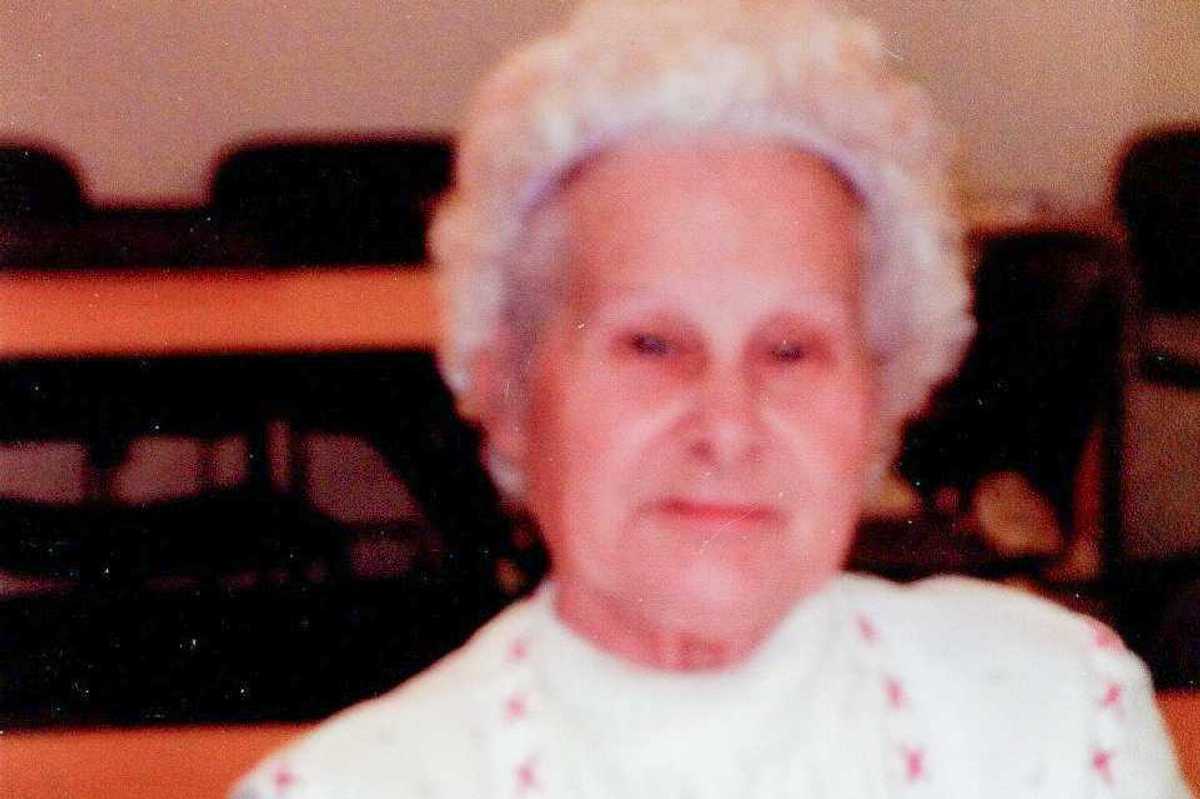
DOVER PLAINS — Lelah M. Somers, 97, a longtime Dover Plains, New York, resident, passed away peacefully on Saturday, Oct. 10, 2026, at Ferncliff Nursing Home in Rhinebeck, New York. Lelah was born on July 3, 1929, in Pawling, New York, to the late Byron and Lelah (Watts) Brill. Lelah grew up in Pawling and on Nov. 22, 1946, in Pleasant Valley, New York, she married James F. Somers, Sr. Mr. Somers passed away on Sept. 3, 1970. Lelah worked for New York State as a therapy aide for thirty-years and as a senior companion for New York State for thirty-two-years, with specific care provided to the mentally disabled.
She enjoyed taking care of the mentally disabled, was a wonderful mother to her four children, always putting her family first. She is survived by her son, James F. Somers, Jr. and his wife Donna of Dover Plains; two daughters, Doreen Monica of Wingdale, and Frances “Fran” Horton of Dover Plains, who was also her caregiver for many years; seven grandchildren, Debbie, Margie, Leah, Stephanie, Deirdra, Benji and Jimmy and several great grandchildren and great-great grandchildren, and many nieces and nephews, and her step-son, Kenny Elliott. In addition to her parents and husband, Lelah was predeceased by her daughter and son-in-law, Carol “DeeDee” Maile and Gil Maile, her son-in-law, Stephen Monica, and her son-in-law, Benny Horton as well as her companion of over forty-years, Andrew “Mac” McAlravey and her siblings, Ferris Brill, Eleanor Barryann, Richard Brill, William Brill and Barney Brill.
Lelah was a loving mother and a strong willed and hard-working woman. She was an avid NASCAR fan for many years and traveled with her companion “Mac” up and down the east coast following the sport. Her favorite track was the Daytona International Speedway in Florida that they went to every February to attend the Daytona 500 race. She loved her family so much and she will be dearly missed; she lived a long life and for that her family is deeply grateful.
Graveside services and burial will take place on Friday, Oct. 16, 2026, at 11:30 a.m. at Valley View Cemetery in Dover Plains, NY. Pastor Rick Totten will officiate. A reception in Lelah’s honor will follow at the VFW Post # 5444, 3422 Route 22, Dover Plains, NY. Memorial contributions may be made to the American Heart Association, American Cancer Society or the Alzheimer’s Association Hudson Valley Chapter. To send an online condolence to the family, flowers to the service or to plant a tree in Lelah’s honor, please visit www.conklinfuneralhome.com Arrangements have been entrusted to Scott D. Conklin Funeral Home, 37 Park Avenue, Millerton, NY 12546.
Ronald Decker Jr.
Lakeville Journal
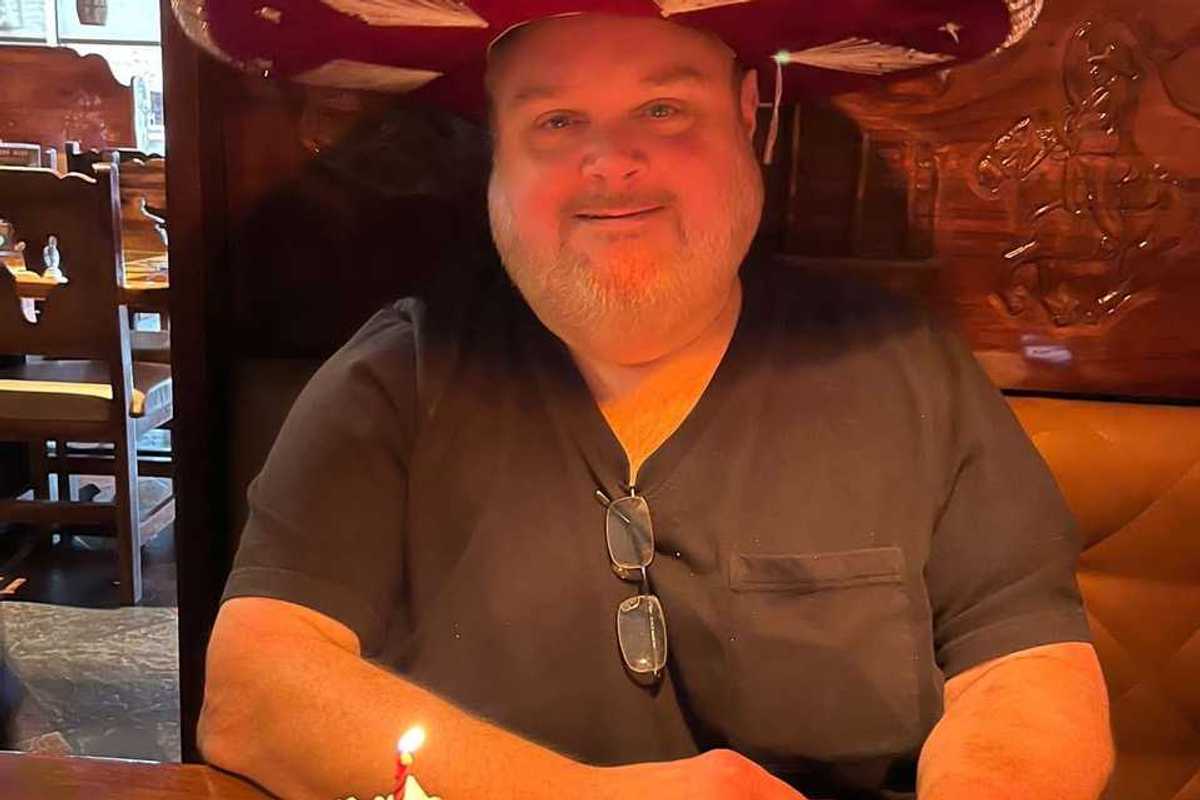
MILLERTON — It is with great sadness that we announce the sudden passing of Ronald Owen Decker Jr. of Millerton, New York on Oct. 6, 2026, at the age of 58.
Ronald was born on Oct. 29, 1967, in Sharon, Connecticut to the late Catherine Spaulding and Ronald Decker Sr.
Known affectionately as Ronnie, he was a beloved chef for many years at various private schools in the Millerton, and Connecticut areas. He enjoyed cooking for others and lending a helping hand to anyone in need. Ronnie cherished spending time with family and making people smile. His kindness always shined bright.
Ronnie and his brother Steve spent many years together driving tractor-trailers before Ronnie returned to the kitchen.
Those left to cherish his memory include his son, Christopher Johnson, and his partner, Sara LeBaron; two grandsons; his close cousin, John Wilson (JR); his niece, Tiffany Brown, and her spouse, Sean Brown; and his great-niece, Elianna Decker. Ronnie also leaves behind other cousins and great-nieces and great-nephews. His father, Ronald Decker Sr., had other children whom Ronnie leaves behind: Kevin Decker, Dawn Decker, and Heidi Piefer.
Ronald is also predeceased by his brother, Steven Decker; his late wife, Joanne Decker; and Timothy Decker.
He will be dearly missed by everyone who knew him.
A small celebration of life in Ronnie’s memory will be held at a date to be determined.
The Kenny Funeral Home has care of arrangements.

Want more of our stories on Google? Click here to make us a Preferred Source.
Carol McLaughlin Anderson
Lakeville Journal
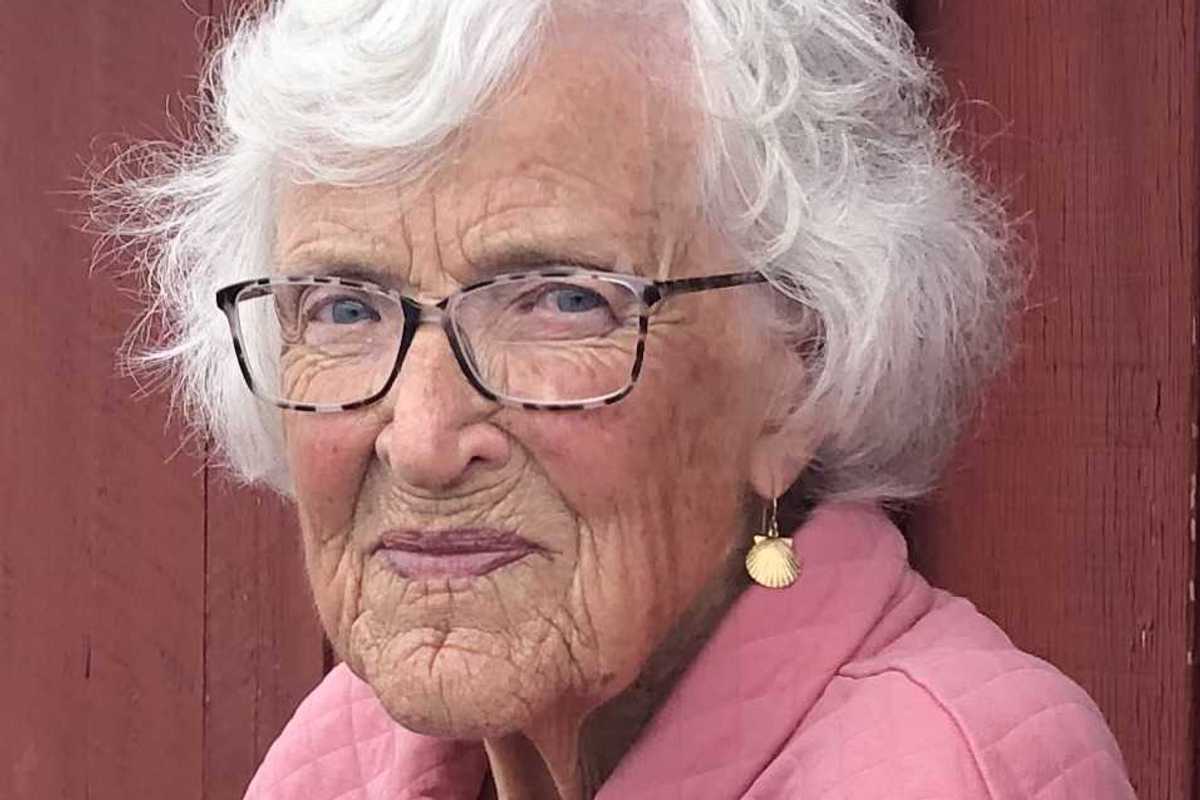
LAKEVILLE — Carol McLaughlin (Fenn) Anderson of Brunswick, Maine, died on Sept. 11, 2026. Carol was the daughter of the late Ray and Carolyn Mary (Everhard) McLaughlin and was predeceased by her sister, Nancy Peck. She was born March 23, 1932, in Ohio and moved to Sharon, Connecticut with her family in 1942. She graduated from Bassick High School in Bridgeport and then attended Connecticut College for Women and completed her education at Connecticut Teachers College in New Britain, earning a Bachelor’s degree in education and Master’s degree in mathematics. She raised her family in Canton, Connecticut and lived in Lakeville, Connecticut until she moved to Maine in 1992.
Carol’s love of nature and being out of doors led her and first husband, Allyn Fenn, to downhill skiing as weekend volunteers for the Catamount Ski Patrol in Hillsdale, New York. She also loved to sail, learning at a girls’ camp on Moose Pond in Denmark, Maine and continuing throughout her life. She explored the waters of midcoast Maine with her late husband, Captain Robert Anderson, and Casco Bay with her family and close friend Bill Hetzel on sailboats big and small.
Carol was endlessly curious and loved to learn. She took classes, read books and articles, traveled, went to museums, and deeply listened to people. She shared her love of the world with others as a volunteer at the Maine Maritime Museum, a train host on the Downeaster, and both an elementary school and adult education teacher. An avid crossword puzzler and knitter, she always found a way to keep both her hands and her mind busy. She was active in her local churches, most recently St. Paul’s Episcopal Church in Brunswick.
Carol’s greatest joy, though, was her family. Carol is survived by her daughter, Deborah Driver, and her husband, Roy; her son, Christopher Fenn, and his wife, Liz; four grandchildren, Krystal Fenn, Dustin Fenn, Kate Driver, and Josh Driver; and two great-grandchildren, Evan and Aidan Miller.
Carol found great delight in little things: a nice cup of tea, a walk, watching the birds, a baked apple or a slice of fresh bread, the view from atop a parking garage in Portland, or a few minutes parked next to the ocean. She knew how to appreciate life’s small pleasures, remarking on one occasion while looking out over Casco Bay after a short cross country ski with her family, “aren’t we lucky.” She will be missed by many.
A private graveside service was held at Salisbury Cemetery in Salisbury, Connecticut on Oct. 14th. Memorial gifts can be made to the Maine Maritime Museum.
Celebration of Life - Dona L. Chilcoat
Lakeville Journal
Family and friends are invited to gather in loving memory of Dona L. Chilcoat at a Celebration of Life on Saturday, November 7, 2026, from 2:00 to 5:00 p.m. at the Lakeville Town Grove.
This informal gathering will be an opportunity to honor Dona’s life, share cherished memories, and celebrate the love and joy she brought to those who knew her.
Please stop by and help us celebrate a life that meant so much to so many.
Classifieds - October 20, 2026
Lakeville Journal
REAL ESTATE FOR SALE
PUBLISHER'S NOTICE: Equal Housing Opportunity. All real estate advertised in this newspaper is subject to the Federal Fair Housing Act of 1966 revised March 12, 1989 which makes it illegal to advertise any preference, limitation, or discrimination based on race, color religion, sex, handicap or familial status or national origin or intention to make any such preference, limitation or discrimination. All residential property advertised in the State of Connecticut General Statutes 46a-64c which prohibit the making, printing or publishing or causing to be made, printed or published any notice, statement or advertisement with respect to the sale or:rental of a dwelling that indicates any preference, limitation or discrimination based on race, creed, color, national origin, ancestry, sex, marital status, age, lawful source of income, familial status, physical or mental disability or an intention to make any such preference, limitation or discrimination
HELP WANTED
Full-time Warehouse and Office positions available in Sharon, CT. We're looking for dependable, self-motivated individuals who are ready to work and take pride in doing a good job. Pay is $22 to $30 an hour, depending on experience. Applicants must have reliable transportation, be dependable and on time every day, be self-motivated and able to work independently, have a positive attitude and good work ethic. Interested? Call Mike or Greg at 800-245-8222 for more information.
The Hughes Memorial Union in West Cornwall seeks an energetic, hands-on Program Manager to lead day-to-day operations for a growing community organization encompassing The Local retail market, the Wellness Collective, two organization-owned buildings and other programs. The role blends nonprofit and financial management, retail leadership and facilities stewardship, and is suited to someone equally comfortable with a spreadsheet, local vendors and makers, consultants, funders, and government officials. If interested, please send a cover letter and resume to: kate.campana@accesschallenge.org and brwhiteford@gmail.com
HOUSE FOR RENT
2 Bedroom House. Millerton, NY. Quiet. 4 miles from town. No Dogs. $2400 monthly, plus utilities. 518-567-8277.
SERVICES OFFERED
Carpenter/Builder/Handy-man David Valyou Renovations, Repairs and Maintenance. Old homes and barns my speciality. Extensive knowledge and experience. 25 years serving NY, CT, MA. Licensed & insured. Based in Canaan, CT. Call or text 917-538-1617 for consultation. David Valyou @yahoo.com
APARTMENTS FOR RENT
3 Room Apartment in Sharon, utilities included. $1800 per month. 860-248-0056



Want more of our stories on Google? Click here to make us a Preferred Source.