NEW YORK STATE — Ambulance care in the Harlem Valley already faces challenges, the worst being the lack of available volunteers to act as Emergency Medical Technicians (EMT) and man local Emergency Medical Services (EMS) units. Now, both volunteer and paid ambulance providers in New York face another potential hurdle: the governor has proposed a provision that would slash the Medicare/Medicaid Crossover Payment for Ambulance Services. That means that, if approved, the secondary Medicaid coverage (which reimburses the remaining balance on the approximately 80 percent Medicare pays, typically amounting to 20 percent) would be eliminated. It would apply to 911 and inter-facility-type calls.
“If this cut goes through like in the governor’s proposed budget, those patients with Medicare/Medicaid crossover — we will no longer get Medicaid copays in those. Because of regulations… it’s lost revenue and there’s no where else to get it from,” explained Mobile Life Support Services, Inc. President and CEO Scott Woebse. “If we don’t have the revenue, we have to cut from somewhere. That equates to fewer ambulances on the road, which equates to longer response times and possibly missed calls.”
Already, ambulance providers receive what Woebse called “poor reimbursement” for Medicaid calls, getting only 3 to 5 percent more per call today than in 1987, despite the fact that the cost of providing care has increased dramatically.
Woebse said that a “disproportionate number of senior patients have both Medicare and Medicaid coverage,” making the crossover payments critical. Their calls are often because they have “extensive medical problems or are disabled,” he added. “That’s not sustainable.”
But he understands the governor is trying to find money where he can.
“The budget is in a deficit situation — they’re just trying to cut money from anywhere they can,” said Woebse. “But I don’t think they understood the ramifications or impact this would have on any ambulance provider, commercial or volunteer. Many of those agencies bill, so they’re going to be in the same boat. Again, the scary part of this is that Medicaid is already significantly underfunded.”
Woebse mentioned that other ambulance service providers in the state have had to shut down because of being so inadequately reimbursed for Medicaid calls. He mentioned one provider in Fulton County that closed and another in Johnstown that followed suit.
“[The payments] are so low they can no longer meet their obligations,” he said.
Pine Plains town Supervisor Darrah Cloud said she’s concerned about the situation. So much so that she wrote about the issue in her regular “Dear Pine Plains” newsletter, asking residents to write to their state representatives about it.
“Don’t think this doesn’t affect you,” she wrote. “It affects your taxes directly.”
“Loss of reimbursement funding will lead to either cost shifting to local communities or a reduction in available EMS services,” explained Woebse. “Municipalities with higher populations of Medicaid or Medicare/Medicaid residents will be disproportionately affected.”
He, too, is asking residents to contact their state lawmakers about letting the governor know they oppose the measure. He said when he reached out to many, “not one of them was aware of this funding cut.
“Because the budget is so huge, with hundreds and hundreds of pages, it was not something anyone understood,” said Woebse. “Every person we’ve met with so far has agreed this is something that needs to be restored in the budget and will fight with us. We’re counting on their support. I’ve yet to meet one person who said this is a good idea and should go forward.”
Like Life Star, a lot of other agencies are doing what Woebse is — notifying state leaders and local municipalities, mayors and town supervisors to get their support. So far, many have signed on, as has Dutchess County Executive Marcus Molinaro, whom Woebse said communicated with him that ambulance providers have his support.
“I’ve been involved in EMS since 1981, and I’ve never seen proposed legislative action that would have such a negative effect on EMS,” said Woebse. “Our fear is that it will lead to extended response times or other agencies going out of business. If someone else picks up this funding, and I know localities are stretched, it will be a very bad day for EMS in New York state.
For more information, email Woebse at swoebse@mobilelife.com.
To contact the office of New York State Senator Sue Serino (R-41), call 845-229-0106 or write 4254 Albany Post Road, Hyde Park, NY 12538.
To contact the office of New York State Assemblymember Didi Barrett (D-106), call 845-454-1703 or write 12 Raymond Ave., Suite 105, Poughkeepsie, NY 12603.

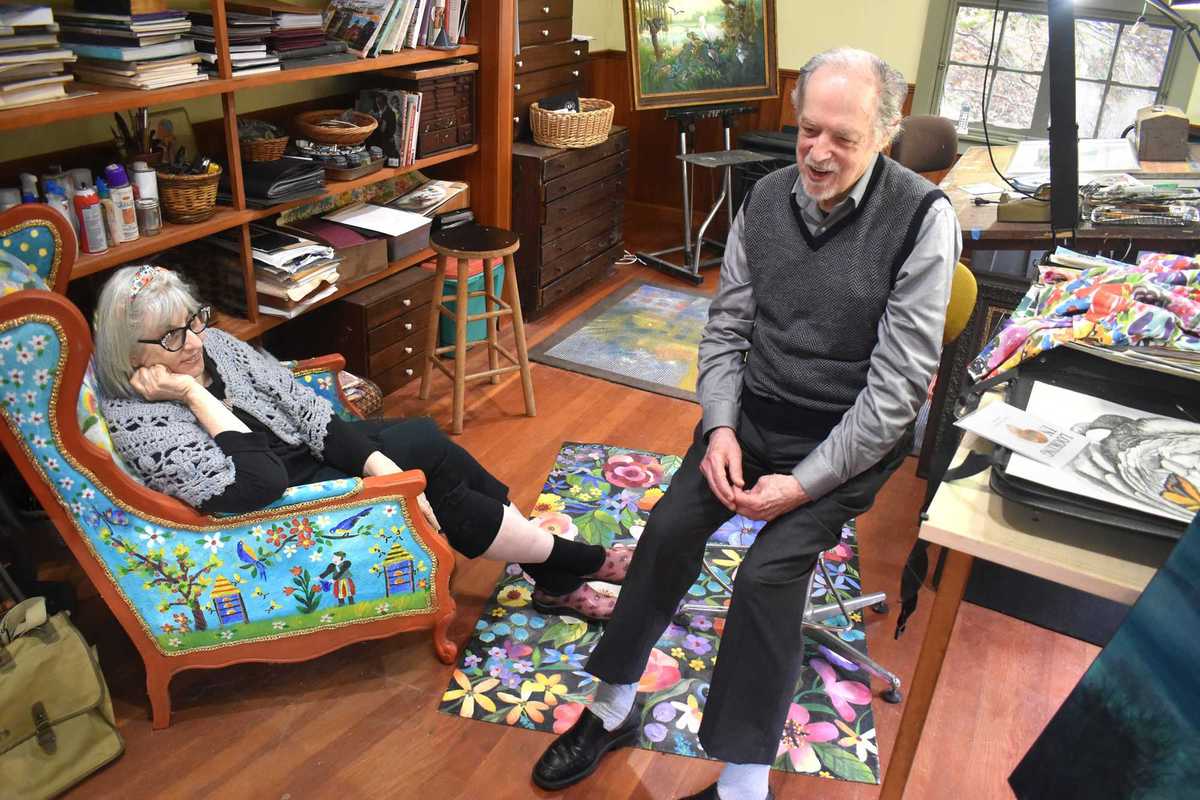
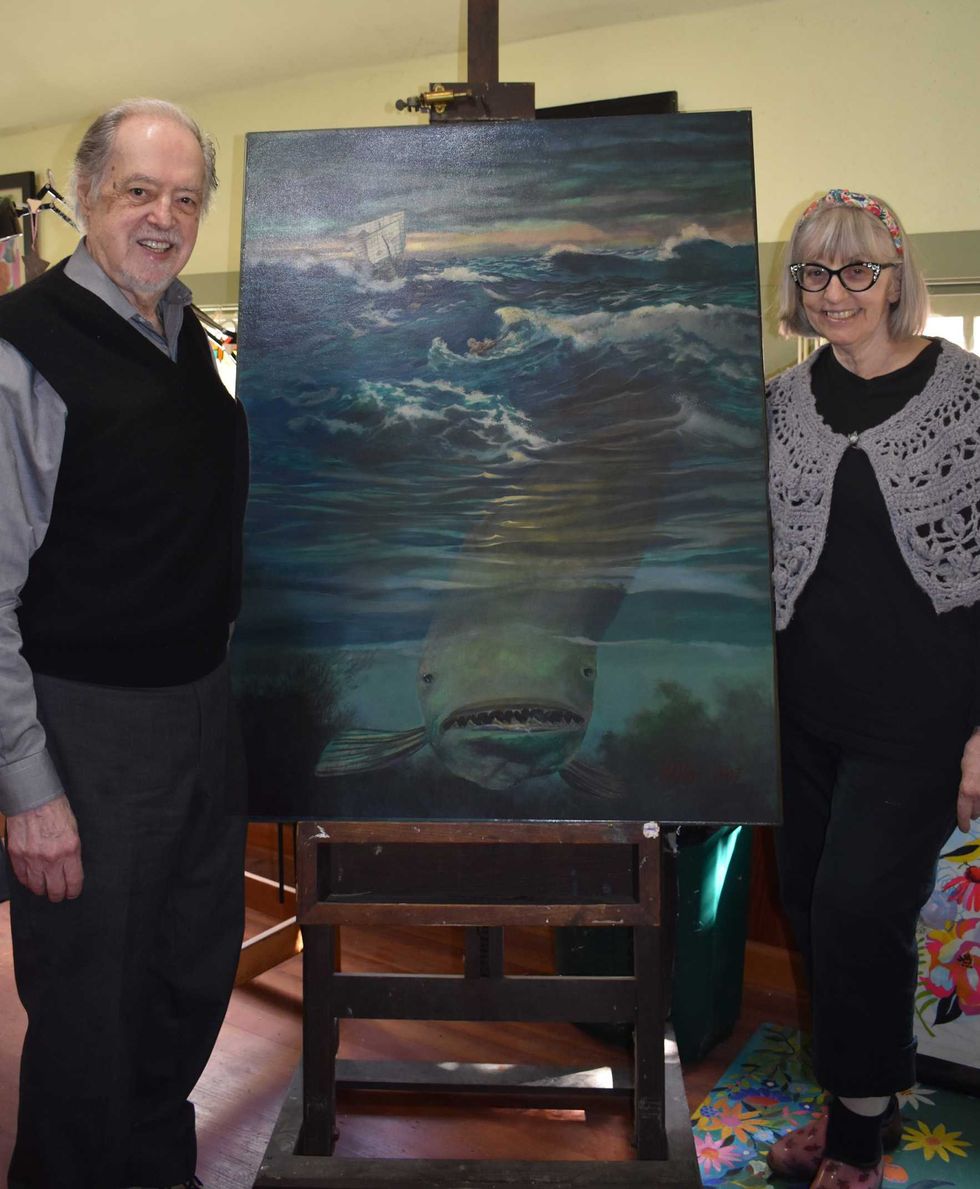 Justine and Victor Valla in their studio with a painting of Victor’s,”Jonah and the Whale.” Robin Roraback



 A ceramic vase by Kathleen Heidemann.Provided
 Joy Brown’s delightful ceramic sculptures.Provided

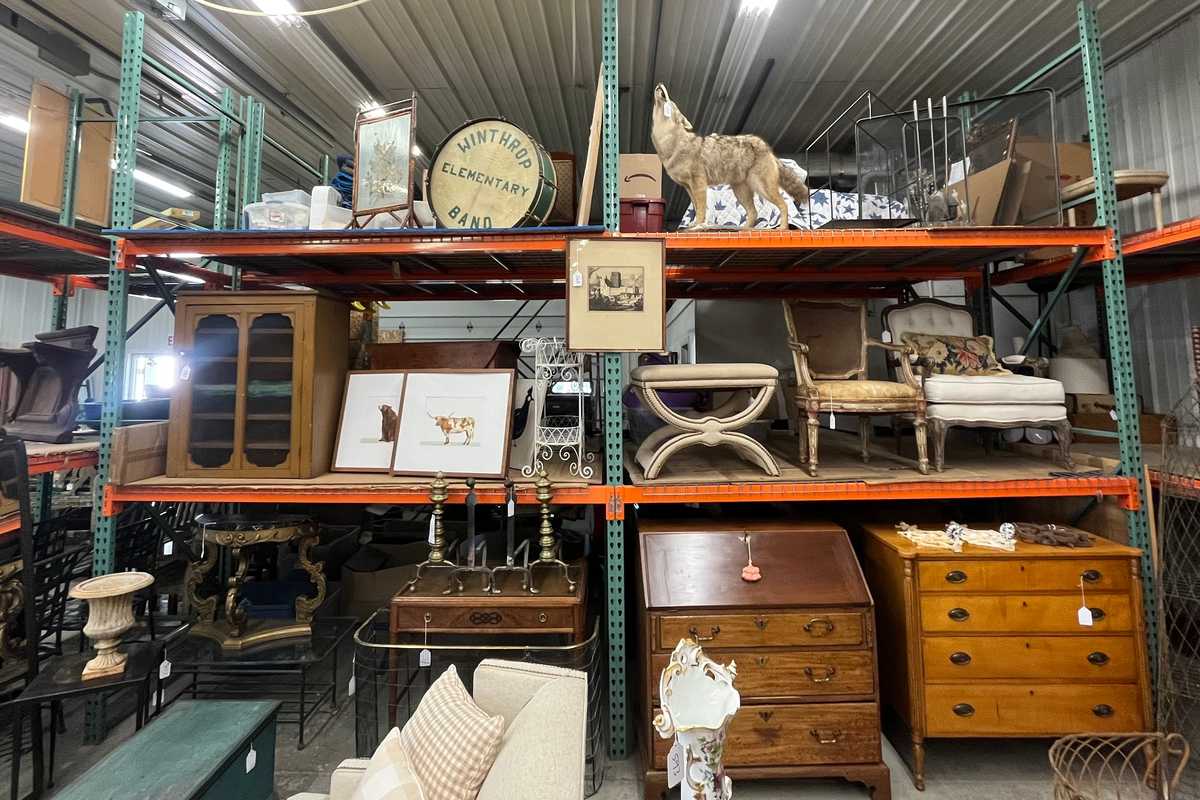
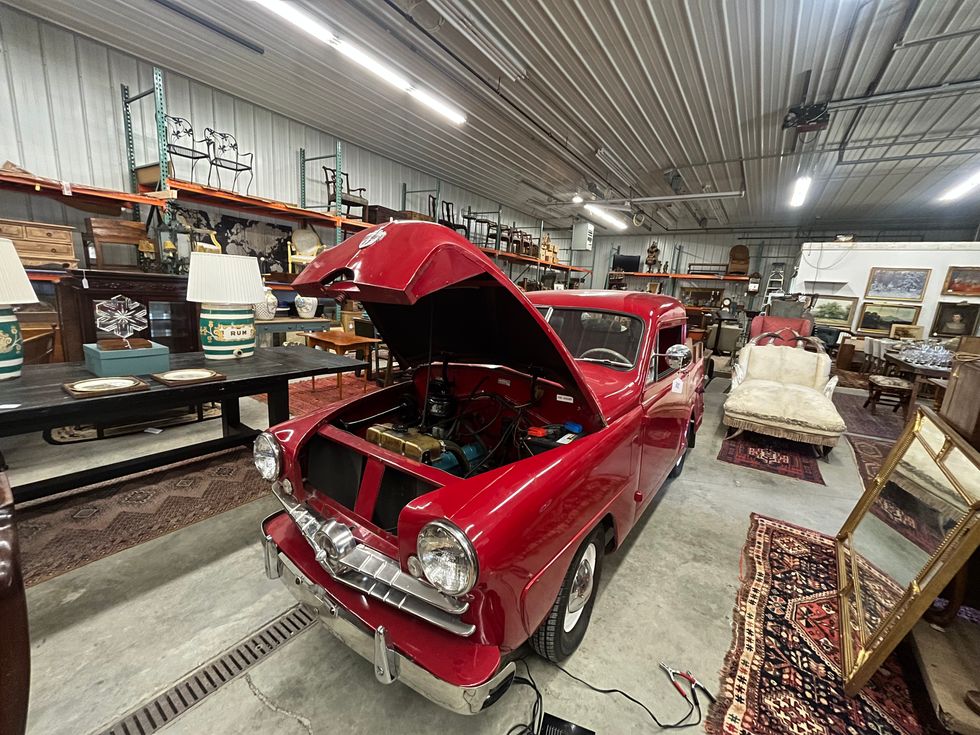 Hundreds of items at Stateline Auctions, including a candy-apple-red Crosley pickup truck.D.H. Callahan