
Newtown massacre: a communal tragedy

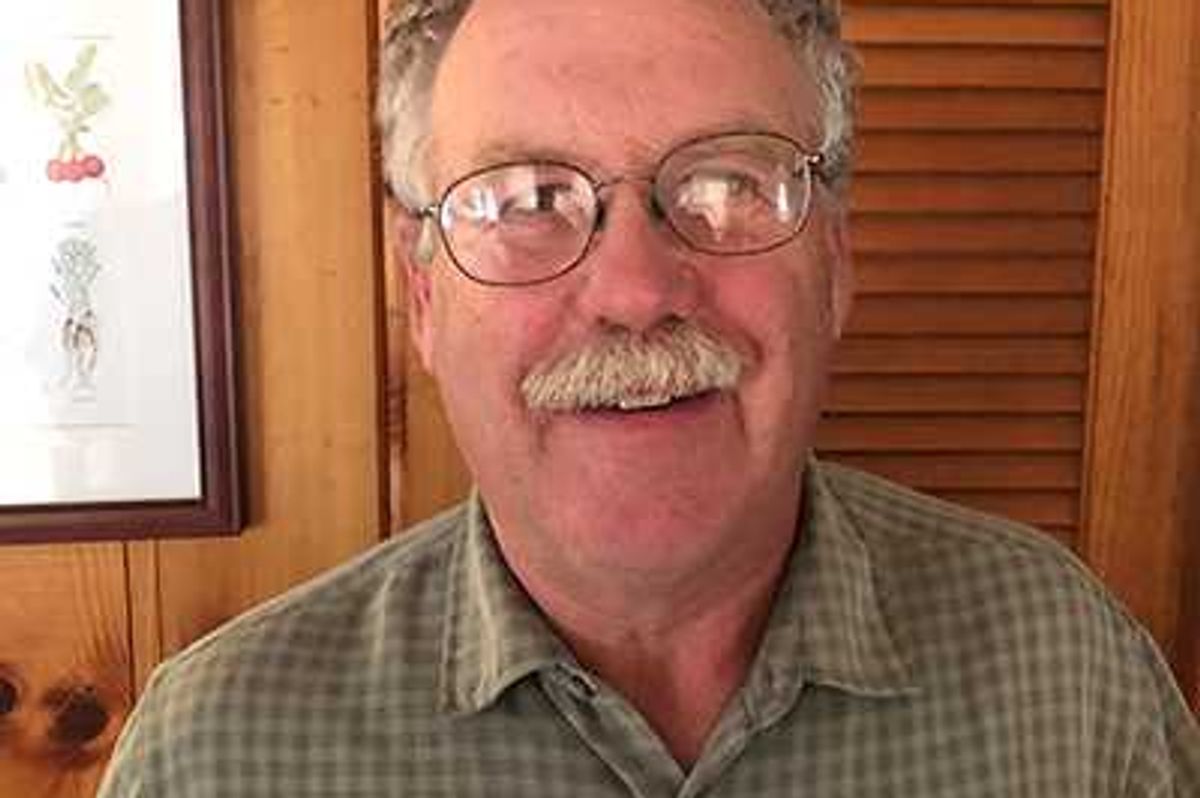
As with everyone else, I am horrified by the recent massacre of 20 children and eight adults in Newtown, Conn. No words can really ameliorate, and perhaps none can adequately explain such a communal tragedy, but the publisher has asked me to offer a few thoughts. I do so based on two different sets of special knowledge that I have accumulated. One comes from my years of working with the Amish, and the other, from collaborating on three books with the world’s leading expert on serial killers, Robert K. Ressler. The Amish community’s response to the killings in Western Pennsylvania, six years ago, startled the world with its compassionate and highly Christian messages. Believing that Christ taught them to turn the other cheek to evil, the Amish forgave the shooter who killed their children and even embraced his non-Amish widow, understanding the fundamental truth that she, too, was a victim. They also accepted their children’s deaths with great equanimity through reference to their deep, core belief that whatever happened was God’s will and that as lesser beings they must not question what He does. That sentiment helped them mourn and move on. To most people, behaving in strict accordance to the tenets of turn the other cheek, forgiveness of one’s enemies and not questioning the goodness of God in the face of such a tragedy as Newtown, is impossible. We could not pursue such a course of action even as an ideal. Most of us of a certain age have learned that the notion that time heals all wounds is a pernicious lie. What time does is gradually erase many details, enabling us to forget enough, to the point that a terrible loss becomes less of an insistent ache. Perhaps what those of us who are not Amish might seek, after Newtown, is a substitute way of turning the other cheek, through acts of compassion for the survivors and the victims’ families, or through taking political action against the surfeit of guns in private hands or for additional mental health care for troubled young adults. People who do what the shooter in Newtown did seldom act without first having given off some warning signs. As for forgiveness, what enemy can we forgive in this instance? Do we even want to forgive? In our culture, when something bad happens we more usually look for people and institutions to blame rather than to forgive. And what of the basic human urge to question the goodness of God in the aftermath of such evil? It takes a special kind of near-fanatical adherence to one’s faith — as is common among the Amish — to quash this urge. But to challenge may not inevitably lead to a rejecting of God: many Jews questioned God’s goodness after learning of the Holocaust, for example, yet later returned to traditional Jewish worship. u u uTo approach the Newtown massacre without reference to spirituality, I turn to the insights of my co-author, Bob Ressler, the former FBI agent who coined the term “serial killer,” interviewed dozens of them in prison, and knows more about mass murder than anyone else alive. Ressler divides multiple killers into “disorganized” — those who act so strangely that they invariably have a history of having been institutionalized for mental problems — and those who are “organized,” able to do such tasks as drive a car, load a weapon, plot a murder. The Newtown killer was methodical. He first executed his mother, with whom he lived, and who he most likely viewed as the source of his problems. Having killed her, he likely believed he was now free from the constraints of ordinary society and could do anything, but also, that he would eventually be caught and killed by the state, and therefore wanted to go out in a spectacular way. He dressed himself in combat gear, so he looked like a hero soldier in a video game — and/or one of the survivalists whom his mother evidently admired — took his mother’s car (and guns registered to her), and went to the school, a place with which he was familiar. He shot his way in — another rational act — and then went on his rampage. I postulate that in killing entire classrooms of children, he was killing naïve versions of himself, for these children resembled him in being suburban and middle class, and also resembled what he had once been, a prepubescent who had sat in the same classroom or in a similar one nearby. That all of the children were shot many times each testifies to the gunman’s anger toward their innocence and vulnerability. It is also significant that he carried with him his older brother’s ID, as though to insist that the brother as well as his mother bore some responsibility for the violence. At the first sign of the arrival of police, he killed himself, unwilling to engage in combat and thereby cede to others the manner or moment of his death. To continue living with the terrible knowledge of what he had done was not an option. It would mean unimaginable pain that he would not bear. When he took his own life he knew what he was doing and he knew right from wrong. On the same day, a knife-wielding man in China attacked two dozen children in a school before the attacker was subdued. Many were injured but none have died. It is highly significant that this Chinese attacker, likely to have been equally deranged as the Newtown shooter, could only go after his victims with a knife, not with an attack rifle and two pistols. But then, he did not live in America, where 200 million guns are in private hands.Salisbury resident Tom Shachtman has written more than two dozen books and many television documentaries.

Latest News

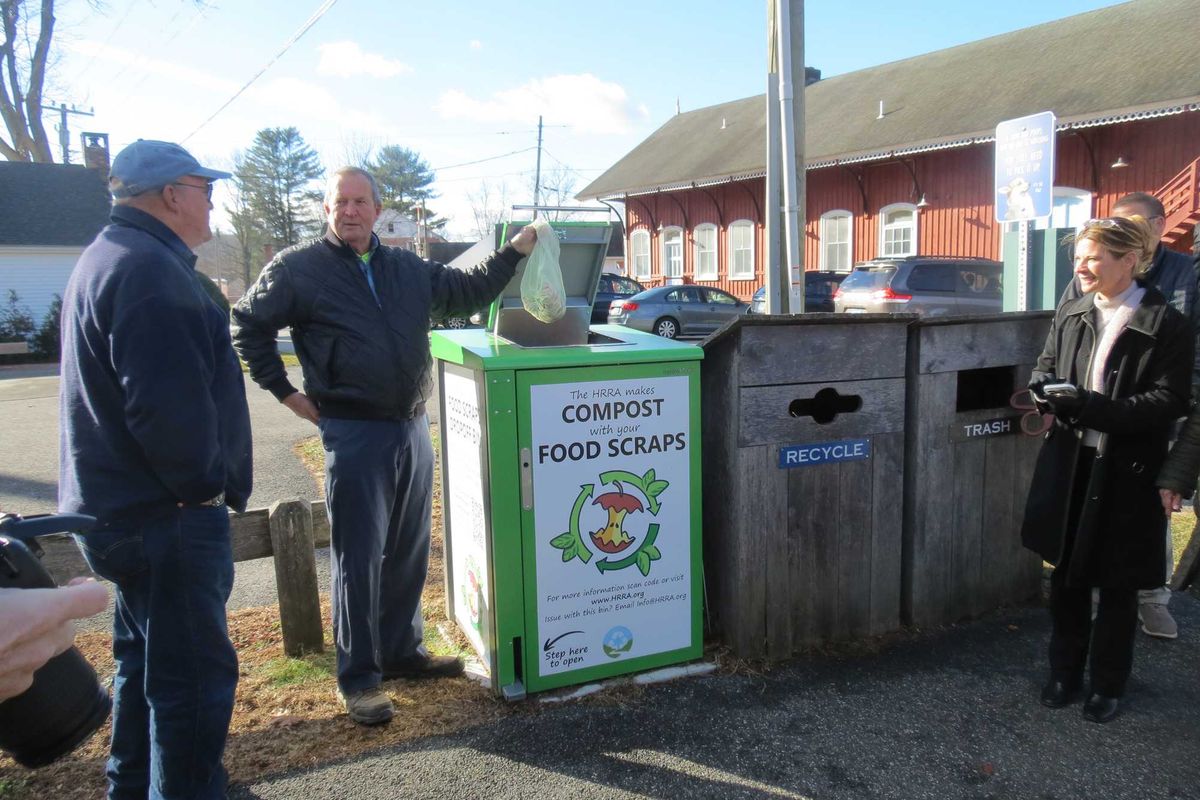
Kent unveils two new 'smart bins' to boost composting efforts

Rick Osborne, manager of the Kent Transfer Station, deposits the first bag of food scraps into a new organics “smart bin.” HRRA Executive Director Jennifer Heaton-Jones stands at right, with Transfer Station staff member Rob Hayes at left.

By Ruth Epstein

KENT — Residents now have access to around-the-clock food-scrap composting thanks to two newly installed organics “smart bins,” unveiled during a ribbon-cutting ceremony Monday morning, Dec. 1.

Rick Osborne, manager of the Kent Transfer Station, placed the first bag of food scraps into the smart bin located at 3 Railroad St. A second bin has been installed outside the Transfer Station gate, allowing 24/7 public access even when the facility is closed.

Keep ReadingShow less
Cornwall selectmen prioritize housing, healthcare in new two-year goals

Cornwall First Selectman Gordon Ridgway

File photo

CORNWALL — Housing and healthcare topped the list of 15 goals the Board of Selectmen set for the next two years, reflecting the board’s view that both areas warrant continued attention.

First Selectman Gordon Ridgway and Selectmen Rocco Botto and John Brown outlined their priorities during the board’s regular meeting on Tuesday, Dec. 2. On housing, the board discussed supporting organizations working to create affordable options in town, and Botto said the town should also pursue additional land acquisitions for future housing.

Keep ReadingShow less
Classifieds - December 4, 2025

Help Wanted

CARE GIVER NEEDED: Part Time. Sharon. 407-620-7777.

SNOW PLOWER NEEDED: Sharon Mountain. 407-620-7777.

Keep ReadingShow less
Legal Notices - December 4, 2025

LEGAL NOTICE

TOWN OF CANAAN/FALLS VILLAGE

Keep ReadingShow less