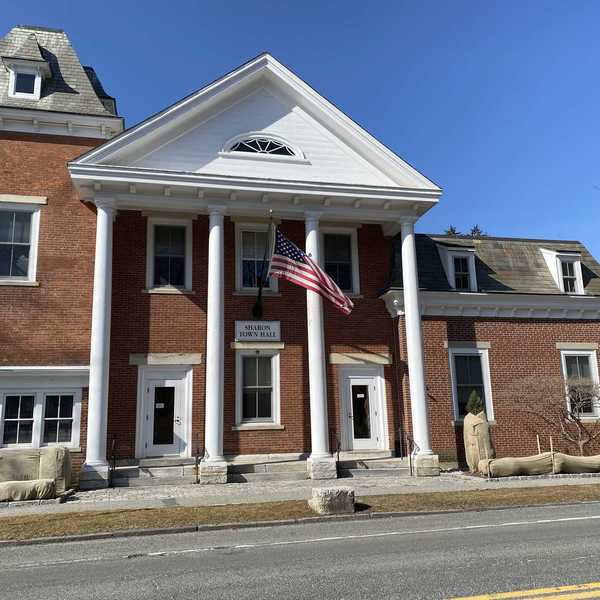
SHARON — Northwest Corner towns have received payments from major pharmaceutical manufacturers and distributors after a landmark lawsuit in 2022 required them to dole out $50 billion nationwide for contributing to the opioid epidemic. While most towns in the region have already received and allocated funds, residents in Sharon disagree on how their money should be spent.
Kent, Norfolk and Falls Village have directed all of their settlement funds to the Regional Opioid Response Fund, a Northwest Hills Council of Governments program that pools opioid settlement money from participating towns to support regional addiction prevention, treatment and recovery efforts. Cornwall and North Canaan split their allocations between the regional fund and local initiatives. Sharon is one of the few towns that has yet to decide how to spend its share.
The opioid crisis, declared a public health emergency by the U.S. Department of Health and Human Services in 2017, has fueled rising addiction and overdose deaths across the country, including in the Northwest Corner. According to the state Department of Public Health, opioids accounted for approximately 86% of accidental overdoses in Connecticut in 2024, a similar percentage to previous years.
Connecticut is expected to receive approximately $600 million through 2040 as a result of the settlements, with payouts coming from companies including Walmart, CVS, Johnson & Johnson, Purdue Pharma and the Sackler family.
To date, Sharon has received approximately $24,000 in opioid settlement payments. The Board of Finance has proposed splitting the money, allocating $14,000 to Sharon Ambulance and $10,000 to the Regional Opioid Response Fund.
Voters, however, rejected the proposal, 27-11, at a June 18 town meeting after several residents questioned why the town should send a portion of the money to an outside organization rather than direct it entirely to Sharon’s own emergency response services.
The Board of Finance is now bringing the same proposal back to voters, this time with additional information about the opioid settlement and the specific use of the funds.
Speaking at the board’s July 21 meeting, Chair Thomas Bartram said he continued to support the proposal, arguing that the regional fund addresses addiction before emergency responders are needed.
“If you can prevent a drug problem, you don’t need to get EMS involved,” he said.
Several board members agreed, saying the town should provide residents with a more detailed explanation of the proposal and how the funds would be used before the next town meeting. BOF member Michele Pastre said it is better to intervene before an ambulance needs to be called and that substance use and addiction in the Northwest Corner are better addressed on a regional rather than town-by-town basis. “We’re so interconnected,” she said.
MaryAnne Toppan, an alternate member of the BOF, said there are no wrong choices as long as the money is used to address the opioid crisis as intended.“I just wish there was a lot more money,” she said, “because they’re all very good causes.”
Leonardo Ghio, director of the NHCOG’s Community Health Network and overseer of the regional fund, which is generally referred to as RORF, said that the fund is built to make small payments go further. He said while a direct contribution of a small sum to local resources for substance use disorder is a meaningful gesture, “it doesn’t have the same impact that it could have if all the small towns pooled their settlement money together.”
Settlement payments are also distributed unevenly and unpredictably among towns, local officials said. In fiscal year 2025, for example, Kent received $10,460 while Goshen received just $92.
Ghio said the fund also eases administrative burdens on local governments while allowing participating towns to take a more coordinated approach to substance use issues across Northwest Connecticut.
He stated that the RORF has received approximately $175,000 from 13 participating towns in the region since its launch in July 2023, and that approximately $115,000 has been spent so far.
“All of that money has been spent directly on activities that are meant to serve the participating towns,” he said.
In a letter to the Sharon BOF dated May 14 this year, Ghio explained that approximately 40% of the money had been dedicated to purchasing harm reduction supplies for the Litchfield County Opiate Task Force, supporting efforts such as the distribution “Leave Behind Kits,” which are emergency kits left in households or locales where someone is deemed to be at risk of an overdose. These kits were distributed to local EMS providers.
The fund has also supported Northwest Corner mental healthcare providers, including Greenwoods Referrals and Counseling and McCall Behavioral Health Network, as well as community-based initiatives such as screenings of the locally produced film Uprooting Addiction. Other funding has supported a partnership with the Torrington Youth Service Bureau and New Hartford-based nonprofit Outdoor Perspectives, which takes disconnected youth on outdoor excursions designed to build confidence and trust.
The fund also helps sustain a paid position for an outreach and addiction specialist at Greenwoods.
Ghio said early intervention for young people to reduce risk factors associated with future substance use is central to the RORF’s approach to addressing addiction in rural communities.
He also said that while he firmly supports municipal EMS departments as vital in responding to overdoses, the RORF is able to provide resources that focus on prevention.
In a May 19 letter to Sharon’s Board of Finance, Sharon Ambulance captain Thalia MacMillan requested that the funds be invested in the town’s EMS services to purchase and maintain life-saving equipment for overdose patients, including the replacement of a number of automated external defibrillators.
“The opioid settlement funds present an opportunity to strengthen our community’s emergency response capacity in a way that directly aligns with the intent of the settlement,” MacMillan wrote in closing.
Kent, Norfolk and Falls Village have directed all of their settlement funds into RORF, totaling $20,247, $10,319 and $8,001 respectively as of April 26 of this year. Cornwall and North Canaan have channeled a portion of their allocations into the fund, totaling $5,000 and $1,522 respectively.
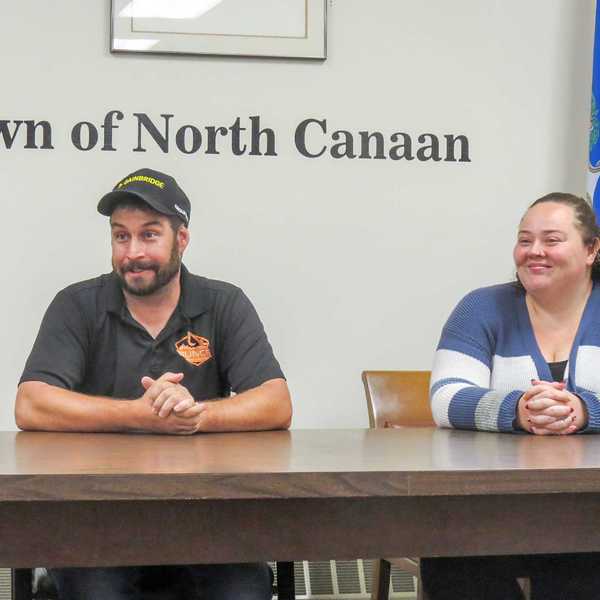
North Canaan also opted in April to send $4,941 of its funds to the town’s social worker, and $2,000 directly to Greenwoods. Cornwall sent its remaining $10,000 to Greenwoods as well.
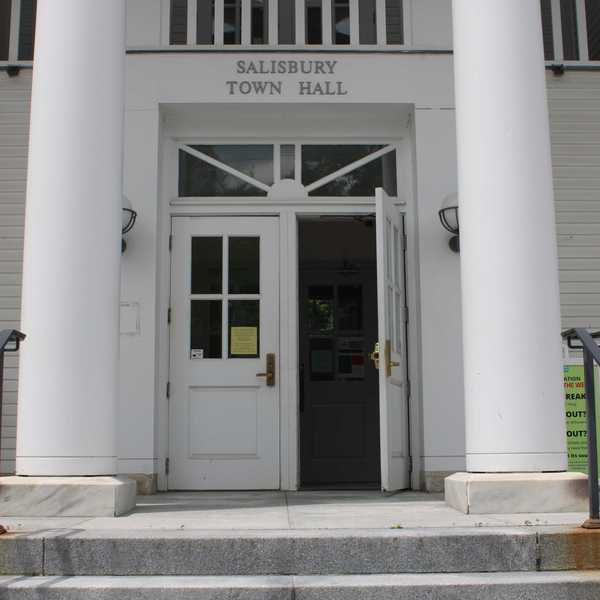
Salisbury First Selectman Curtis Rand said his board is exploring alternative approaches to using its own allocation, which he said sits in the ballpark of $40,000, with none of it having been spent to date.
He said the BOS is seeking implementations that “make sure that money goes directly to someone who needs it” rather than be filtered through administration.

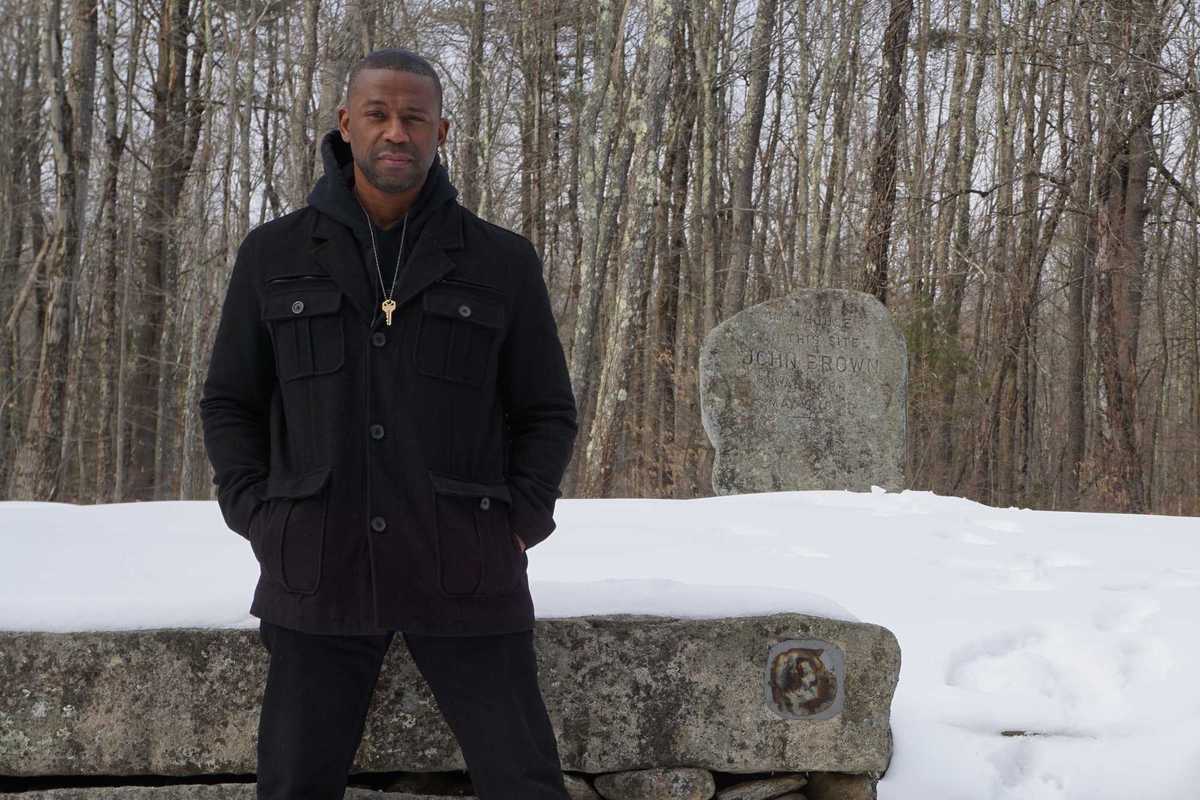
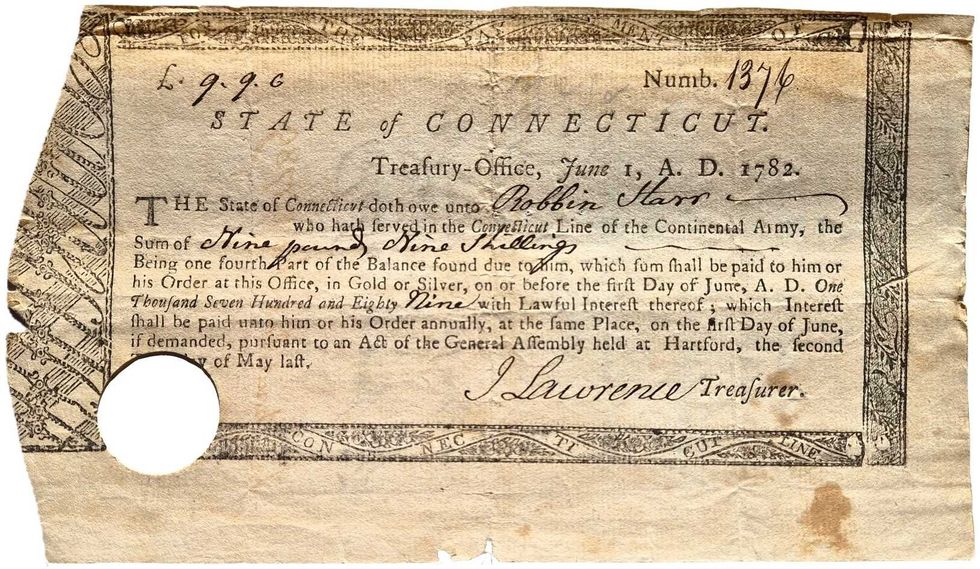 Pay Bill for Robin Starr’s service in the Continental Army.Courtesy the Alex Breanne Corporation
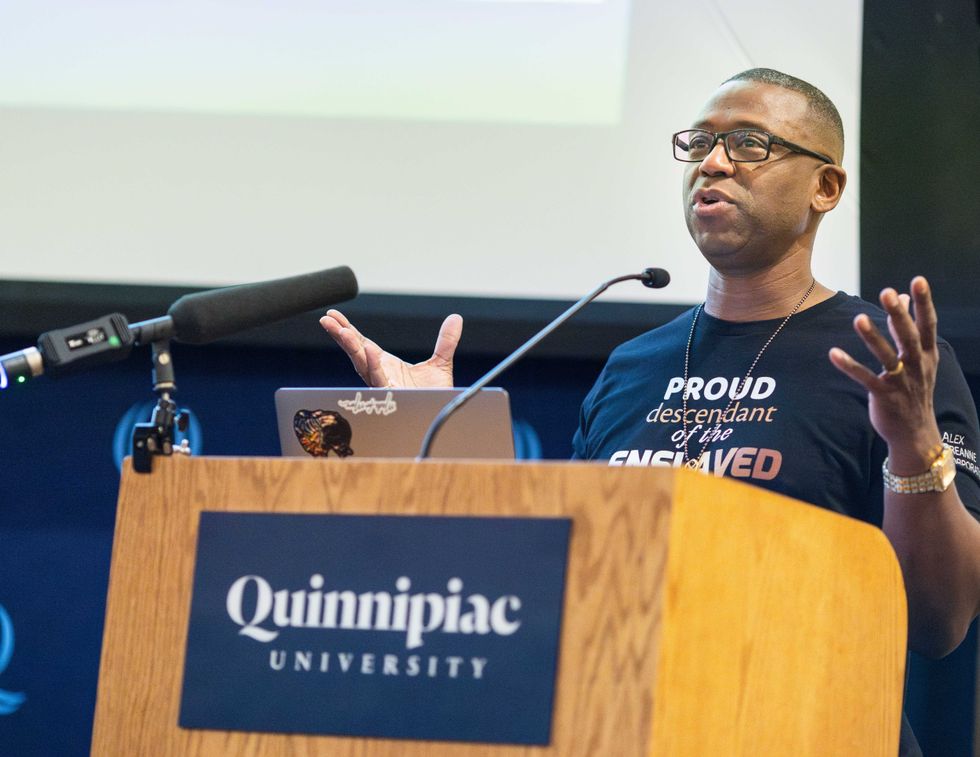 John Mills speaking at Quinnipiac University.Courtesy the Alex Breanne Corporation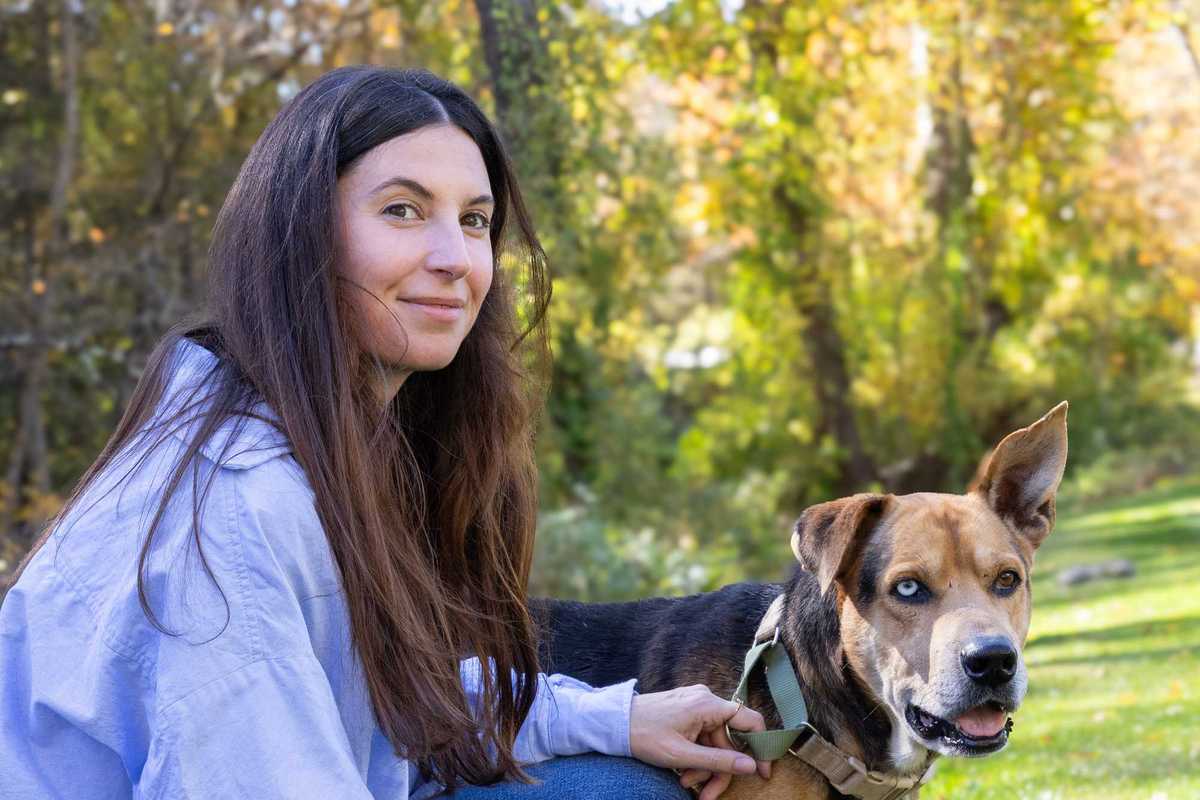
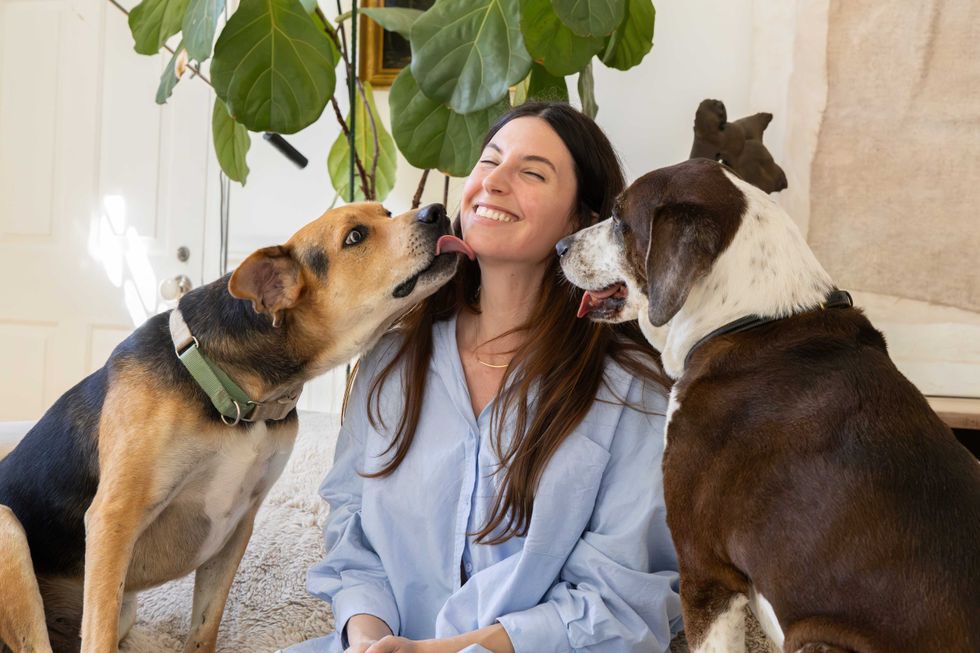 Stephanie Saetta,with her rescue dog George and Blue (left), a shepherd mix awaiting his forever home.Madi Long
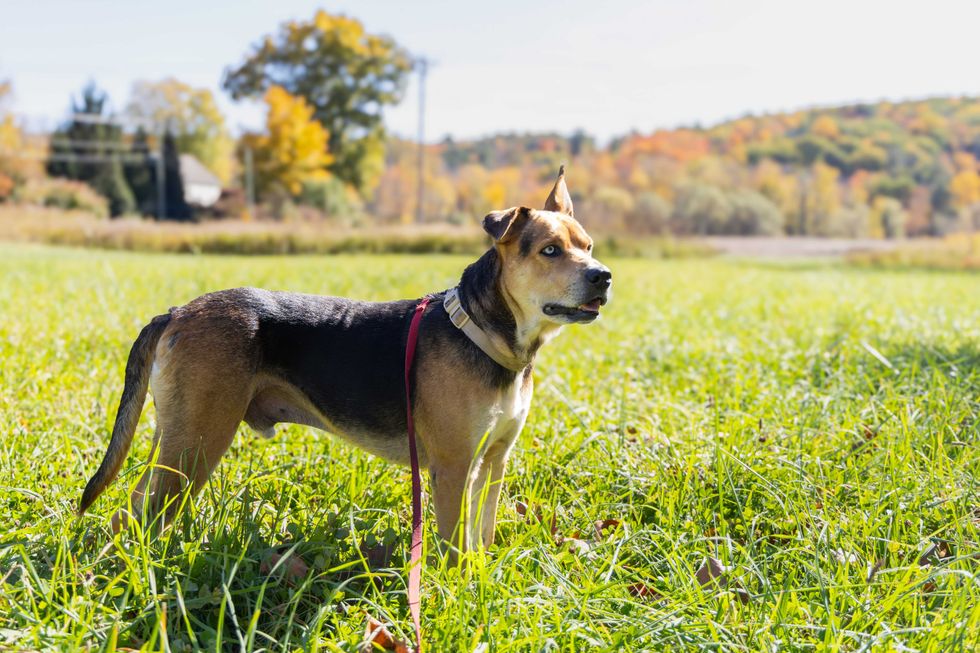 Blue, a 7 year-old Shepard mix, is waiting for his forever home. Madi Long