CORNWALL — Situated at the intersection of Route 7 and Route 4, Cornwall Bridge holds the highest concentration of commercial businesses in this otherwise sleepy town. But limited pedestrian access combined with high-speed motorists have prevented the area from becoming a vibrant downtown destination.
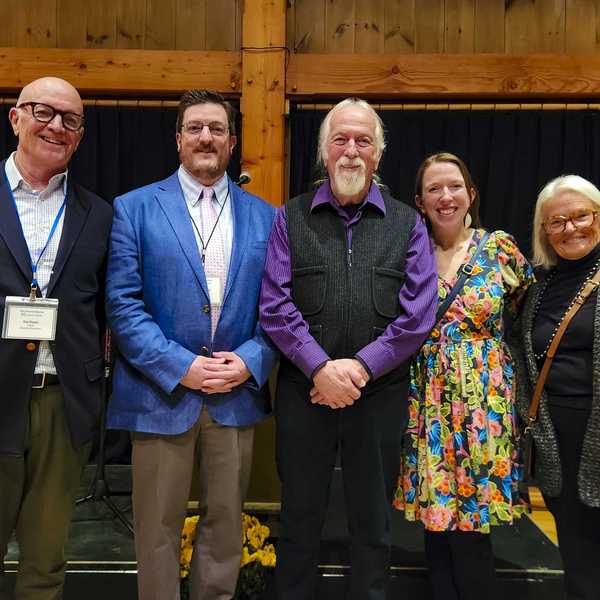
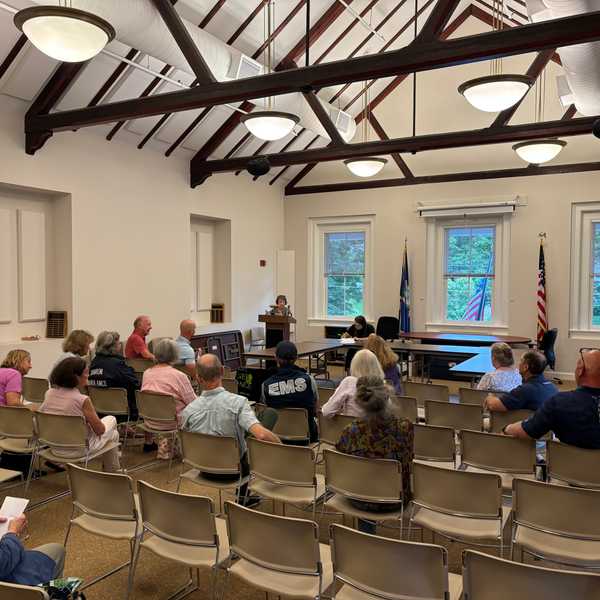
Seeking to attract more activity, a group of stakeholders met with town and county representatives at National Iron Bank Wednesday, Sept. 18. A pair of engineers from WMC, a firm that regularly consults on Cornwall projects, were also present.
The meeting was the fourth such discussion among Cornwall Bridge business owners and residents, but the first to include outside input. The group aimed to identify both short-term and long-term goals and solutions for “place making.”
First Selectman Gordon Ridgway provided information on the Transportation Rural Improvement Program (TRIP) grant that was awarded to the town for approximately $800,000. The funds will be used to improve walkability with sidewalk, crosswalk and flashing beacon installation in both Cornwall Bridge and West Cornwall. WMC Engineers is designing both projects.
The TRIP project is intended to slow traffic in both areas while improving walkability.
“The immediate thing that we’re working on right now is the traffic safety, pedestrian safety and biker safety,” said Ridgway, noting the short-term goals of the group.
Cornwall Package Store owner Richard Bramley said from his business he sees motorists running the stop sign on Route 7 daily, and the sheer number of near-miss accidents is alarming. Bramley suggested adding red legs to the stop signs to increase visibility.
Katherine Freygang, Cornwall resident and Sustainable CT representative, said there are more factors to consider beyond infrastructure improvements. She advocated for landscaping improvements and ornamental lighting to create a sense of place in Cornwall Bridge.
“When I go into Litchfield and I have these big trees around me I know I’m some place that I want to stay, whereas we have basically a highway access road,” said Freygang.
Tony Burke, Cornwall cyclist, pointed out that the Western New England Greenway runs right through Cornwall Bridge. Bikers can spend more than a week as they journey from Norwalk to Montreal and stop to patronize businesses along the entire route. He supported narrowing the driving lanes and reducing traffic speeds from 35 mph to 25 mph around the traffic triangle to better accommodate cyclists on the road.
Kathryn Faraci and Rista Malanca from the Northwest Hills Council of Governments were present to provide insight on programs available to achieve these goals. They said another round of TRIP funding will be awarded next year, and a second application could be submitted for Cornwall Bridge improvements.
“Moving forward, the TRIP awards will be more connectivity-based,” said Faraci. “Bringing in pedestrian traffic to a location that normally is not having any.”
Malanca suggested contacting a state group called Connecticut Main Street Center to provide additional insight. Cornwall is one of many Connecticut towns to struggle with a high-speed state road running through the middle of town, and the Main Street Center has experience addressing this dilemma.
Malanca also advocated for improving walking and cycling paths to increase tourism.
“Rural economies are based on outdoor recreation,” said Malanca. “If people walk or bike, they spend more money.”
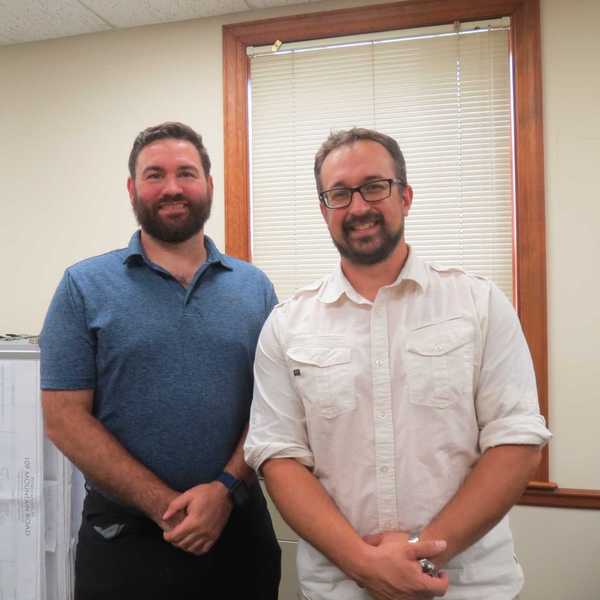
At the end of the meeting, Steve McDonnell of WMC Engineers said his firm would draft up potential designs based on the Sept. 18 conversation. A follow-up meeting will be scheduled, likely in the winter, to continue the conversation on how to make Cornwall Bridge bustle.

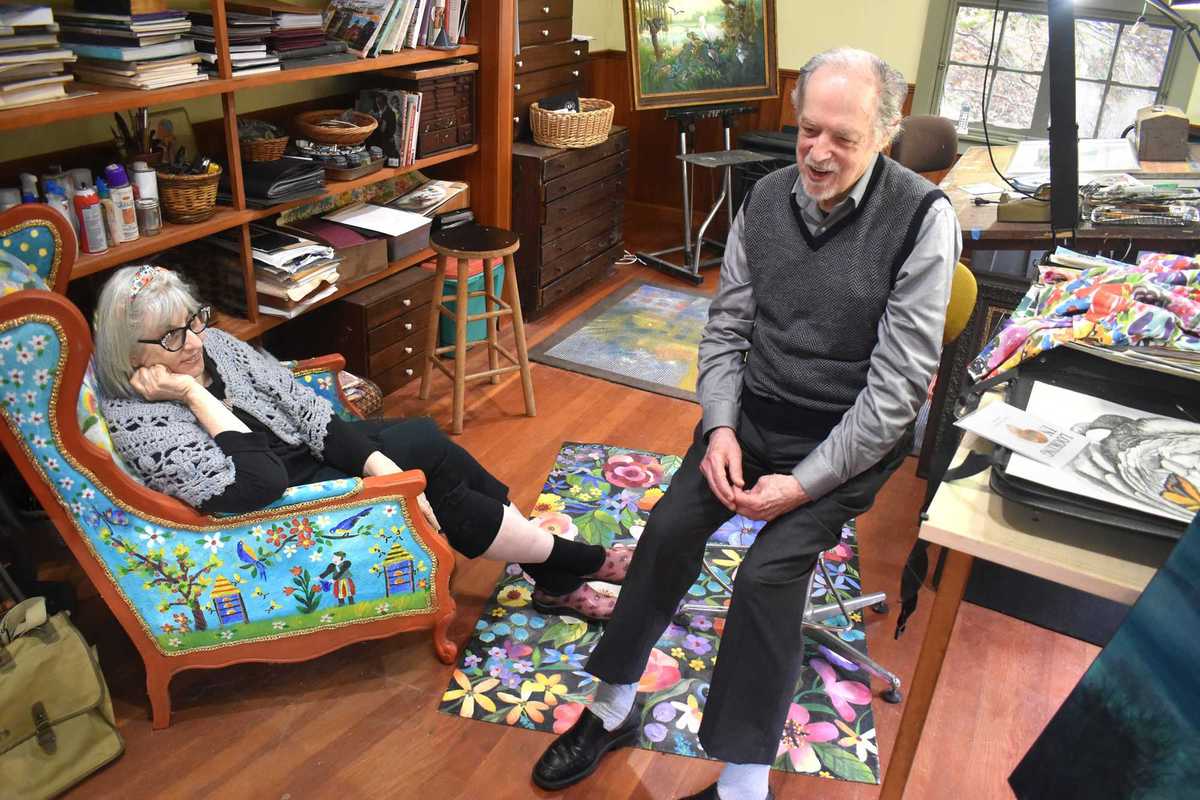
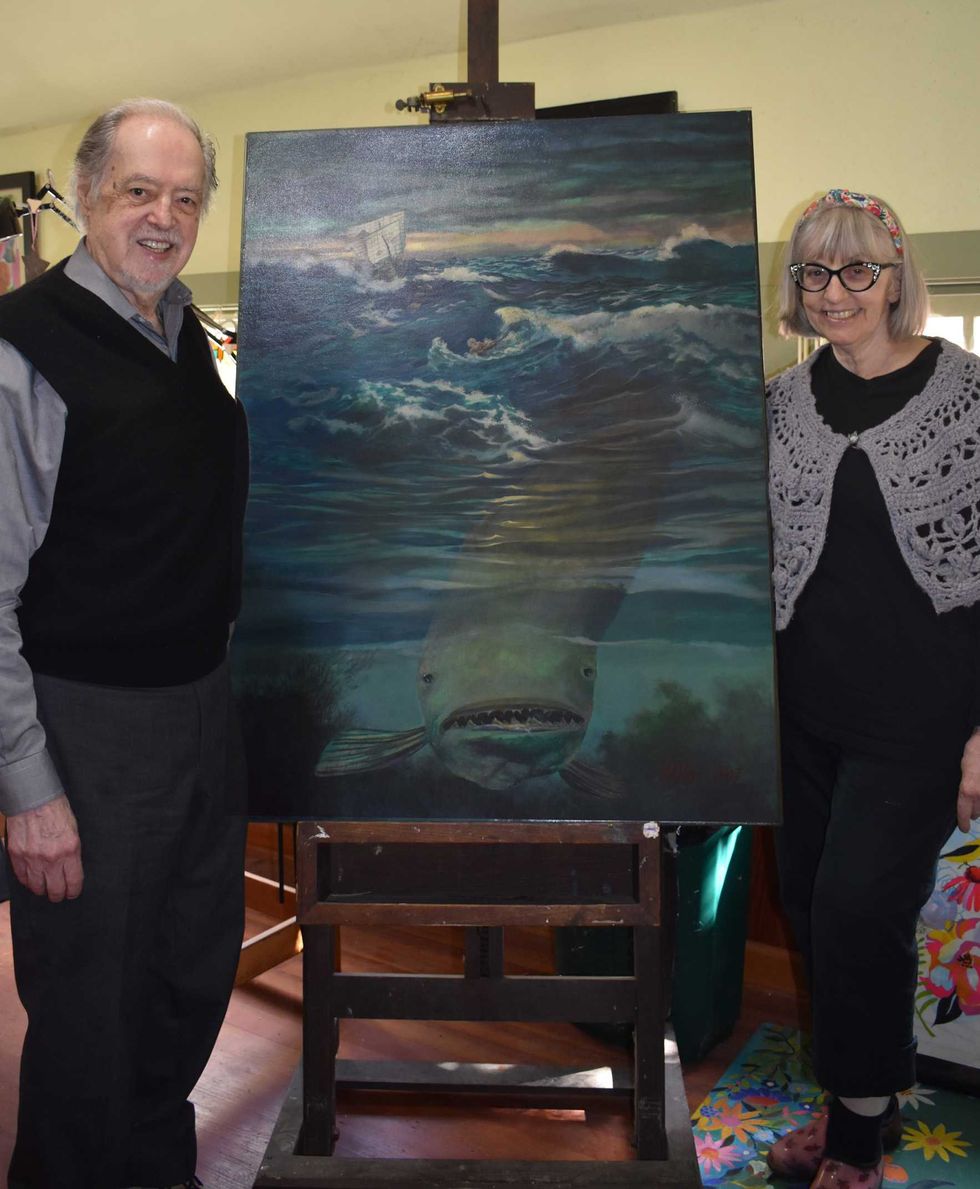 Justine and Victor Valla in their studio with a painting of Victor’s,”Jonah and the Whale.” Robin Roraback
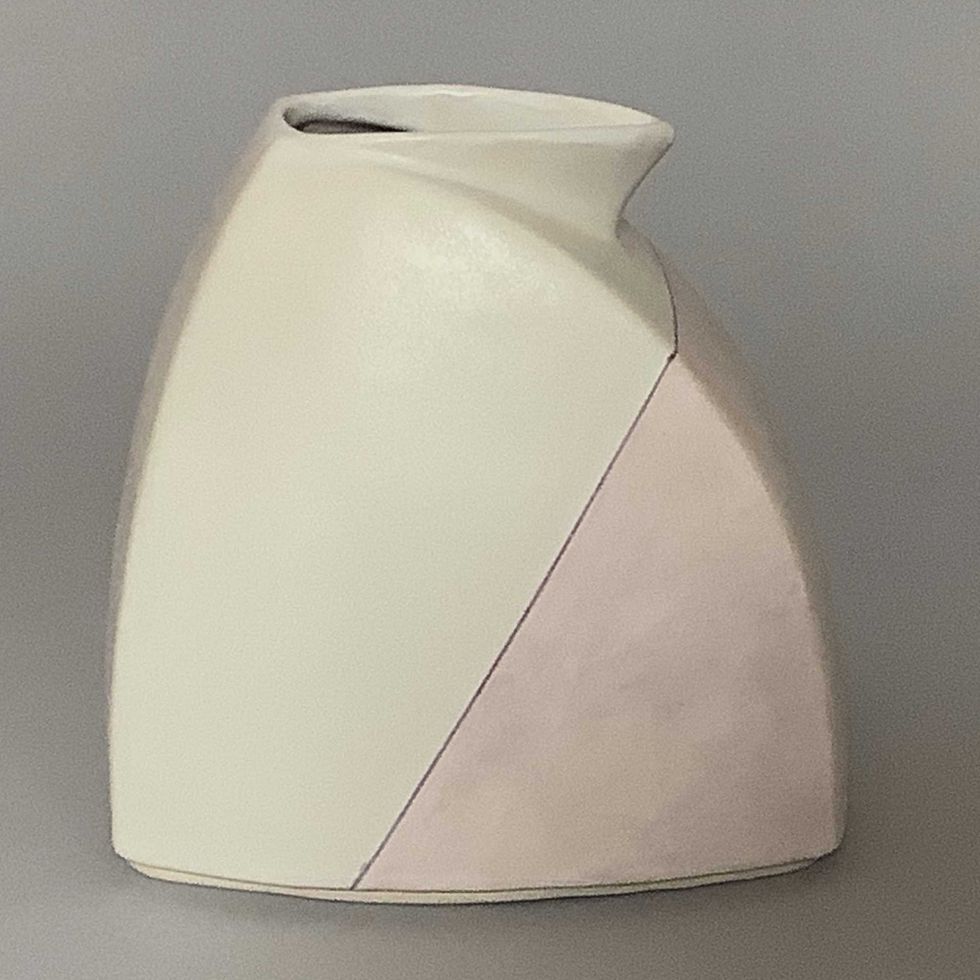 A ceramic vase by Kathleen Heidemann.Provided
  Joy Brown’s delightful ceramic sculptures.Provided