Thank you!
Your support is sustaining the future of local news in our communities.

Only adversity seems to unite us

During this typically joyous holiday season, my thoughts, prayers and condolences go out to the residents and children of Newtown. Thank you to the Gilbert School students who led a somber memorial at East End Park Tuesday evening. That gathering brought scores of people together for quiet reflection. Why does it seem that we are drawn together only when misfortune or tragedy befalls us? Yes, those moments remind us of our human frailty, but, hopefully, those moments, however heart-wrenching, are infrequent. Why don’t we have more happy moments?Oh, yeah, this is Winsted.Every week, if not nearly every day, I see not simply disagreement and difference, but actually anger and hatred in this community. The egos, the name-calling, the finger-pointing and the mud-slinging dominate pretty much everything. Someone has to be right, and anything voiced otherwise is stupid. Stunningly, we have become a remarkable reflection of relationships at the national level. No one wants to work together — political operatives hunker down in their caucuses and entrench themselves in their position. Policy is made with blunt force and strictly along party lines: no debate, no discussion, just heated rhetoric about “them” and “us.” The politicians act as if “other side” will never have a reasonable thought or idea, and they will never show “weakness” by even engaging “them.” Independent thinking? Not anymore. In Washington, the “us” is mainly concerned with self-interest, not “U.S.” interest. Is it different in Winsted?To me, this explosive divisiveness indicates a giant rip in the fabric of society. Our towns and technologies have made it easy to insulate ourselves. We work ourselves silly, leaving little time to interact with neighbors. When we go anywhere, our eyes and fingers are fused to our phones and tablets, binding us to someplace other than where we are. Our ears are clogged with buds that block the sound of life. We only care about ourselves, and don’t even think of bothering me.What if an event of the magnitude of the Newtown tragedy happened in Winsted? Is it going to take a building collapse, a fire, another flood to bring this community together? How would the world view Winsted then? Would we be described as a small stereotypical New England community? Would we put aside our differences when the harsh glare of international attention spotlights us?Listen, we have problems, and some of those problems are significant and challenging. The solution to those issues will require community efforts, but we have no community. If the only thing that will bring us together is a horrific event, we stand no chance.A recurrent lesson of mass casualty events is the precious fleeting wonderfulness of life. We repeatedly ignore that lesson, and that ignorance may be as dangerous as the bombs and guns that snatch life. Will we next gather again to commemorate or to celebrate?I don’t know about you, but I want to celebrate. I live and work in an attractive area of the most prosperous nation, constantly meet different people of incredibly varied backgrounds and have three beautiful daughters, a loving and supportive partner and a crazy cat. I enjoy every minute, and I want to share my joy and learn of yours. I want to help build a community.So, beginning next Tuesday, I invite you to visit East End Park from 6 to 6:30 p.m. Bring a plate of cookies, a box of chocolates, a bowl of fruit, a jug of hot chocolate or a pitcher of lemonade. Share. Talk with someone different. The only rule (which will be self-policed) is no political discussion. Ask each other about family, hobbies, vacations, favorite restaurants — tell someone else why your life is worth living.Yes, next Tuesday is Christmas, but, with gracious respect and reverence to all other religions, it is an appropriate day of joy. All I am proposing is simply 30 minutes of celebration. Let’s make it a weekly gathering every Tuesday (admittedly, I run the risk of missing the inaugural gathering since I will be returning from Michigan with my daughters, but I’ll do my best to get back by 6; if not, celebrate without me, but let’s begin the tradition nonetheless).Sadly, my expectations for building community with this celebration are low.It’s Winsted.Anyway, have a safe holiday season. I’ve commemorated enough.Dale Martin is the town manager of Winchester.

Latest News

‘So Little to Do,’ so much to discover at James Barron Art

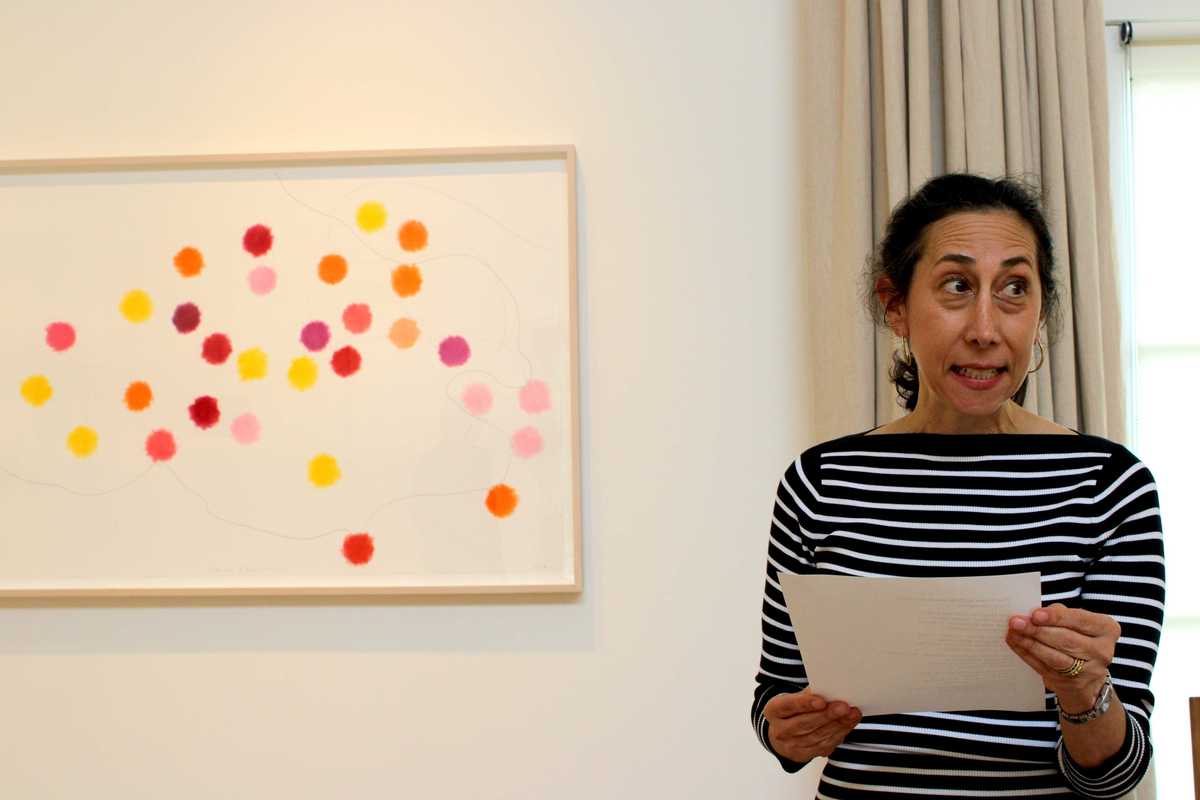
Curator Deborah Goodman Davis reads the Emily Dickinson poem “The Grass So Little Has to Do.” Spencer Finch’s “Following Three Bees (Zinnias)” buzzes in the background.

Photo by Natalia Zukerman

“The Grass Has So Little to Do,” on view at James Barron Art in Kent, takes its title from Emily Dickinson’s poem “The Grass So Little Has to Do,” written in 1862:

“The Grass so little has to do—
A Sphere of simple Green—
With only Butterflies to brood
And Bees to entertain—”

Keep ReadingShow less

Marina Kotchoubey is not a woodworker

Marina Kotchoubey is not a woodworker

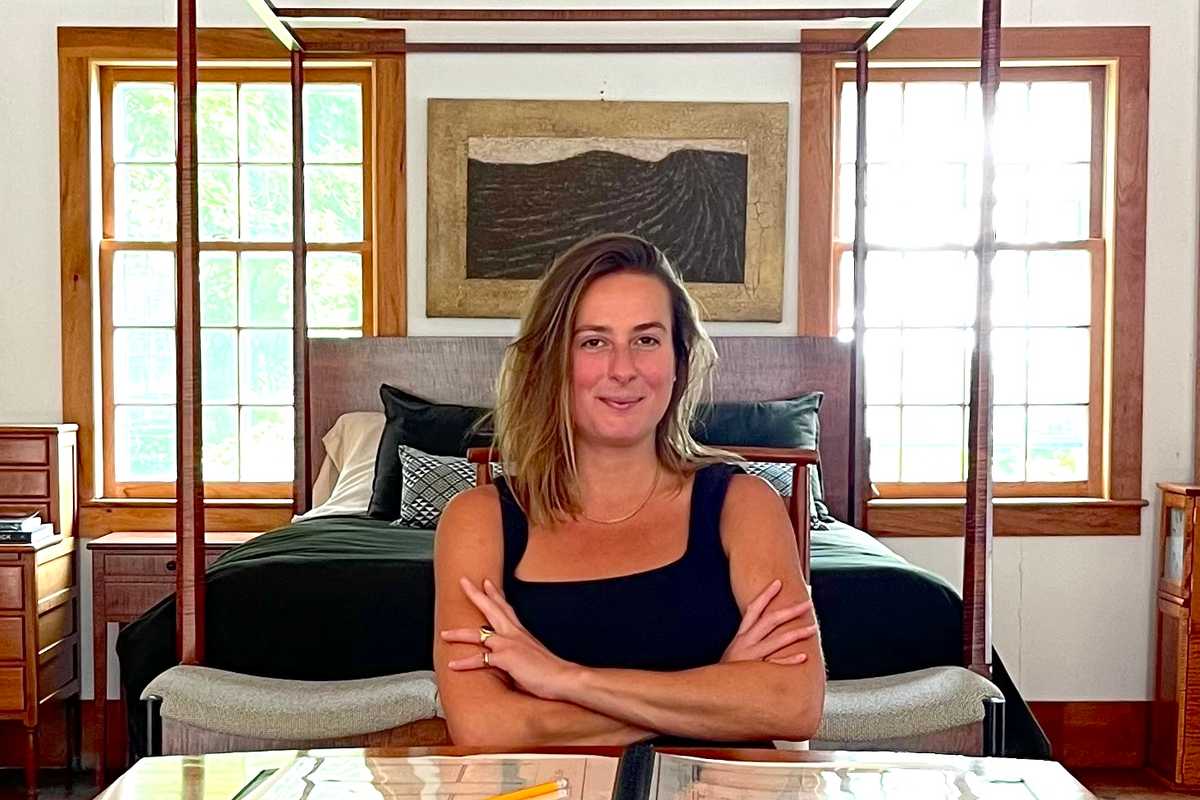
Marina Kotchoubey at the Ian Ingersoll Cabinetmakers showroom in West Cornwall.

Photo by D.H. Callahan

After 40-something years navigating the world of custom fine furniture, Ian Ingersoll was getting ready to retire. Starting off with a little dovetail stool that he sold at a shop in West Cornwall in the 1970s, he’d grown his skill and his business into something he — and the whole town — could be proud of. Shutting down that business was not an option.

Ingersoll built Ian Ingersoll Cabinetmakers, which produced mainly classical Shaker furniture, on passion: the passion he had to make a living through creative challenges and the passion of his employees, who all seem deeply in love with their craft.

Keep ReadingShow less
A legacy of giving at Norfolk Chamber Music Festival

One hundred and twenty years ago, Carl and Ellen Stoeckel commissioned New York architect E.K. Rossiter to design The Music Shed in Norfolk, Connecticut. After nearly a decade of entertaining their friends and neighbors with the finest music of the day, they built a permanent home for their beloved Litchfield County Choral Union.

The commission and full funding of the construction was not unheard of in an era when great fortunes led to public enrichment. Railroad tycoon John D. Rockefeller was instrumental in funding institutes of higher education. Steel baron Andrew Carnegie was building libraries all over the country, and famously said that a man who dies rich is a disgrace, challenging his peers to give their fortunes back to the people.

Keep ReadingShow less
google preferred source

Want more of our stories on Google? Click here to make us a Preferred Source.
Two unique exhibitions at Geary Gallery

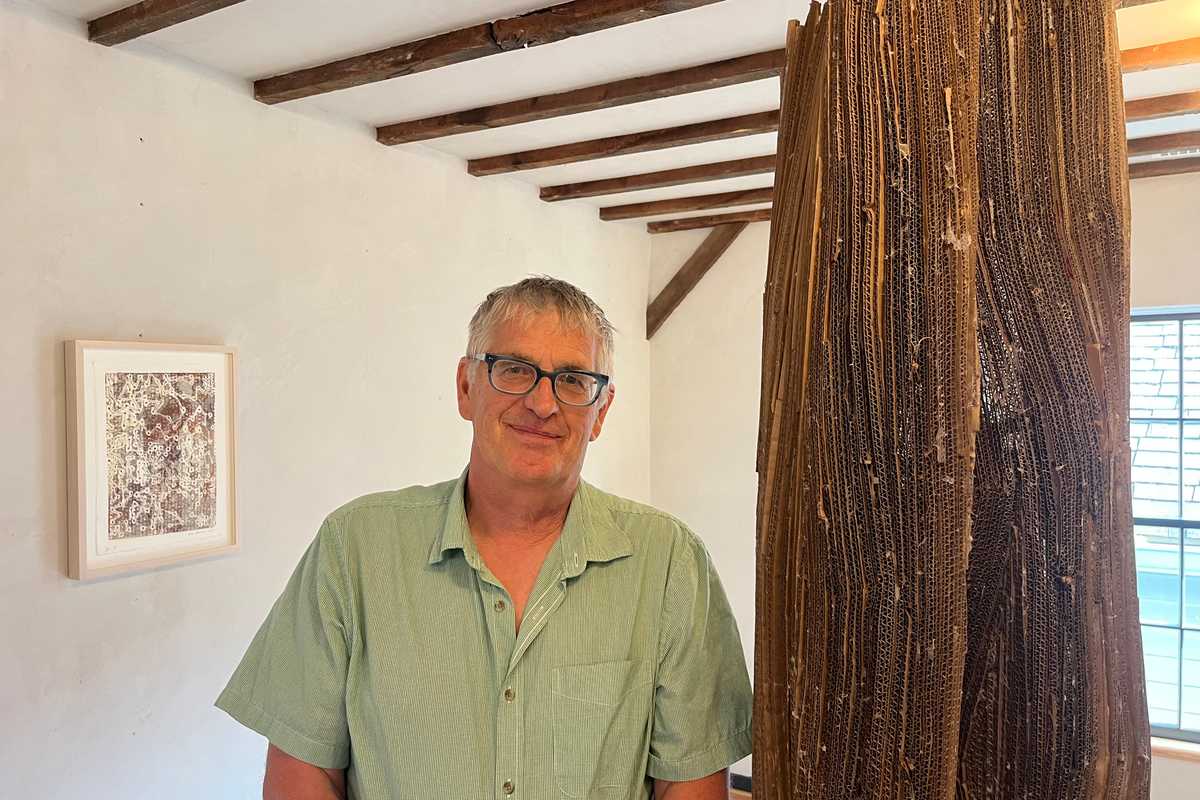
Henry Klimowicz with his sculpture, “Partial Pillar 1”

Photo by D.H. Callahan

On Saturday, Aug. 1, Geary Gallery opened its doors in Salisbury for two unique shows in its first- and second-floor gallery spaces. Art lovers flooded both floors over the course of the afternoon, giving the events a vibrant feeling that enhanced the importance of the art.

On the first floor is a show by Chicago-born, Colorado-based photographer Summers Moore, titled “Lobitos: Pueblo Fantasma,” or “Lobitos: Ghost Town.” The work centers around her daughter’s current hometown in Peru. Moore herself found a home away from home in Colorado in the mid-1980s and encouraged her children to seek out new places outside of their comfort zones.

Keep ReadingShow less

Writer’s retreat in the woods

Writer’s retreat in the woods

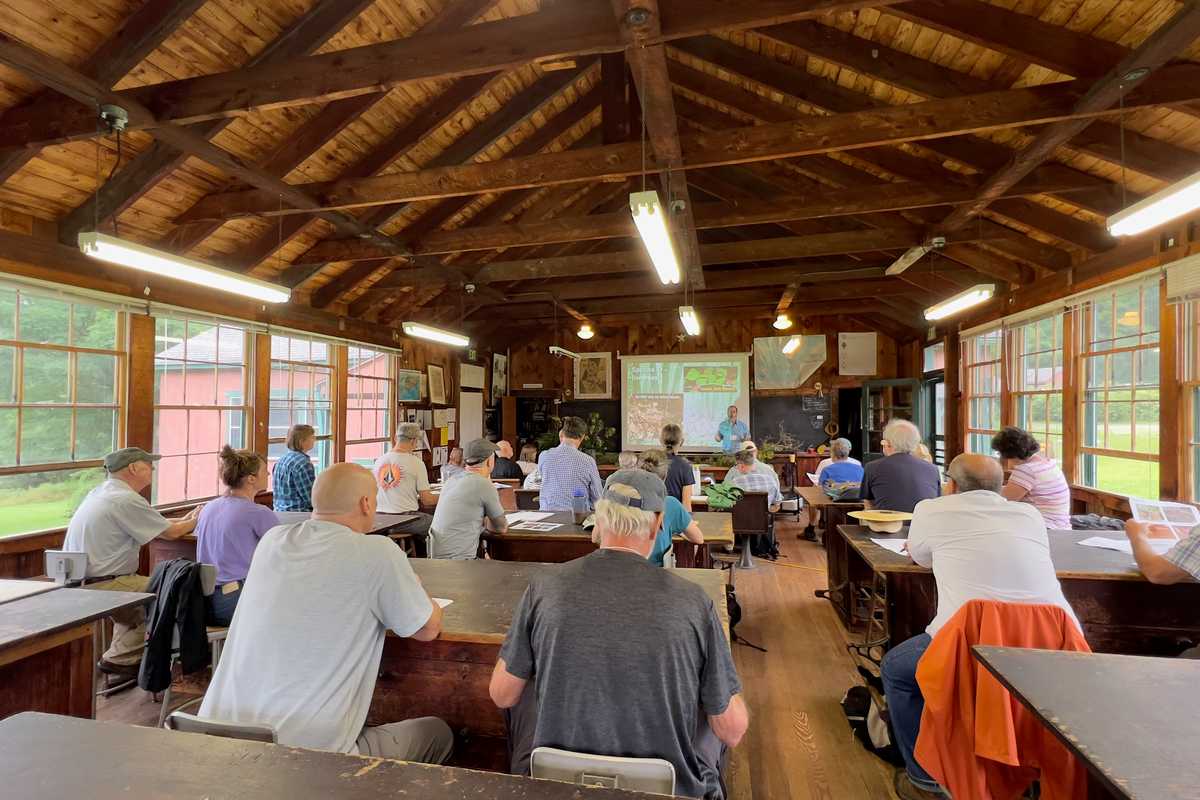
Participants in a 2024 Great Mountain Forest Woodland Academy workshop at Yale Camp.

Photo by Mike Zarfos

Great Mountain Forest (GMF) will host its first Nature Writing Retreat at the historic Yale Camp in Falls Village from Aug. 7-9, 2026. Writers of all levels are invited to draw inspiration from one of New England’s most notable forest landscapes. GMF envisions the retreat becoming an annual event celebrating writing, conservation and the relationship between people and forests.

This immersive three-day retreat reflects on the legacy of Hal Borland, the American writer and New York Times nature columnist whose work was deeply connected to this landscape. The retreat explores how wilderness shapes language, strengthens close observation and fosters environmental consciousness.

Keep ReadingShow less
From Cornwall to Rome, Adam Van Doren at Berkshire Botanical Garden

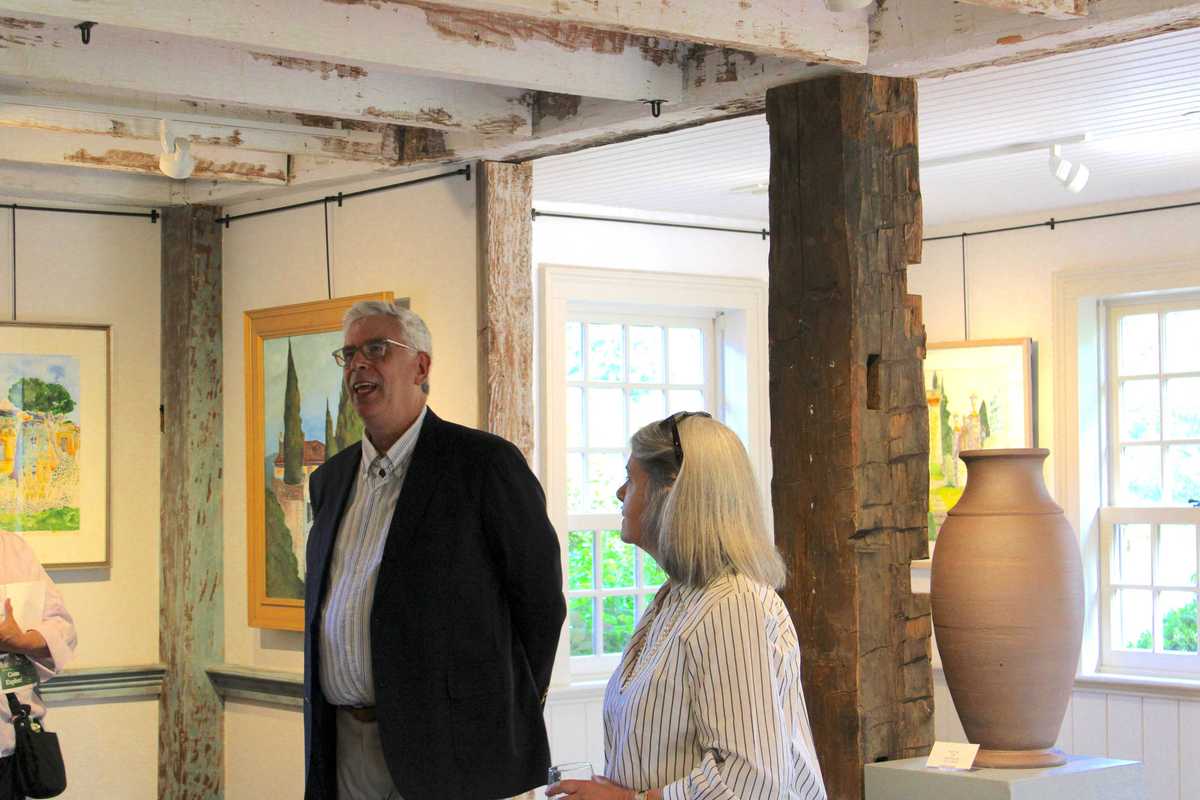
Artist Adam Van Doren and curator Donna Hassler talk to a group of visitors at the Berkshire Botanical Garden. A Stephen Proctor vessel sits to their left.

Photo by Natalia Zukerman

This summer, the Berkshire Botanical Garden in Stockbridge has hosted “Grounded in Nature: Paintings by Adam Van Doren,” an exhibition exploring the intimate relationship between architecture and the natural world.

On view for only a few more weeks in the Leonhardt Galleries, the exhibition features more than 35 watercolor and oil paintings by the New York-based artist, architect, author and Yale professor, curated by art historian Donna Hassler, director emerita of Chesterwood. The works span three distinct places that have shaped Van Doren’s artistic practice: New York City, Cornwall, Connecticut, and his travels throughout Europe.

Keep ReadingShow less
google preferred source

Want more of our stories on Google? Click here to make us a Preferred Source.
google preferred source

Want more of our stories on Google? Click here to make us a Preferred Source.