Celebrating the obvious in a 28-page study aimed at political candidates, the Connecticut Conference of Municipalities proclaimed late last year that Hartford, Bridgeport, New Haven and Waterbury are poor and have special needs and thus a special claim on state government’s resources.No one would dispute the poverty. But the report’s argument for pouring still more money into those cities was weak. Yes, the cities are home to many property tax-exempt institutions like colleges and hospitals, and state financial grants don’t fully cover the tax loss. Tax exemptions and inadequate state reimbursements cost the four cities at least $115 million each year, the CCM report says. But then, colleges and hospitals are major employers and spenders, hardly economic burdens at all. Further, the four cities get hugely disproportionate state and federal grants for education and income support for their residents. Would those cities really be much improved demographically if they were to divide another $115 million each year, maybe $30 million each? Or would most of the new money just be absorbed by the compensation of city employees?Yes, as the CCM report notes, the cities are full of nonprofit social service agencies ministering to the poor. But those agencies don’t cause poverty or strain municipal budgets; rather, they are just manifestations of the poverty already present.The four cities, the report adds, have more crime, more former offenders, more medically uninsured people and more people with bad health, as well as horrible educational performance by local students. But the report fails to note that all those circumstances long have drawn disproportionate state and federal government aid without much result.As the state and federal governments themselves do, the CCM report implicitly assumes that government cannot alleviate poverty, just administer it. Even if that assumption is granted, couldn’t government at least do something about the concentration of poverty in the cities, as by arranging inexpensive housing in the most exclusive suburbs? But the CCM report makes no mention of housing, perhaps because dispersing the poor would be too difficult politically. After all, people, including the poor themselves, move to the suburbs precisely to escape the pathologies of poverty. Nobody wants to live among former criminals, whose recidivism rate may approach 70 percent, or send his children to schools dragged down by kids who are at best neglected and at worst abused at home.Having given up on alleviating poverty, having no interest in ascertaining why public policy has failed to alleviate it and having gotten comfortable with the business of administering poverty, Connecticut long ago settled happily for poverty’s concentration. As the CCM report notes, “Connecticut as a whole has the third lowest poverty rate in the nation for families, 6.7 percent. However, the poverty rates in Bridgeport, Hartford, New Haven and Waterbury for families are at least twice as high as the state average.” CCM sees this data as evidence of failure. But most Connecticut residents — those people who don’t live in the cities — may see this data as evidence of success.CCM isn’t likely to persuade them otherwise with the pious old nonsense of the conclusion its study draws. “The health of our central cities, their suburbs and the state are linked,” CCM Executive Director Jim Finley summarizes. “Despite tough fiscal times, state government has a moral and economic imperative to provide increased assistance to Bridgeport, Hartford, New Haven and Waterbury. They are regional hubs for economic development, health care, and culture. If these hubs fail, the suburbs around them will also founder. As go these cities, so goes Connecticut.”Of course, Connecticut’s experience has been exactly to the contrary: that the poorer the cities are, the richer the suburbs are; that nothing done in the name of alleviating urban poverty has worked; that the suburbs lately have succeeded in economic development far more than the cities have; that the police in the cities can keep sufficient order around the facilities suburban residents really need, if not in city residential areas; and that cable television, CDs and DVDs supply culture far more conveniently than cities do.No, the only people who need Connecticut’s cities are the poor, and nobody yet has published the report about how to get them out of poverty. Chris Powell is managing editor of the Journal Inquirer in Manchester.
Latest News



Want more of our stories on Google? Click here to make us a Preferred Source.



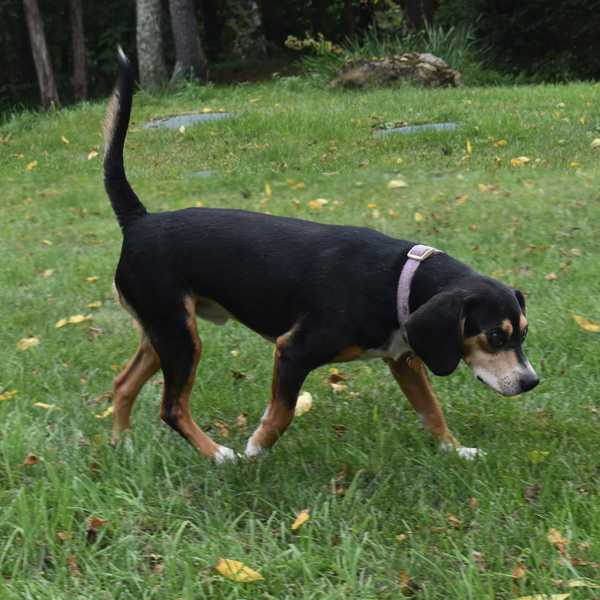
Marsala is eager to go home with you.
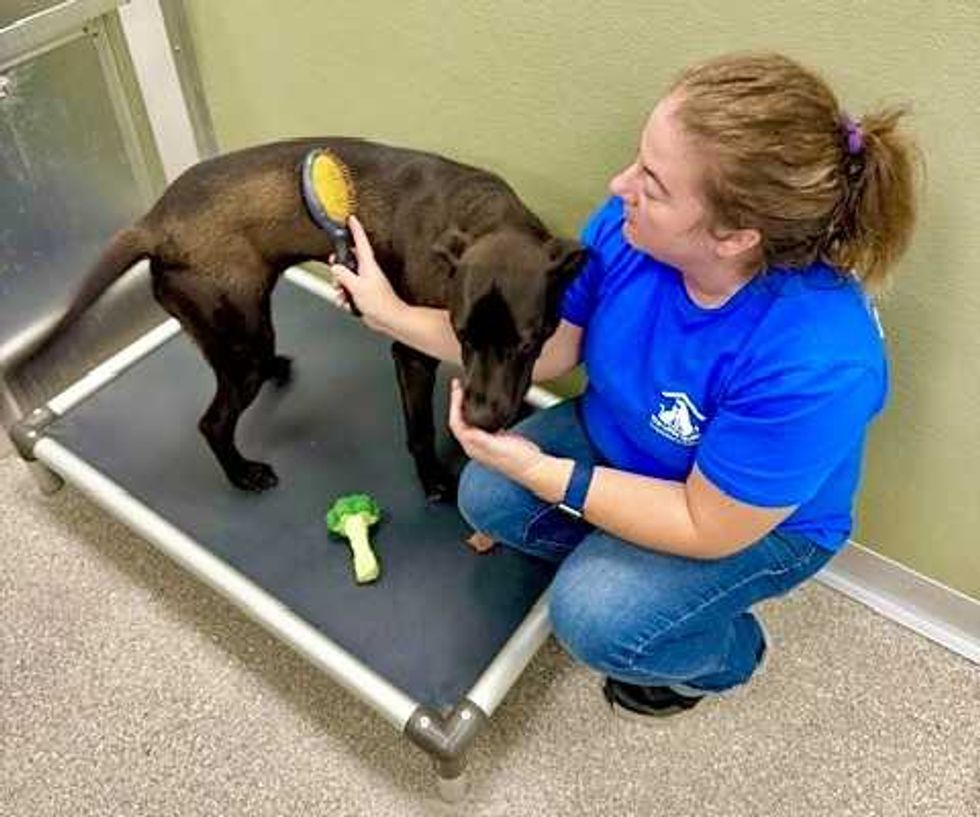 Tiffany Lemelin, shelter manager, brushing Marsala upon arrival.Provided
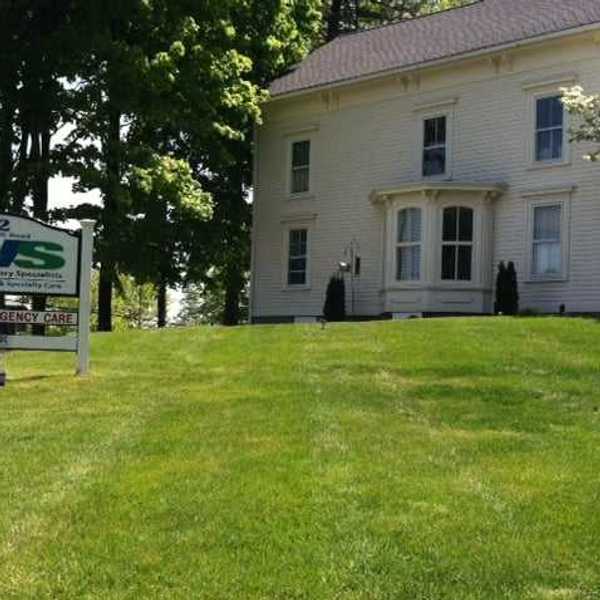
The Little Guild is an animal shelter at 285 Sharon-Goshen Turnpike in West Cornwall. Founded in 1957, the organization rescues animals from local surrenders and under-resourced shelters. When a rescue animal arrives at The Little Guild, staff begins a careful intake and transition process to ensure the animal is safe, healthy and ready for adoption.
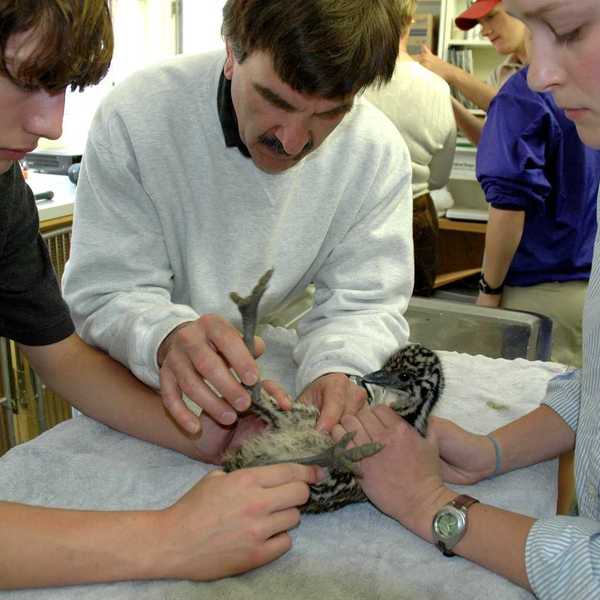
New arrivals are quarantined in-house. Vaccinations are verified as up to date, and staff assesses each animal’s medical, behavioral and placement needs. Rescues receive medical care, daily support and behavioral training to ease shelter stress. Once a dog has finished quarantine and is ready for a home, its profile is published at littleguild.org.
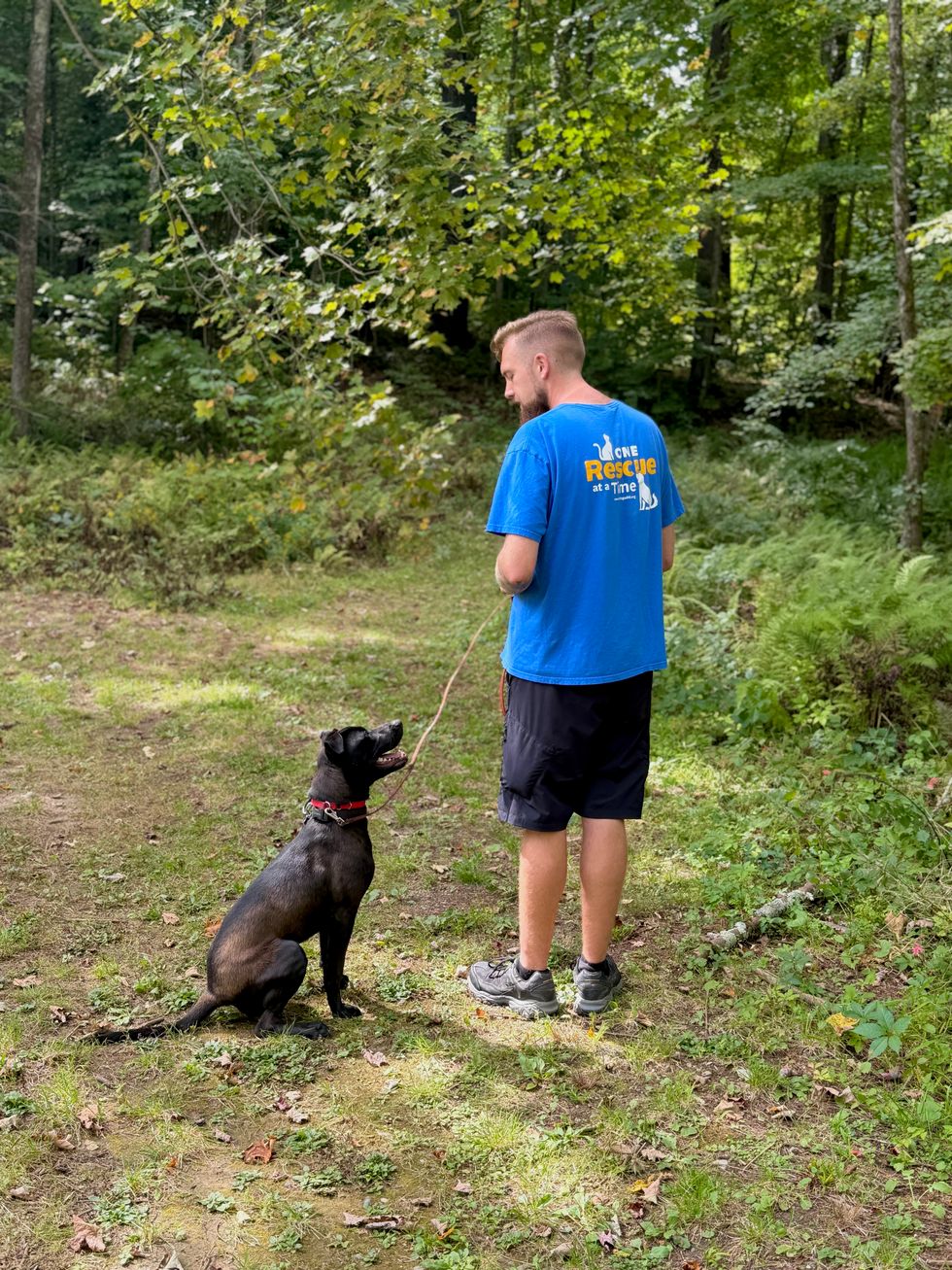 Michael DeBarba, certified dog trainer working with Marsala.Jennifer Almquist
Prospective adopters fill out an online application with information about their household and veterinary and personal references.
The next step is for the prospective adopter and family members to meet the dog. If there is already a dog in the household, a meet-and-greet is scheduled so the dogs can get acquainted.
The animal care staff offers guidance based on its knowledge of each animal’s personality, needs and quirks to help families find the best fit.
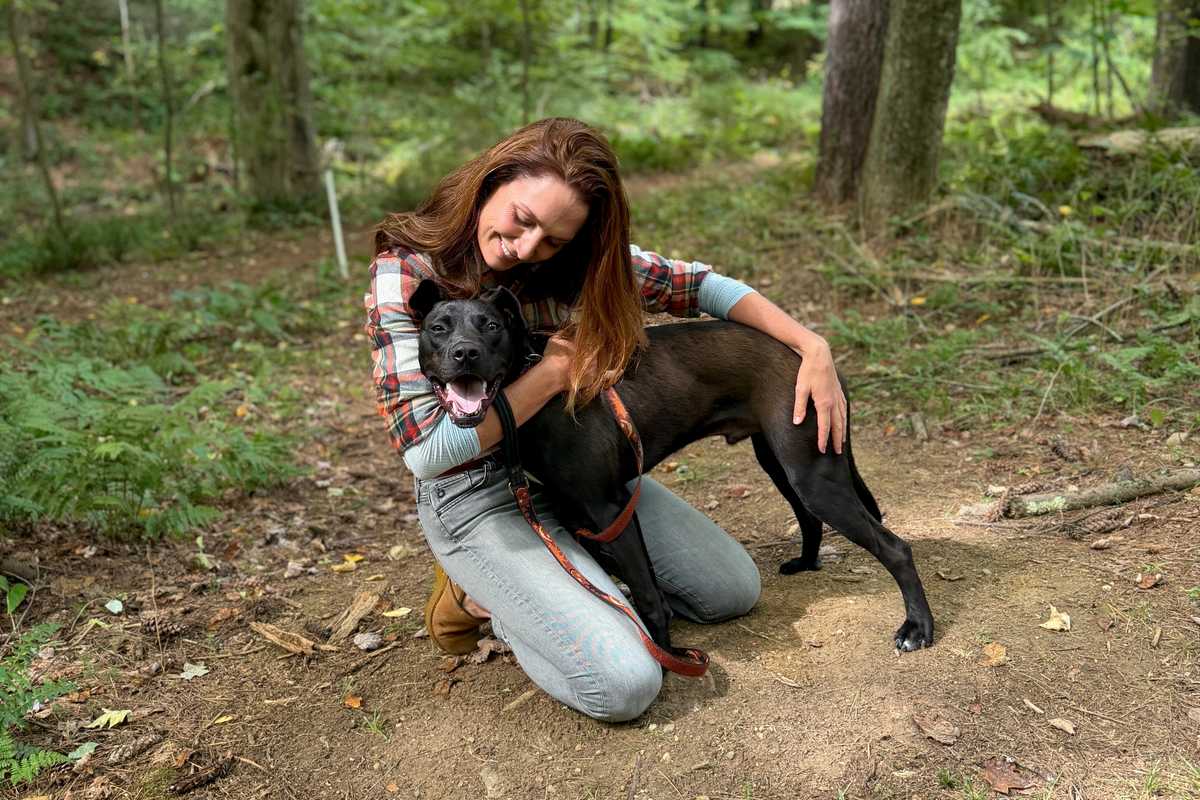 Marsala wins a heart.Jennifer Almquist
Once a match is made, the adoption contract outlines aftercare. Adopters agree to return the animal to The Little Guild if the adoption doesn’t work out. The organization’s commitment continues after adoption, with six months of free training and follow-up from staff to answer questions or address concerns.
“Please don’t pass Marsala by,” Lemelin said. “He loves people and other dogs. He’s a lap dog who lives for snuggles, cuddles and face kisses. Marsala deserves a family, a soft bed and a lifetime of being chosen.”
To find out about Marsala and other rescue dogs and cats, visit littleguild.org
Want more of our stories on Google? Click here to make us a Preferred Source.