You can almost see the panic on their faces. The politicians, central bankers and court economists seem to be thrashing around like bad swimmers caught in a riptide. Despite all attempts — stimulus spending, increased borrowing, the Fed Reserve’s low-interest-rate policy, presidential jaw-boning — the economy refuses to recover. Unemployment remains over 9 percent, investment is stagnant and even the previous paltry growth is fading. People increasingly see the government as impotent.
If it weren’t for the innocent victims, this would be satisfyingly entertaining. After all, these are the reputed best and brightest, who assured us they know how to fix and run an economy. Now they are at wits’ end and they’re running out of time. The election is next year.
Had they heeded those who said no government can run an economy but it can run one into the ground if it tries, neither they nor we would be in this mess.
Of course the policy elite try to maintain a façade of confidence. If government stimulus spending hasn’t worked, the “experts” say, it’s only because government hasn’t spent enough. If you believe that, you’ll believe anything. The government already owes about as much as the economy can produce in a year.
Political-economic faith resists evidence. There’s always a reason — other than government itself — for its policy failures. Those of us who believe that markets (when allowed to work) are morally and economically superior to bureaucracies are called “market fundamentalists.”
It is true that when markets seem to fail, we point to the government intervention responsible. If that is market fundamentalism, what should we call those who believe government never fails and prescribe more government whenever it appears to do so?
President Obama’s most ardent government-fundamentalist supporters say that focusing on the deficit and debt is a mistake. The only thing the president should be thinking about, they say, is jobs. That means more government spending, along with a few tweaks of the tax code. Debt and deficit be damned.
But haven’t our overlords already done that, with nothing good to show for it? The ruling elite don’t appreciate such skepticism. Leave them alone. They’ll get it right next time. They promise.
Despite what Obama, Fed Chairman Ben Bernanke and the rest of the ruling elite say, their policies are the poison not the antidote. Monetary, financial and housing policies created an unsustainable boom and set the stage for the bust we continue to suffer.
Since the bust, the Bush-Obama policies have worked against the emergence of a vibrant economy. Instead of getting out of the way and permitting the liquidation of policy-induced bad investments, government has piled intervention on intervention in a foolhardy attempt to recreate the pre-bust world.
That is idiocy: The boom was a politically generated series of economic distortions. Restoring that situation makes no sense.
Rather, the mistakes must be revealed through market revaluation of assets, insolvent firms must be allowed to fail, and we all must adjust to reality. Then the economy will grow. To date, the government’s policies have been aimed at denying reality. No wonder they have failed.
“What should be done?” is the wrong question The right question is: What should be undone? The answer is: Lots of things.
A good start would be for the government to stop sucking scarce resources out of the private economy. Every penny government spends — whether taxed or borrowed — is a penny taken from potential private investment. Government spending — particularly welfare and warfare — must be zeroed out and its borrowing must stop.
That should be accompanied by an end to all subsidies, privileges and barriers to competitive entry. The tax code, which aims to manipulate our economic activities as well as raise money, must be repealed.
But, the policy elite say, if no one is investing their money now, why would they invest if they could keep more? Investors are afraid to move because of uncertainty about what government will do next.
The policy unknowns — sources of which include rules yet to be written for Obamacare and Dodd-Frank — make waiting on the sidelines the smart bet. Credibly ending the threat of government intervention would do wonders for the economy.
Sheldon Richman is senior fellow at The Future of Freedom Foundation (www.fff.org).
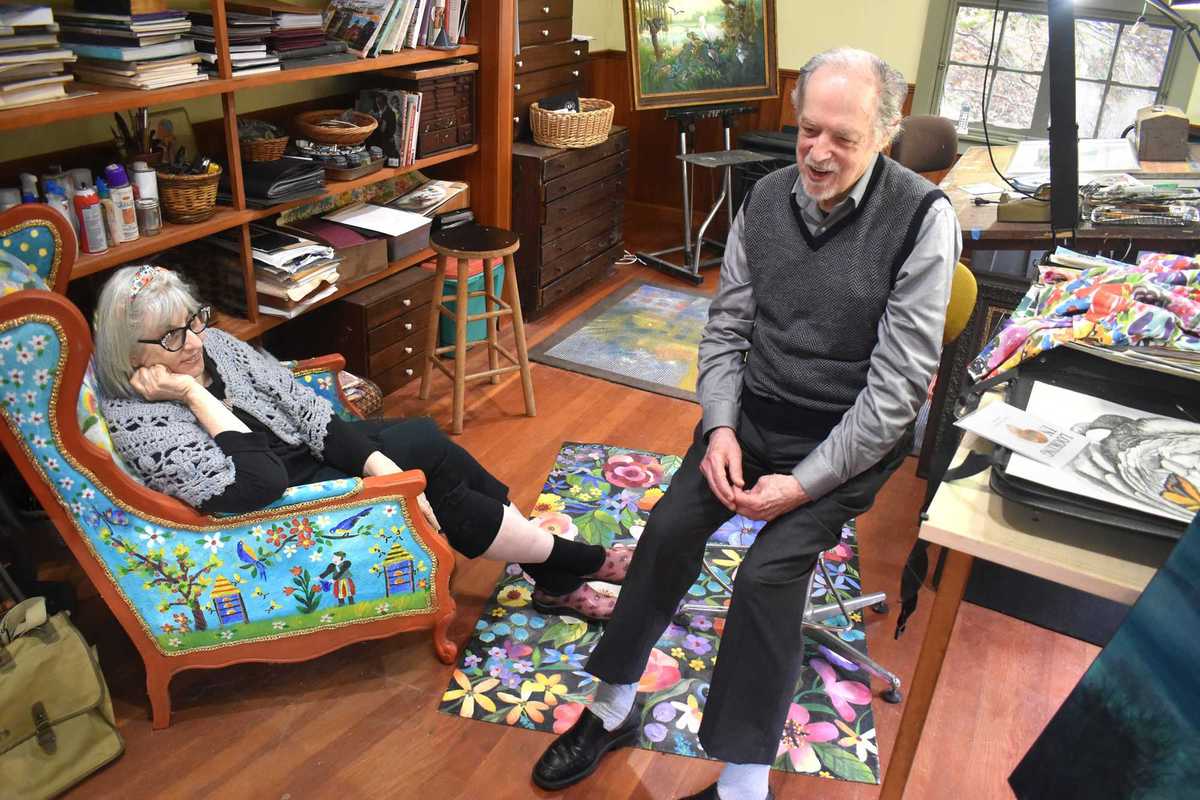
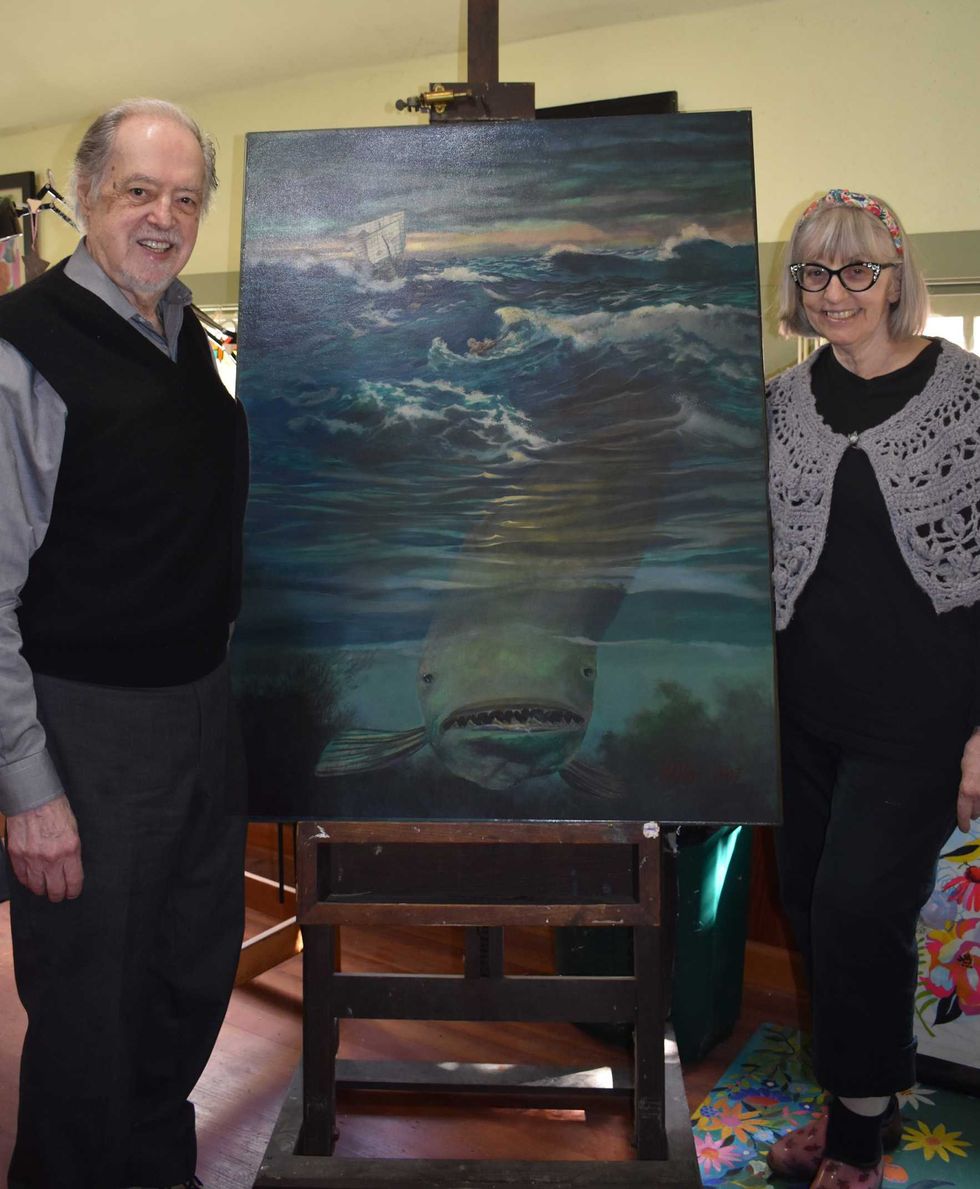 Justine and Victor Valla in their studio with a painting of Victor’s,”Jonah and the Whale.” Robin Roraback


 A ceramic vase by Kathleen Heidemann.Provided
 Joy Brown’s delightful ceramic sculptures.Provided

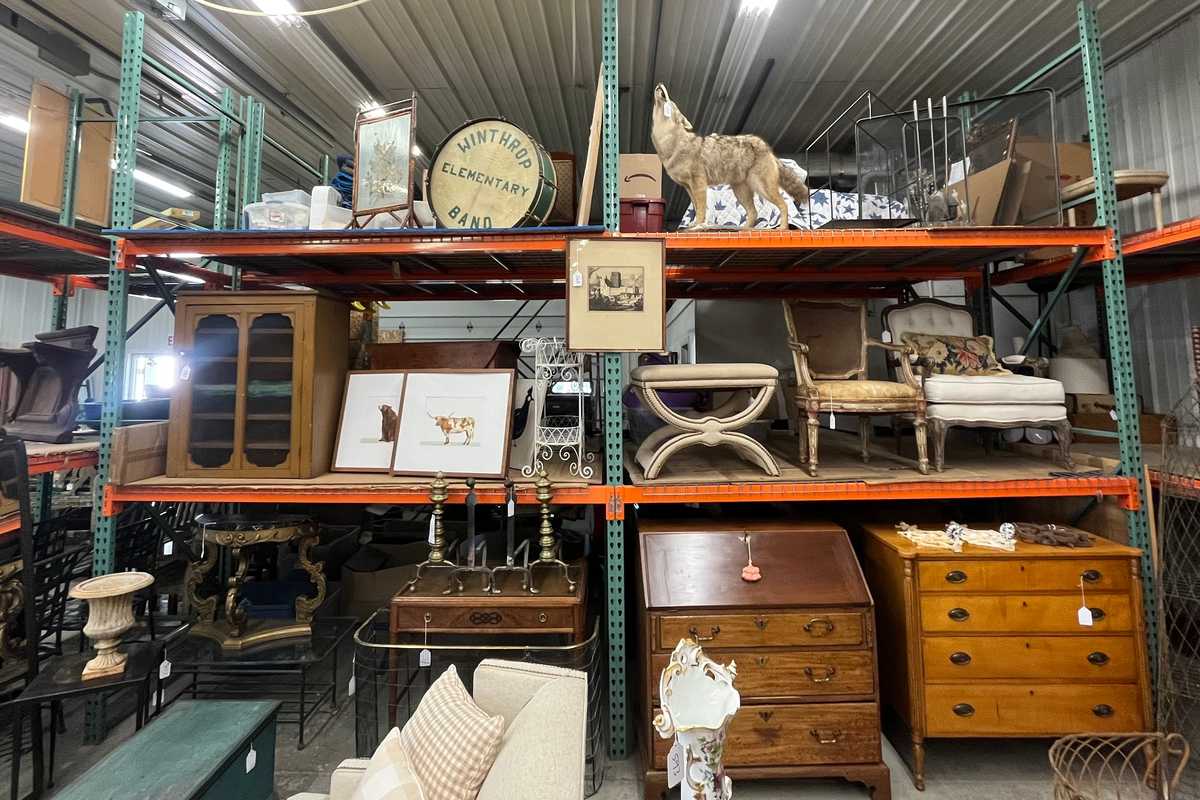
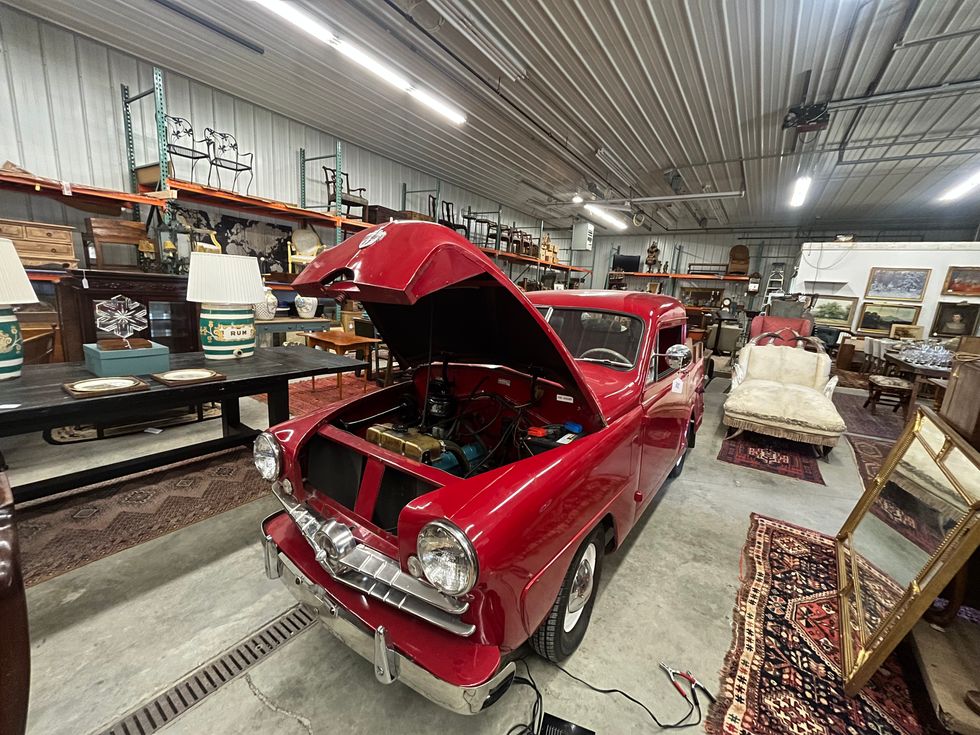 Hundreds of items at Stateline Auctions, including a candy-apple-red Crosley pickup truck.D.H. Callahan