Thank you!
Your support is sustaining the future of local news in our communities.

The plastic conundrum

Living in this area — in the inarguably lovely Harlem Valley — it’s hard not to be an environmentalist of sorts. Even if not hard-core, most people around here appreciate the scenic beauty and natural resources found in our rural towns and villages. 

In an effort to preserve what we have, Townscape of Millerton and North East — a grassroots community betterment group that plants trees, hangs holiday decorations and maintains the composting toilets at the head of the Harlem Valley Rail Trail — decided to challenge local residents. The hook? See how much plastic one uses in his or her daily life, and then figure out how much of the material gets used during a two-week period. The effort comes just in time for Earth Day, which falls on Monday, April 22.

It’s called the Eco Challenge, and according to Townscape President Jeanne Vanecko, it’s a chance for the community to step back from its plastic consumption.

“The numbers… may seem overwhelming,” Vanecko told Millerton News reporter Kaitlin Lyle last week. “I hope through this challenge people will come to realize that you can only get to those large numbers through the small numbers… and that means you can reverse that process by a lot of individuals changing their behavior.”

To help gauge how much plastic one uses during the day, participants are asked to keep a daily record. They can track how many plastic straws, plastic bottles, plastic bags and plastic cups they use in the tabulation booklets that can be picked up throughout the village. Then, along with registering their data in those booklets, they can log in their plastic use online.

“When we total everybody’s numbers, they’re going to be aghast at how much plastic a small community like ours uses,” said Vanecko.

She’s right. Let’s focus on single-use plastic bags for now. According to a study published in Waste Management, released in 2007, “between 500 billion and 1.5 trillion plastic shopping bags are used each year worldwide.” That was 12 years ago. 

And, across the globe, just a fraction of plastic bags are “successfully diverted” according to the United States Environmental Protection Agency (USEPA). Fewer than 5 percent of those bags are recycled in this country, with the rest winding up in landfills or “unintentionally released into the environment.” 

Additionally, the Journal of Environmental Politics states that 100 billion plastic shopping bags are used each year in the U.S.

It’s no wonder that according to the New York State Plastic Bag Task Force Report, plastic bags are problematic. Because, it states, bags are:

• Derived from fossil fuels

• A source of litter on land and in waterways

• A source of avoidable excess packaging waste used for mere minutes

• Harmful to marine habitats and wildlife

• Create tangles and jams in recycling and waste water processing equipment

• Costly for municipalities and recycling centers in terms of time and money to manage

“It is estimated that by 2050, there will be more plastic by weight in the world’s oceans than fish,” claims the report.

Gov. Cuomo and the Democratic-controlled State Legislature passed a  single-use plastic bag ban just in time for $175.5 billion budget adoption. The ban outlaws the use of single-use plastic bags (with some exceptions) and allows for municipalities to tack on a 5 cent tax for paper bags — all in an effort to encourage use of reusable bags. The budget deal means the ban will go into effect by this time next year. 

We’re glad the governor had the foresight to suggest the ban in the first place, following in the steps of California, the first and only other state to enact a state-wide single-use plastic bag ban, though all Hawaii counties ban the bags as well. Any way in which we can reduce our carbon footprint — especially in our local communities — should be considered as we look toward the future. Relying less on plastic bags is one way to do so. Another good tactic? Take Townscape’s Eco Challenge.

To learn how to participate in the Eco Challenge, read Lyle’s story on this week’s front page, pick up a tabulation booklet from any Main Street merchant or log onto www.millertonecochallenge.com. The login code is “ecosite.”

Latest News

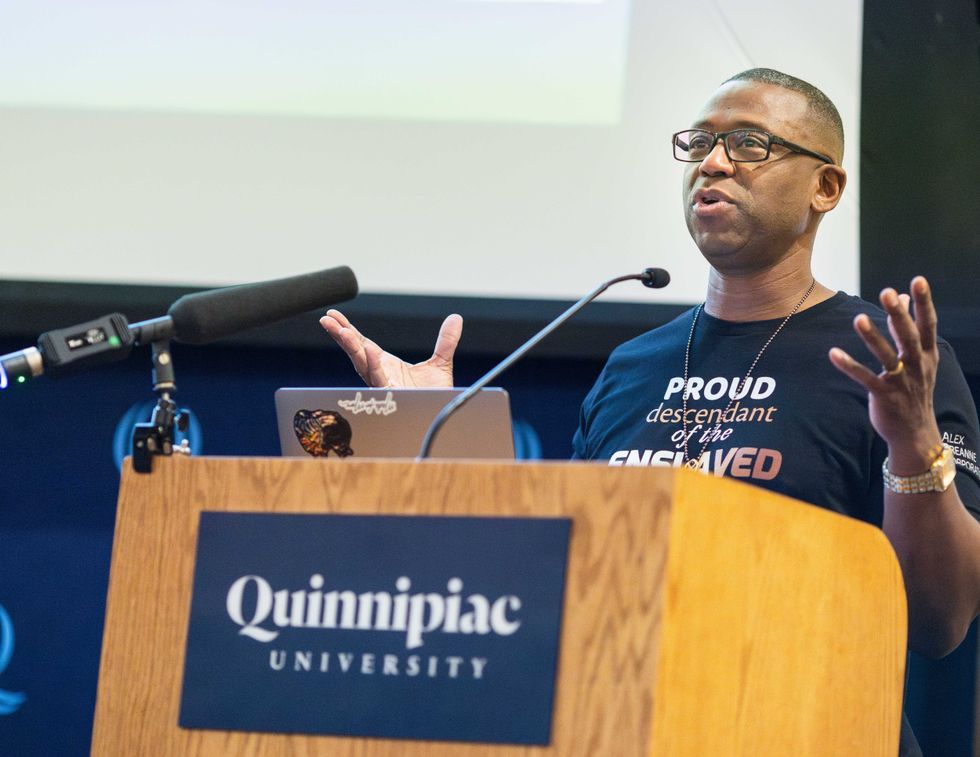
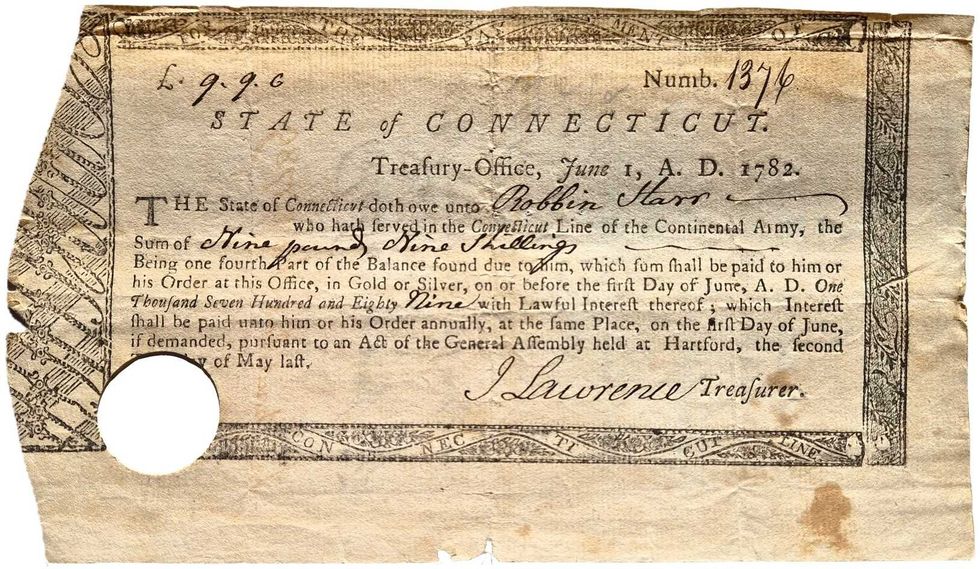
Cornwall Historical Society celebrates Connecticut’s Black patriots

On Saturday, Oct. 24, at the Cornwall Historical Society, author and genealogist John Mills will breathe new life into the stories of some of Connecticut’s more underappreciated patriots. The reason these heroes were forgotten? They were Black.

At a time when white colonists were fighting for their own liberty and political independence, many Black men who fought alongside them remained enslaved. Some risked their lives only to return to bondage. Though enslaved people were promised freedom from both sides of the Revolutionary War in exchange for their service, Great Britain, too, was still deeply dependent on slavery. For Black people in America, the war presented both extraordinary risks and uncertain paths to the freedom that white colonists were demanding for themselves.

Keep ReadingShow less

A sanctuary for second chances

A sanctuary for second chances

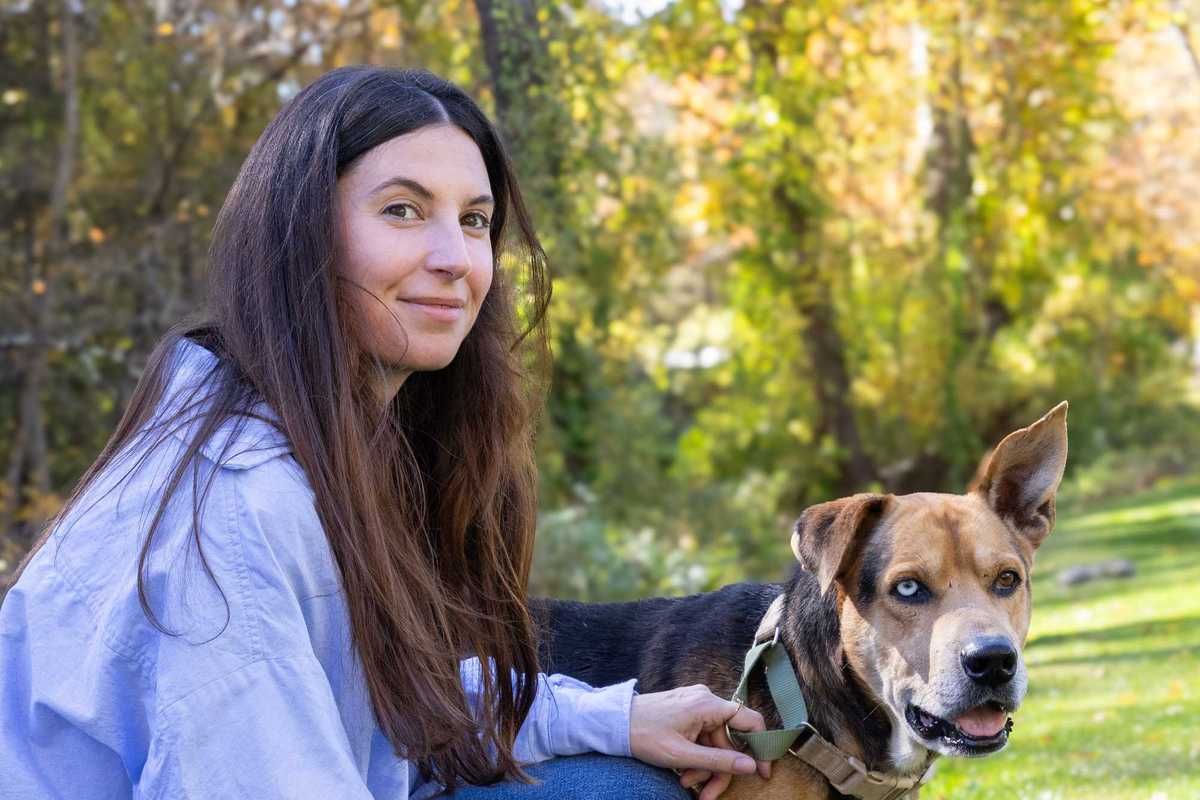
Stephanie Saetta runs Charlie Chicken Bones, a sanctuary in Salisbury.

Madi Long
You only get one or two of these soul connection dogs, so I do this in his honor.
— Stephanie Saetta

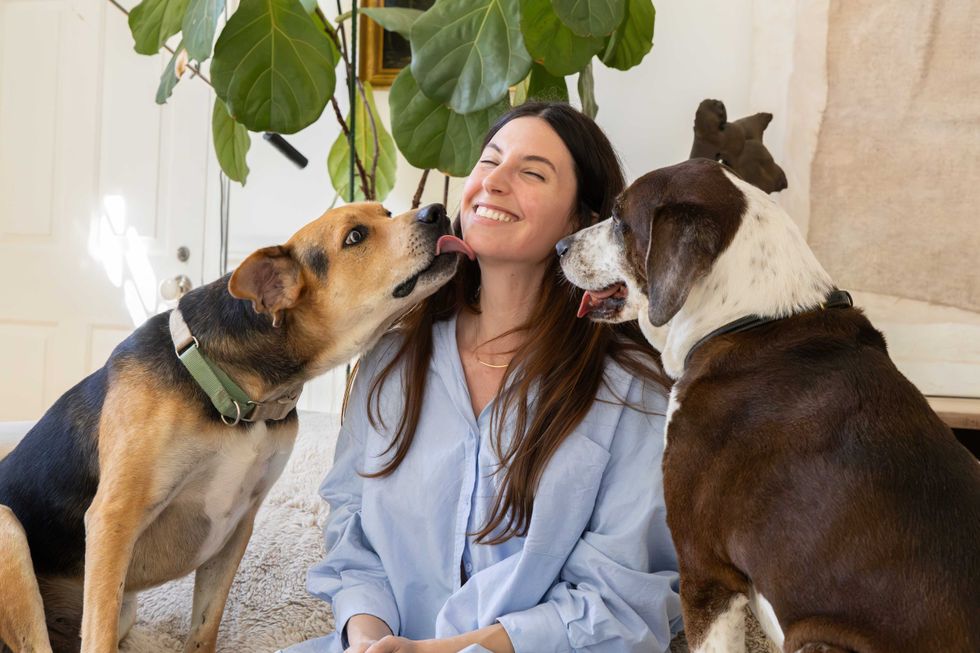
Stephanie Saetta has spent much of her life caring for others. A physician at White Plains Hospital, she has another calling at home in Salisbury — one that has four legs and a wagging tail. She runs Charlie Chicken Bone Sanctuary, a nonprofit dog rescue that brings dogs from overcrowded pounds and the streets of Texas to foster homes in northwestern Connecticut, where they can begin again.

The sanctuary is named for Charlie, the dog who taught her how special a bond between a person and rescue animal can be.

Keep ReadingShow less
Big ideas come to Lenox for inaugural field festival

Hunter Runnette, founder and board chair of field, has spent years fostering arts and cultural programming in the Berkshires.

Provided

What do joy, gardening, artificial intelligence, the American experiment and the creative process have in common? Quite a lot, as it turns out, at least when some of the world’s most compelling thinkers get together to talk about them.

From Friday, Oct. 23, through Sunday, Oct. 25, Lenox, Massachusetts, will host the inaugural field festival, a three-day gathering of writers, artists, scholars and cultural figures at Shakespeare & Company. Billed as a festival of ideas, entertainment, learning and discovery, field brings together an impressive roster of voices to explore everything from the deeply personal to the profoundly political.

Keep ReadingShow less
google preferred source

Want more of our stories on Google? Click here to make us a Preferred Source.

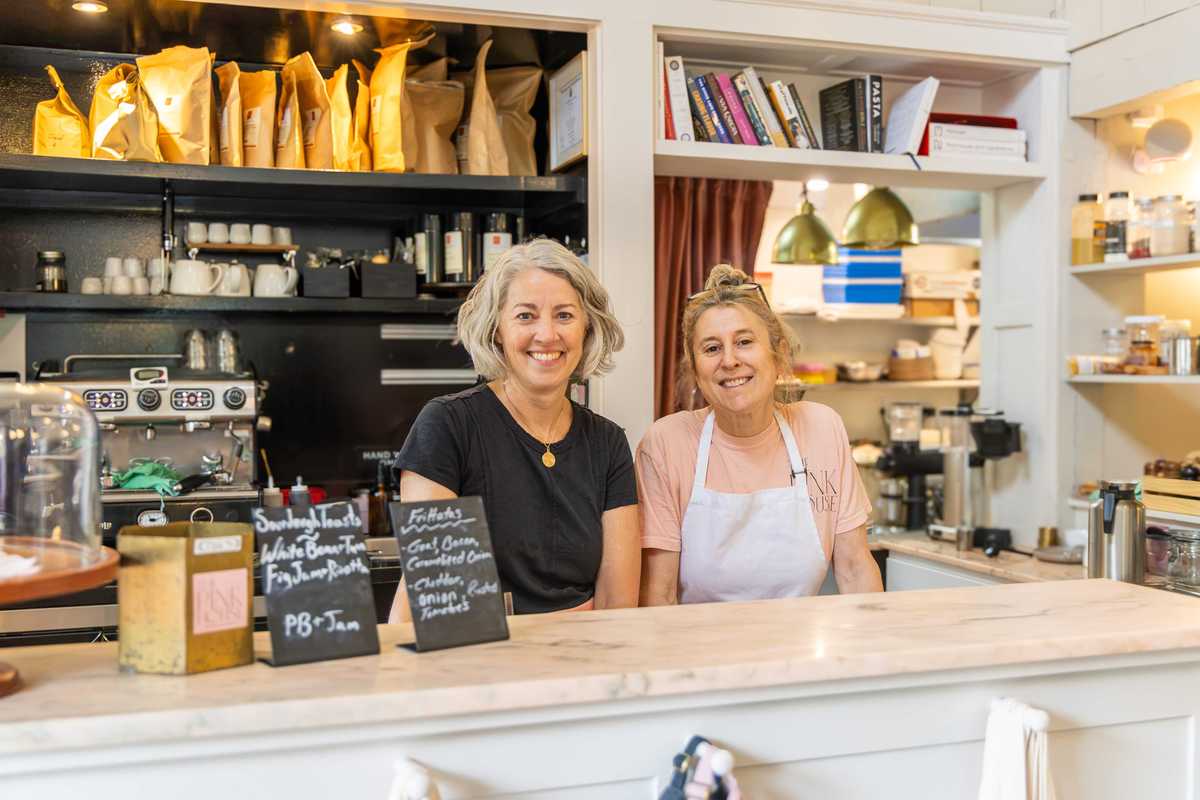
The Pink House AM is serving up community

Mare Rubin and Maggie Levine of the Pink House AM.

Madi Long

It all started with a yoga class. Mare Rubin was working on her second act after leaving the Upper West Side, where she’d raised a family and worked in corporate marketing. Newly empty nesters, she and her husband decided to move to the wilds of northwestern Connecticut, where they had spent 15 years as weekenders, to see what life in the woods had in store for them.

Rubin started teaching yoga classes at the Union in West Cornwall, a space designated by the town of Cornwall as a community hub with couches, Wi-Fi, occasional events and a growing yoga class schedule. She was adjusting well but missed one important thing about city life: a casual coffee shop.

Keep ReadingShow less
Sons of Astro are musicians, friends and bandmates — in that order

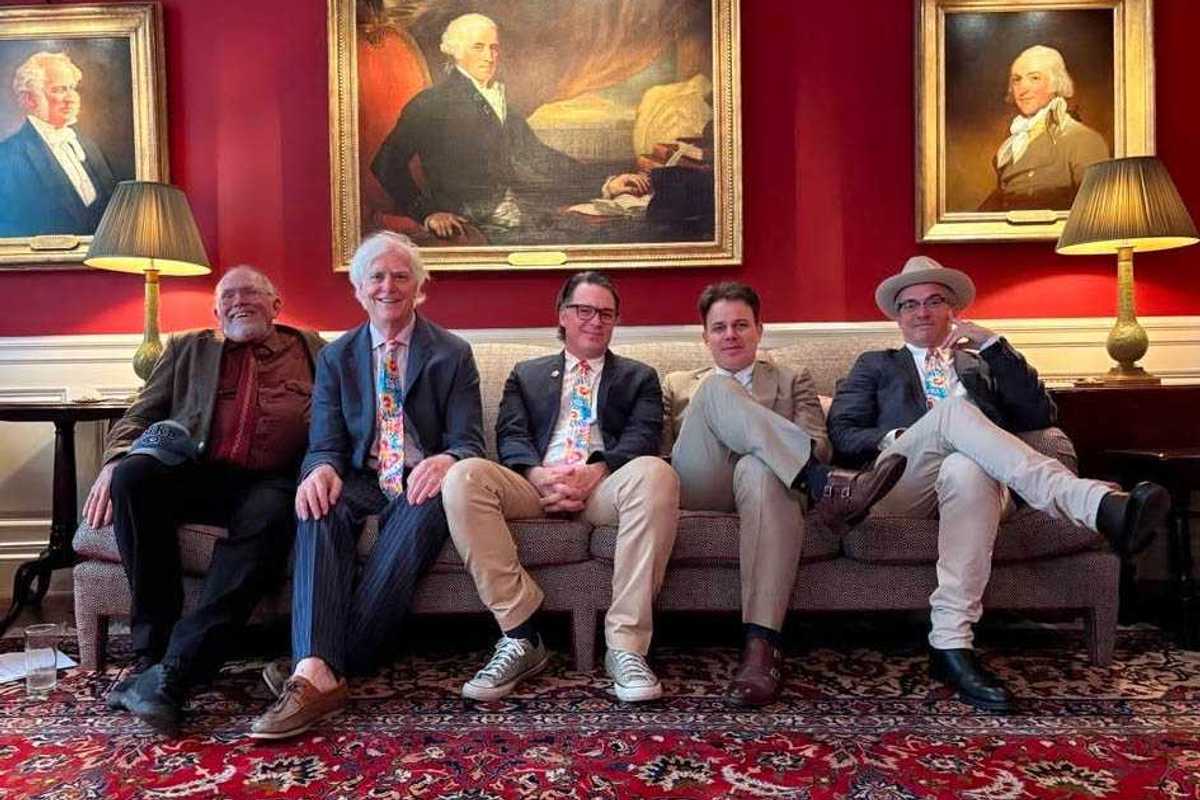
The Sons of Astro will be at the Common Pub in Housatonic on Oct. 24 and the 2nd Home Lounge in Winsted on Nov. 14.

Provided

No matter where they are in the world, musicians seem to find other musicians. There’s a shared language, a shared experience of being on stage and performing, and a shared enthusiasm for making those melodies by themselves or together. Such is the case with Norfolk and Brooklyn-based cosmic Americana band Sons of Astro.

That magnetic musicians’ bond drew Brooklyn-based singer-songwriter and multi-instrumentalist Mike Cobb into the orbit of singer-songwriter and multi-instrumentalist Matt Statler. The two neighbors took to each other right away and were soon playing open mics together. As an ethics professor at NYU’s Stern School of Business, Statler made the case that if he sat in for Cobb’s set and Cobb sat in for Statler’s, they could play together and double their stage time. Clearly, these men wanted to make as much music as possible. That became a little harder when Cobb and his family moved up to Norfolk, Connecticut.

Keep ReadingShow less
One more weekend to get inside the art at ArtEast

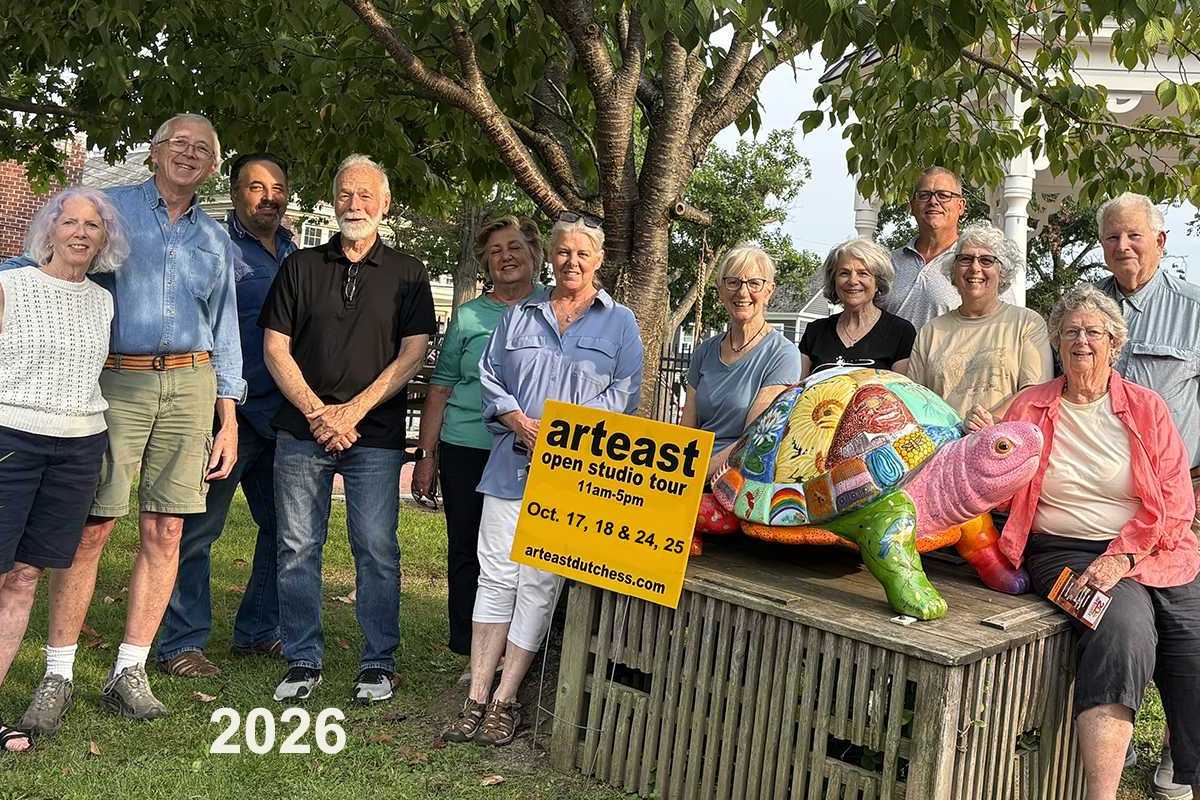
The participating artists in this year’s ArtEast open studios.

Provided

ArtEast’s annual October Open Studio Tour is already underway, but there’s still one more weekend to step inside the creative worlds of artists working throughout eastern Dutchess County. On Saturday and Sunday, Oct. 24 and 25, artists will once again open their studio doors, inviting visitors to see where the work happens, meet the people who make it and perhaps discover something worth taking home.

Now in its 21st year, the ArtEast October Open Studio Tour offers a self-guided journey with participating studios in Holmes, LaGrangeville, Hopewell Junction, Pawling, Patterson, Poughquag and Wingdale. Visitors can explore painting, photography, sculpture, mixed media and other artistic practices, and get some leaf-peeping in at the same time.

Keep ReadingShow less
google preferred source

Want more of our stories on Google? Click here to make us a Preferred Source.

google preferred source

Want more of our stories on Google? Click here to make us a Preferred Source.