Thank you!
Your support is sustaining the future of local news in our communities.

Raise the bar for better schools for all students

More than a half a century after the Brown v. Board of Education decision legally ended school segregation, we don’t like to be reminded that our children continue to attend separate and unequal public schools here in Connecticut and across the nation.

Examples of how separate and unequal our schools can be were evident recently at a predominantly white Glastonbury school and a mostly minority Waterbury school.

In Waterbury, 15 teachers and two administrators were put on paid leave while their suspected involvement in changing a school’s poor test scores is being investigated.

In Glastonbury, a middle school decided to stop giving the names of seventh- and eighth-graders on the honor roll to the local paper because the few kids who don’t make the honor roll feel bad about it.

What happened in Glastonbury is dumb; what happened in Waterbury is criminal; but what happened in both places calls attention to the consequences of the economic/geographic segregation we know about but don’t care to deal with.

Similar incidents have been reported in other states as teaching to the test has been helped along by cheating on the test in many places, with the cheating being done by the teachers and their bosses. In Atlanta, 200 school employees have admitted to changing test scores in a citywide scandal.

In the Waterbury school, the cheater teachers went a bit too far and inadvertently transformed their school into one of the best public schools in the nation and a model for closing the achievement gap.

Their test erasures raised the scores in reading for third-graders from 56 percent to 90 percent. Test scores for fourth-graders showed improvements to 94 percent in reading and a rather impressive 100 percent in math. The teachers doing the erasing apparently hoped no one would notice, leaving one to conclude the problem isn’t exclusively about students who aren’t too smart.

Cheating scandals are a byproduct of the pressures on schools to increase test scores or face stiff penalties, including teacher dismissals and school takeovers, under provisions of the No Child Left Behind Act. As a result, the secretary of education is granting waivers from provisions of a law generally considered unworkable in some of the poorest, urban schools.

As problematic, in a way, as the doctored test scores in some schools are the inflated grades awarded in not only suburban, well-to-do public schools, but up to and including the Ivy League.

Inflated college grades became such a scandal a few years back, college administrators instituted reforms and the A once again became less frequent while the C and D enjoyed a revival.

The test scores made by children in suburbia are almost always higher than the city children’s, but in Glastonbury, the number of kids who get enshrined on honor rolls appears to be higher still.

There were so many on the honor roll at Glastonbury’s Smith Middle School, the few who don’t make it “stand out,” rather than those who do, according to the superintendent. It makes you wonder if the honor roll is quite the honor it should be.

The Glastonbury school intends to keep its top heavy honor roll but it’s going to be semi-secret. The students will know who’s on and who’s not but it won’t be published in the paper that most local citizens read.

It doesn’t seem to have occurred to the school officials that the most sensible way to save the honor roll and make it mean something would be to make it harder to be honored.

Raise the standards. A foreign concept to many of our schools, perhaps, but one ripe for revival.
 

Simsbury resident Dick Ahles is a retired journalist. Email him at dahles@hotmail.com.
Latest News

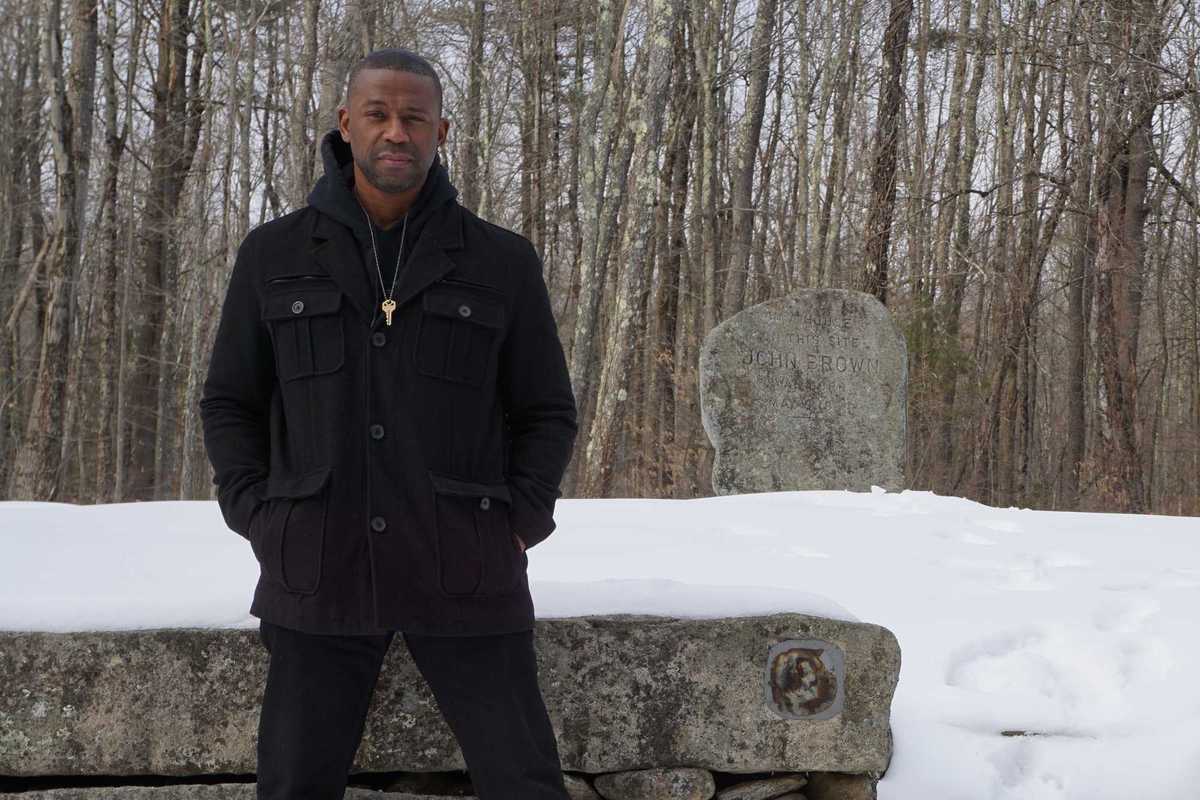
Cornwall Historical Society celebrates Connecticut’s Black patriots

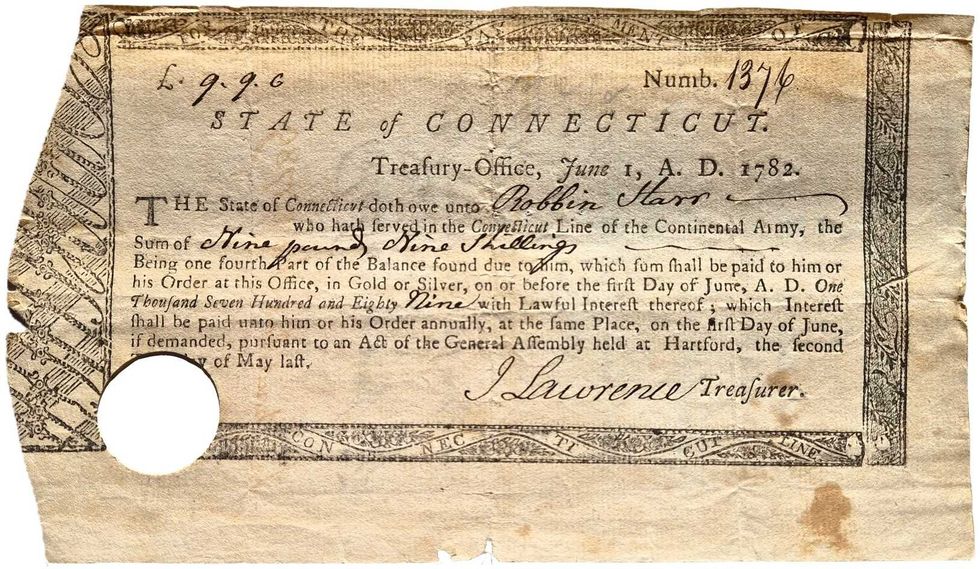
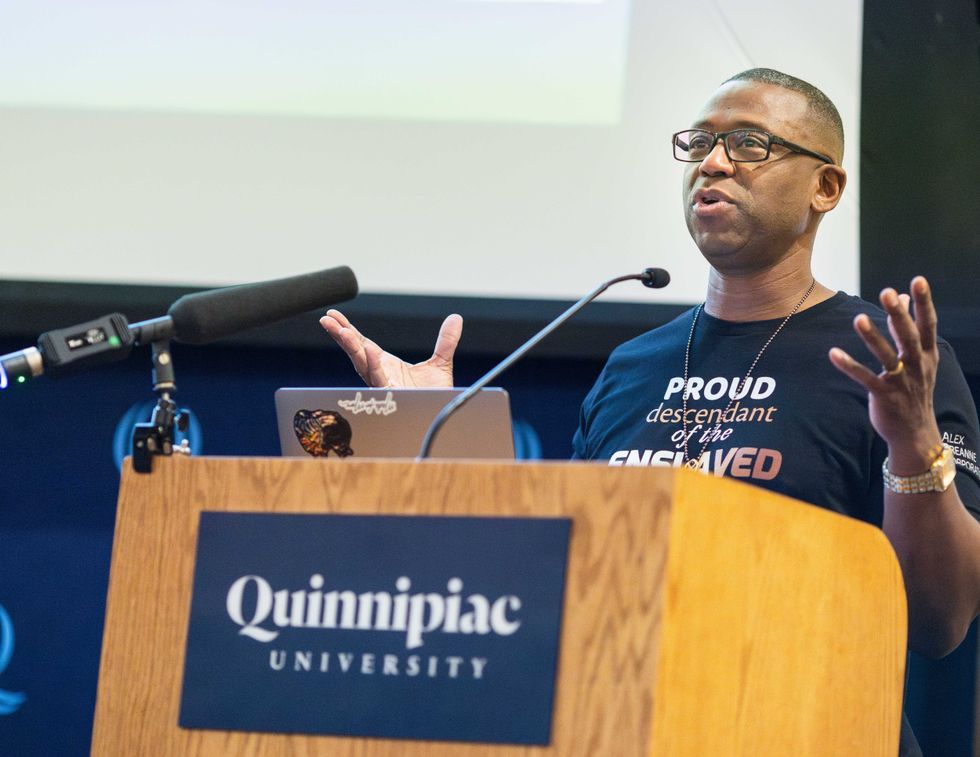
On Saturday, Oct. 24, at the Cornwall Historical Society, author and genealogist John Mills will breathe new life into the stories of some of Connecticut’s more underappreciated patriots. The reason these heroes were forgotten? They were Black.

At a time when white colonists were fighting for their own liberty and political independence, many Black men who fought alongside them remained enslaved. Some risked their lives only to return to bondage. Though enslaved people were promised freedom from both sides of the Revolutionary War in exchange for their service, Great Britain, too, was still deeply dependent on slavery. For Black people in America, the war presented both extraordinary risks and uncertain paths to the freedom that white colonists were demanding for themselves.

Keep ReadingShow less

A sanctuary for second chances

A sanctuary for second chances

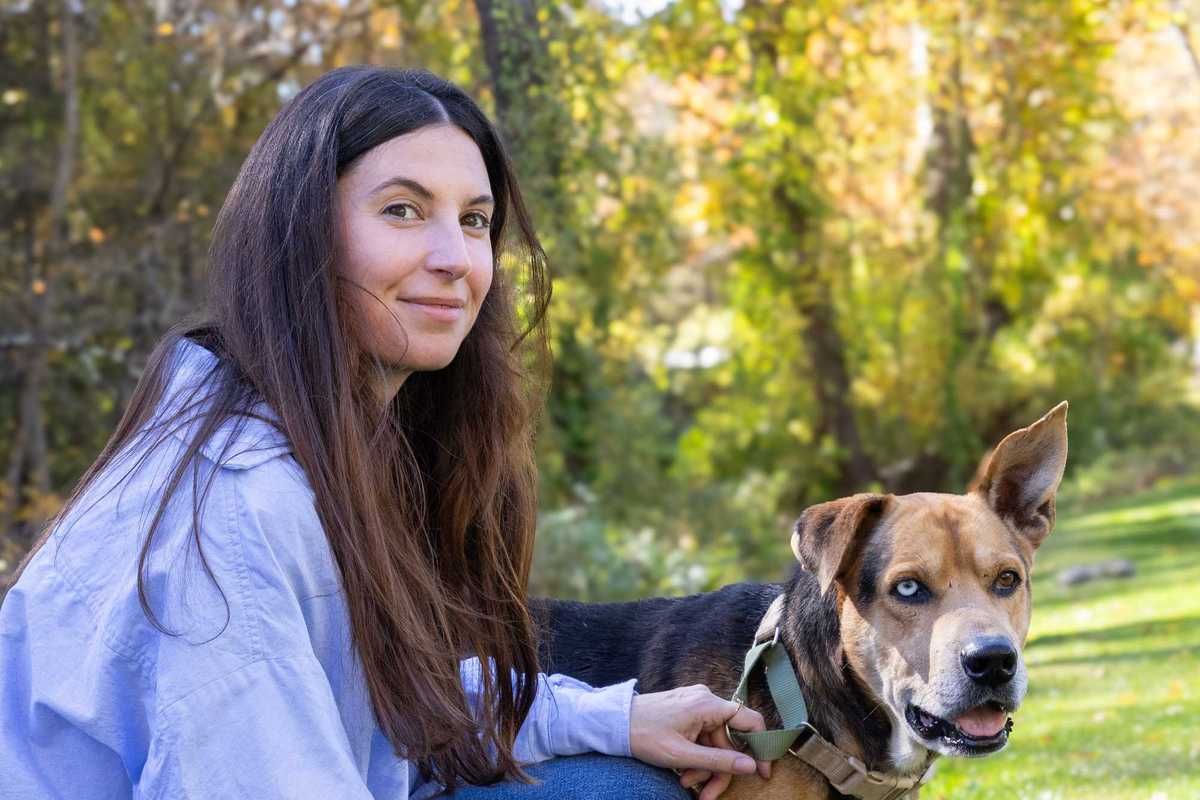
Stephanie Saetta runs Charlie Chicken Bones, a sanctuary in Salisbury.

Madi Long
You only get one or two of these soul connection dogs, so I do this in his honor.
— Stephanie Saetta

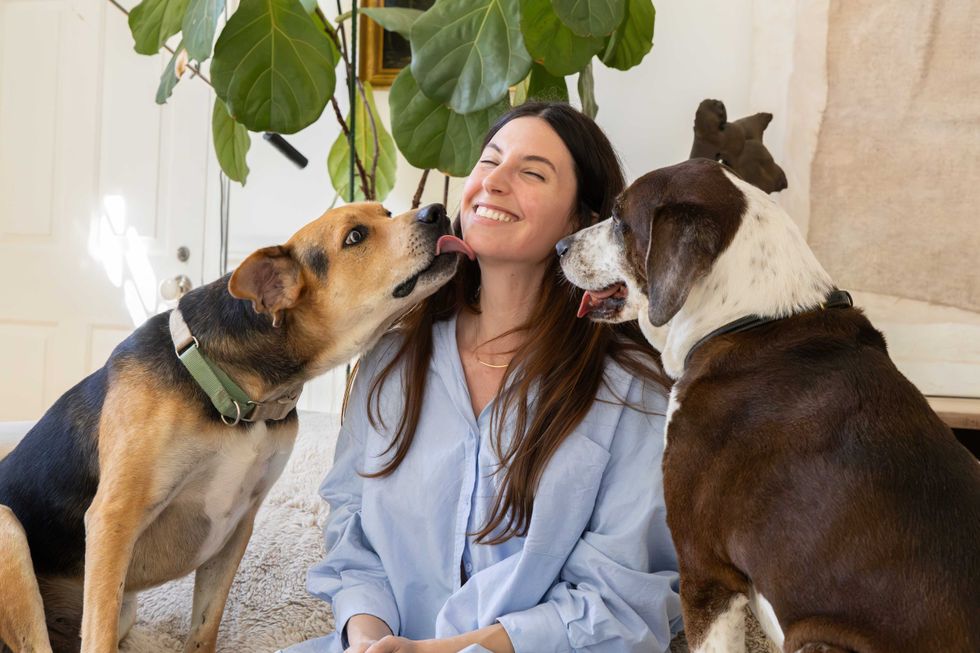
Stephanie Saetta has spent much of her life caring for others. A physician at White Plains Hospital, she has another calling at home in Salisbury — one that has four legs and a wagging tail. She runs Charlie Chicken Bone Sanctuary, a nonprofit dog rescue that brings dogs from overcrowded pounds and the streets of Texas to foster homes in northwestern Connecticut, where they can begin again.

The sanctuary is named for Charlie, the dog who taught her how special a bond between a person and rescue animal can be.

Keep ReadingShow less
Big ideas come to Lenox for inaugural field festival

Hunter Runnette, founder and board chair of field, has spent years fostering arts and cultural programming in the Berkshires.

Provided

What do joy, gardening, artificial intelligence, the American experiment and the creative process have in common? Quite a lot, as it turns out, at least when some of the world’s most compelling thinkers get together to talk about them.

From Friday, Oct. 23, through Sunday, Oct. 25, Lenox, Massachusetts, will host the inaugural field festival, a three-day gathering of writers, artists, scholars and cultural figures at Shakespeare & Company. Billed as a festival of ideas, entertainment, learning and discovery, field brings together an impressive roster of voices to explore everything from the deeply personal to the profoundly political.

Keep ReadingShow less
google preferred source

Want more of our stories on Google? Click here to make us a Preferred Source.

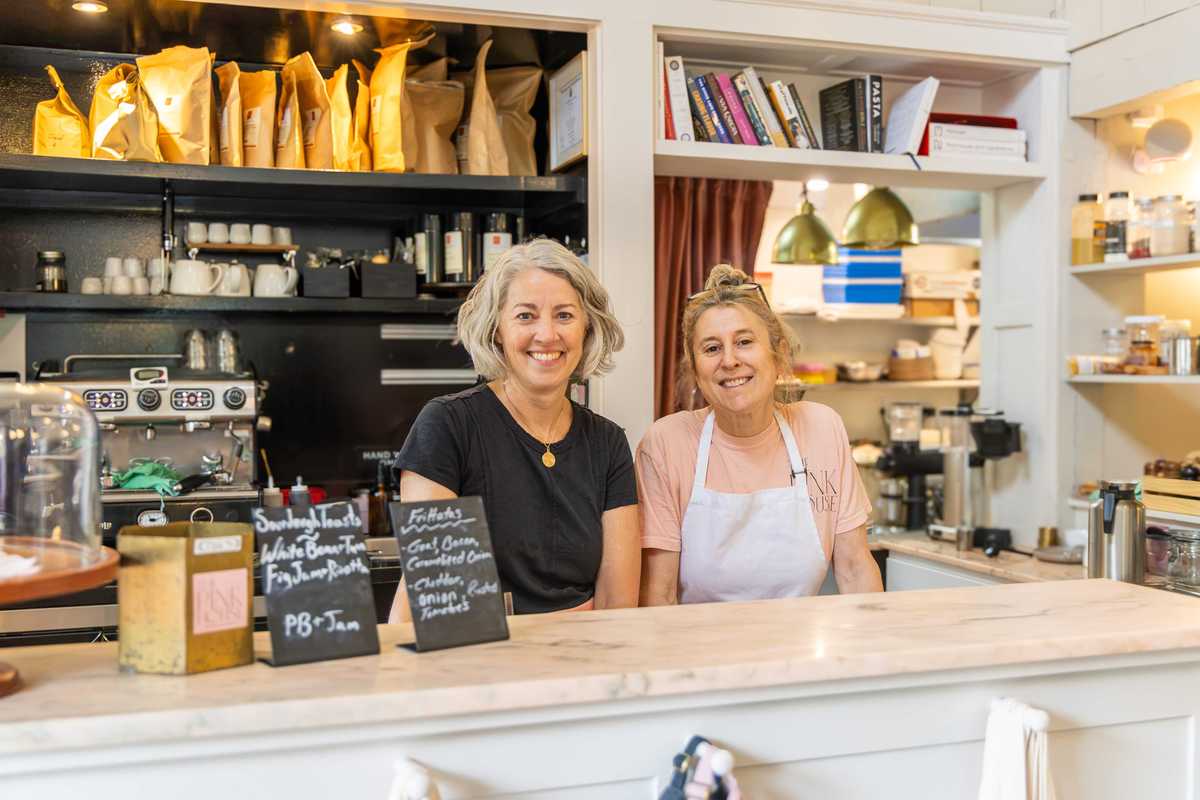
The Pink House AM is serving up community

Mare Rubin and Maggie Levine of the Pink House AM.

Madi Long

It all started with a yoga class. Mare Rubin was working on her second act after leaving the Upper West Side, where she’d raised a family and worked in corporate marketing. Newly empty nesters, she and her husband decided to move to the wilds of northwestern Connecticut, where they had spent 15 years as weekenders, to see what life in the woods had in store for them.

Rubin started teaching yoga classes at the Union in West Cornwall, a space designated by the town of Cornwall as a community hub with couches, Wi-Fi, occasional events and a growing yoga class schedule. She was adjusting well but missed one important thing about city life: a casual coffee shop.

Keep ReadingShow less
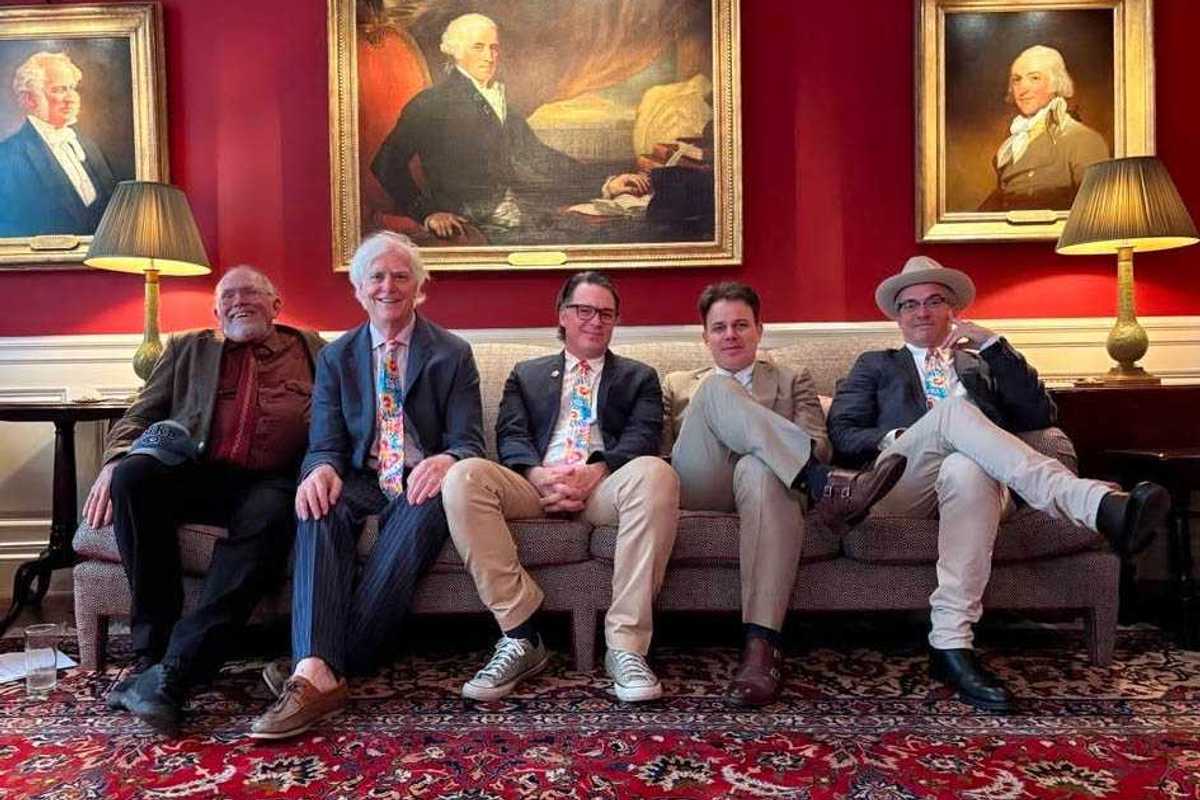
Sons of Astro are musicians, friends and bandmates — in that order

The Sons of Astro will be at the Common Pub in Housatonic on Oct. 24 and the 2nd Home Lounge in Winsted on Nov. 14.

Provided

No matter where they are in the world, musicians seem to find other musicians. There’s a shared language, a shared experience of being on stage and performing, and a shared enthusiasm for making those melodies by themselves or together. Such is the case with Norfolk and Brooklyn-based cosmic Americana band Sons of Astro.

That magnetic musicians’ bond drew Brooklyn-based singer-songwriter and multi-instrumentalist Mike Cobb into the orbit of singer-songwriter and multi-instrumentalist Matt Statler. The two neighbors took to each other right away and were soon playing open mics together. As an ethics professor at NYU’s Stern School of Business, Statler made the case that if he sat in for Cobb’s set and Cobb sat in for Statler’s, they could play together and double their stage time. Clearly, these men wanted to make as much music as possible. That became a little harder when Cobb and his family moved up to Norfolk, Connecticut.

Keep ReadingShow less
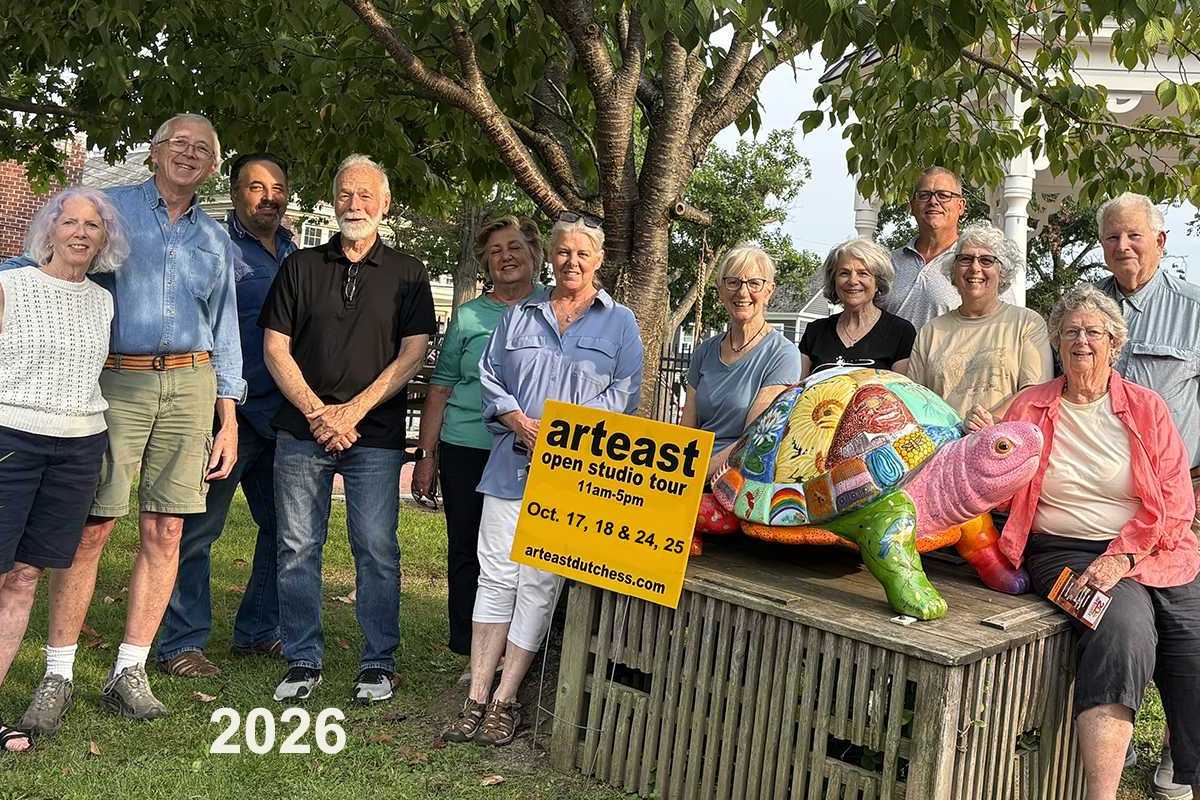
One more weekend to get inside the art at ArtEast

The participating artists in this year’s ArtEast open studios.

Provided

ArtEast’s annual October Open Studio Tour is already underway, but there’s still one more weekend to step inside the creative worlds of artists working throughout eastern Dutchess County. On Saturday and Sunday, Oct. 24 and 25, artists will once again open their studio doors, inviting visitors to see where the work happens, meet the people who make it and perhaps discover something worth taking home.

Now in its 21st year, the ArtEast October Open Studio Tour offers a self-guided journey with participating studios in Holmes, LaGrangeville, Hopewell Junction, Pawling, Patterson, Poughquag and Wingdale. Visitors can explore painting, photography, sculpture, mixed media and other artistic practices, and get some leaf-peeping in at the same time.

Keep ReadingShow less
google preferred source

Want more of our stories on Google? Click here to make us a Preferred Source.

google preferred source

Want more of our stories on Google? Click here to make us a Preferred Source.