Aug. 6 was the 50th anniversary of the Voting Rights Act. President Lyndon Johnson signed the bill in 1965 to stop unequal treatment of minority voters. This was a significant step toward social justice and equality by protecting the democratic principle that every American should have equal opportunity to vote.
In some states, before the Voting Rights Act, white citizens in charge of the polls used violence and intimidation to prevent minority citizens from voting. The law eliminated poll taxes and literacy tests that white poll runners applied primarily to African Americans.
Over the years, the law has prevented more than 700 impermissible voting changes that would have hindered voter access.
But in 2013, the Voting Rights Act was gutted when the Supreme Court overturned a key section that required fifteen states with a history of discrimination, most in the south, to receive federal permission before changing voting policies. This includes passing voter ID laws, moving poll centers, redistricting and removing measures like same-day registration.
• • •
The majority of the Supreme Court ruled that monitoring these states based on their histories was unconstitutional. Chief Justice John Roberts argued that “our country has changed,” implying that, as a nation, we have overcome the racism that necessitated the law in the first place.
Roberts was immediately proved wrong when, two hours after the decision, the Texas attorney general implemented a voter ID law that was previously blocked by a federal court.The Alabama attorney general followed suit. One month later, North Carolina implemented a package of voting restrictions, ending same-day registration, cutting programs that encouraged high schoolers to sign up at 18, shortening early voting and requiring IDs. These measures discourage young and unprivileged individuals from voting.
Seemingly smaller changes at the polls have large implications. Florida moved a voting center with one of the highest African American turnouts in the state to a new site not easily accessible through public transportation — a change previously blocked by the Voting Rights Act.
Eight out of the 15 states previously affected by the act passed voting restrictions after the decision, compared to only three out of the other 35 states.
The Voting Rights Act worked. It no longer does, and certain state governments have taken full advantage.
On this 50th anniversary of the landmark Voting Rights Act, we must consider the vision of the citizens who fought for it. We must recognize that while we have made progress as a nation, racism and prejudice of all kinds is far from over. There is much work left to be done.
The Voting Rights Act should be fully restored. Honor the anniversary by visiting action.citizen.org and signing their petition to restore the Voting Rights Act of 1965.
Selena West is an intern at the Office of the Community Lawyer. She is a sophomore at New York University. Cady Stanton is an intern at the Office of the Community Lawyer. She is a senior at the Hotckiss School.


 Tiffany Lemelin, shelter manager, brushing Marsala upon arrival.Provided
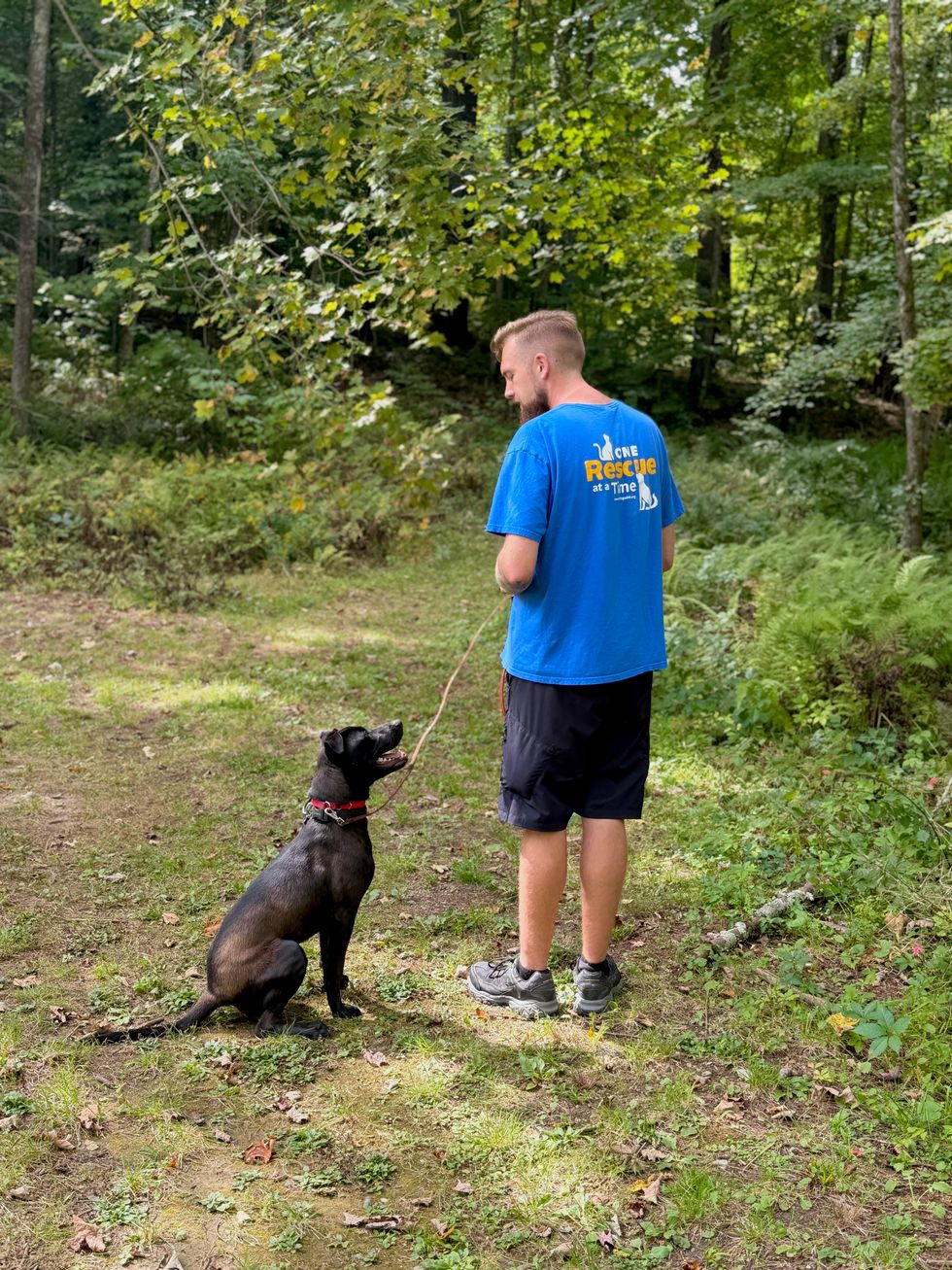 Michael DeBarba, certified dog trainer working with Marsala.Jennifer Almquist
 Marsala wins a heart.Jennifer Almquist


 Sadie, center, a Carolina dog, plays with her friend Negra, a terrier mix. Bella Linda, the small poodle, has since been adopted.L. Tomaino
 Wesley, a young, exuberant mix, is looking for an active home.L. Tomaino
 Bonnie and Clyde, an affectionate terrier pair.L. Tomaino


 Provided