Thank you!
Your support is sustaining the future of local news in our communities.

Rethinking Horror

Jordan Peele’s movies belong to a class of horror films that invite analytical interpretations; part of seeing them includes, for better or for worse, mulling over what they mean. 

“Get Out” was hailed as a masterpiece horror debut in 2017, praised for how it literalized white fetishization of and obsession with black bodies and culture. Often a send-up of white liberal self-satisfaction, it played with tropes in chilling, brilliant ways. “Get Out” was less a puzzle and more of an Easter egg hunt, weaving in visuals and symbols that stood out immediately to those well-versed in American history. 

The villians in“Us” are less obvious. A comfortably middle class black family goes on a trip to Santa Monica, making the mother, Adelaide, (Lupita Nyong’o) anxious; when she was little, she had a traumatic experience in a house of mirrors on that beach. Her experience opens the film like a prologue, but we only see the first part of it. When she expresses her anxiety to her husband, noting that she’s felt an increasing sense of foreboding ever since, he brushes it off, until the power goes out. The family looks outside to see four figures who resemble them in red jumpsuits holding hands, silhouetted against the light of the driveway.

The next portion of the film, in which each family member battles his or her doppelganger, is tightly paced and suspenseful. Everything is clearly thought out, from the point of view shots to the score of a subsequent bloodbath in a neighboring family’s house. Adelaide’s doppelganger, Red, explains in a raspy, unused voice, why they, the Tethered, are there, but much of what she says does not become clear to the viewer until the end. 

Overall, “Us” is clever, though perhaps slightly less conceptually cohesive than “Get Out.” While the main takeaways from the latter were pretty clear, the messages that viewers are left with as the credits roll after “Us” are less so. The distinction between the haves and the have-nots is unmistakable. Adelaide and her family behave like people who never wanted, materially, for anything: her husband has glasses while his double clearly has vision problems, and Adelaide moves like a trained dancer, while her doppelganger’s assassin-like fluidity stems from developing survival instincts. The easiness with which Adelaide’s family begins to adapt to injuring their counterparts becomes more striking as the movie goes on, inviting a consideration of a characteristic often taken for granted in horror films. And the twists at the end, which require reflecting on everything you think you know about the women whose relationship is at the crux of the plot, stir up questions about trauma. the life we build for ourselves after it — and what it takes to get there.

Days after seeing it, I still find myself mulling over small details, including the colors of the film. Red has never been neutral and it seems to be slowly assuming a weightier role in pop culture. The red suits that the Tethereds wear feel eerily reminiscent of the robes of “The Handmaid’s Tale,” the novel made newly popular by the TV adaptation, or a certain type of red baseball cap. Seeing large congregations of any of those groups is only scary if you’re not a part of them. Among other questions, the ending of “Us” invites you to ask yourself, how long does it take for us to become comfortable in a new reality, doing what we think we need to do in order to survive?


“Us” is playing widely.
Latest News

Doug Tallamy’s work in progress: saving the planet one backyard at a time

Windacre, a 25-acre property in Millerton will be the site of “Work in Progress,” an afternoon with acclaimed entomologist, New York Times bestselling author and Homegrown National Park co-founder Doug Tallamy.

Provided

For nearly three decades, Doug Tallamy, a professor at the University of Delaware and co-founder of Homegrown National Park, has studied the intricate relationships between native plants, insects, birds and the ecosystems that sustain them. His books, including “Bringing Nature Home” and “Nature’s Best Hope,” have helped shift the conversation about conservation from something that happens primarily in parks and preserves to something ordinary people can practice on the land around them.

On Sunday, Oct. 4, Tallamy will bring that conversation to Windacre in Millerton for “Work in Progress: Toward Native Fields,” an outdoor gathering exploring both the possibilities and the complications of restoring private land for biodiversity.

Keep ReadingShow less
Celebrating Dick Hermans’ life built around community

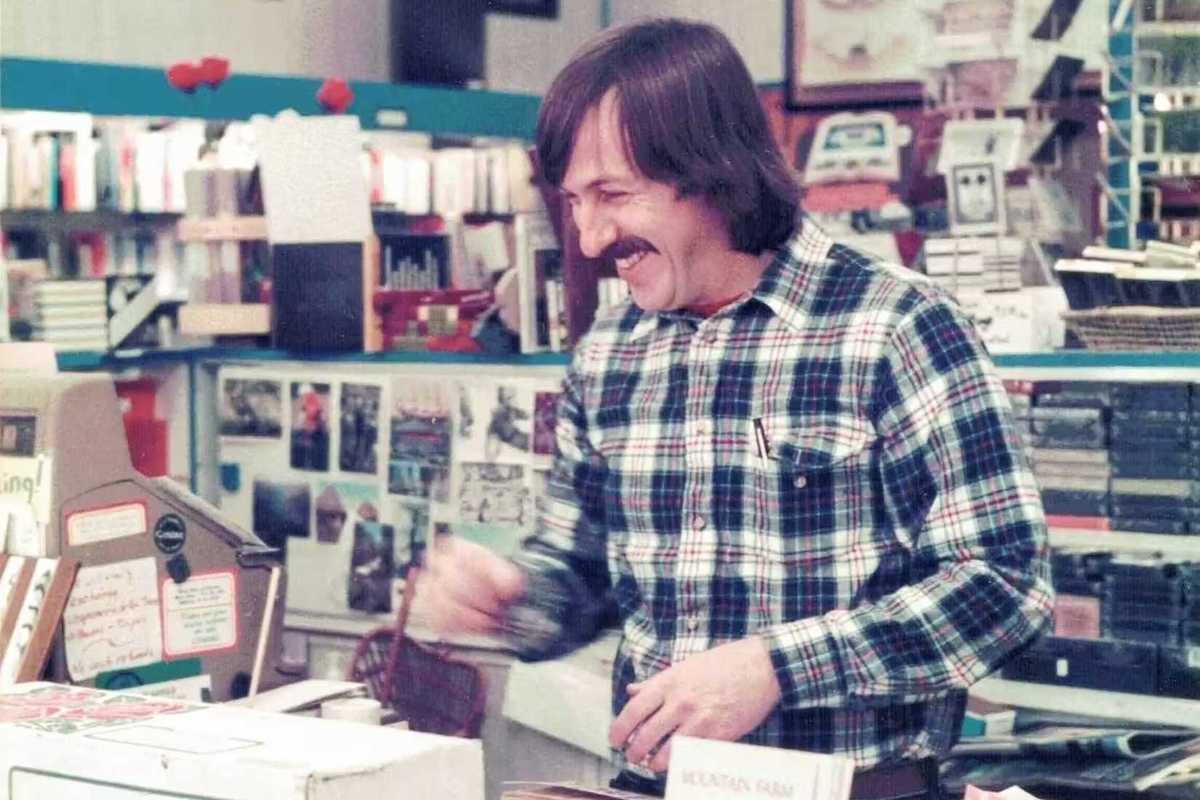
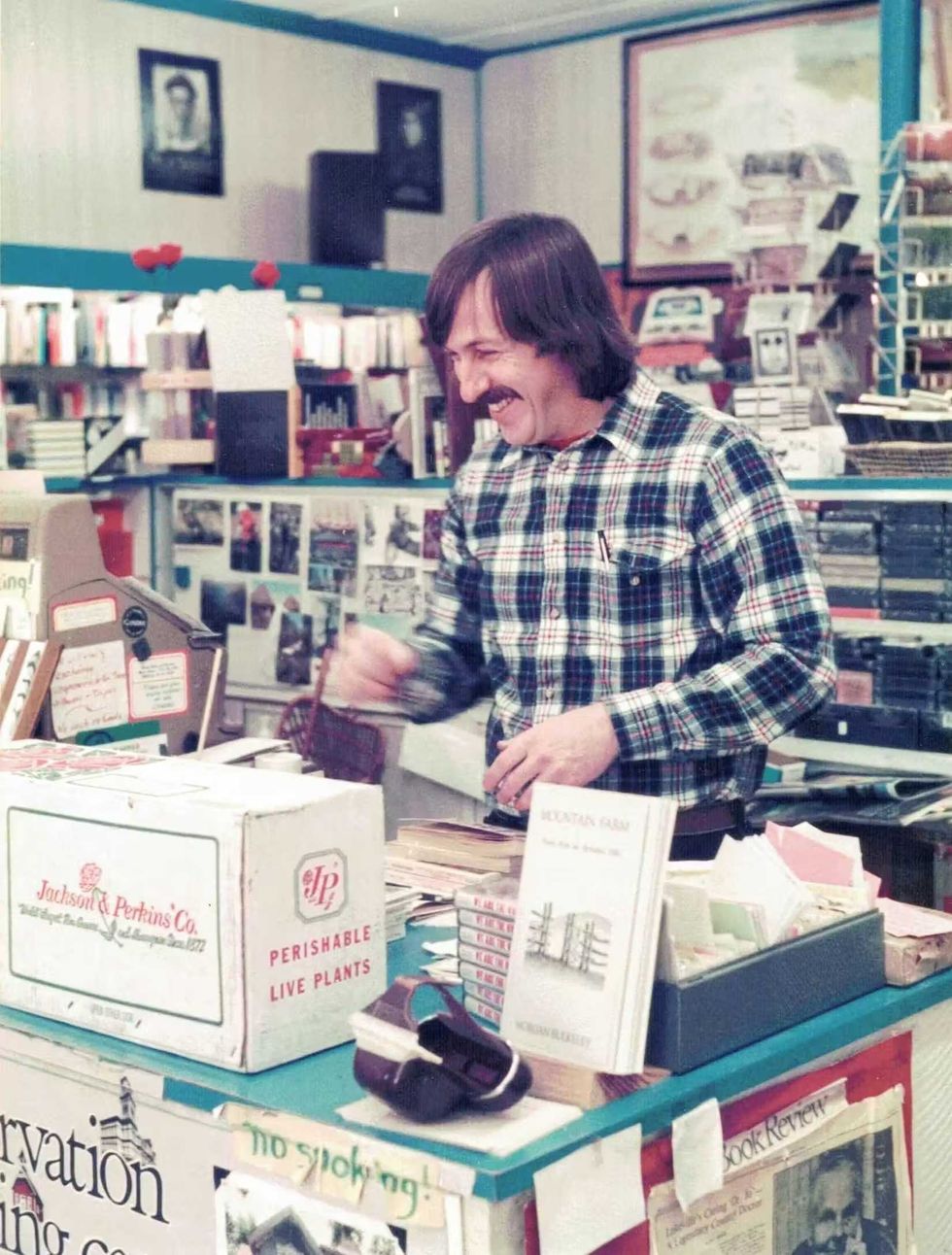
Dick Hermans in the Oblong Bookstore on Millerton\u2019s Main Street in 1985.

Provided
No matter what I’ve done, I’m trying to be useful to the communities I’m associated with.
— Dick Hermans

When Dick Hermans receives the Estabrook Community Leadership Award on Oct. 11, he will accept it for a lifetime of work that has taken many forms: bookseller, radio host, school board member, advocate for the Harlem Valley Rail Trail, business owner, volunteer and, perhaps most importantly, a person who has consistently looked for ways to be useful to the communities around him.

The Lakeville Journal and The Millerton News will present Hermans with the 2026 award at the annual Jubilee celebration at the Sharon Playhouse. The award honors outstanding leadership in community service and was inspired by Mary Lou and Robert Estabrook, former owners of the newspapers who believed that strengthening a community extended well beyond the work of publishing a newspaper.

Keep ReadingShow less
Tending the Fire: Homelands PowWow brings Mohican culture home to the Berkshires

Members of the Stockbridge-Munsee tribe at Homelands PowWow in 2025.

Joeseph Plante New Media Storytellers
Our goal is to continue building an annual gathering that honors the history, culture and traditions of the Stockbridge-Munsee Band of Mohicans in their original Homelands.


For the Stockbridge-Munsee Mohican people, the Berkshires are not simply a place to visit. They are ancestral homelands.

Keep ReadingShow less
google preferred source

Want more of our stories on Google? Click here to make us a Preferred Source.

Ancram Center’s “A Number” doubles questions of identity
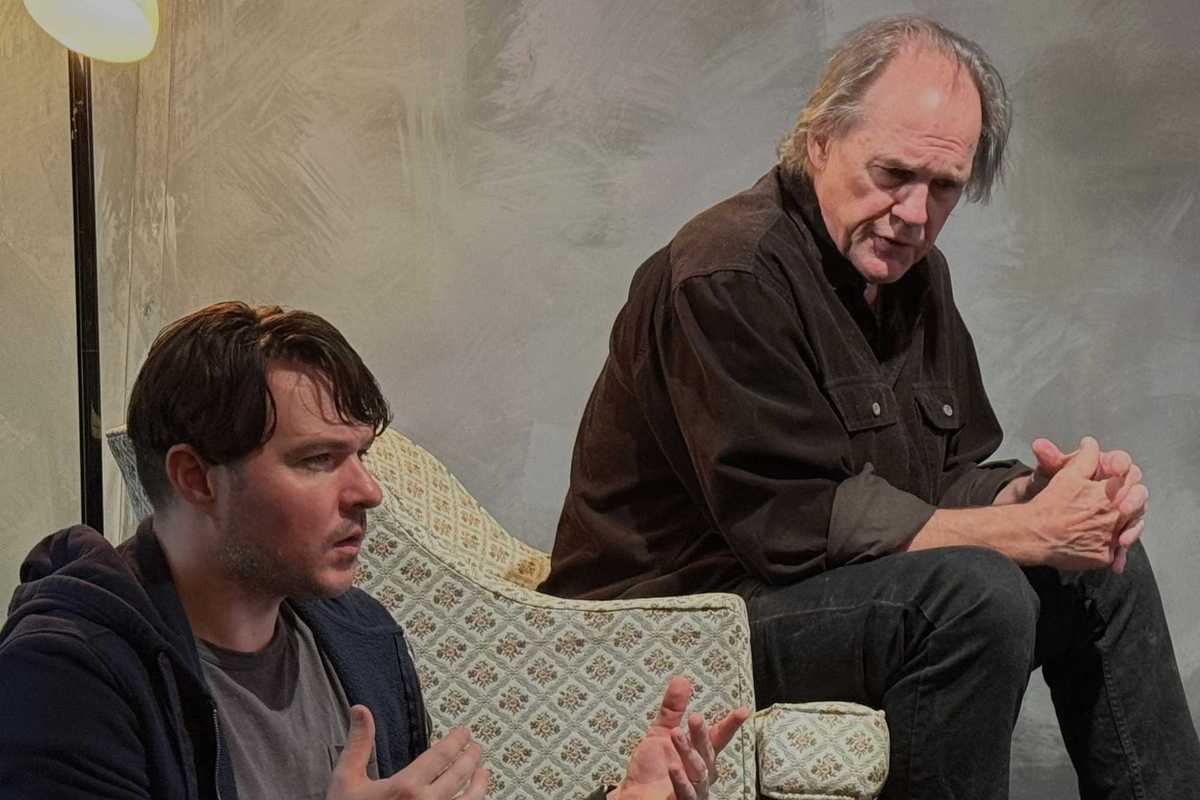
Ledbetter (left) and Wojda (right) on the set of “A Number” at Ancram Center for the Arts.
Jeff Mousseau

How would you feel if you found out you weren’t the only you — if there was an exact replica of you? What if you found out that you’d been cloned? Would you believe that you’re the real you? Would you suspect you might be a copy of the original? How could you be sure anything about your life was real? These are some of the questions posed in Caryl Churchill’s play “A Number,” opening at the Ancram Center for the Artson Oct. 1.

Churchill was born in London in 1938 and has been hailed by the theaterl world as one of the strongest voices of her time to take on sexual politics and feminist themes. Her works garner pointedly considered analysis from the highest levels of theatrical intellectualism. Basically, it’s about as far from “The Lion King” as you can get. While she’s experimented with dance theater in the past, “A Number” is much more stripped down, highlighting Churchill’s chosen themes and the skills of both actors on stage.

Keep ReadingShow less

Dispatches from the Farm

Dispatches from the Farm

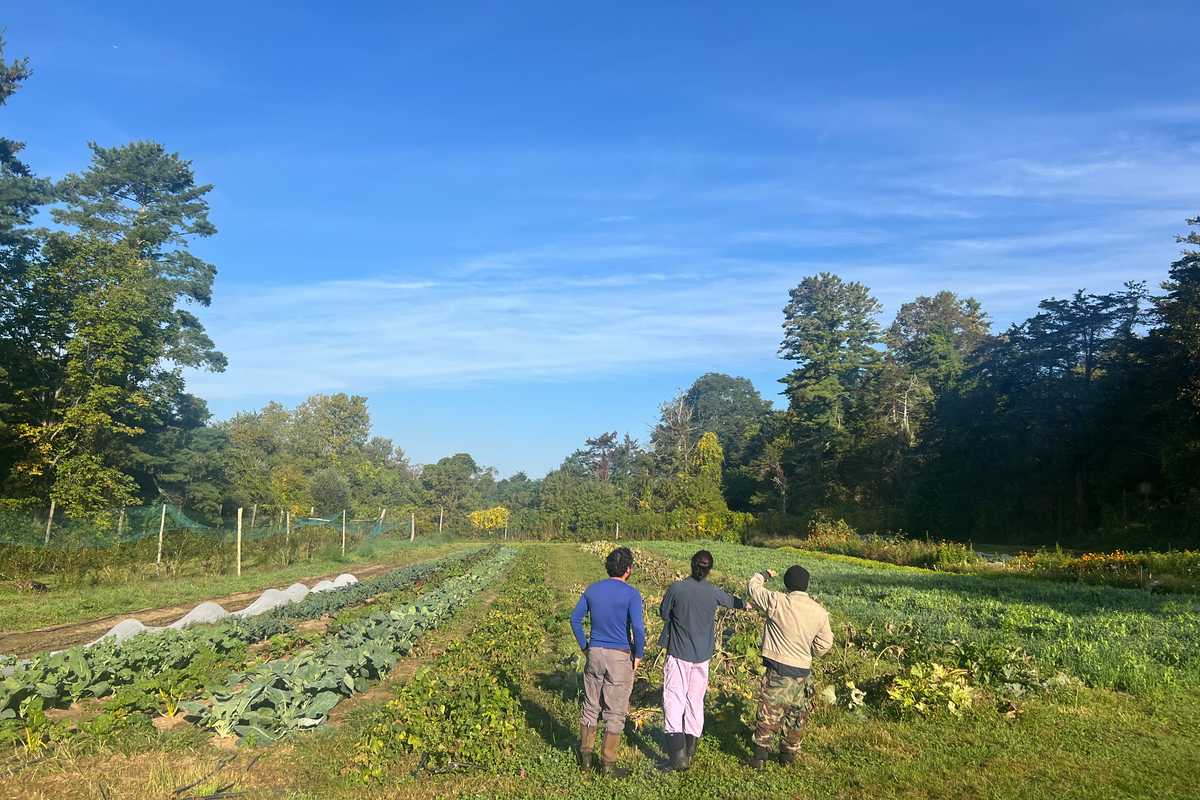
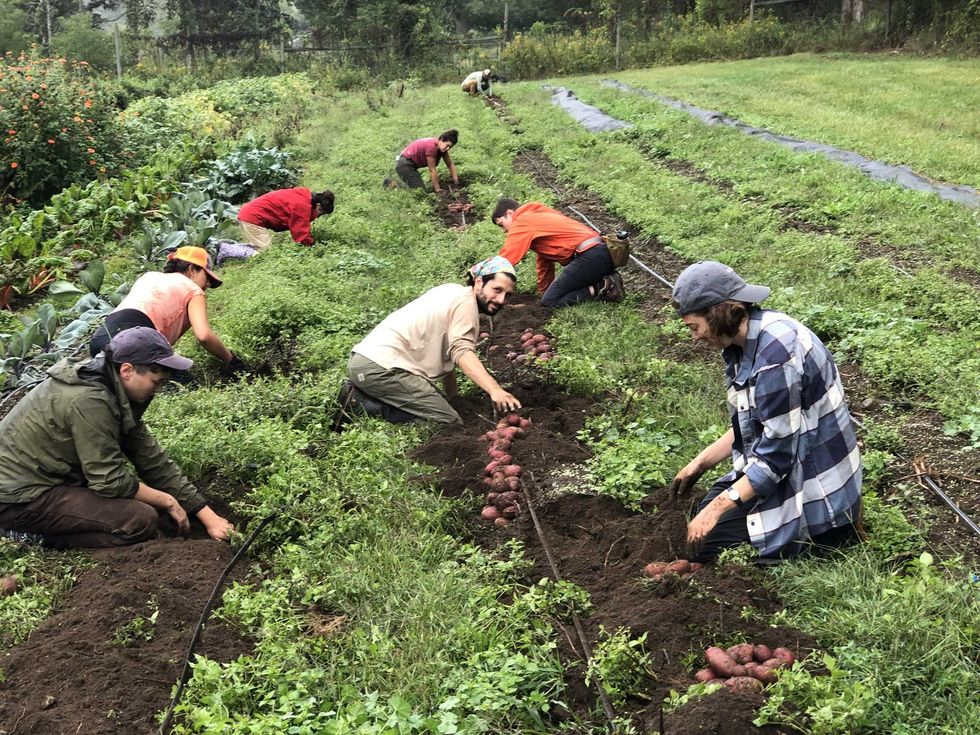
Adamah Farm crew members planning out the day’s tasks on a late September day.

Janna Siller

“Dispatches from the farm” is a new, periodic column offering a firsthand look at the rhythms, challenges and rewards of farming through the eyes of a local farmer.

The thing about plants is that they can’t get up and move. When a storm like last weekend’s nor’easter threatens to roll through, you can’t just round everybody up and settle them safely on the sofa for movie night.

Keep ReadingShow less
Pinchas Zukerman brings an all-Beethoven program to Hotchkiss

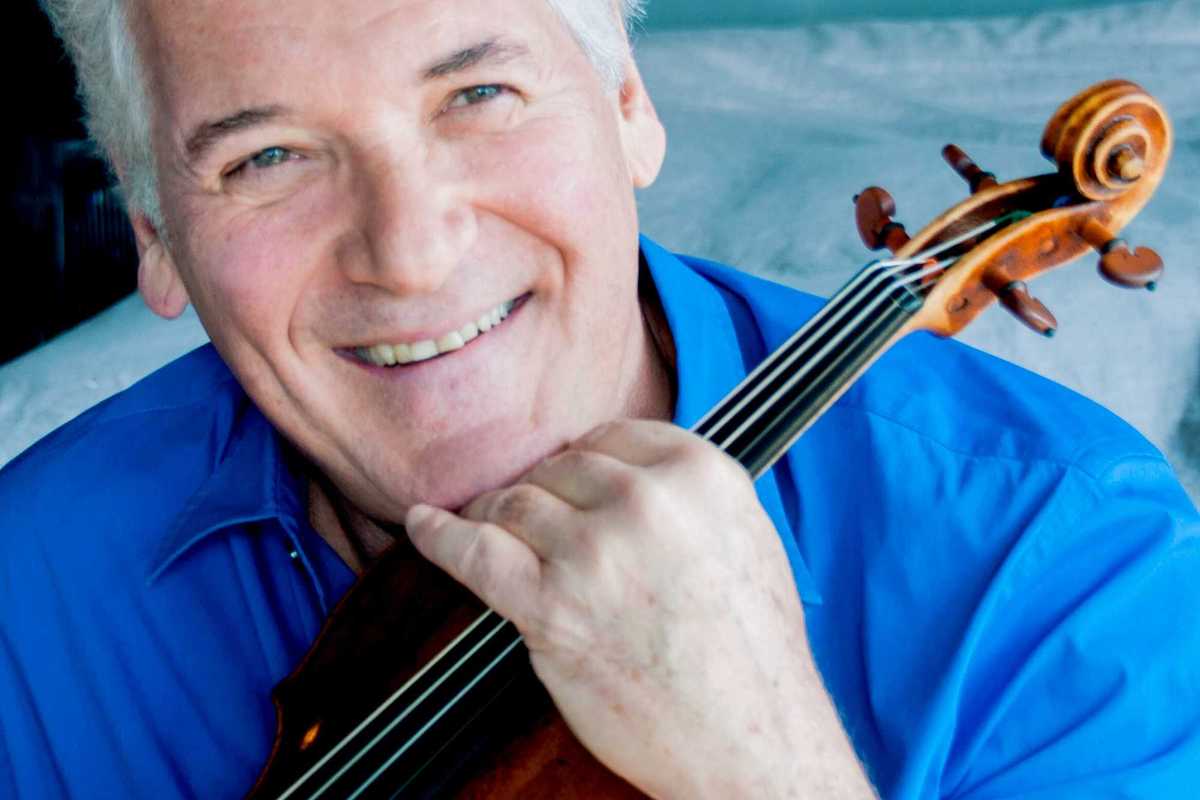
Pinchas Zukerman to perform at Hotchkiss Oct. 4

Cheryl Mazak

The passion, drama and energy of Beethoven will fill Katherine M. Elfers Hall at The Hotchkiss School on Oct. 4, when world-renowned violinist Pinchas Zukerman is joined by pianist Shai Wosner for a special recital.

The 4:30 p.m. program at the Esther Eastman Music Center will feature three of Beethoven’s celebrated violin sonatas: Violin Sonata No. 4 in A minor, Op. 23; Violin Sonata No. 5 in F major, Op. 24, “Spring”; and Violin Sonata No. 7 in C minor, Op. 30.

Keep ReadingShow less
google preferred source

Want more of our stories on Google? Click here to make us a Preferred Source.

google preferred source

Want more of our stories on Google? Click here to make us a Preferred Source.