I’m a relative newcomer to this part of the world, having only arrived in 1993. Therefore, my collection of nonprofit community cookbooks comes mainly from the transfer station swap shop.
Mary Kirby, on the other hand, has been here long enough (and is of course a generous supporter of nonprofits) to have many such cookbooks, all of which she actually purchased.
I was sitting in my office one morning looking through my three community cookbooks when Mary walked in, and I began to read out the names of local cooks who had contributed recipes; of course she knew most or all of them, which was fun. And then she offered to loan me three from her own collection.
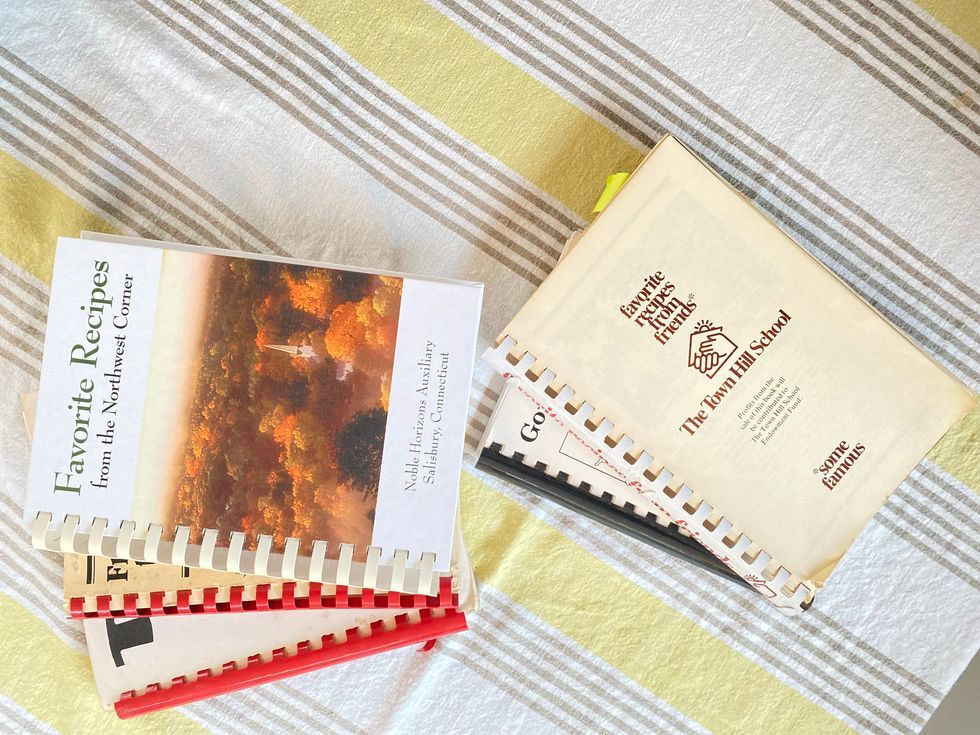
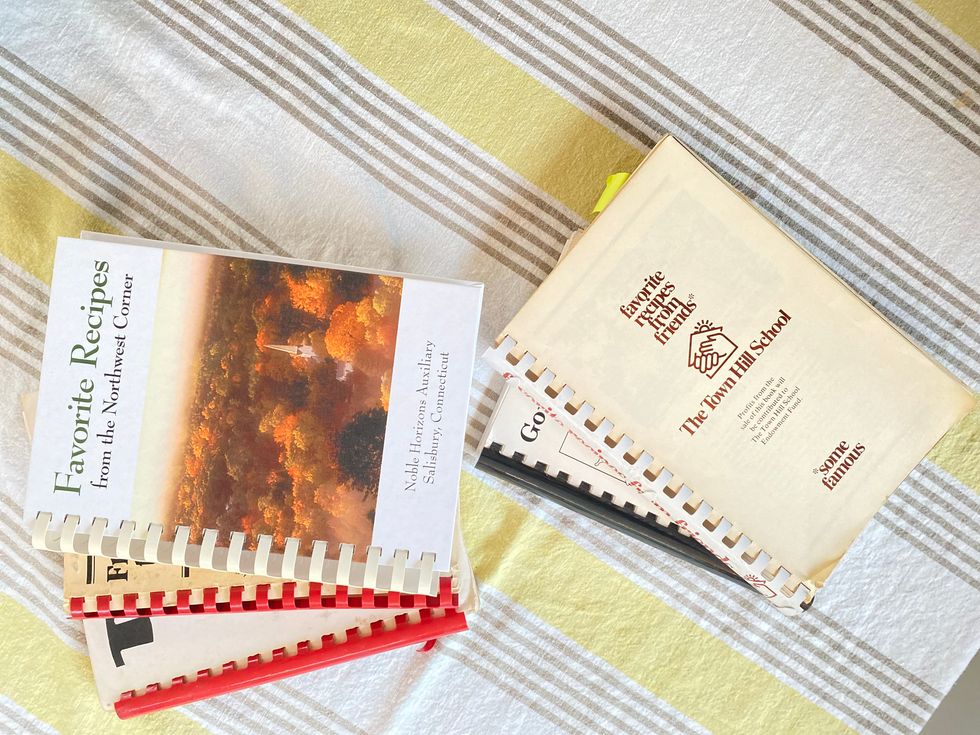
Of course Mary and I both have the essential Salisbury cookbook, which was published by the Town Hill School (which is now part of Indian Mountain School). This collection — called “Favorite Recipes from Friends* (*Some Famous)” includes donated recipes from the collections of Mrs. Ronald Reagan, actor Paul Newman and the Princess of Wales, all of whom are adjacent to the Northwest Corner in various ways.
But the best reason to have the Town Hill collection is that it is at the crux of the Famous Salisbury Tomato Pie War, which has been written about often enough in The Lakeville Journal that we can ignore it for the purposes of this article.
One of the delights of a New England community cookbook is the names of the contributing cooks. Some are exotic (Bedelia Falls, Knirps Wilson). Some evoke well-known locals who are no longer with us; it’s a fun exercise in nostalgia and storytelling to go through one of these books with someone who’s lived here for a long time and knows all the players.
Although there are recipes for all seasons (especially ones that use up Litchfield County’s abundant corn, zucchini and tomatoes), this article will focus on a few that are timeless and not sensitive to the season.
You will notice that most of these recipes come from cooks who do not live in Salisbury and you will wonder why this article is in a special publication dedicated to discovering the joys (culinary and otherwise) of this jewel of a town.
The answer is that the best place to find your own nonprofit cookbooks is at the Salisbury/Sharon transfer station on Route 44, which has a phenomenally good swap shop where people leave clean, previously loved items.
I rarely buy books any more, I mostly find unexpected and wonderful fiction and nonfiction at the swap. You can of course find many fancy actual cookbooks from many eras. But the nonprofit fundraising cookbooks are a particular treasure that you only find occasionally, and that you have to know to look for (like hunting for wild mushrooms).
You can only access the swap shop if you have a transfer station sticker; but my friends from out of town often ask if they can come peruse the selection of swap shop delights with me, so you can probably befriend a Salisbury or Sharon resident and ask to be invited.
Often the recipes in these nonprofit very local cookbooks have a little story that goes along with them; this is the case with a recipe contributed by Mrs. Kirby’s own husband, the late and very much beloved Ed Kirby — baseball coach, regional schools superintendent, historian and geologist. Appropriately, Ed’s contribution to several cookbooks is something he calls the Geologist’s Field Sandwich.
Geologist’s Field Sandwich
Ingredients: Two large slices of soft rye bread, creamy peanut butter, red currant jelly, dry roasted unsalted peanuts, banana
“The Geologist’s Field Sandwich is designed for the culinary inept and nongifted,” Kirby says. “Its purpose is primarily the provision of a staple to be consumed between a hearty breakfast and the evening meal. No Precambrian, Paleozoic or Ice Age contaminants are included in this recipe.
“Thickly spread one slice of bread with peanut butter. Cover the peanut butter with a liberal amount of unsalted peanuts. Using a spreader, firmly implant the nuts in the peanut butter. Slice several vertical strips of banana and place them over the nuts. Spread a liberal layer of currant jelly over the second slice of bread.
“For those persons with at least a tad of culinary expertise, strips of crisp bacon may be applied over the jelly. Carefully flip the jellied bread over the first slice and press the two together firmly. Pack in a plastic sandwich bag and head for the hills.
“For best results, it is recommended that this sedimentary delicacy be consumed on a high rock overlooking the scenic wonders of the Housatonic Valley, with a cold can of juice or soda, and a bit of semi-sweet chocolate. The energy for the rest of the day will be yours.”
Many recipes in these books — even those published in the 1980s and 1990s — rely on grocery store prepared foods such as canned soup and packaged white bread. This is surprising to me, because I am most familiar with the modern Litchfield County cooks who, in my unscientific experience, are almost fanatical about using only locally grown, organic fresh produce.
Cream of mushroom soup appears in many recipes. A more exotic canned soup is cream of celery, which forms the backbone of a dish called “Fancy Chicken” from Madeleine L’Engle, the author of the beloved children’s story “A Wrinkle in Time” and who for many years owned the general store in Goshen with her husband, the actor Hugh Franklin. Of this recipe (which is in the 1986 Town Hill School cookbook and which OF COURSE also includes cream of mushroom soup), she says, “Here is one of my favorite quick and easy party dishes!”
Fancy Chicken
Serves eight
Ingredients: Four chicken breasts, boned and cooked, two cans artichoke hearts, cut up, two cans water chestnuts, sliced, two cans cream of mushroom soup, one can cream of celery soup, lemon juice, Hellman’s mayonnaise, curry powder
“Cut up baked chicken in small pieces and place in the bottom of a casserole. Add artichoke hearts and water chestnuts. Make a sauce out of the mushroom soup, celery soup, lemon juice and mayonnaise; season with enough curry powder to give it a little bit of zip. Bake for 30 minutes at 350 degrees and serve. This can be prepared the night before, refrigerated and baked the next day.”
Another publishing celebrity from the Northwest Corner of Connecticut was Priscilla Buckley, older sister of the famous William F. and a resident since childhood of the Great Elm estate, along with her many brothers and sisters (and, in time, her many, many nieces and nephews). She was for most of her lifetime the managing editor of her brother’s magazine, called National Review (she wrote a book about those years, called “Living it up With National Review”).
No matter what your politics, you would have to have a heart of stone not to fall in love with Miss Buckley, who was tough as could be when she needed to be (I once commented that she was probably the only person on Earth who could force her famous younger brother to turn in his articles on time; she just giggled demurely) but was generally unbelievably kind, sweet and friendly.
One time she came in to my office at The Lakeville Journal to work on an obituary for someone in her family; even though she was already at an advanced age, she was able to remember the name of every single one of her nieces and nephews and which town those young people lived in. This is a rare feat, even for people with only a half dozen or so nieces and nephews.
As anyone knows who comes from a large family, simple recipes that can inexpensively feed a lot of people are prized. Priscilla Buckley was known as Aunt Pitts. This is a recipe she describes as “Very easy” (true journalists don’t waste words).
Aunt Pitts’ Casserole
Serves eight to 12
Ingredients: Two pounds hamburger, 2 pounds Velveeta cheese, 2 cups onions, chopped, two cans (5 cups) of tomatoes, one box of fettucini
“Brown the hamburger and onions. Slice the cheese in smallish slices. Cook noodles as directed on package. Use large casserole dish and layer ingredients, i.e., hamburger, cheese, tomatoes, noodles, hamburger, cheese, etc., saving a few slices of cheese. Cook in a warmed 350 degree oven for 90 minutes. Place remaining cheese on top for last 5 minutes. If more convenient, cook for first 45 minutes earlier in the day or the day before. Would be good with green peppers.”
I could continue on for pages and pages sharing some of the little gems from these wonderful cookbooks. But I will suggest that if you are able to gain access to the Salisbury/Sharon transfer station, keep an eye out for the Town Hill school cookbook, and also look out for one called “Favorite Recipes from the Northwest Corner,” a fundraising cookbook for the Noble Horizons Auxiliary in Salisbury. This is arguably the most sophisticated and modern of the fundraising cookbooks, and has several recipes for signature dishes from local restaurants (many of which are now closed).
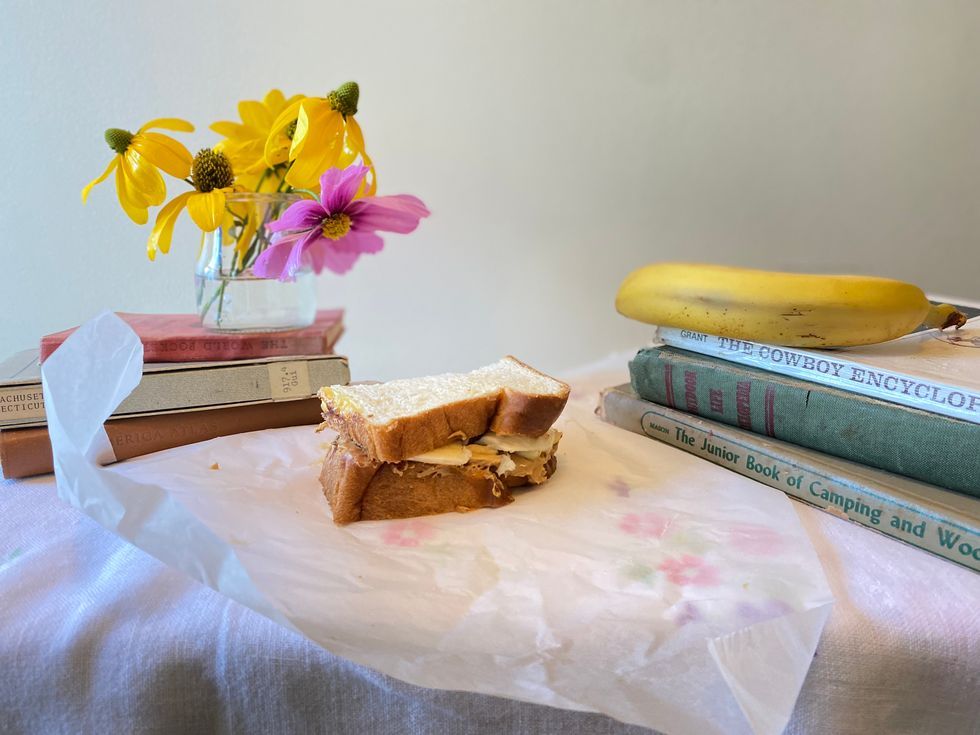
A re-creation of the Geologist’s Field Sandwich, just as good now as it was when the late Ed Kirby first shared the recipe. Photo by Cynthia Hochswender
A re-creation of the Geologist’s Field Sandwich, just as good now as it was when the late Ed Kirby first shared the recipe. Photo by Cynthia Hochswender
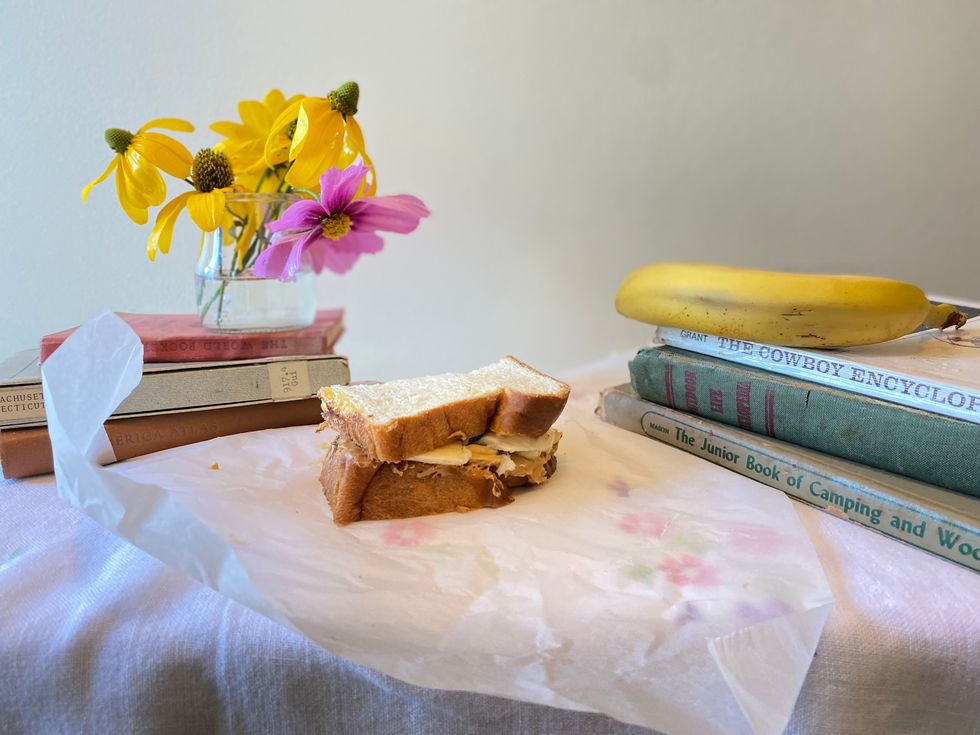
A re-creation of the Geologist’s Field Sandwich, just as good now as it was when the late Ed Kirby first shared the recipe. Photo by Cynthia Hochswender
A re-creation of the Geologist’s Field Sandwich, just as good now as it was when the late Ed Kirby first shared the recipe. Photo by Cynthia Hochswender

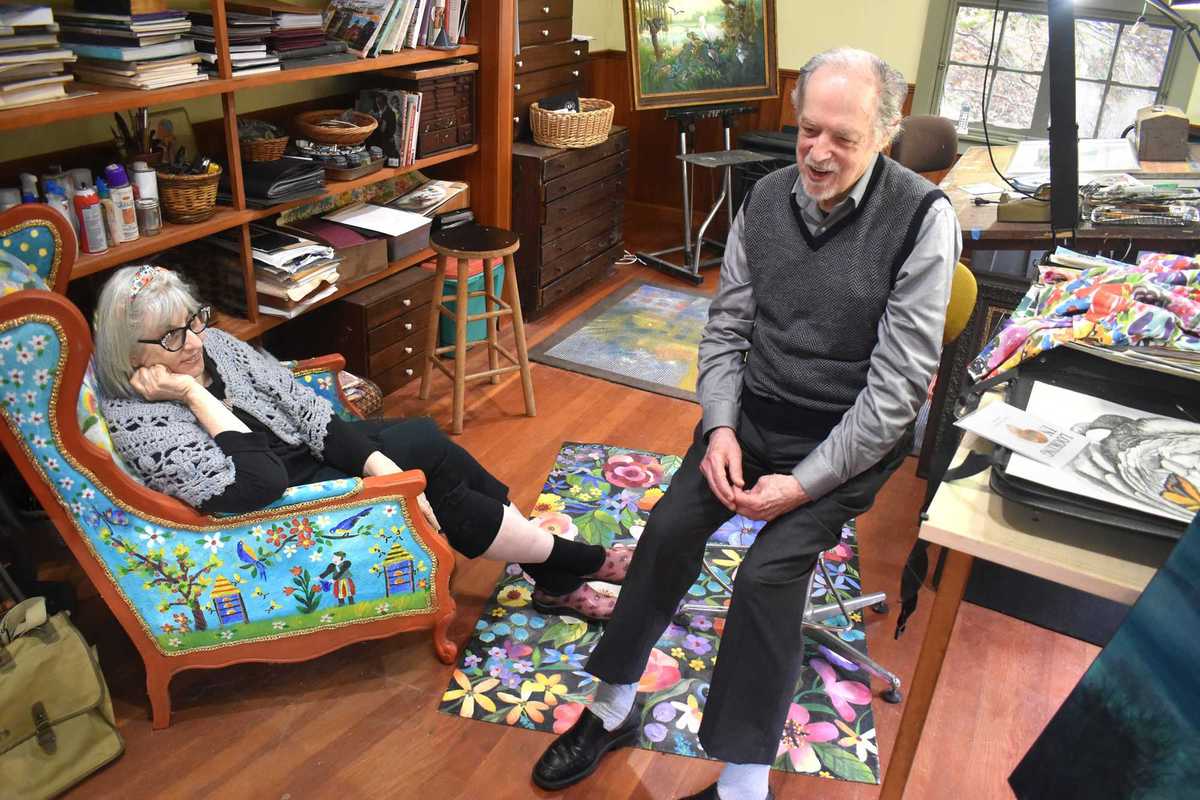
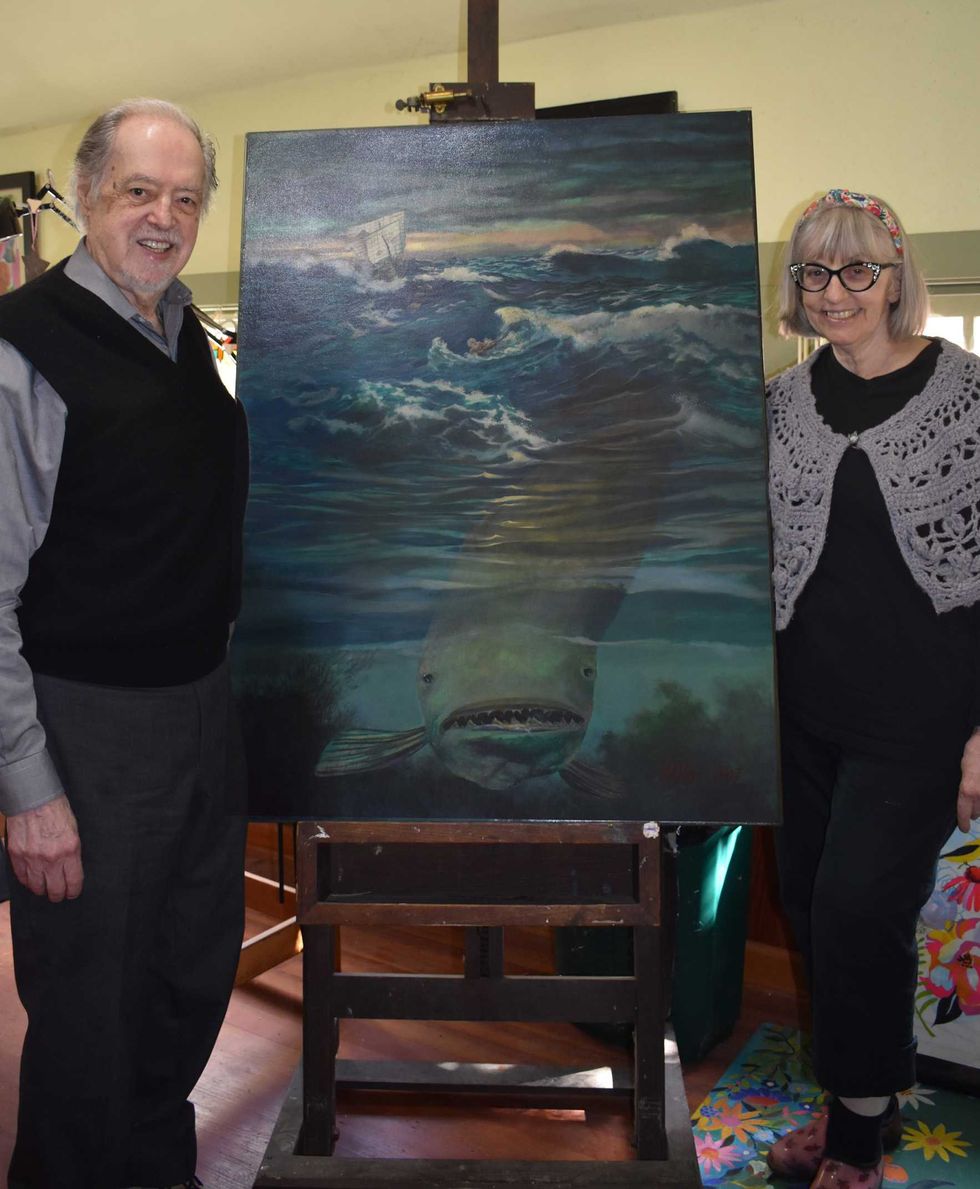 Justine and Victor Valla in their studio with a painting of Victor’s,”Jonah and the Whale.” Robin Roraback


 A ceramic vase by Kathleen Heidemann.Provided
 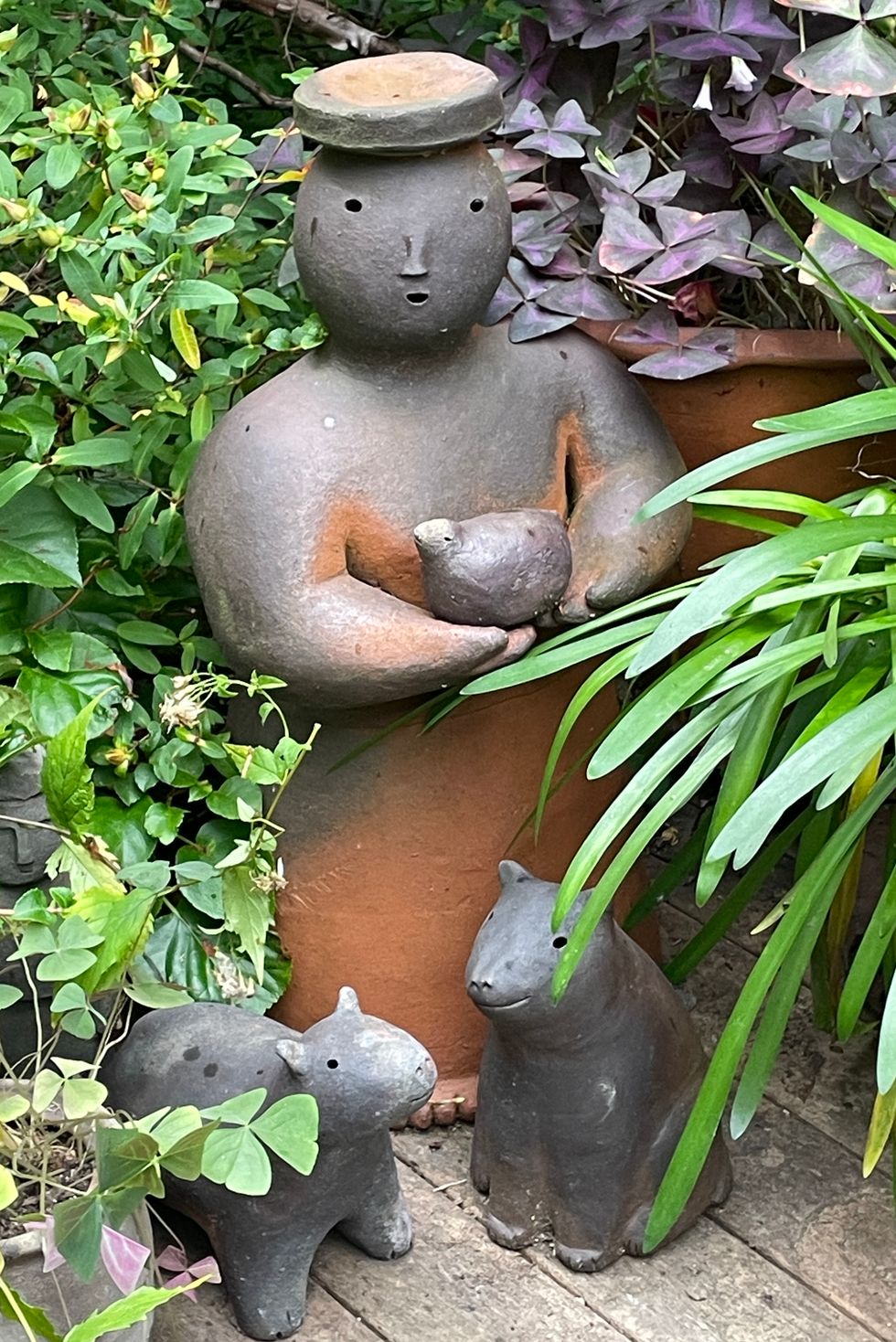 Joy Brown’s delightful ceramic sculptures.Provided