SHARON — Though the results for the 2009 Connecticut Mastery Test were made public earlier this month, most of the results for Sharon Center School were unreported.
This is because results are not presented for classes with fewer than 20 students. The data is made available to schools but is not included in the published results.
For the grade levels that were presented, many of the classes received low marks in achieving the goal level for tests.
However, in an e-mail to The Lakeville Journal, Sharon Center School Principal Karen Manning said that because of small class sizes throughout the school, the test results do not truly represent the abilities of individual students.
“Statistically, our sample sizes are very small, under 25 [students],� Manning wrote. “Small fluctuations in class composition, or events such as unexpected extended absences, can produce very large statistical changes. This means that we often focus our response at the individual level as we strive to improve student learning. We focus on developing students’ assessment stamina and understanding of assessment vocabulary.�
The 2009 tests are called the “fourth-generation� CMTs and include tests in math, reading, writing and (for students in grades five and eight) science.
Students are determined to be at or above “proficient� and at or above “goal� (which requires a higher score than proficiency).
In math and writing, the results were published for only the fourth- and seventh-grade classes.
In math, 52.4 percent of the fourth-grade class achieved goal level, and 90.5 percent were proficient.
In the seventh grade, 79.2 percent achieved goal while 87.5 percent were proficient.
“The mathematics test consists of 25 content strands,� Manning wrote in her e-mail. “Two strands that continue to challenge our students are integrated understandings and estimating solutions to problems. We will continue to address these standards in our instruction.�
In the writing portion of the test, 57.1 percent of the fourth grade achieved goal level with 76.2 percent proficient.
The seventh grade fared somewhat better, with 66.7 achieving the goal level and 91.7 percent proficient.
In the reading portion of the test, only the results from the seventh grade were reported, with 75 percent of the class achieving goal level. However, the entire class was proficient.
“The reading comprehension section consists of general understanding, developing interpretation, making reader connections and examining content and structure,� Manning wrote. “We prepare students for the test by using teacher-designed test preparation units and curriculum that is aligned to state standards.... We continue to put special emphasis on making reader-text connections, an area that is challenging for some middle-school students.�
Results of the science test were reported for only the eighth grade, with 75 percent at goal level and 83.3 percent proficient.
“We are lucky because the community works hard at this and so do the students,� Manning said.



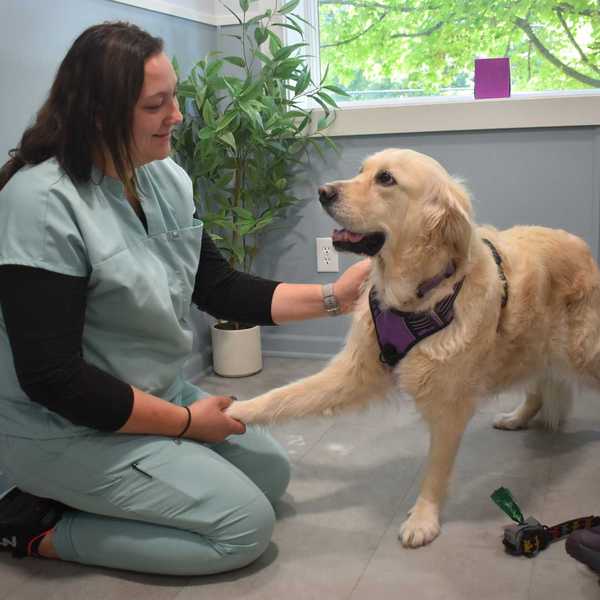
 Tiffany Lemelin, shelter manager, brushing Marsala upon arrival.Provided
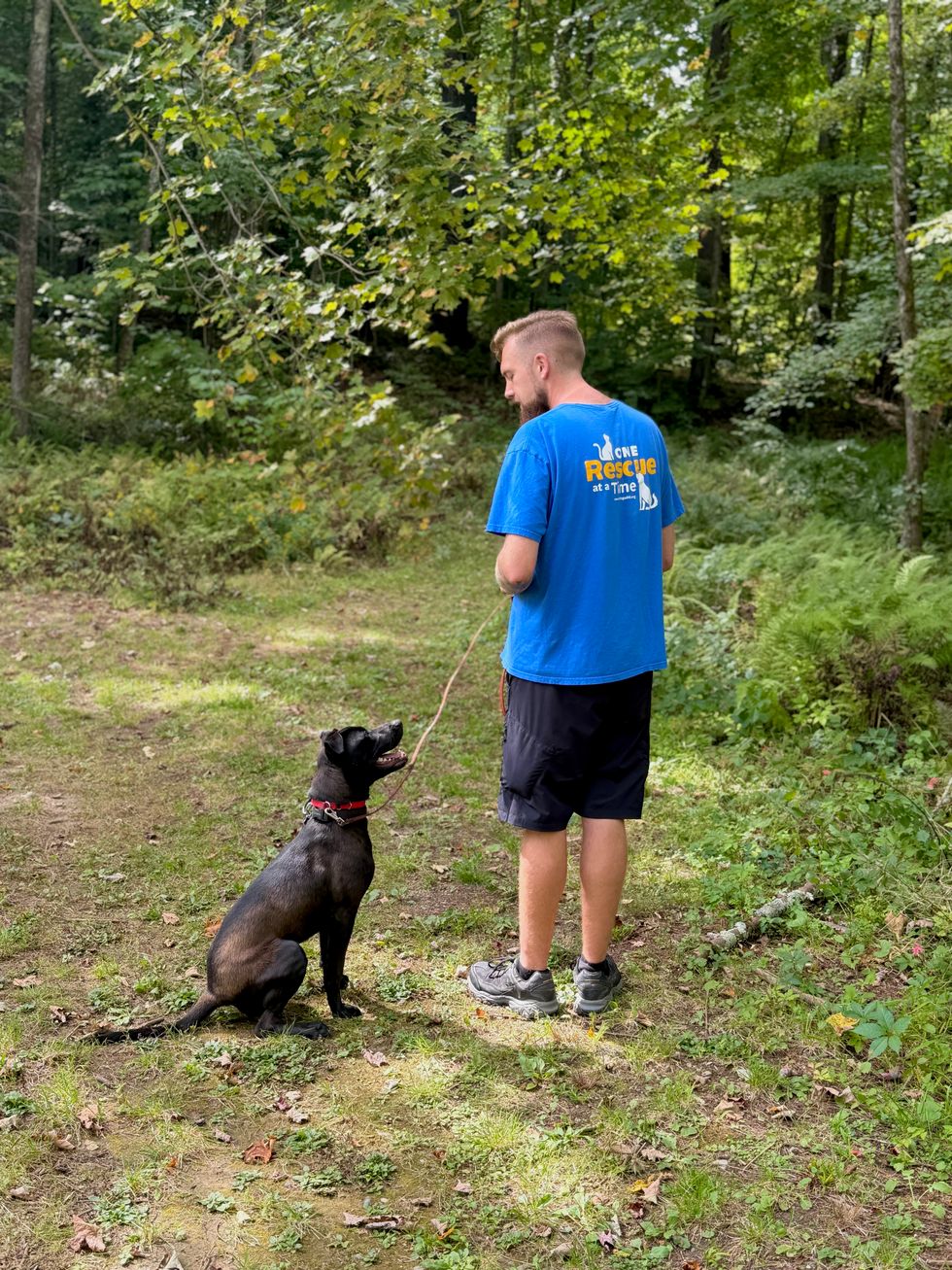 Michael DeBarba, certified dog trainer working with Marsala.Jennifer Almquist
 Marsala wins a heart.Jennifer Almquist

 Sadie, center, a Carolina dog, plays with her friend Negra, a terrier mix. Bella Linda, the small poodle, has since been adopted.L. Tomaino
 Wesley, a young, exuberant mix, is looking for an active home.L. Tomaino
 Bonnie and Clyde, an affectionate terrier pair.L. Tomaino

 Provided