This is part one in a series of articles on Community Supported Agriculture (CSAs) in the Tri-state region.
When I first started working on CSA farms 14 years ago, no one that I knew had ever heard of the concept.
Increasingly, the term CSA has become more familiar.
In her book “Sharing the Harvest” CSA farmer Elizabeth Henderson explains, “The premise is simple: create a partnership between local farmers and nearby consumers, who become members or subscribers.
“In exchange for paying in advance — at the beginning of the growing season, when the farm needs financing — CSA members receive the freshest, healthiest produce and keep money, jobs and farms in their own community.”
There are many options for joining CSAs in our region. This is the first in a series of articles about them that will run in The Lakeville Journal and The Milleton News. I am a freelance writer for the Journal but my main job is running the Adamah vegetable fram , a CSA in Falls Village with pick-up at the Isabella Freedman Jewish Retreat Center on Johnson Road (just minutes away from The Journal’s new office on Route 7).
What Adamah offers
The farm at Adamah is certified organic. Our CSA offers weekly and every-other-week pick-up options June through November as well as an eight week summer share option. Members can grab their veggies on Thursday afternoons for the freshest box; but the shares remain available for pickup in the cooler until Saturday afternoon.
As with all of the CSAs I will write about in this series, each week’s box varies by season but there is always a balance of different types of veggies with roots such as carrots and potatoes, salad greens such as lettuce and mesclun mix, cooking greens such as kale and spinach, heading crops such as broccoli and cauliflower, herbs such as dill and basil, alliums such as garlic and onions, and fruiting crops such as tomatoes, eggplant, peppers and melons.
Members can choose to add on a flower share for fresh weekly summer bouquets, and farm-made pickles, kraut and jams are available for purchase each week. Most years there are a couple of pick-your-own options, especially raspberries. Payment is on a sliding scale. All members receive an e-newsletter and a paper guide on how to use the veggie in the share each week.
Who grows the food
Adamah’s circumstances are unique in that the hands that grow the food are those of participants in the Adamah fellowship, a leadership training and community building program. I work with other core Adamah staff Shamu Sadeh, Rebecca Bloomfield and Cole Siegel to train the short-term farmer participants from all over the country to weed, haul compost and tinker with hoses.
“When the majority of Adamah fellows arrive, they are new to working with their hands, working outdoors, and creating something tangible through a relationship to land,” Bloomfield said. “Time and again fellows tell us that, through the work of growing food, they feel more capable, strong and resilient — opening up new worlds of possibility and instilling a sense of humility.”
Siegel, who came to Adamah as a fellow and is now on staff, said, “When I arrived I had never farmed a day in my life. Over the course of that fall, I learned how to care for crops, to harvest vegetables after watching them grow, to push myself, to trust my own strength, and to notice the incredible beauty around me.”
To learn more about the Adamah CSA or to register go to www.fvcsa.adamah.org.
Don’t live in Falls Village but want to learn more about a CSA in your town? Coming up in the series: Rock Steady Farm in Millerton, Ridgway Farm in Cornwall, Husky Meadows Farm in Norfolk and Full Circus Farm in Pine Plains.
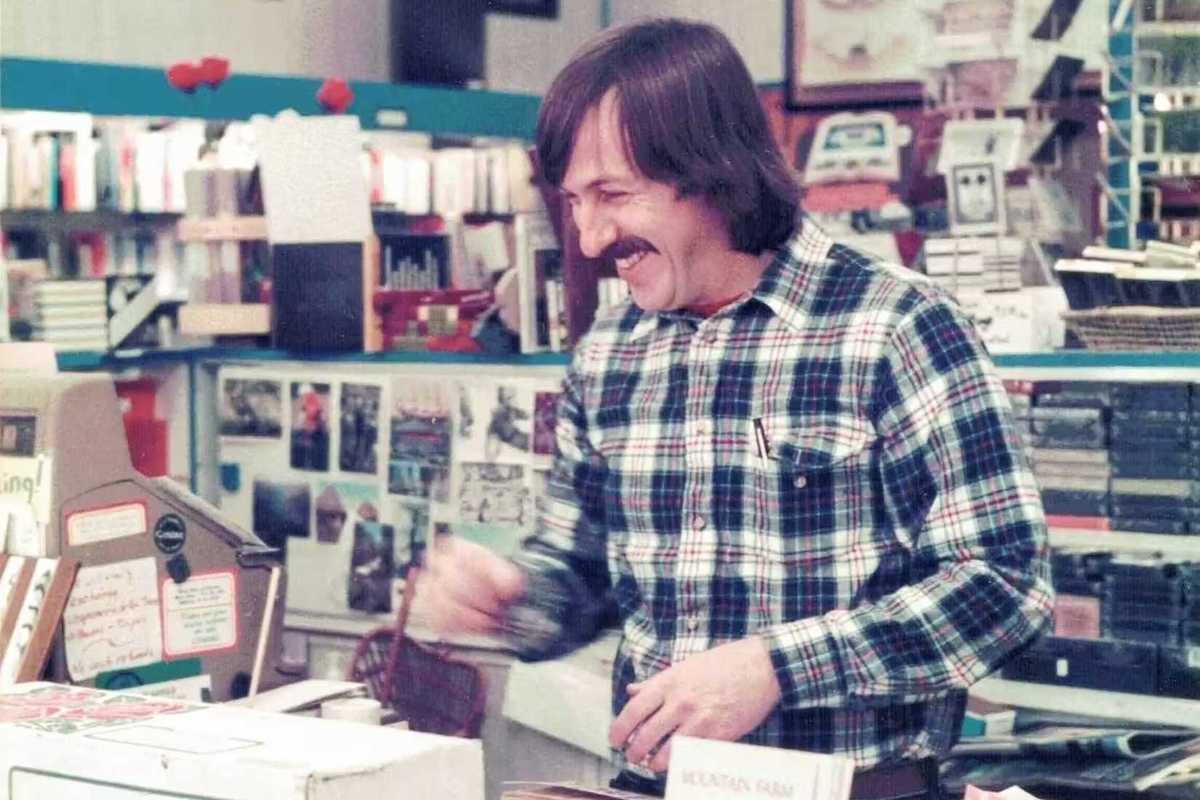
 Dick Hermans in the Oblong Bookstore on Millerton’s Main Street in 1985.Provided

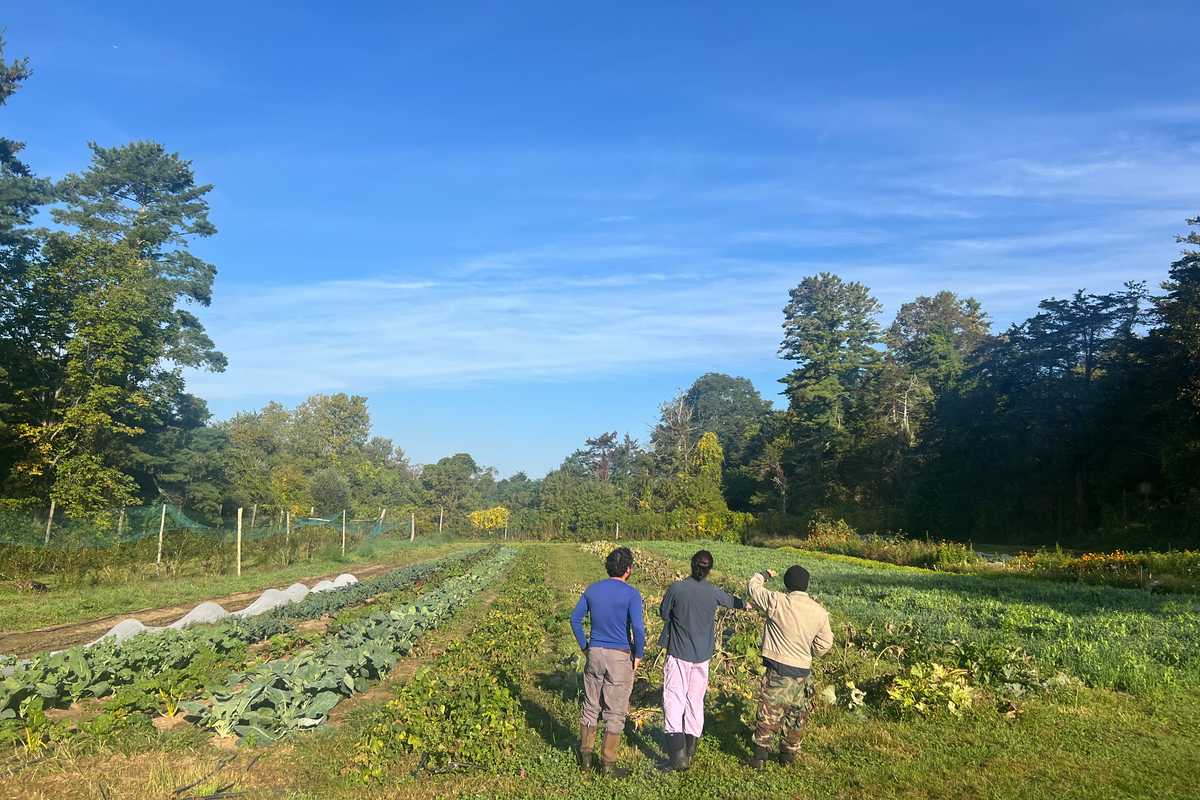
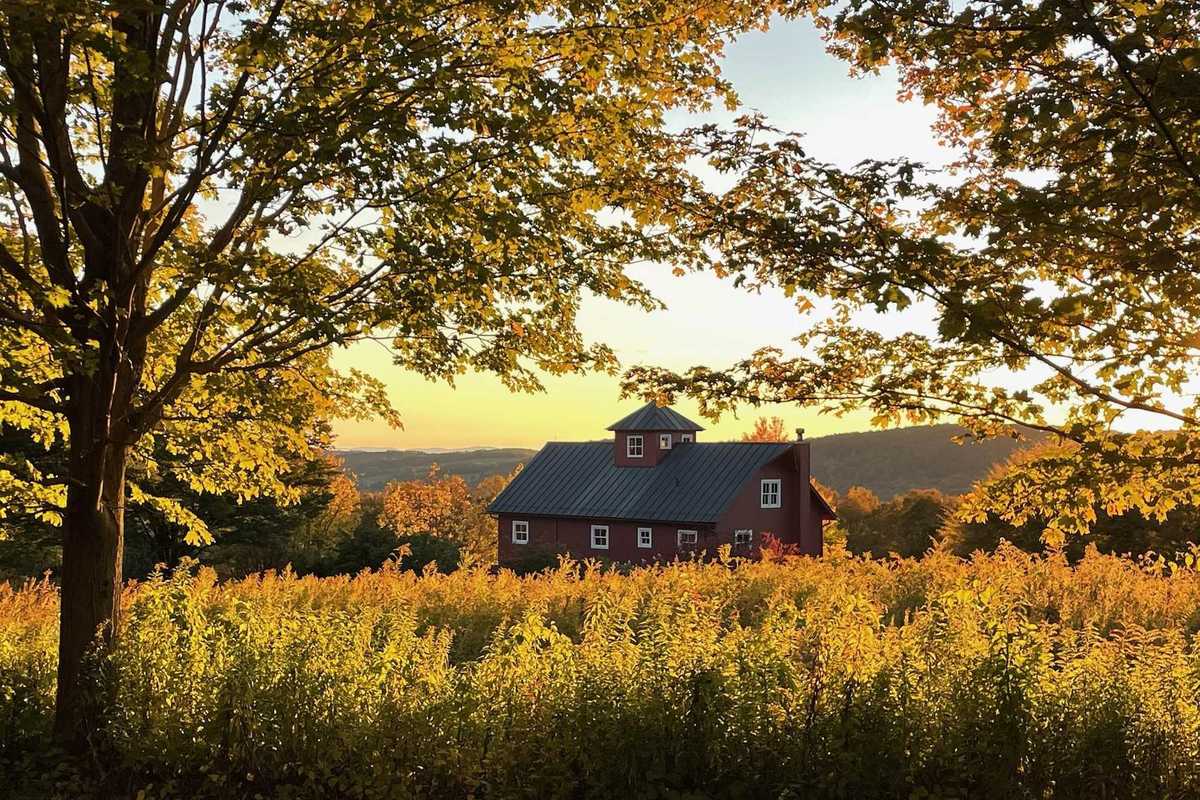
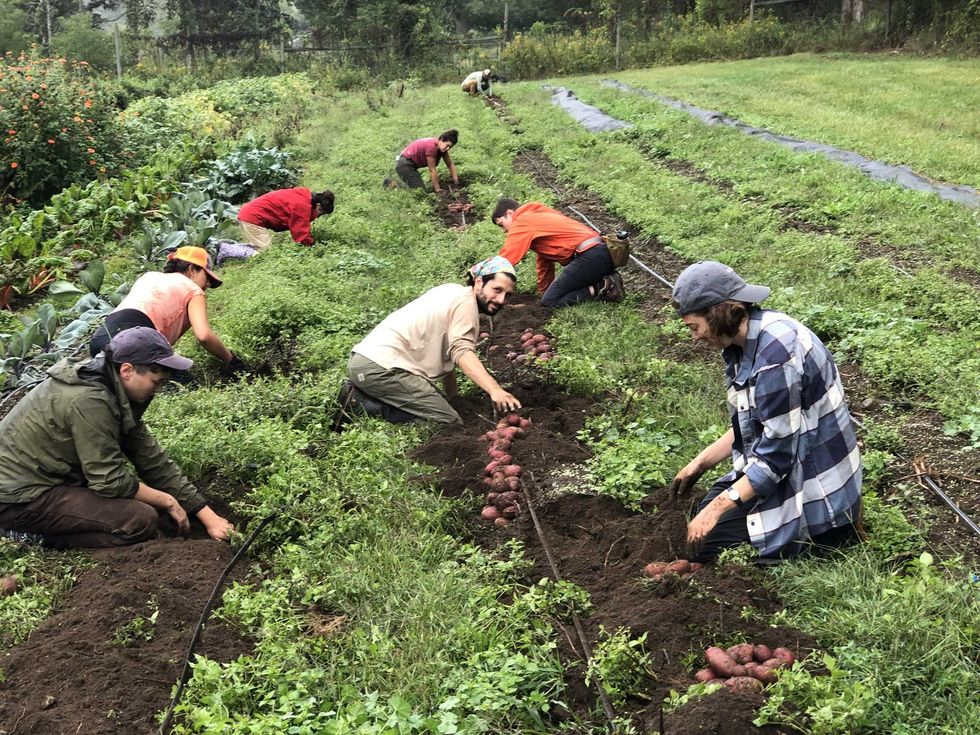 Fall storage crop harvests amid soil building cover crops at Adamah Farm in Falls Village. Janna Siller