HARLEM VALLEY — While the New York state budget passed on Thursday, March 31, didn’t cut as much state aid to local school districts as was outlined in Gov. Andrew Cuomo’s original proposal, interviews with area school superintendents revealed that while any relief was welcome, there were still very hard decisions left to be made.Because of how infrequently the state passes timely budgets, school districts are often left to budget for their year without definitive information regarding how much state aid they will be receiving. For many schools, state aid constitutes a significant portion of their budgets, and many schools begin drafting their own budgets based on the governor’s budget proposal, which generally features more drastic cuts than the actual budget.Of the three school districts in this area, the Millbrook Central School District relies the least on state aid to fund its operating budget. Millbrook Superintendent Lloyd Jaeger said that roughly $10,000 less would be cut from the school’s state aid than anticipated.“It’s not a restoration,” he clarified, referring to many media reports that referred to the difference in state aid between the governor’s proposal and actual adopted budget as restorations. “It’s diminishing the cuts, and we’ll still have a 1 to a 1.5 percent cut in state aid compared to last year.”Webutuck Superintendent Steven Schoonmaker said that the difference between the governor’s proposal and the actual budget for his district was about $98,000.“It’s less than we would like to have,” he said. “But it’s certainly helpful to the degree that it can be.”Schoonmaker noted that the board was in ongoing discussions with the local school unions (the district is seeking concessions to help restore some of the programs and staff initially slated to be cut) and that the final cuts needed would depend on both the state aid reduction and the result of the union discussions.“Obviously we’ve had preliminary discussions and talks about prioritizing returns based on what we might get, but until we have all the information they are just that — preliminary discussions,” Schoonmaker said.In the Pine Plains Central School District, Superintendent Linda Kaumeyer said the difference between the governor’s proposal and the adopted budget was between $300,000 and $400,000. She pointed out that it was hard to calculate an exact figure, because funding comes from a variety of places, including the Federal Jobs Fund allocation that will be used for the 2011-12 budget and the state aid for capital projects.“Pine Plains has learned to adjust to reduced state aid on an annual basis, going back five years,” Kaumeyer said. “We’re grateful for the fact that the reduction is less than what would have been the case under the governor’s budget.”Neither Webutuck nor Pine Plains had held a board meeting since the state budget was passed or in time for this paper’s press deadline (Webutuck’s was scheduled for April 4 and Pine Plains was held on April 6; coverage of both meetings will be included in the April 14 issue of The Millerton News). Both superintendents said that their boards and administrations would be discussing how the additional funds would be used starting at those meetings.“We will make a complete budget presentation [at the April 6 meeting],” Kaumeyer said, “as is tradition for the first meeting in April. I am sure there will be discussion about the additional funds, and I’m sure the discussion will center on many aspects. We’ll be deciding or talking about the budget-to-budget increase and what kind of impact various budget scenarios will have on the tax levy. We’ll continue to show a three-year projection outward, and since the possibility of a 2 percent tax cap is still in the picture, that will be factored into the analysis as well.”“By April 18 the board has to adopt the budget,” Schoonmaker said. “Certainly by then all the decisions will be made and we’ll go from there. It would please me to meet with folks and say that our worst fears haven’t come to fruition.”Schoonmaker spoke with a number of staff members whose positions or the classes they taught were in possibly jeopardy due to budget restrictions (see story Page A1). It is expected that the reduction in state aid cuts will reduce the number of cuts to staff and programming that Webutuck will need to make.“Those are bubble positions at this point,” Schoonmaker said of the decision to meet with teachers early, “and it’s not fair to have [possible cuts] hanging out there and not make teachers aware of what the potential is.”
Latest News

Georgie, the resident office dog at The Lakeville Journal and The Millerton News.
They're our walking buddies, couch companions, adventure partners and, of course, our favorite subjects to photograph.
We invited our community to introduce us to the pets who fill their lives with love. We're excited to share some of the adorable faces, funny personalities and furry friends that make our lives so special.
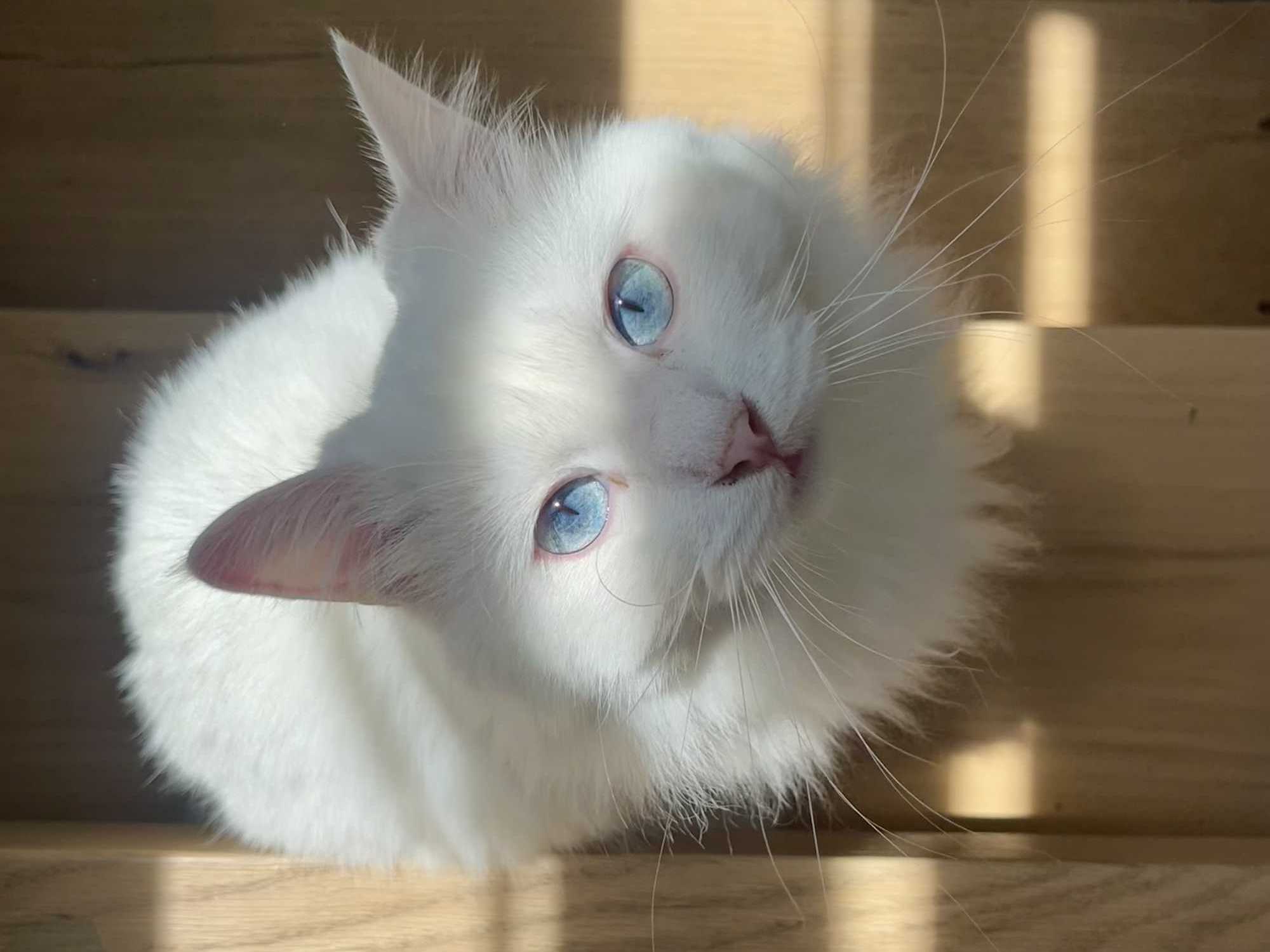
"Took" - Turkish Angora loved by Emily Peterson
Emily Peterson
Took, is a one-year-old Turkish Angora cat who lives in Falls Village. Fun fact: Took was named after the Hobbit Peregrin "Pippin" Took, from Lord of the Rings!
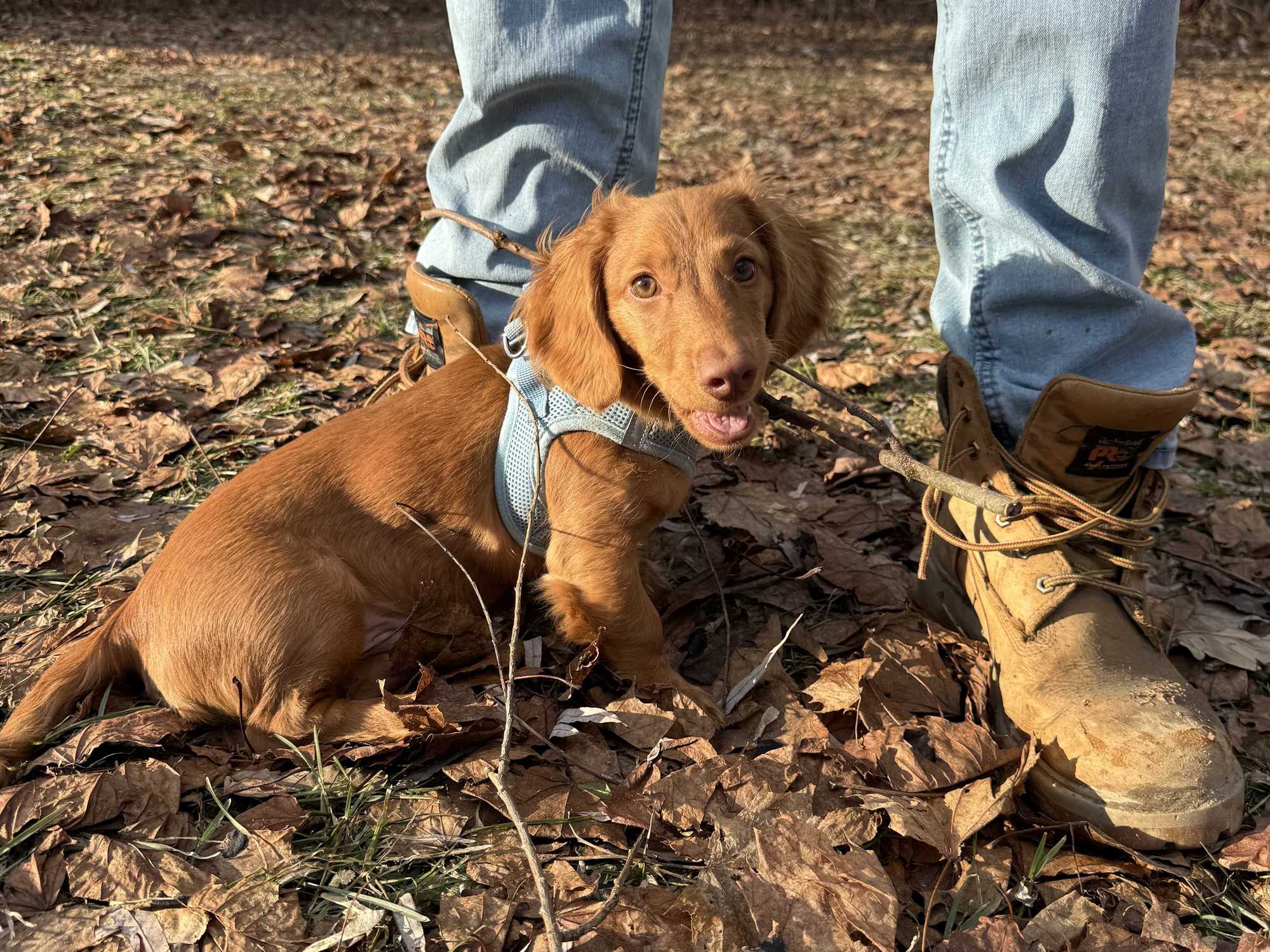
"Coop" - Dachshund loved by Karlee Mcghee
Karlee Mcghee
This is Coop, a cream/copper colored dachshund. He is a year old on October 11, and he lives in Sharon, CT. His favorite part about fall is chasing the leaves when they blow in the wind.
"Murray" - Clumber Spaniel loved by the Goldring Family
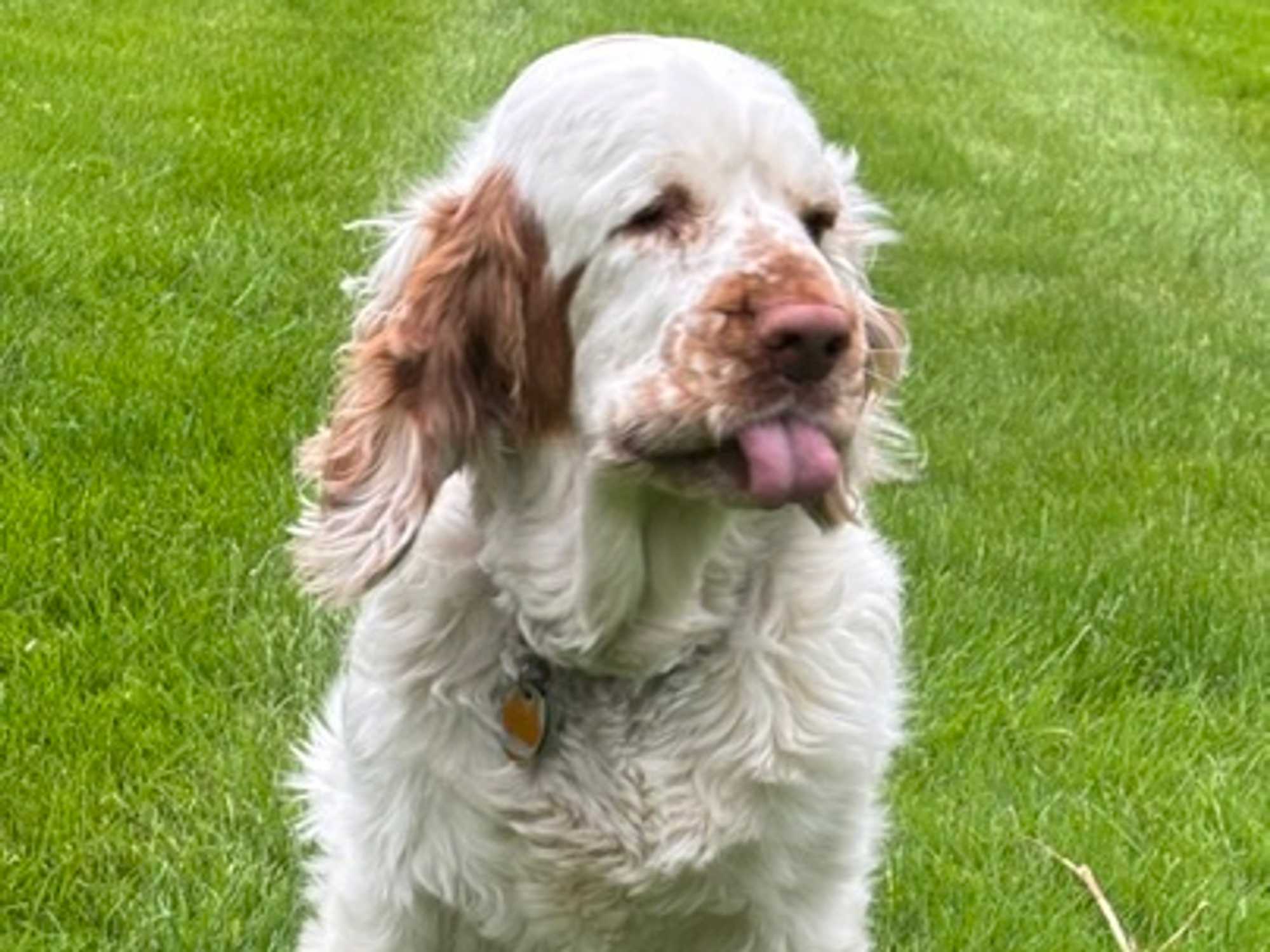
Daniel Goldring
This is Murray, a 5.5 year old Clumber Spaniel who is 60lbs of fun! He lives in Lakeville and can often be seen hiking Dark Hollow Road. Fun fact: he sits on the bench looking out the front window just to make sure we always come home. Works every time!
"Beni" - "Super Mutt" loved by Roxanne and Scott Bok

Roxanne Bok
Beignet “Beni” came to Roxanne and her husband, Scott, 2 years ago at 6 years of age. She is 8 different breeds, including “super mutt” - which is an actual category - but seems to identify as mostly terrier. She was originally rescued from a shelter in Louisiana, spent some time in foster with a FL veterinarian before coming to them. They had a rough first few months as she was fear-aggressive, especially regarding other dogs, but is still gaining confidence and trust. She is crazy for the woods and loves nothing better than digging for chipmunks in holes. They love her deeply and have learned the rich rewards of adopting. "Beni" lives in Salisbury, CT.
"Henry" - Jack Russell Terrier loved by Mimi Harson
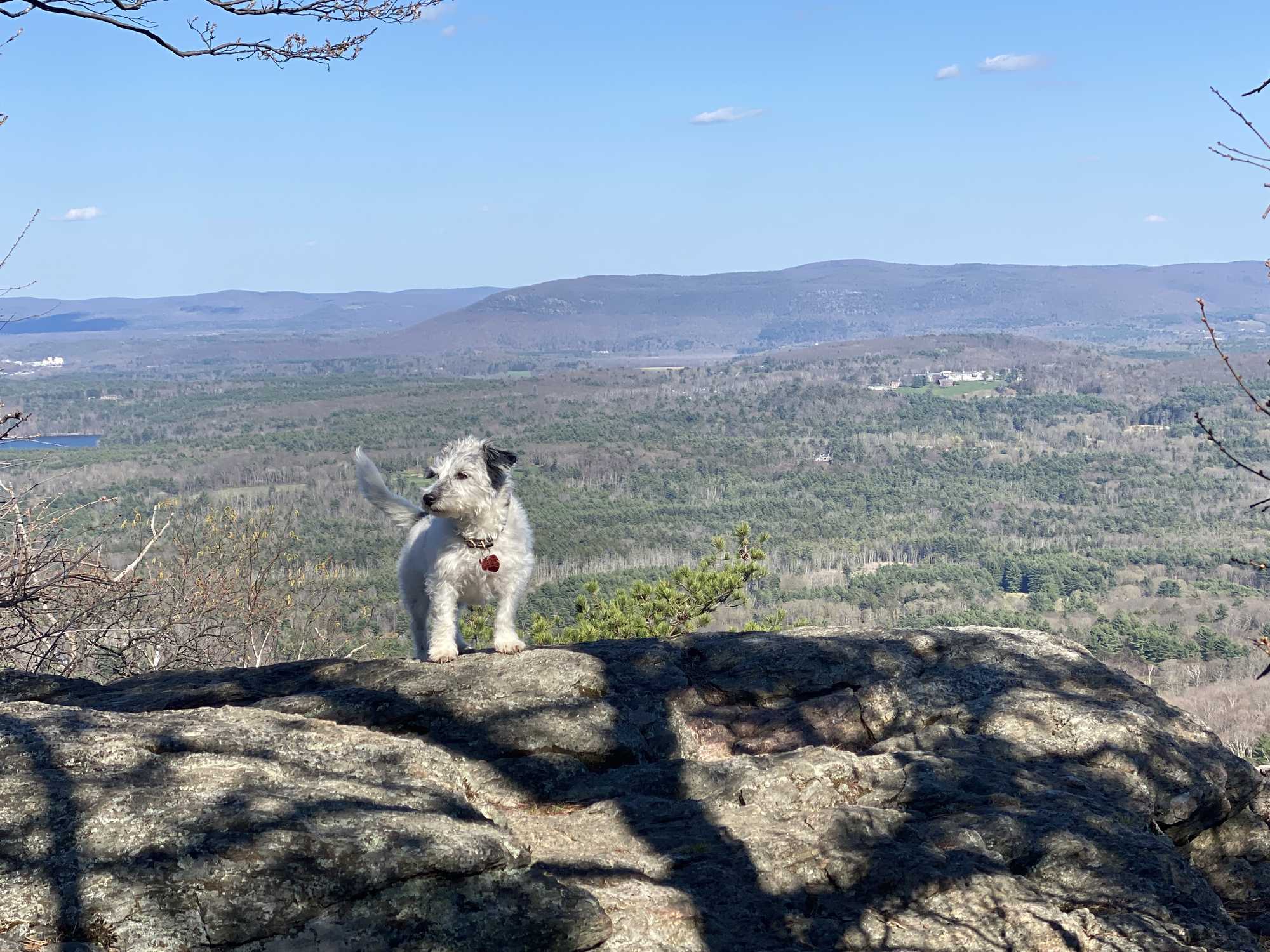
Mimi Harson
This is Henry, nickname Barky Sparky. He is a 14.5 yr old, 14lb, Jack Russell Terrier and loves to hike Lions Head with his mom.
"Charlie" - Standard Poodle loved by Gwen Greene
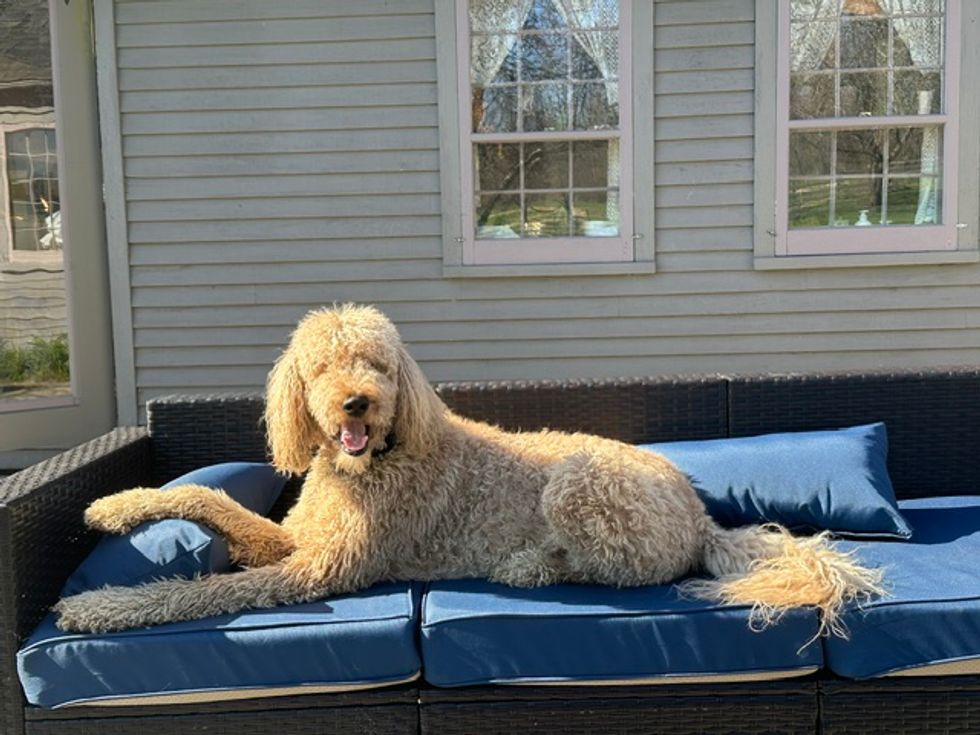
Gwen Greene
Charlie is a Standard Poodle born on January 20, 2021. He's a charmer and loves having his photos taken.
"Bella" - Portuguese Water Dog loved by Megan Jensen Sher
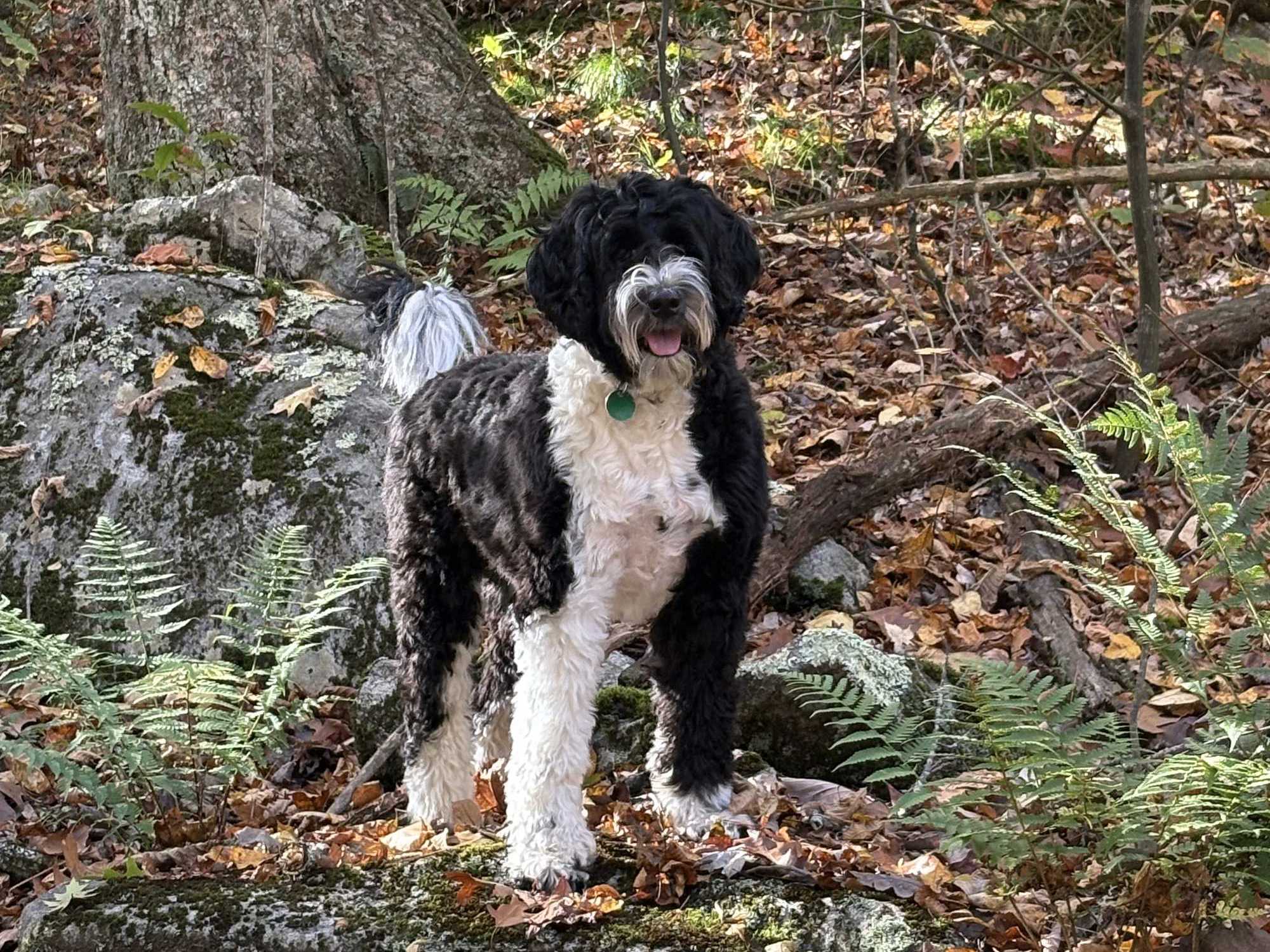
Megan Jensen Sher
Bella is a Portuguese Water Dog who lives in Falls Village. She came to Megan as a rescue from Texas last year.
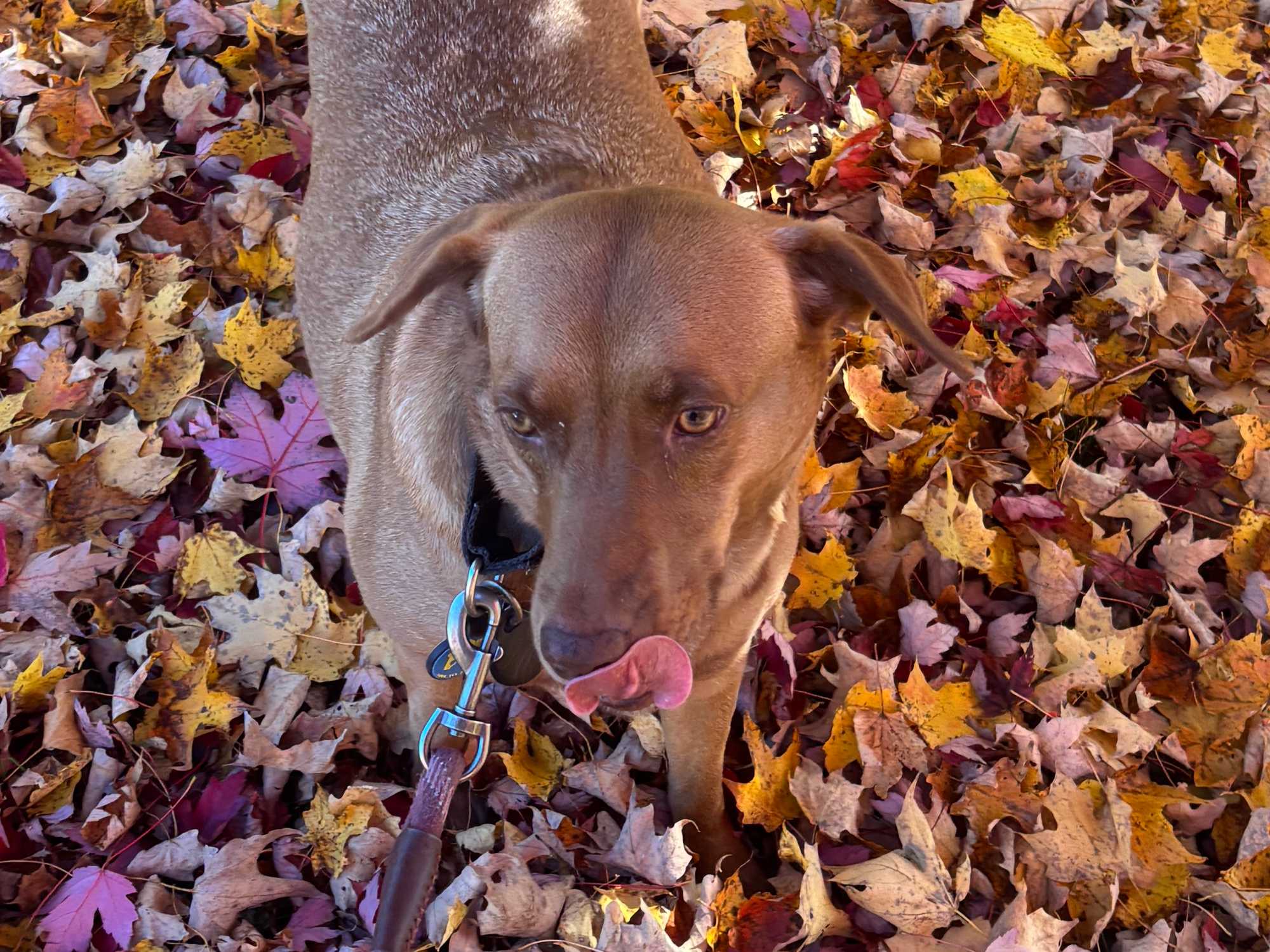
"Maisie" - Lab mix loved by Alexandra Missett
Alexandra Missett
Maisie is a lab mix from Millerton. Fun Fact: Maisie loves the snow, but hates the rain.
"Thorin" - Kerry Blue Terrier loved by Elizabeth Demetriades

Elizabeth Demetriades
Thorin is a Champion Kerry Blue Terrier who LOVES Twin Lakes where he practices for his Dock Diving Competitions! Fun Fact: Thorin has earned an AKC DJ Dock Junior Title!
"Ralphie" - English Cream Golden Retriever loved by Colleen Kopec

Colleen Kopec
Ralphie Kopec is a 3 year old English Cream Golden Retriever. He's described as the smartest Golden ever!
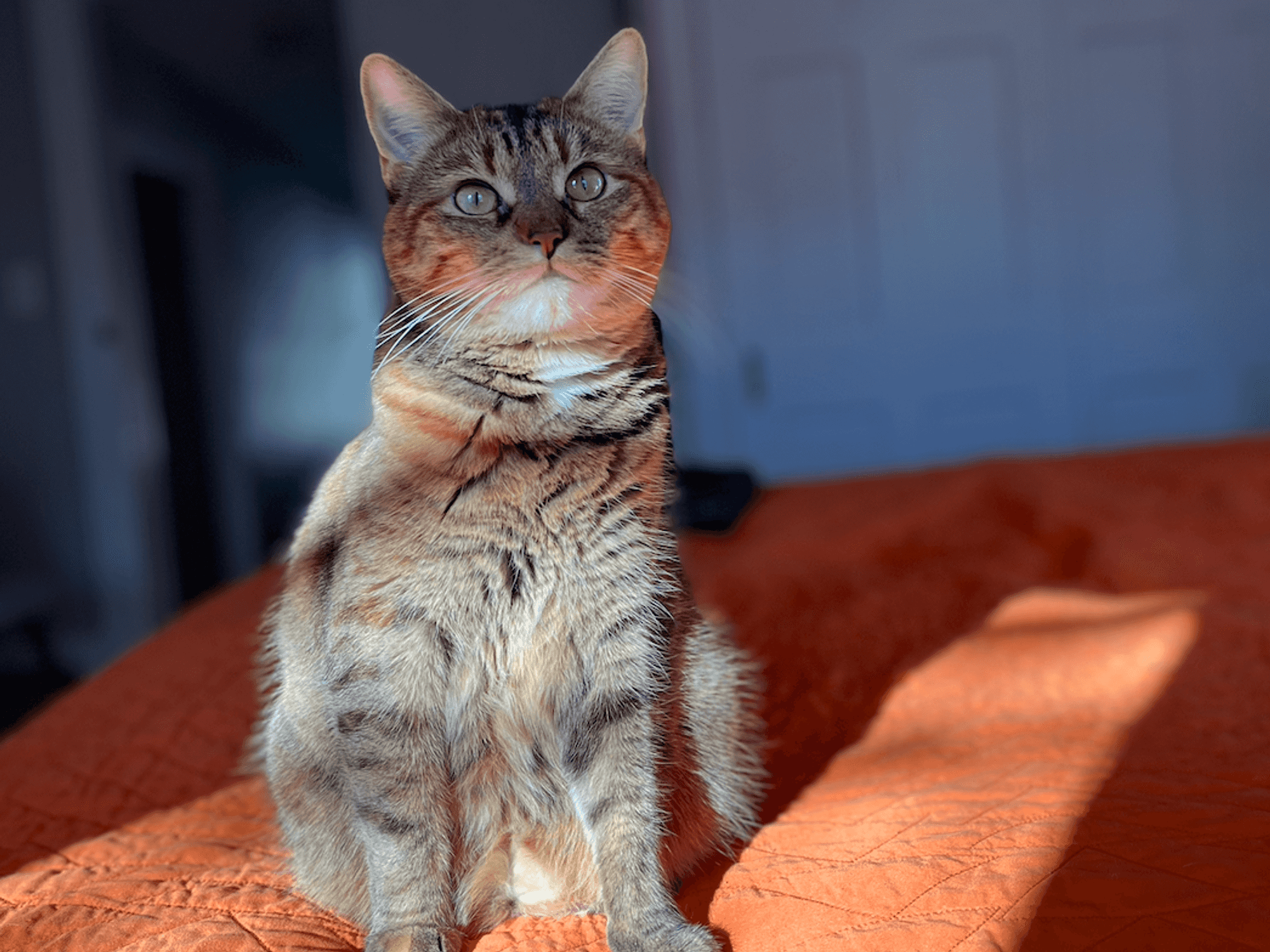
"Tiny" - Loved by Melissa Ferrick
Melissa Ferrick
Tiny is 5 years old and loves to be pet so much. She lives in Millerton, NY.
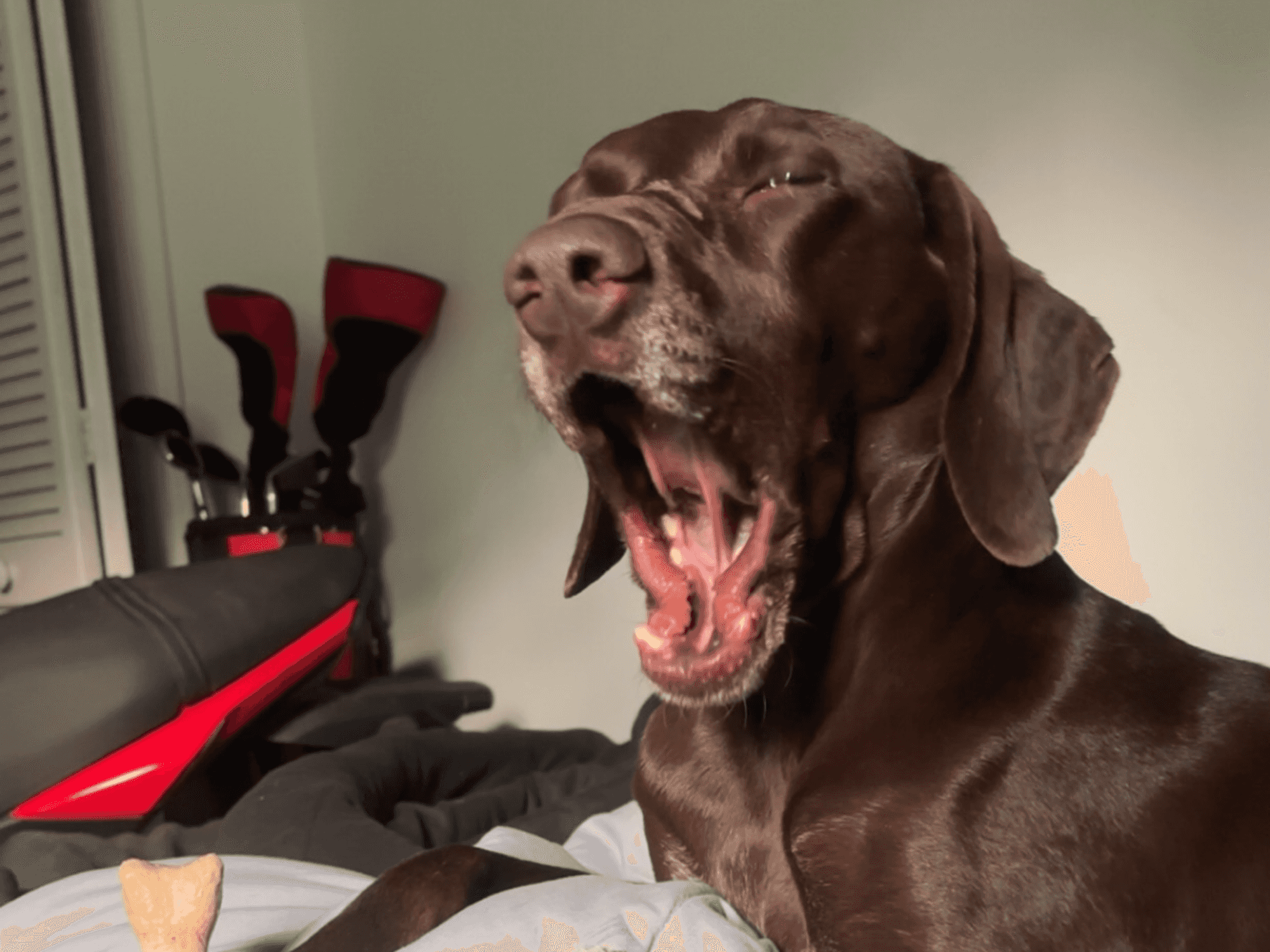
"Trixie" - German Short Haired Pointer loved by Andrew Lacasse
| Andrew Lacasse |
Trixie is a 5 year old German short haired pointer. She lives in Millerton, New York. She's extremely vocal she has no problem expressing what’s on her mind. She loves going for rides in the truck no matter what we are doing from tractor supply runs to plowing snow in the winter.
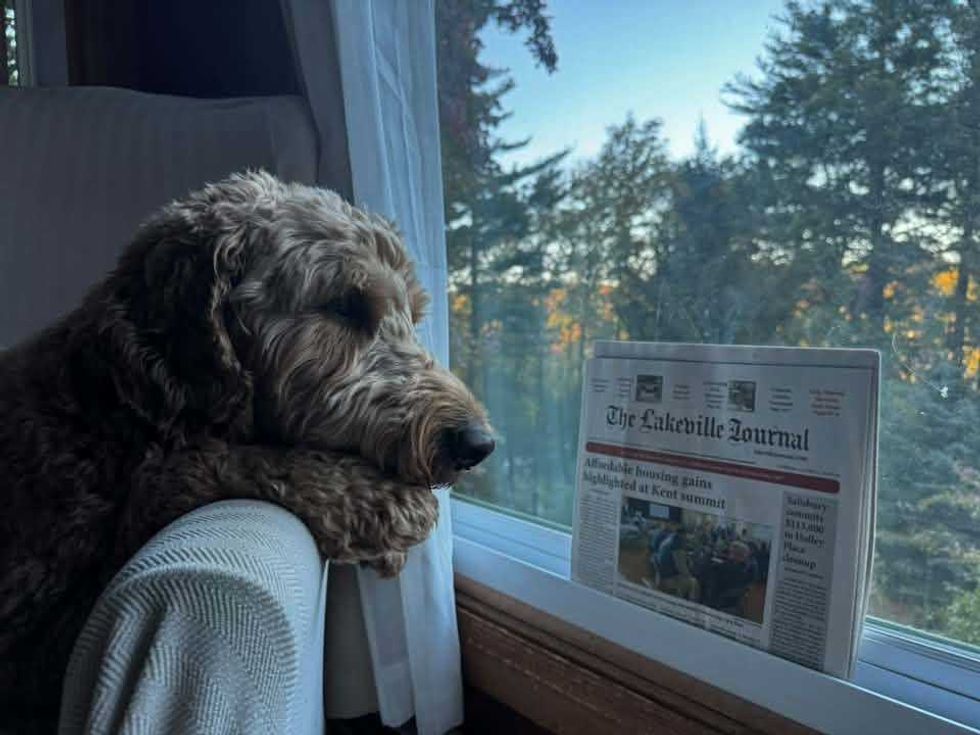
"Charlie" - Goldendoodle loved by Czarinna Andres and Family
Czarinna Andres
Charlie, the Goldendoodle, reads the Lakeville Journal from his favorite spot in Harwinton!
"Roger" - Sphynx cat loved by D.H. Callahan
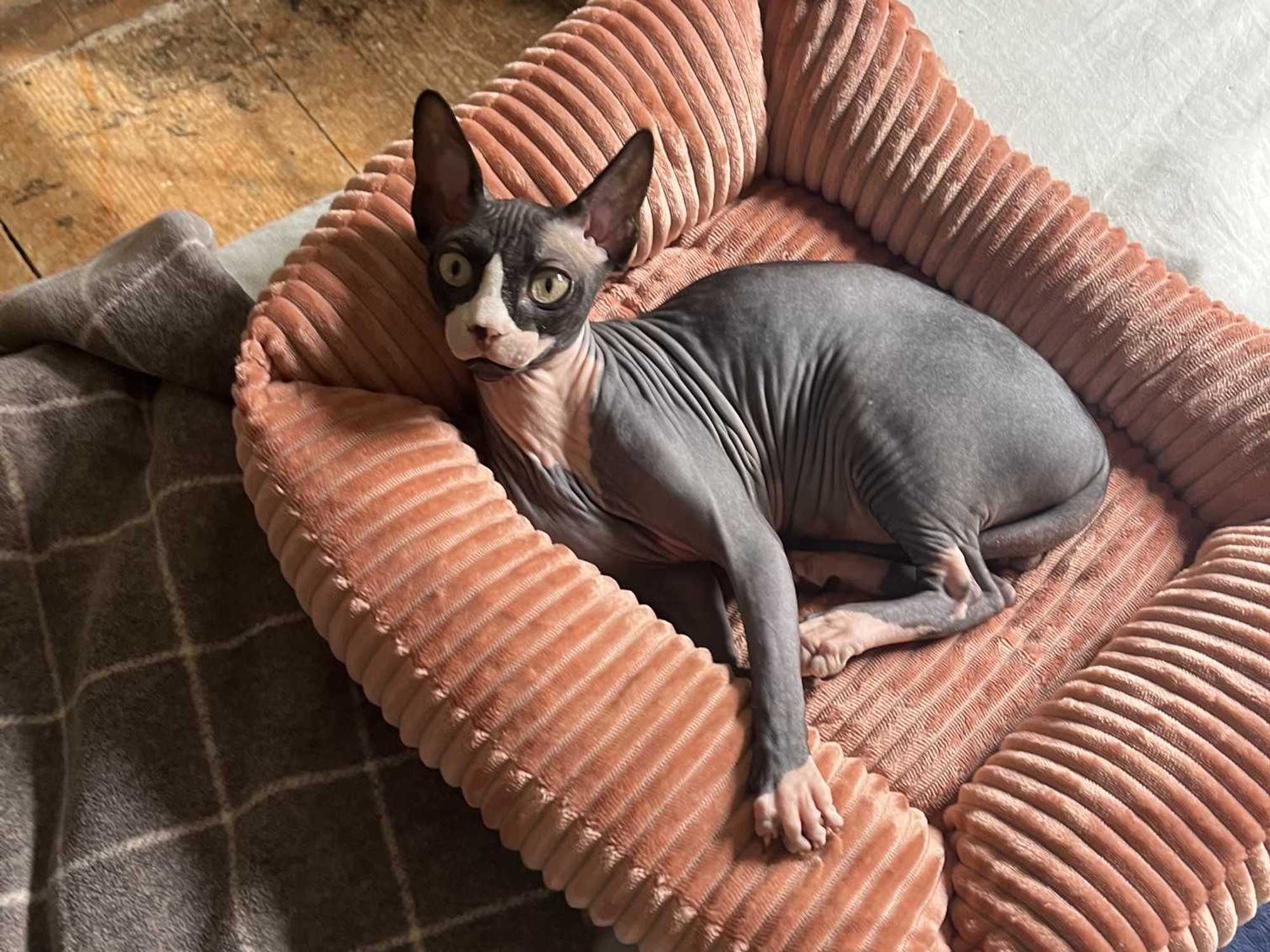
D.H. Callahan
Roger is a Sphynx cat that lives in Cornwall, CT.
"Susie Lucy Sharon Stone" - Loved by Melissa Ferrick
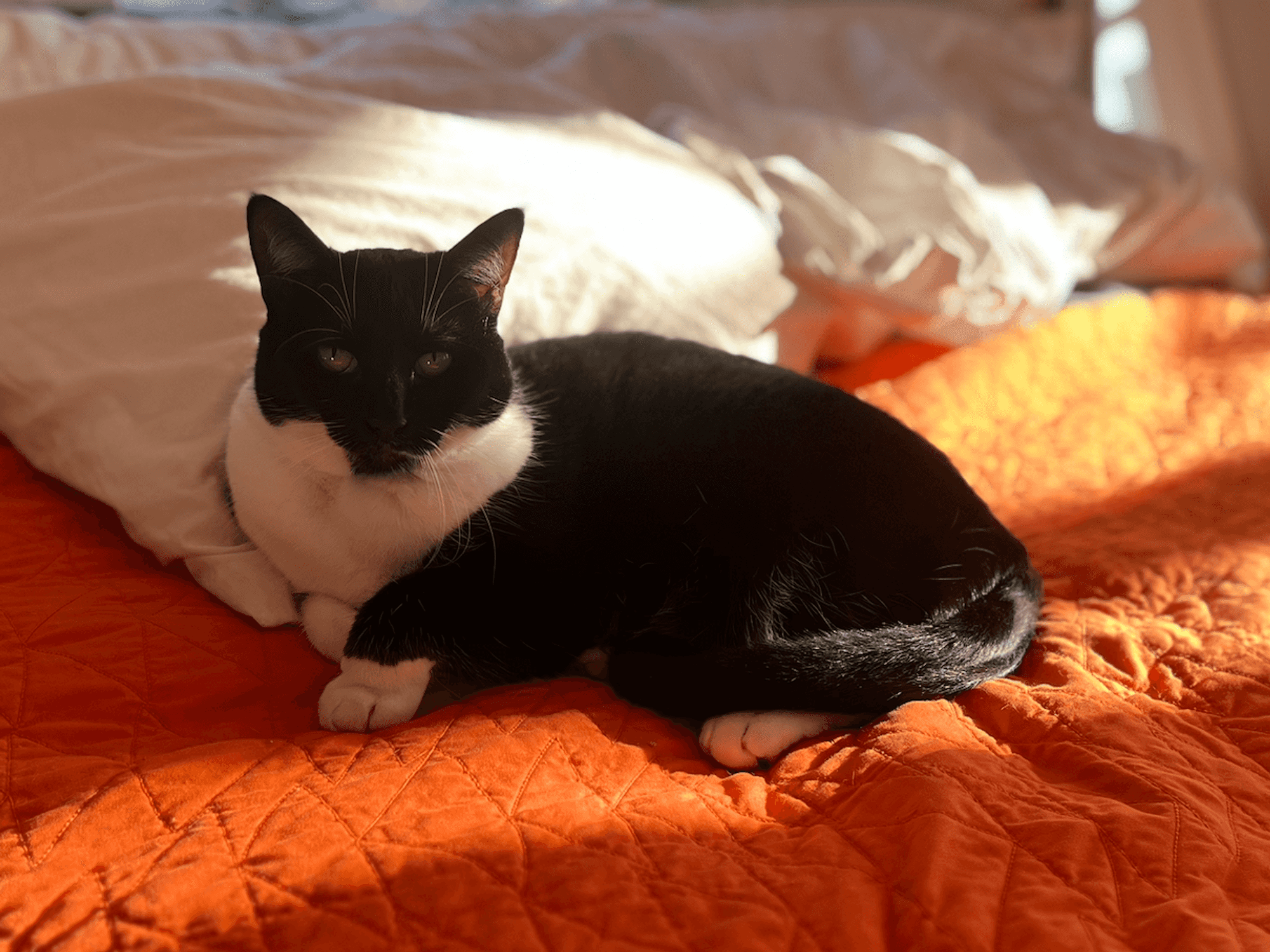
Melissa Ferrick
Susie Lucy Sharon Stone was a street cat and can be a bit clumsy but loves a window seat in the sun. She lives in Millerton.


Want more of our stories on Google? Click here to make us a Preferred Source.