SHARON — Finding mental health care providers is the top concern of residents of Dutchess and Litchfield counties and nearby sections of Columbia County, according to a study released last week by the Foundation for Community Health (FCH).
Based in Sharon, the foundation was created in 2003 to support physical and health care needs in the Tri-county region. In its first decade the nonprofit awarded nearly $8 million in three areas: oral and mental health and access to health care.
Those three areas were chosen based on a health needs assessment that the foundation commissioned in 2004.
The assessment that was released on Jan. 23 will help define the foundation’s work in the next decade.
The data for the assessment comes from a survey that was emailed to 450 people in the group’s 17-town coverage area (a 43 percent response rate was reported); and on information gathered in 10 focus groups with 82 area residents.
The documents released last week don’t offer specifics on who took part in the survey; for instance, it’s not indicated what age groups they are in or what their economic status is.
However, the study does offer a statistical picture of the region based on information gathered from government agencies such as the U.S. Census Bureau and a variety of state and local organizations.
Seventeen towns were surveyed, including all six towns of the Region One School District in Litchfield County, as well as Norfolk, Goshen and Warren.
In Dutchess County the towns included are Dover, Washington (which includes Millbrook), Amenia, Stanford, Pine Plains and North East (which includes Millerton). The two Columbia County towns are Ancram and Copake.
These towns have a combined population estimated at 51,410.
Who we are
These 17 towns, according to the survey, have very different populations.
In terms of the general age of the population, 19 percent of the people who live in the area are over the age of 65. This is somewhat higher than the average for New York state and for Connecticut, where statewide 14 percent of residents are over 65.
Residents of Connecticut’s Northwest Corner tend to be older than their nearby New York state neighbors. In Kent and Salisbury, more than 25 percent of the population is over 65. In Amenia, 25 percent of the population is under 18.
In the region, 94 percent of residents are white, which is higher than the percentage statewide for Connecticut (81 percent of residents are white) and New York (68 percent of residents are white).
The Latino population has increased to 6 percent in the region, with more Hispanics in the New York towns than on the Connecticut side of the state line.
While the region remains relatively affluent, the number of students who qualify for free and reduced lunch at school has increased since the 2006-07 school year. The poorest town in the foundation’s coverage area, according to the data collected, is North Canaan, by a substantial margin.
In Litchfield County, 42 percent of residents have a bachelor’s degree or higher. This is higher than the statewide average and higher than in Columbia and Dutchess counties (30 percent and 22 percent respectively).
In many of the Dutchess County towns served by the foundation, more than 10 percent of residents over the age of 25 have not completed high school or earned an equivalent degree.
There is a higher mortality rate in Columbia County than anywhere else in New York state, but hospitalization rates are lower. Dutchess County hospitalization rates are lower than those for the rest of the state “for many causes with the exception of unintentional injuries and drug-related causes.”
Hospitalizations “for all causes except alcohol and drug abuse” are lower for Litchfield County than for the rest of the state.
Tri-county health concerns
Based on responses to the survey questions, the foundation reports that the top areas of concern relating to health in the region are mental health access to health care (including transportation to appointments, the cost of health care and the availability of doctors and other medical providers).
More than half of the people who took part in the survey listed mental health care as one of the top three concerns in the region. They said that they feel there is a great deal of mental illness in the area and that resources for treating it are scarce.
The foundation found that the suicide rate in the three counties is higher than average for New York and Connecticut.
Respondents were especially concerned about services for children and young adults. There appears to be an increase in depression, suicide and eating disorders among middle-school students in Litchfield and Dutchess counties (data was not available for Columbia County in these areas).
When asked why they thought this was happening, study participants blamed it on “childhood trauma, poor parenting, overmedication, school pressures and the challenges of growing up in today’s world.”
Treatment isn’t keeping up with the problems, participants said, because of “a lack of mental health screening services, cost of care, few mental health providers in the region and few providers willing to accept Medicaid, and insurance constraints that limit mental health visits and services.”
Many also said there is a stigma associated with seeking help for mental health issues; and that Latinos have trouble getting help because of the language barrier.
The respondents suggested that the foundation could help minimize these problems by helping make mental health care more available, perhaps with traveling counselors who could visit community and senior centers and area schools; increasing free screenings available through schools and at doctors’ offices; and increasing outreach to the Hispanic population.
Health care access
Nearly three quarters of people who took part in the survey said that area residents “face barriers to accessing health care services.” About 60 percent said that transportation is the one of the three greatest barriers, especially for the elderly, the poor and Hispanics.
About 50 percent listed cost as a major barrier. And about 25 percent said that a lack of medical providers was a top-three barrier — although many also said they feel that people don’t know what services are available here, due to a lack of publicity.
Suggested responses for the foundation included increasing the number of providers. The document released by the foundation indicates that “the Affordable Care Act will have a substantial impact on provider availability and provider networks, but in what way is not yet known.”
The document also noted new legislation that allows nurse practitioners to work independent of of a physician.
There are at present several services that help get area residents to doctor appointments. The need is increasing and it was suggested that the foundation could increase its support of programs such as Dial-a-Ride.
To help area residents learn more about what services are available, it was suggested that some kind of comprehensive directory be created.
Substance abuse
About a third of people taking part in the survey said that drug and alcohol abuse are a top health concern here.
“Heroin was specifically singled out due to recent deaths in the community” but also cited were marijuana and prescription drugs.
The foundation reports in the document that, of the seven counties in the Hudson Valley region, “Dutchess County has the third highest rate of admissions to certified rehabilitation programs” for use of heroin and other drugs.
In Columbia County between 2002 and 2011, the number of rehab admissions for heroin use doubled.
There were no similar statistics available for Litchfield County, where there is a high rate of excessive drinking by adults.
Teens in the three counties are not reporting a lot of cigarette smoking, but they are apparently drinking a lot of alcohol and smoking a lot of marijuana.
Suggested responses for the foundation included making more intervention and treatment programs available, especially in the schools; increasing outreach and education; improving monitoring of prescriptions to reduce the abuse of prescription drugs and to help keep patients from getting addicted.
Obesity
One third of survey participants said that obesity is a top health concern here. Obesity rates in the 17 towns are about on par with those for the rest of Connecticut and New York, although Litchfield County residents seem to have obesity rates that are lower than those for the rest of the state. Diabetes is on the increase in all three of the counties served by the foundation.
Access to affordable and healthful food is listed as a problem for residents of Dutchess and Columbia counties, while residents of Litchfield County are reported to have better access to affordable healthful food than residents of other parts of the state.
Senior citizens and lower-income residents who took part in the survey said that not only is food expensive, it also costs them a lot to go out and get the food. Similarly, participants in the study said that while there are many parks, playgrounds and other places to go out and exercise, “access is largely limited to those with private transportation.” Classes and exercise programs are offered by schools and community organizations, but there is a fee to participate and that “can be prohibitive for some residents.”
Respondents said the foundation can help by providing education opportunities on exercise, eating healthy, cooking healthy and how to read food labels; by subsidizing the cost of getting healthful fresh food through programs such as the Farm Bucks accepted at some farm markets; and by funding physical fitness programs as well as publicizing exercise options available to area residents.
To read the survey summary, go to www.fchealth.org/index.php/publications_media/needs_assessment.
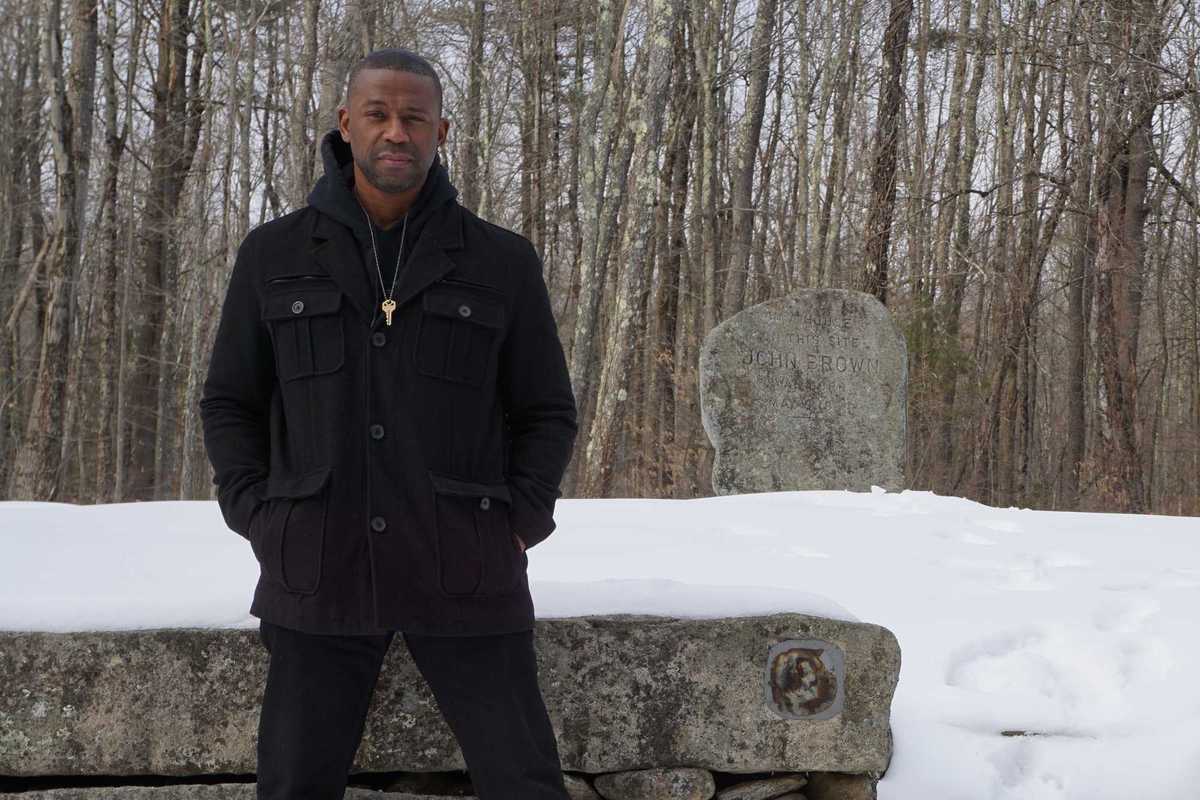
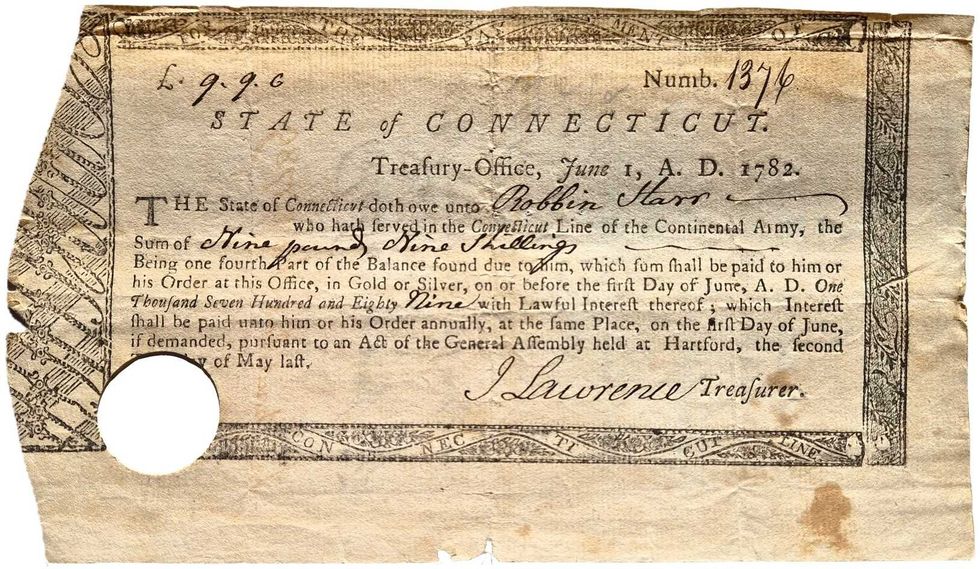 Pay Bill for Robin Starr’s service in the Continental Army.Courtesy the Alex Breanne Corporation
 John Mills speaking at Quinnipiac University.Courtesy the Alex Breanne Corporation
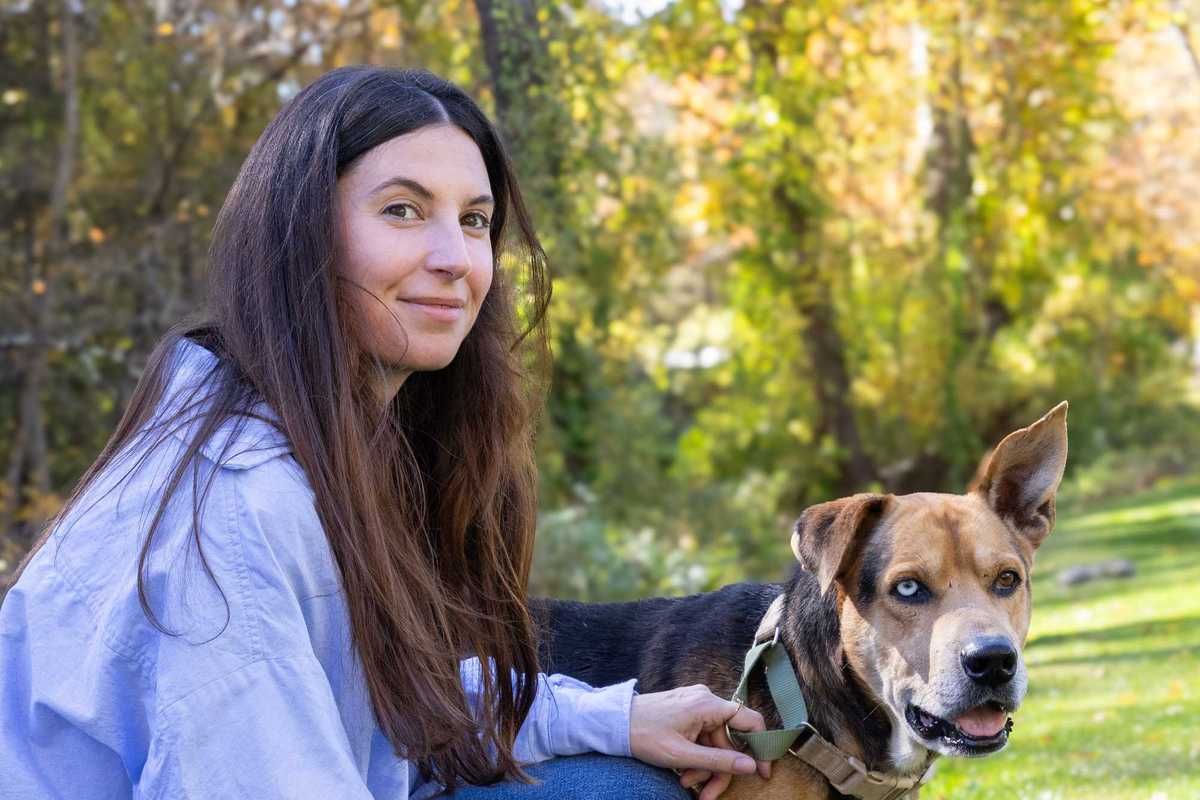
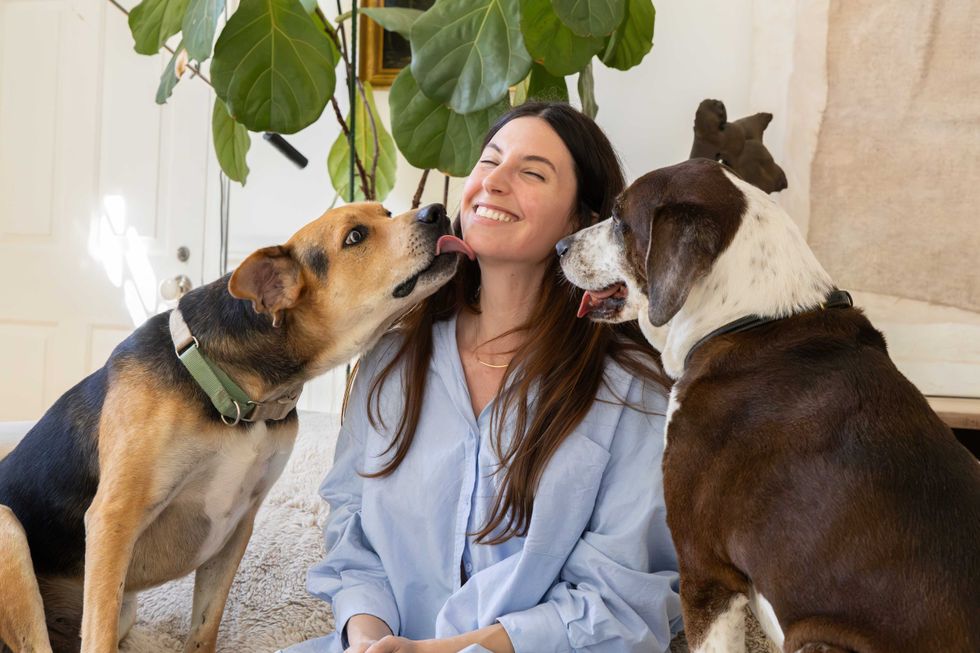 Stephanie Saetta,with her rescue dog George and Blue (left), a shepherd mix awaiting his forever home.Madi Long
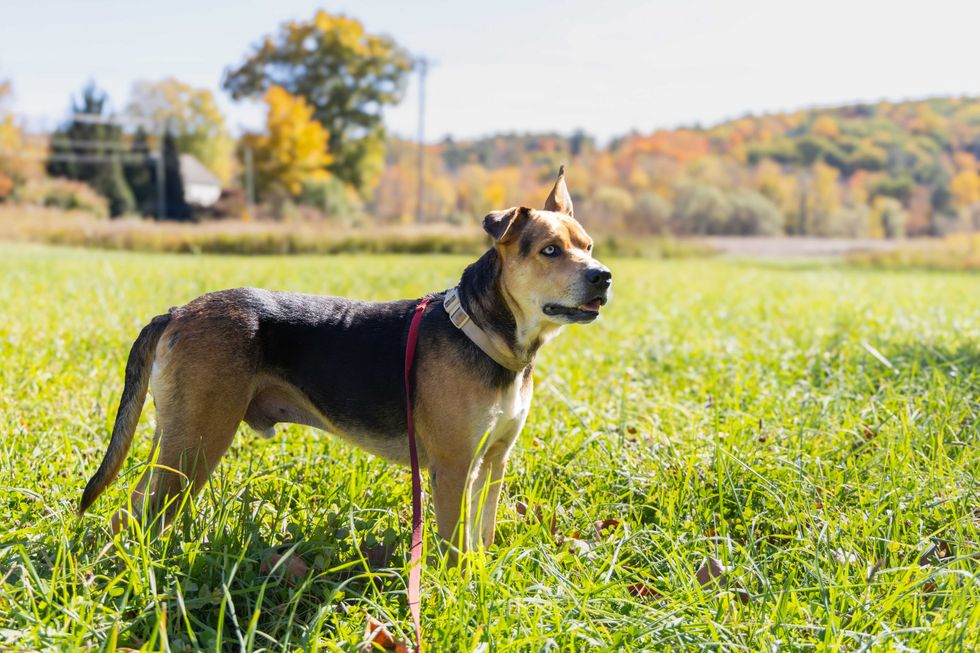 Blue, a 7 year-old Shepard mix, is waiting for his forever home. Madi Long