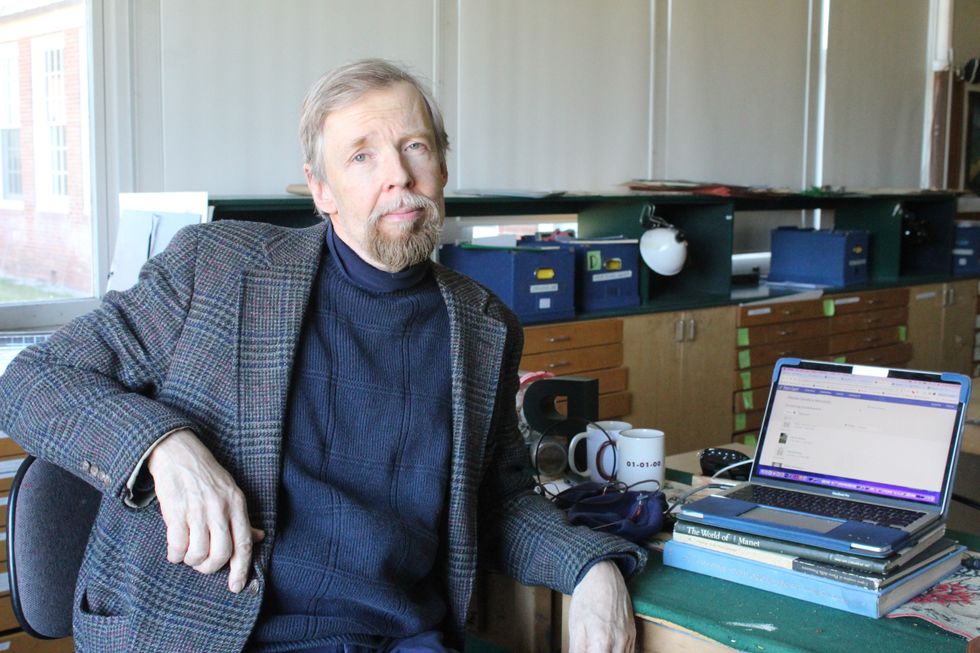
 Warren Prindle looked back on a career in “the people business.”Patrick L. Sullivan
Warren Prindle
Art teacher — 21 years
FALLS VILLAGE — Warren Prindle, who has been teaching art at Housatonic Valley Regional High School full-time since 2003, is retiring at the end of the current school year.
He took a few minutes to reflect on his career on Thursday, April 25.
He said the suggestion that he teach at the high school came from then principal Jack Mahoney.
“He said ‘Why aren’t you teaching at the high school? Because you’re clearly not making it as an artist’” Prindle recalled fondly.
Mahoney helped Prindle obtain teaching certification.
What was on Prindle’s mind this day was his familial legacy.
He showed his computer screen to the reporter, there was a list of names, including Hezekiah Goodwin, who died in 2000 and was one of a long line of Hezekiah Goodwins living in and around Lime Rock going back to the 18th century.
“How many people know this now? Zero?”
His ancestors are the Prindle’s and Browns of Sharon (Prindle’s middle name is Brown).
“I looked up 20-odd Browns in Sharon. But there are no more Browns around.”
What concerns him is this: “The legacy is evaporating.”
And that brought him to the legacy of teaching.
“The teaching legacy does live on,” he said.
There are the HVRHS graduates who studied art and went on to good careers, such as animator Mitchell Blass.
And then there are the students “who aren’t going to art school.”
“I hope they had a good experience, or at least were not turned off from creativity.”
Asked about his memorable students, Prindle thought for a moment.
Then he spoke.
“I’m in the people business.”
One of the people was a young man with bad body odor.
Prindle knew the student’s family was not well-off. “I’m not sure they had running water.”
Finally, he decided to say something.
What did he say?
“I told him I was really glad to have him in my class.”
The boy’s eyes lit up, and the moment passed.
“That may have been my best day.”
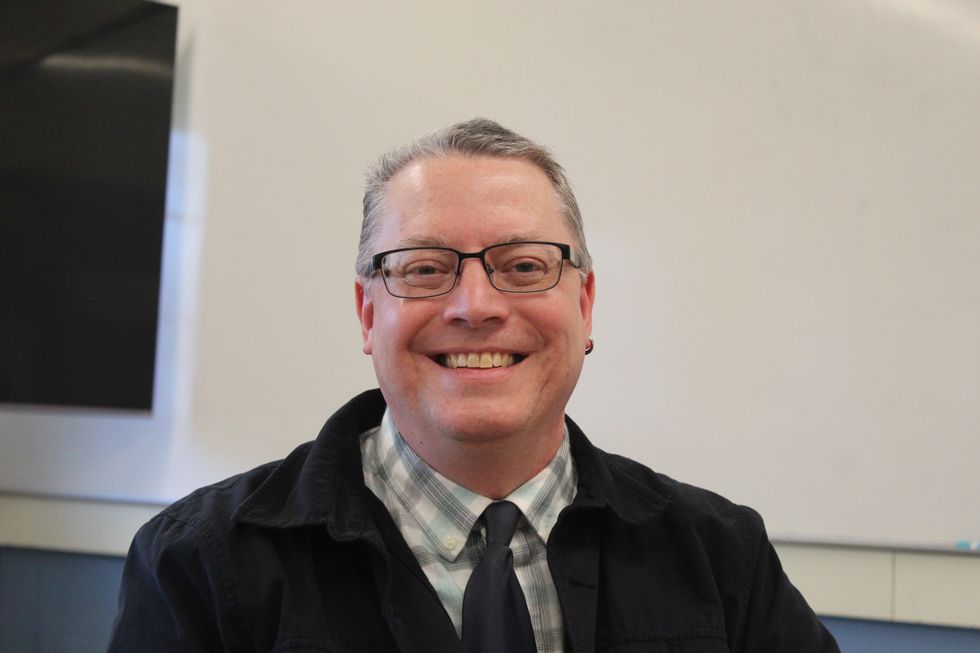 Scott Fellows plans to teach graduate and undergrad students next year.Patrick L. Sullivan
Scott Fellows
Math teacher — 35 years
FALLS VILLAGE — Scott Fellows has been teaching math at Housatonic Valley Regional High School for 35 years.
He is retiring at the end of the current school year.
Interviewed at the high school Thursday, April 25, he revealed that HVRHS was his first interview out of college.
Asked how education has changed over his career, he said, “We know a lot better now how people learn and how the brain operates.”
But as teaching practices evolved, some things did not change.
He cited former HVRHS principal Jack Mahoney’s influence.
“There was always the expectation that we do things in interesting ways.”
Fellows, who holds a doctorate in educational leadership, said he plans to return to that field and teach undergraduate and graduate students, and do research.
The goal?
To answer this question: “How do we make everything we do better and stronger for the kids?”
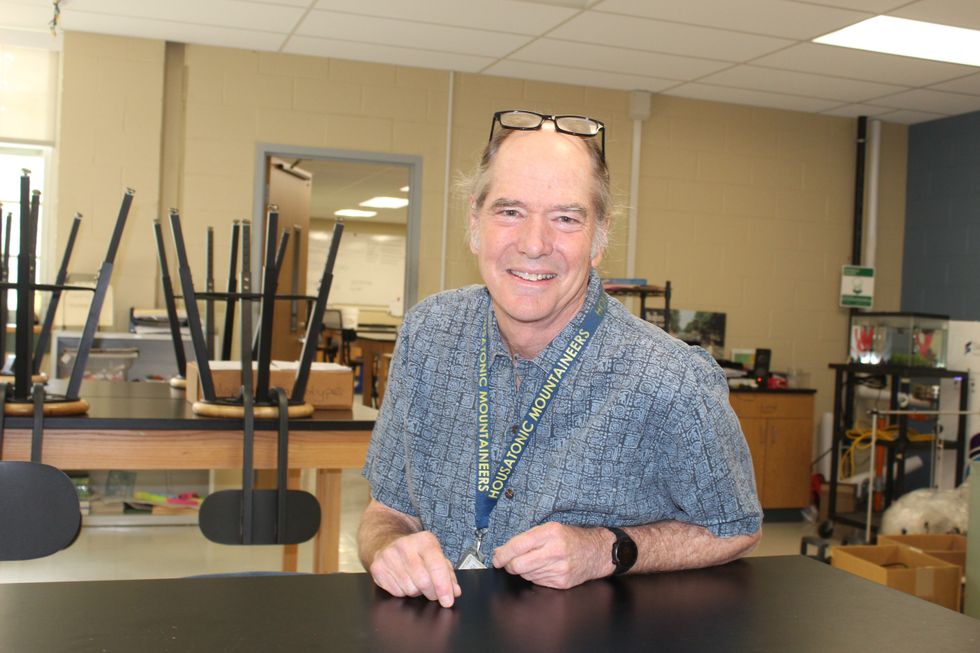 Alan Lovejoy looks forward to spending time with his grandchildren and cycling in retirement.Patrick L. Sullivan
Alan Lovejoy
Science teacher — 37 years
FALLS VILLAGE — Alan Lovejoy is retiring from the science faculty at Housatonic Valley Regional High School after a 37-year career.
Interviewed in the classroom Friday, May 3, Lovejoy said he started at Lee H. Kellogg School in Falls Village and stayed there 20 years before moving over to HVRHS in 2007.
Asked how education has changed, he thought for a moment.
“When I started at Kellogg, there were no lockers. The students had cubbies. If you needed to make copies, you had to give the originals to the secretary.”
Technology has certainly changed, he added. “We went from a computer room to laptops on as cart to every student having a Chromebook to now, where most kids have phones.”
Are smartphones a distraction?
Lovejoy said they can be, but there are legitimate uses too.
“We use them in physics.”
With enormous resources a click away, Lovejoy said he thinks some students may have lost something. “There’s not the same perseverance.”
“But with tech we can do a lot of other stuff, get more in depth.”
“COVID was really tough,” he continued. “I’m not sure they’ve all really recovered.”
Lovejoy said he found chaperoning overseas trips rewarding.
“Seeing these kids who have never been out of Northwest Connecticut actually go and live with a family, it was great.”
Asked what he plans to do in retirement, Lovejoy laughed and said, “lots of delayed maintenance.”
At his property in Amesville, the barn needs work and “the chicken coop needs bear repair.”
He plans to spend time with his grandchildren.
And on the list for the summer of 2025 is to ride the Great Divide Mountain Bike Route, which runs 2696 miles from Banff, Alberta to Antelope Wells, New Mexico.
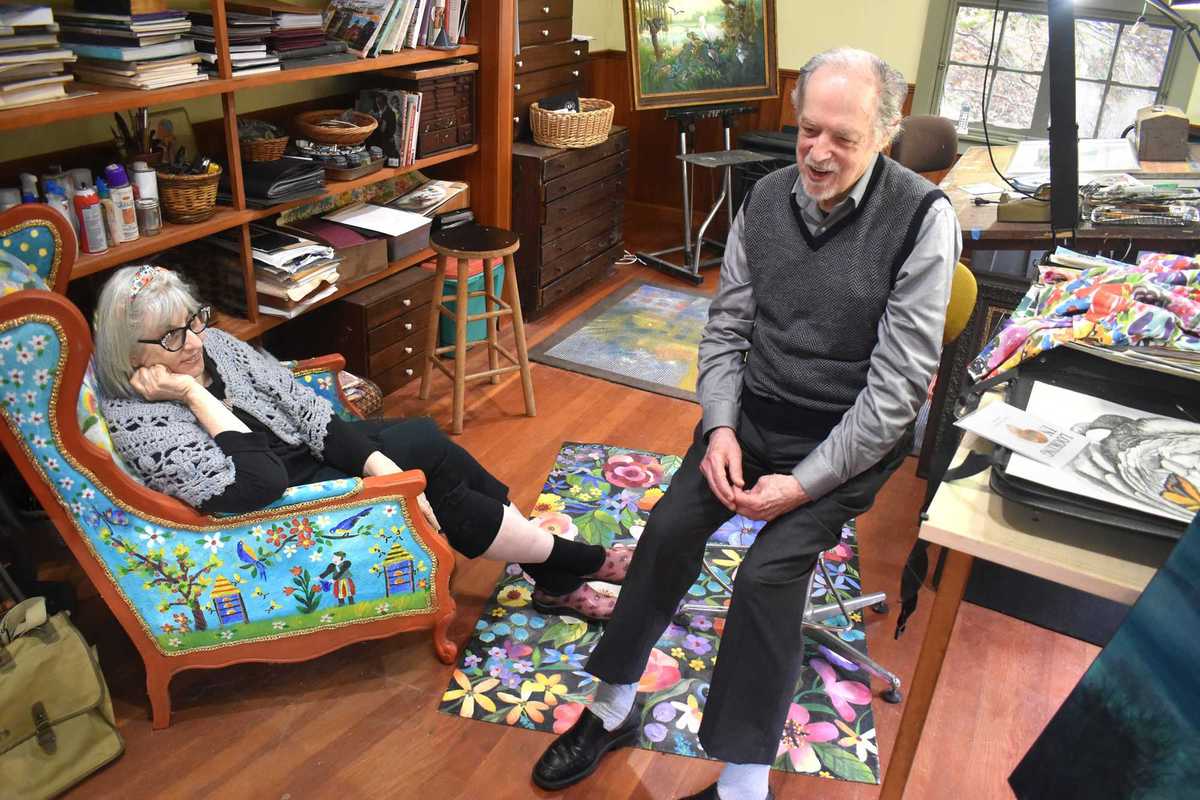
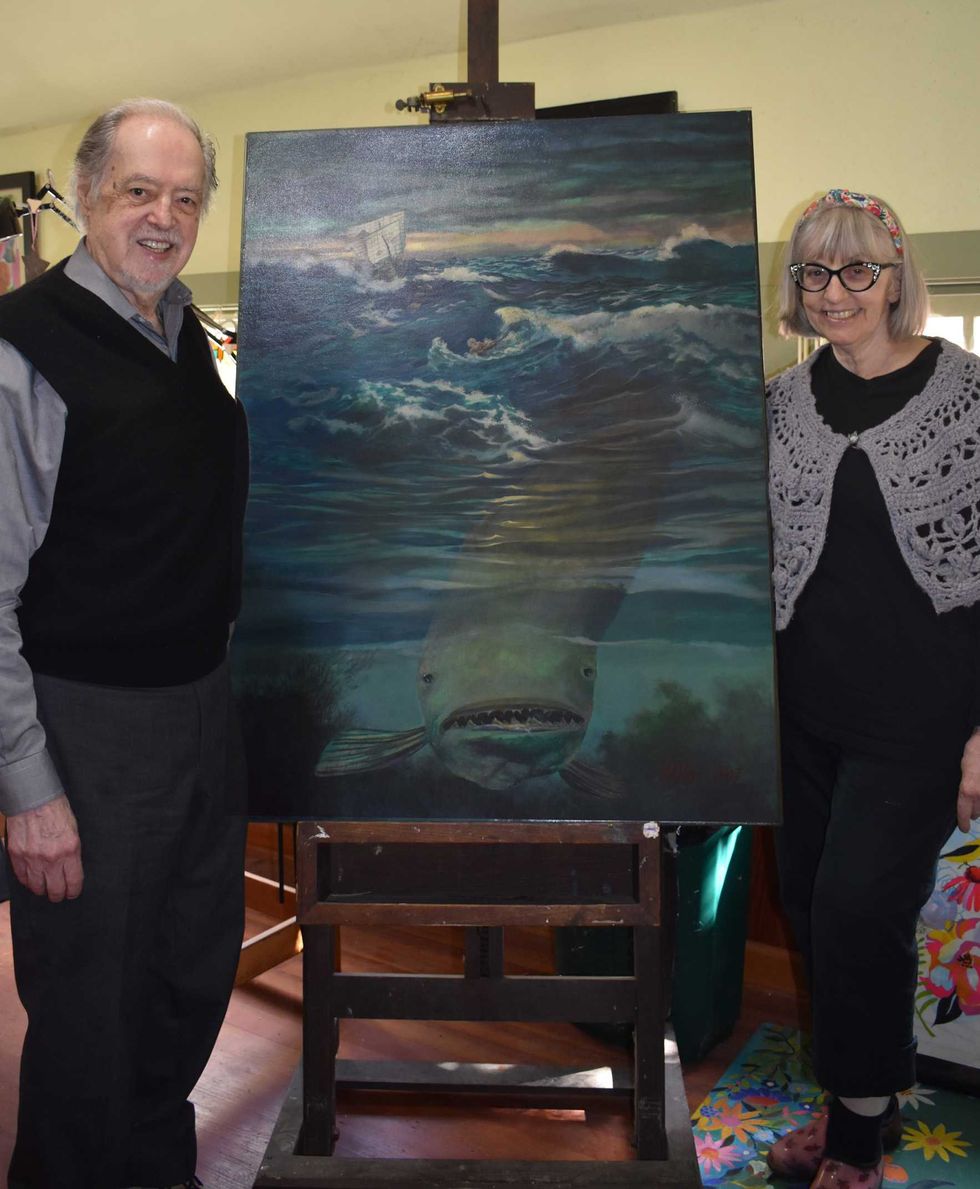 Justine and Victor Valla in their studio with a painting of Victor’s,”Jonah and the Whale.” Robin Roraback


 A ceramic vase by Kathleen Heidemann.Provided
 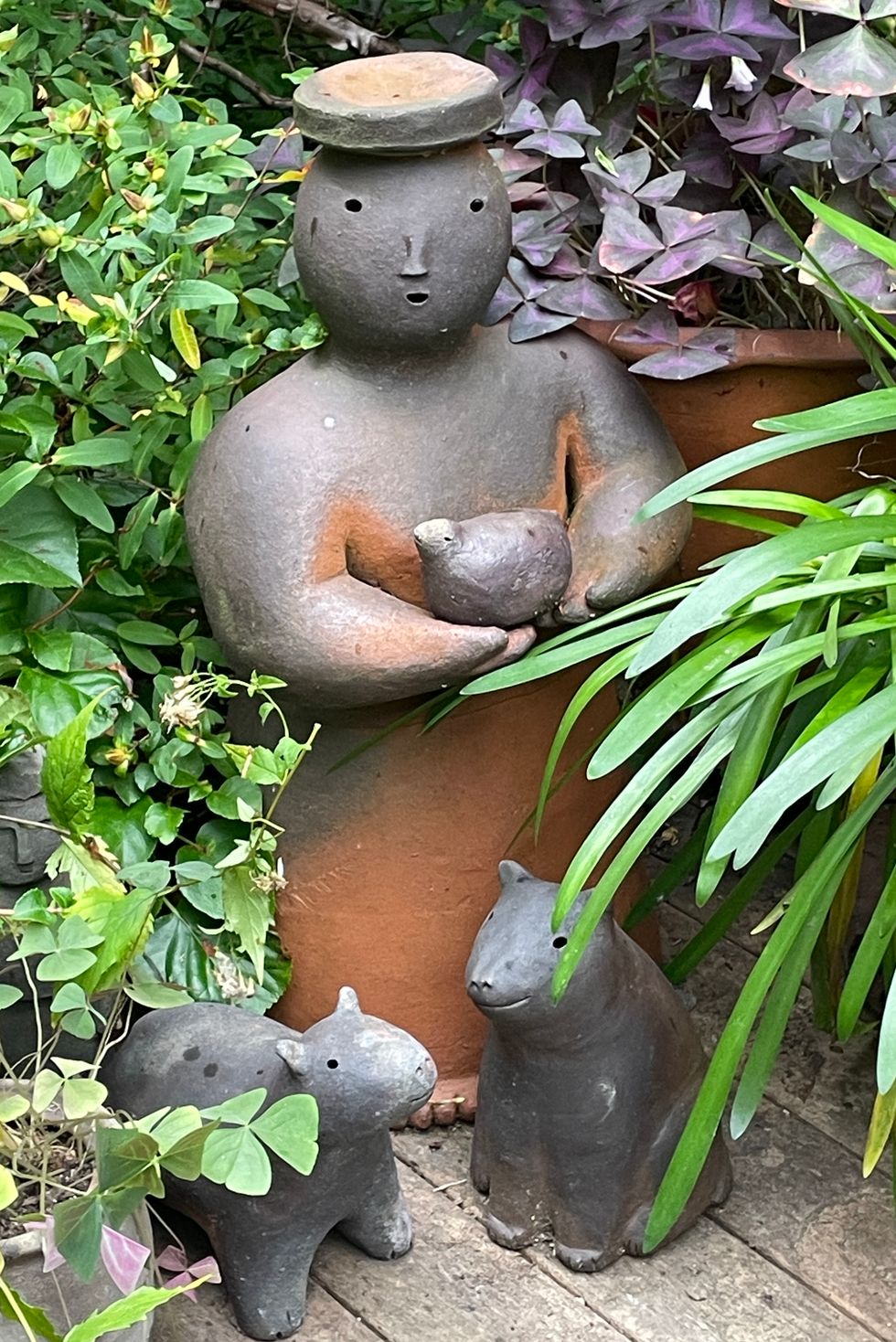 Joy Brown’s delightful ceramic sculptures.Provided
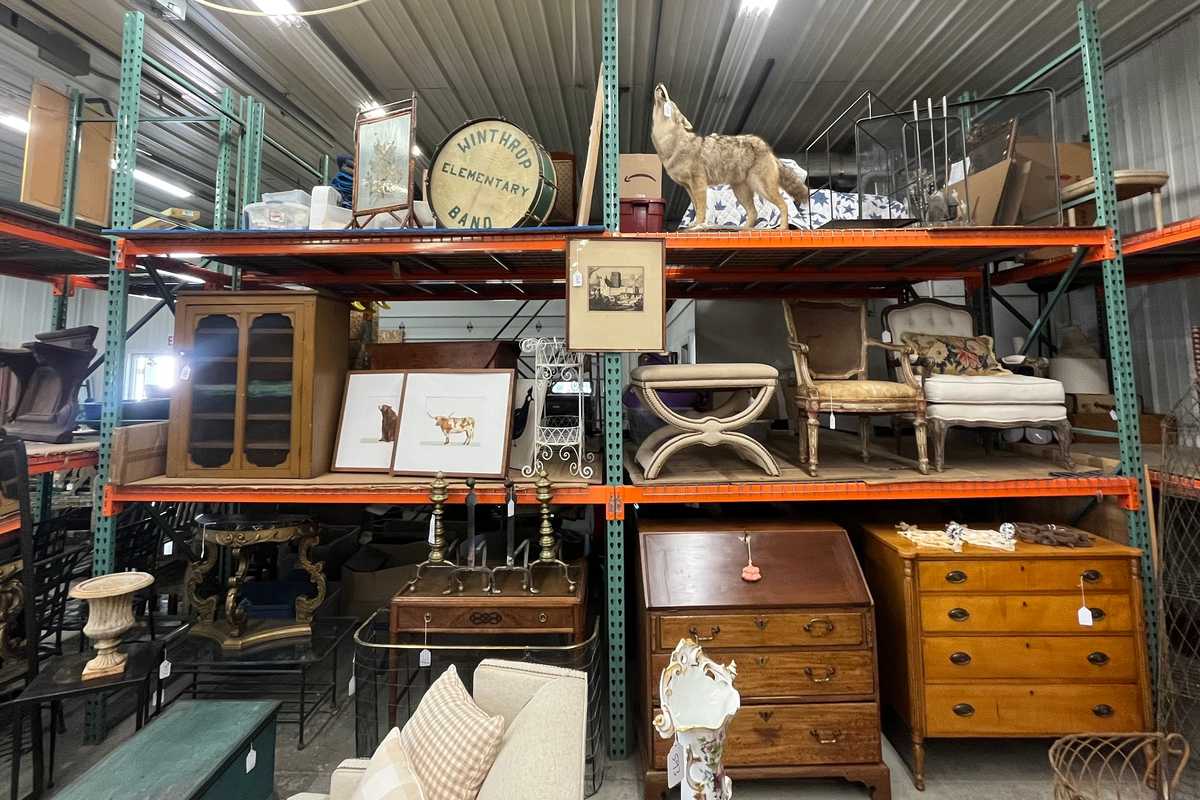
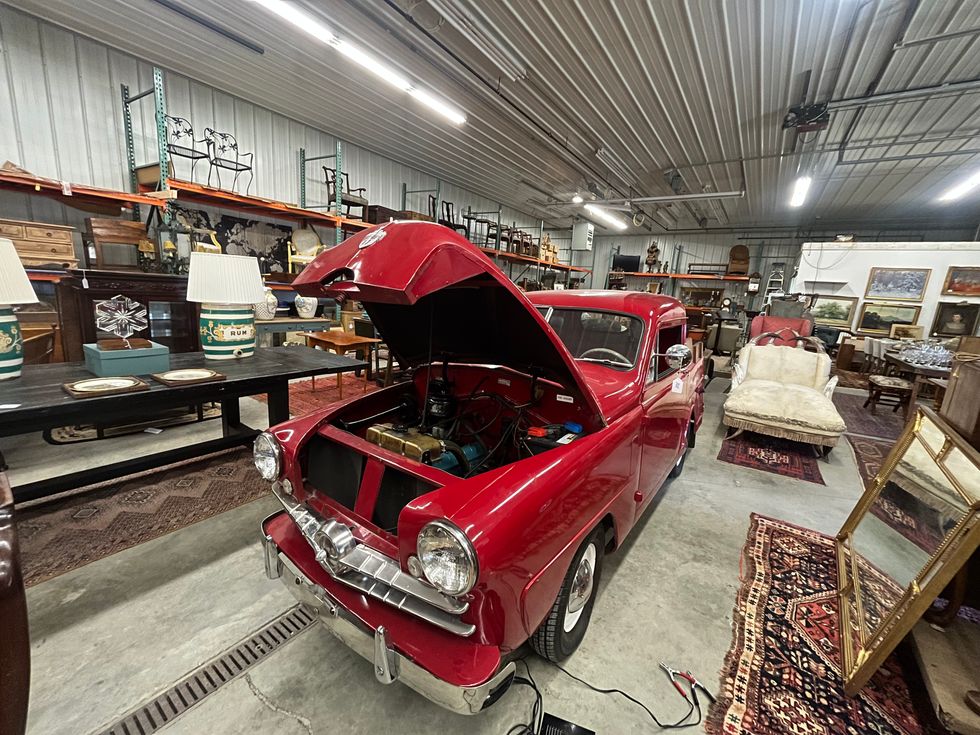 Hundreds of items at Stateline Auctions, including a candy-apple-red Crosley pickup truck.D.H. Callahan