HARLEM VALLEY — Social services in the Harlem Valley have just gotten a boost from an inspiring and reliable source — the United Way of Dutchess County — and the much-needed funds are going to help make some good plans come to fruition in a way that will benefit many.
In fact, the United Way gave a total of $162,000 to eight nonprofits, including the North East Community Center (NECC) in Millerton and Astor Services for Children and Families in partnership with Somos La Llave del Futuro in Dover Plains, Amenia, Millbrook, Pine Plains and Millerton.
“Right now, with the economic situation the way it is, many of the members of our community are really struggling, and the grants we have just awarded are grants that are getting to address emergency or emerging needs in our communities,� said Anne Beaulieu, president and CEO of the United Way of Dutchess County. “These grants really address those increased needs.�
The United Way’s mission is to build a stronger, healthier community by raising resources and developing partnerships that make a measurable difference in people’s lives, according to Beaulieu, which is what it’s been doing for years. These recently announced grants will make it easier for the recipients to work toward those same goals.
The North East
Community Center
NECC received a $24,000 grant to provide stipends for low-income teens to work in the community. According to the center’s Executive Director Jenny Hansell, those funds will also help to pay for child care while students take GED classes at Millerton Elementary School, which caters to residents who can’t make the trip to Dutchess Community College (DCC) in Poughkeepsie to earn their high school diplomas.
“There’s such a need for it here,� she said, adding that providing any assistance to make it possible for students to enroll in the GED classes is worthwhile. “So many people lack that basic high school credential and can’t get to Dutchess.�
There are two GED classes running, one in English and one in Spanish; once someone graduates they are automatically accepted to DCC. Currently 40 students are enrolled and local teachers are running the classes. Child care is provided for roughly a half dozen children at this time; it’s run by one adult two nights a week. NECC has also used some of the wrap around funds to help support the GED classes by purchasing more tables for the higher-than-anticipated number of students, making extra copies of pages from books and copies of assignments, etc.
Additionally, wrap-around funds provided by the grant will help NECC pay the salaries of case workers as well as support those in need. The center will be able to help pay for rent, car repairs, bills and other expenses that are too much for some struggling area residents. It is funding that Hansell said is greatly needed in the northeastern part of the county.
“Wrap-around funds are used in cases where an individual or family doesn’t qualify for assistance provided by other programs,� Beaulieu stated. “This is where an individual’s very specific needs can be met.�
“What’s great about the United Way is they’re so responsive to the needs of the community and they’re aware we’re really dedicated to this part of the county,� Hansell said. “So many organizations apply for funding in Poughkeepsie or Fishkill, but they realize there’s this huge un-met need in the rural part of the county. They use us to bring their social services here and get them to people who need them.�
NECC was also given a second, $8,000 grant to allow the community center to transport people to medical appointments and meetings with social service agencies. That money will help replace a 12-year-old van that once provided the same services year-round, bringing students and residents to various programs, seniors out to vote or to doctor’s appointments and for general use for various outreach programs. Hansell said she’s just happy the center will be able to get a “safe van� as the old one is at the end of its life.
Astor and Somos La Llave del Futuro
Meanwhile, Sonia Barnes-Moorhead, executive vice president for the Astor Home for Children Foundation, said she, too, is grateful for the United Way’s generosity, even though the group has not yet received the $41,000 grant award.
“It’s a memorandum of understanding and we’re providing services for the United Way through this grant. We haven’t signed off on it officially yet,� she explained. “It really is an arrangement for Astor to train organizations in the east side of the county for children’s development with Somos La Llave del Futuro. Our staff will train their volunteers to do screening work in the community and to do follow up with families.�
And that’s important because it provides a developmental check for children as staff work with parents, grandparents, child-care providers, etc., giving them the tools they need to help with the growth of the children they care for. The screeners are looking at, and for, the milestones in physical and social development.
“I think screening is such an important thing to do and at Astor we’ve been doing it for years because it’s important to measure where children are and, of course, the earlier you screen you see if there are any areas that need intervention, and the better it is in the long run,� Barnes-Moorhead said, adding that one can screen for communication skills, gross motor skills, problem-solving, personal and social skills. “It really lets the families know where their children are and where they excel and where they can step in and help.�
So, Astor will train Somos, which will go out into the community; Somos plans to interact with an estimated 400 Spanish-speaking, low-income parents or guardians in the Harlem Valley. Development checkups for children begin at 2 to 4 months old and continue until a child is 5 years old. Follow-up is considered equally important as the initial screenings and can direct families to further services if deemed necessary.
“It’s extremely important in the community and we’re glad that the United Way has partnered with us to do this,� Barnes-Moorhead said. “It’s a great partnership and we’re looking forward to when it begins.�
The appreciation goes both ways.
“As much as it sounds like we’re helping the nonprofits, in the end we are really helping your neighbor, your colleagues and your family friends — that’s where it ends up in the very end,� Beaulieu said. “The nonprofits we give money to are extraordinary agencies. They are doing the best they can to help their clients and we can’t thank them enough for doing the work they do.�
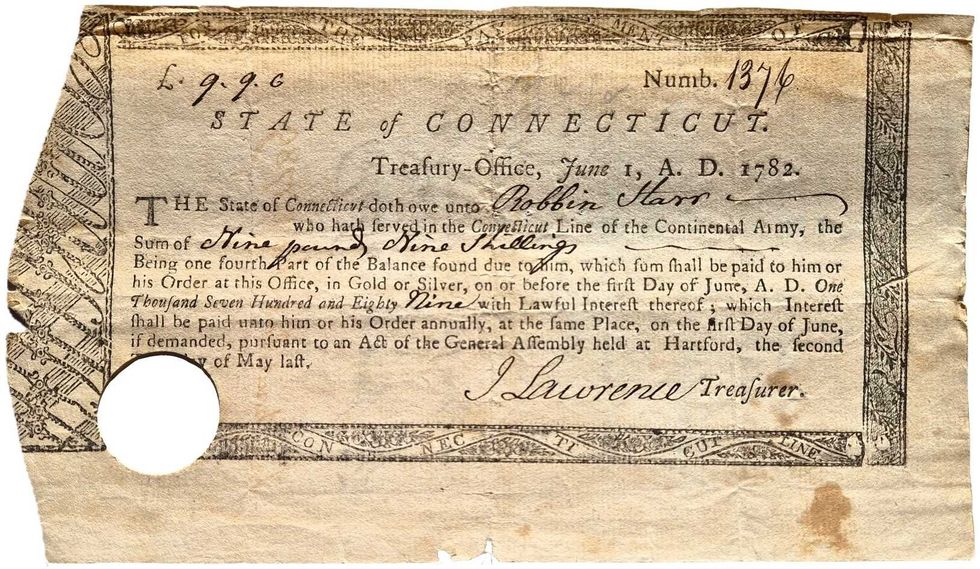 Pay Bill for Robin Starr’s service in the Continental Army.Courtesy the Alex Breanne Corporation
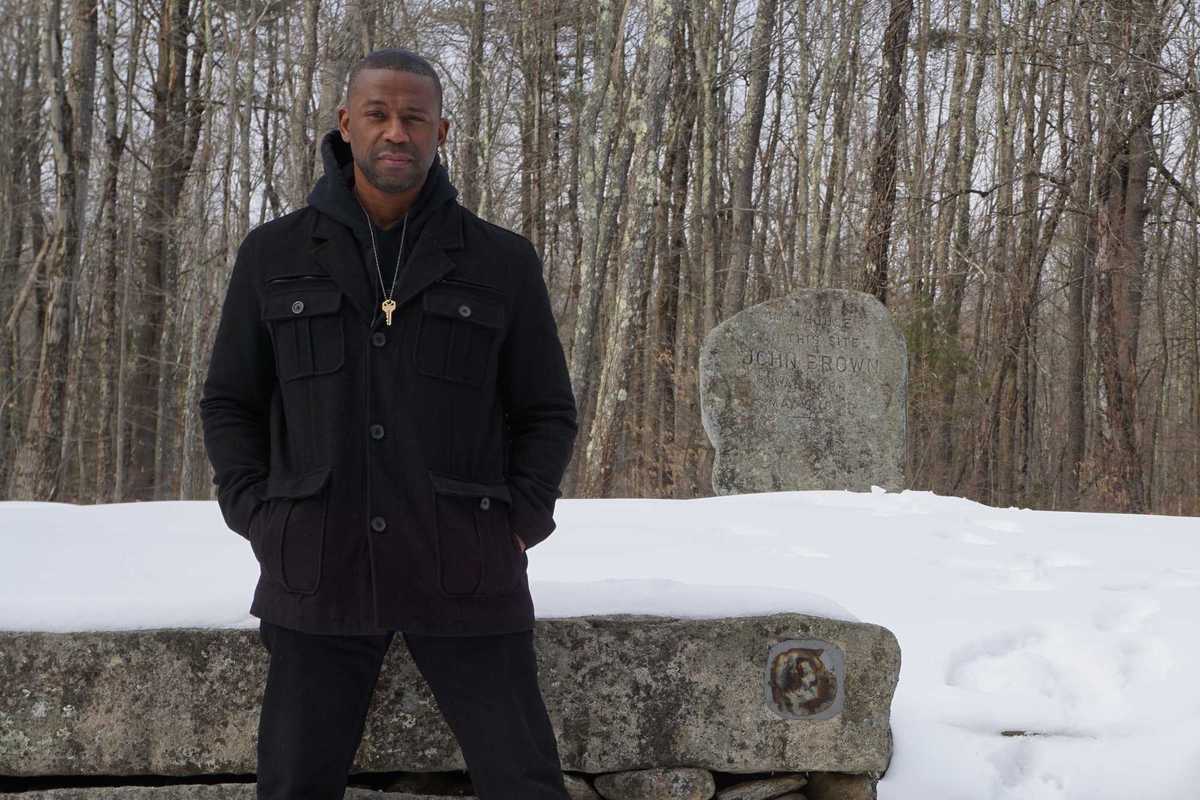
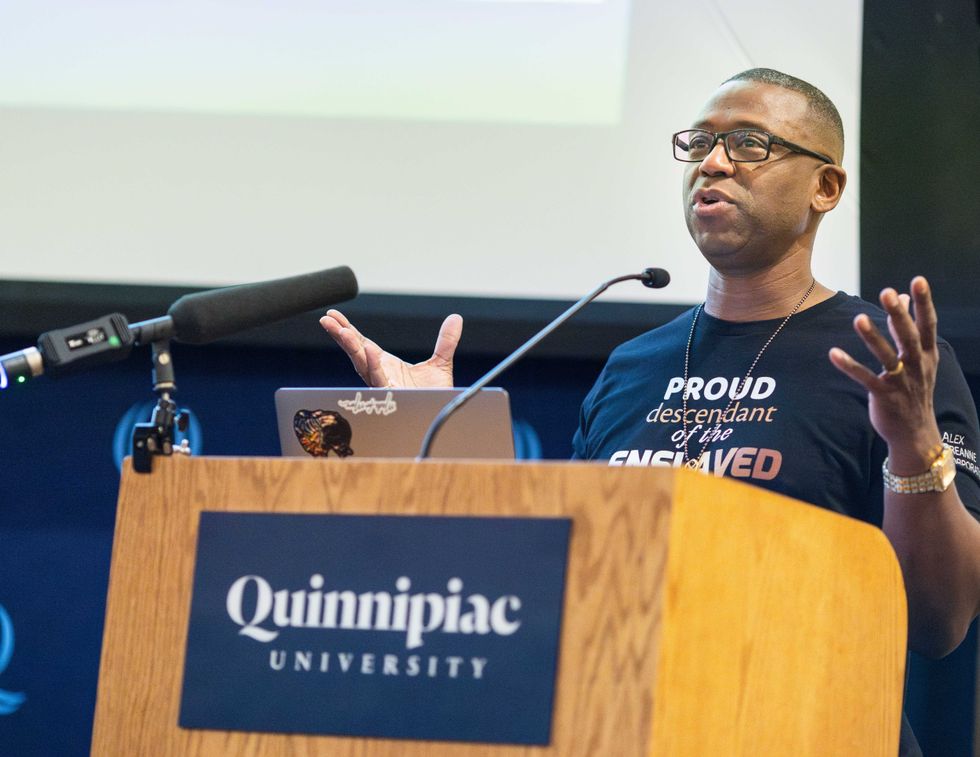 John Mills speaking at Quinnipiac University.Courtesy the Alex Breanne Corporation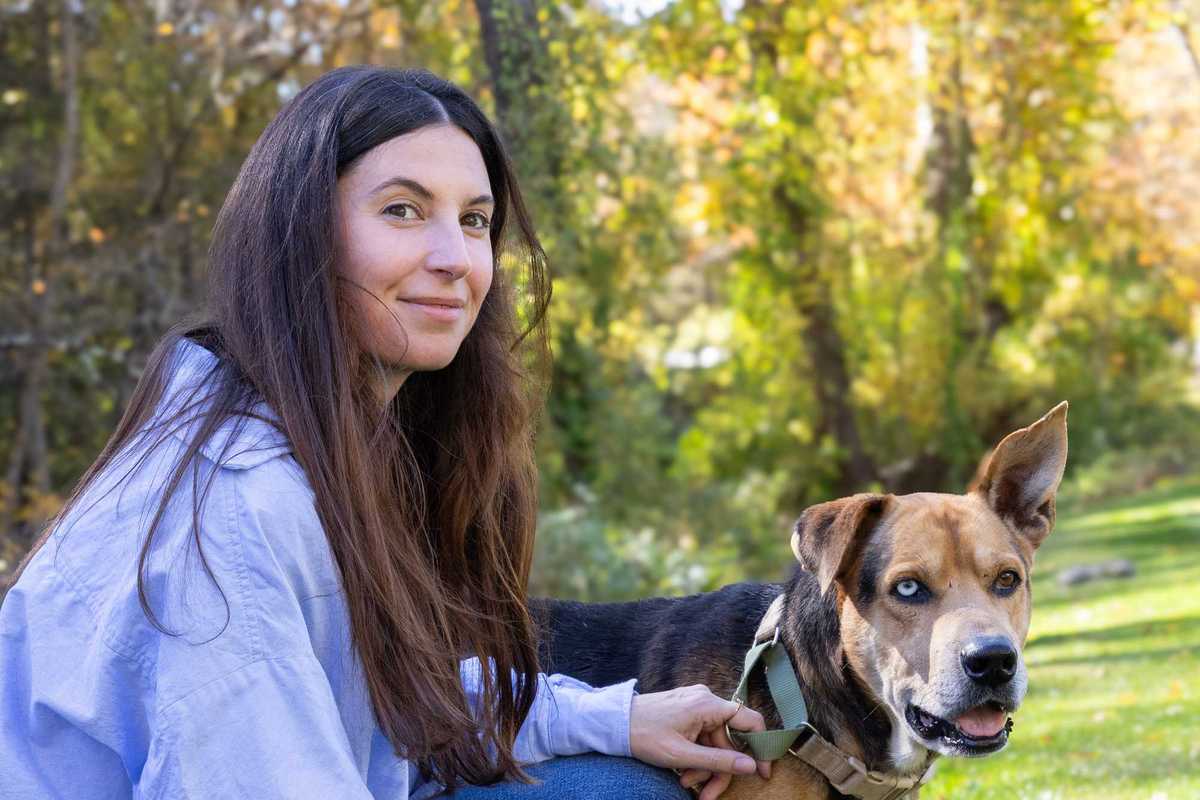
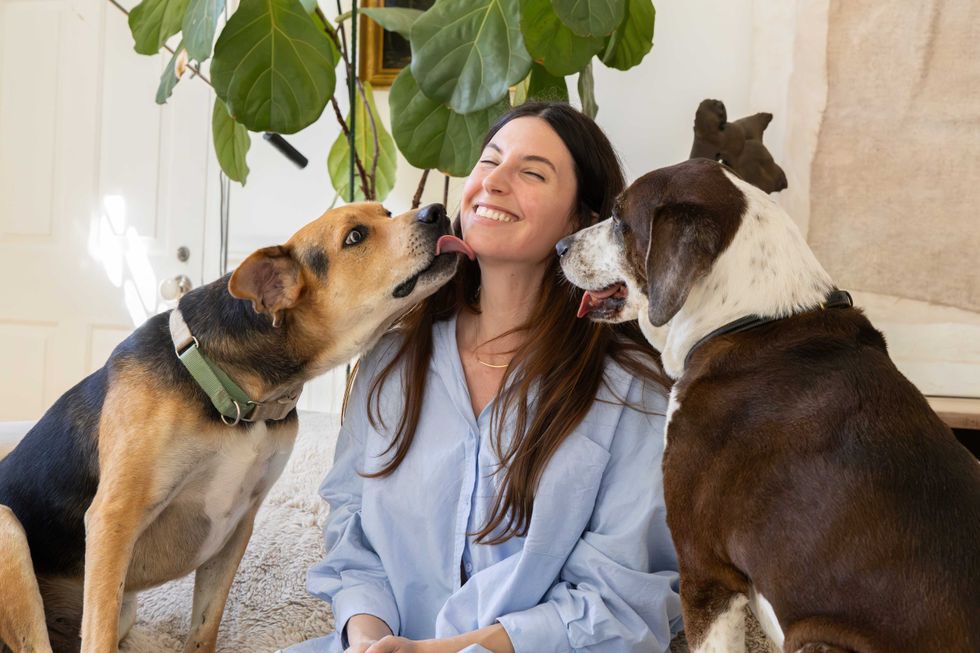 Stephanie Saetta,with her rescue dog George and Blue (left), a shepherd mix awaiting his forever home.Madi Long
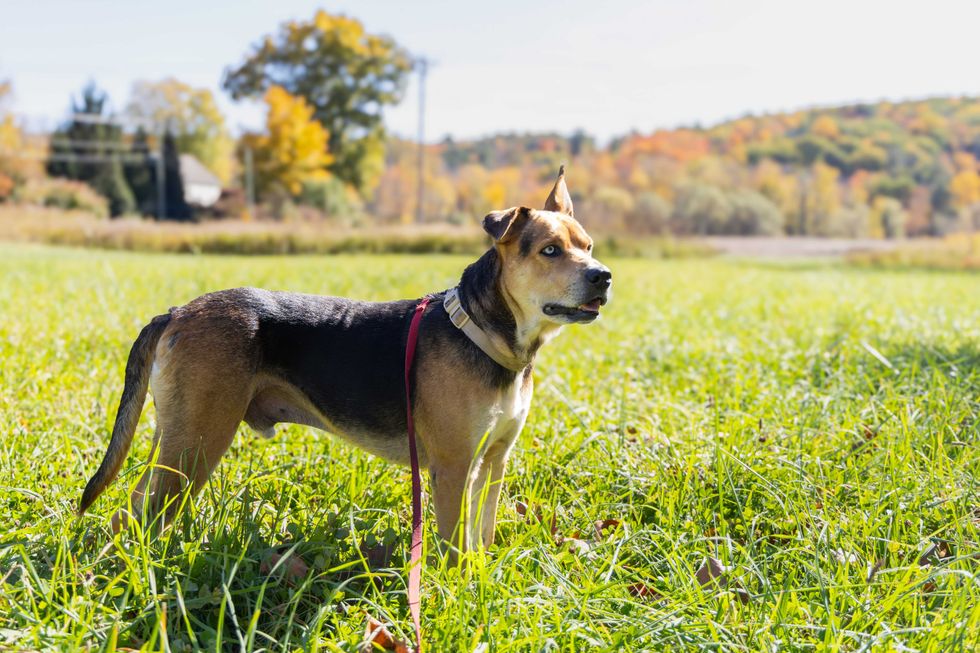 Blue, a 7 year-old Shepard mix, is waiting for his forever home. Madi Long