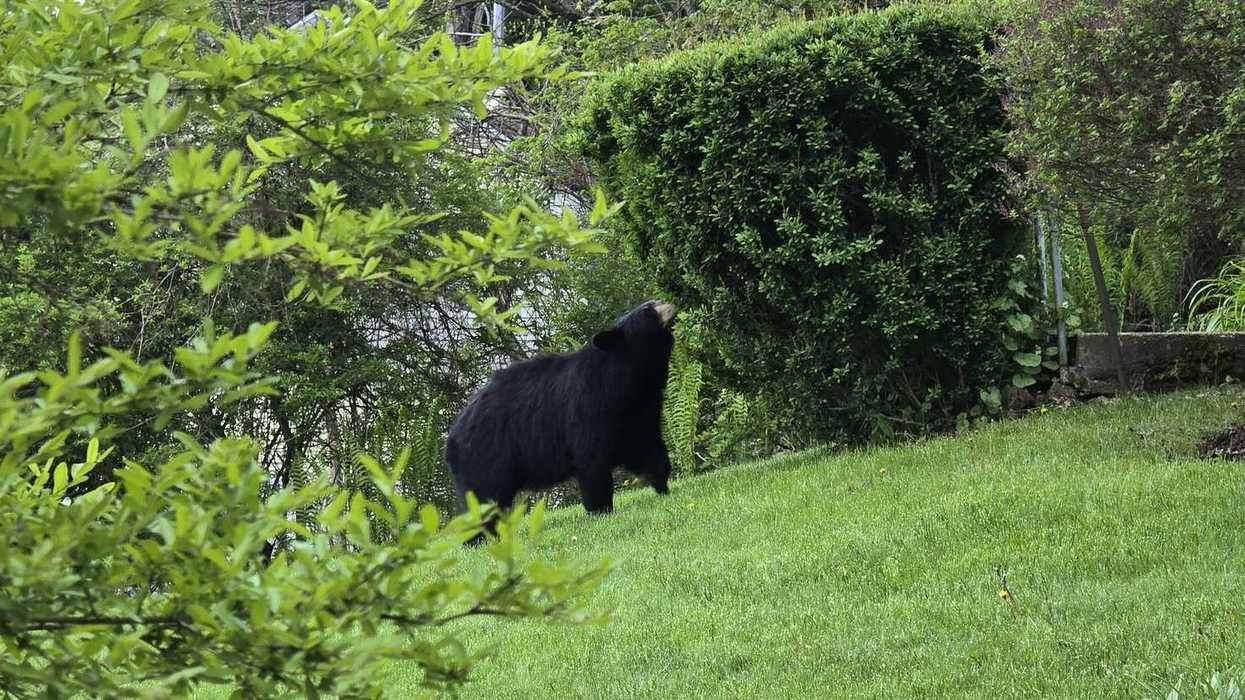
Residents across Northwest Connecticut say an apparent increase in aggressive black bear activity is becoming a growing concern, with social media flooded this spring with photos, sightings and reports of close encounters – some deadly for pets and livestock.
The Connecticut Department of Energy and Environmental Protection (DEEP) said bear activity is high this time of year in the region and urged residents to follow standard precautions, including securing garbage, removing bird feeders and using electric fencing around livestock.
But for Dan and Meg Lago, who live on a six-acre farm on the Kent-Warren line, the warnings feel inadequate after what they believe was a devastating bear attack that killed two of their Nigerian Dwarf goats earlier this spring.
“We came down and saw one of them dead in the pen,” Dan Lago said. “Then you could see where it dragged the other carcass over the fence and into the woods.”
The couple said they had raised the goats for four years without incident and were shocked by both the attack and what they described as a dismissive initial response from DEEP after reporting it.
“The first person basically blamed us and told us there was nothing we could do about it,” Meg Lago said. She noted that they also have horses and two fences, but the bear still attacked.
The attacks are part of what many residents across Northwest Connecticut describe as a noticeable increase this spring in bold bear encounters near homes, farms and schools. Community social media pages are being filled with reports of bears killing livestock, overturning garbage containers and roaming residential neighborhoods during daylight hours, prompting growing concern among residents who say the animals appear increasingly comfortable around people.
The Lagos said DEEP recommended installing extensive electric fencing around their property. Since the attack, they have added additional electric barriers and security measures after the bear allegedly returned days later, tearing the door off their barn and dragging food containers into the nearby woods.
They believe the frequency of bear sightings is noticeably different from previous years. Meg Lago said it’s gotten so bad that the bears know exactly which day is trash day and turn up with regularity.
The Lagos’ goats were approximately 60 pounds each, roughly the size of a small child, they pointed out. With such attacks, they wonder how children can be kept safe.
Concerns about bear activity have also extended beyond farms and residential properties and into school settings.
In a letter from Indian Mountain School, administrators alerted parents of a close encounter with a bear on Thursday, May 14.
“Around 9:30 a.m., a bear was spotted walking along the perimeter of the playground while students were outside,” wrote Amy Tedder, Head of Lower School.
The school holds annual bear lockdown drills, which helped students and teachers respond swiftly last Thursday. Tedder said there have been several bear sightings this year and reiterated the safety protocols that are in place for bears.
She said the “successful transition indoors was a direct result of that preparation and the students who were on the playground were even able to debrief and critique their response with their teacher.”
DEEP spokesperson Bill Flood said Northwest Connecticut is generally “the busiest area for bear sightings” in the state, though he said it doesn’t necessarily correlate with bear population.
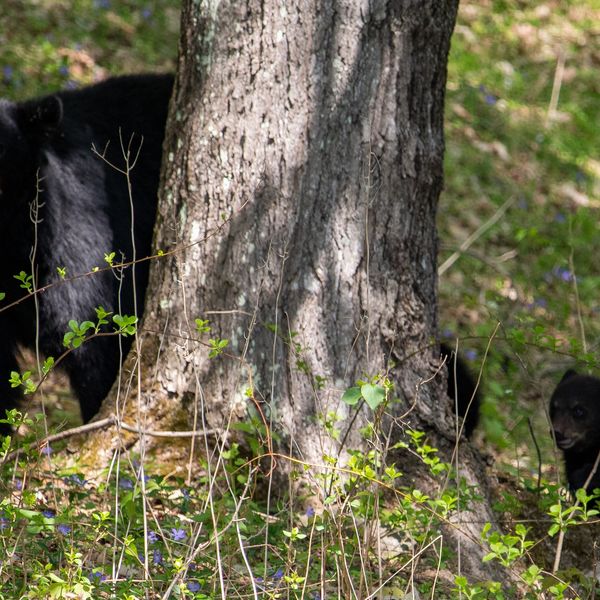
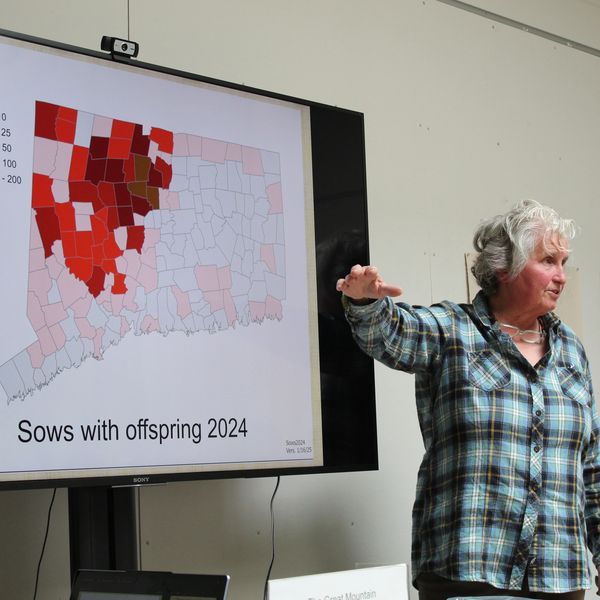
In a 2026 report titled The State of the Bear: A Briefing on Bears in Connecticut, research collected by DEEP’s Wildlife Division found the breeding population of bears in the state is continuing to expand into more cities and towns. Over the last three years, female bears with offspring have been reported in 138 different municipalities, many of which are located in the western part of the state.
Thousands of human-bear conflicts are reported each year and follow a long-term increasing trend. While greater numbers of conflicts take place in the western half of Connecticut, residents report issues with bears across the state. Incidents of bears entering or breaking into homes occurred in 18 different municipalities statewide in 2025.



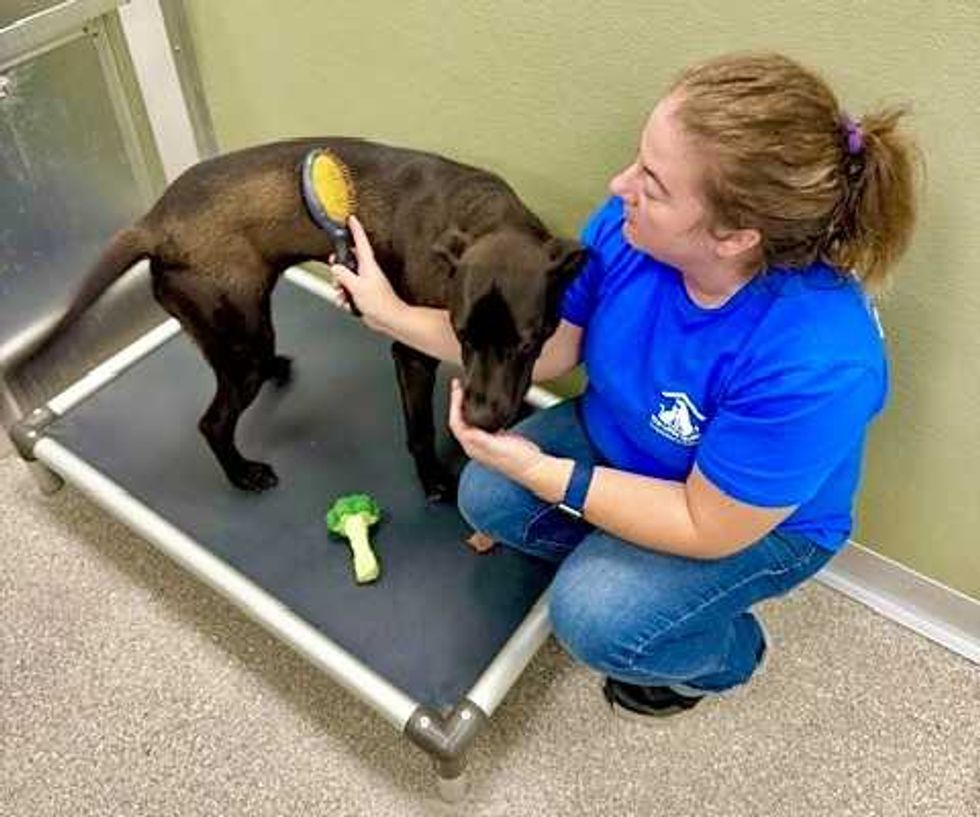 Tiffany Lemelin, shelter manager, brushing Marsala upon arrival.Provided
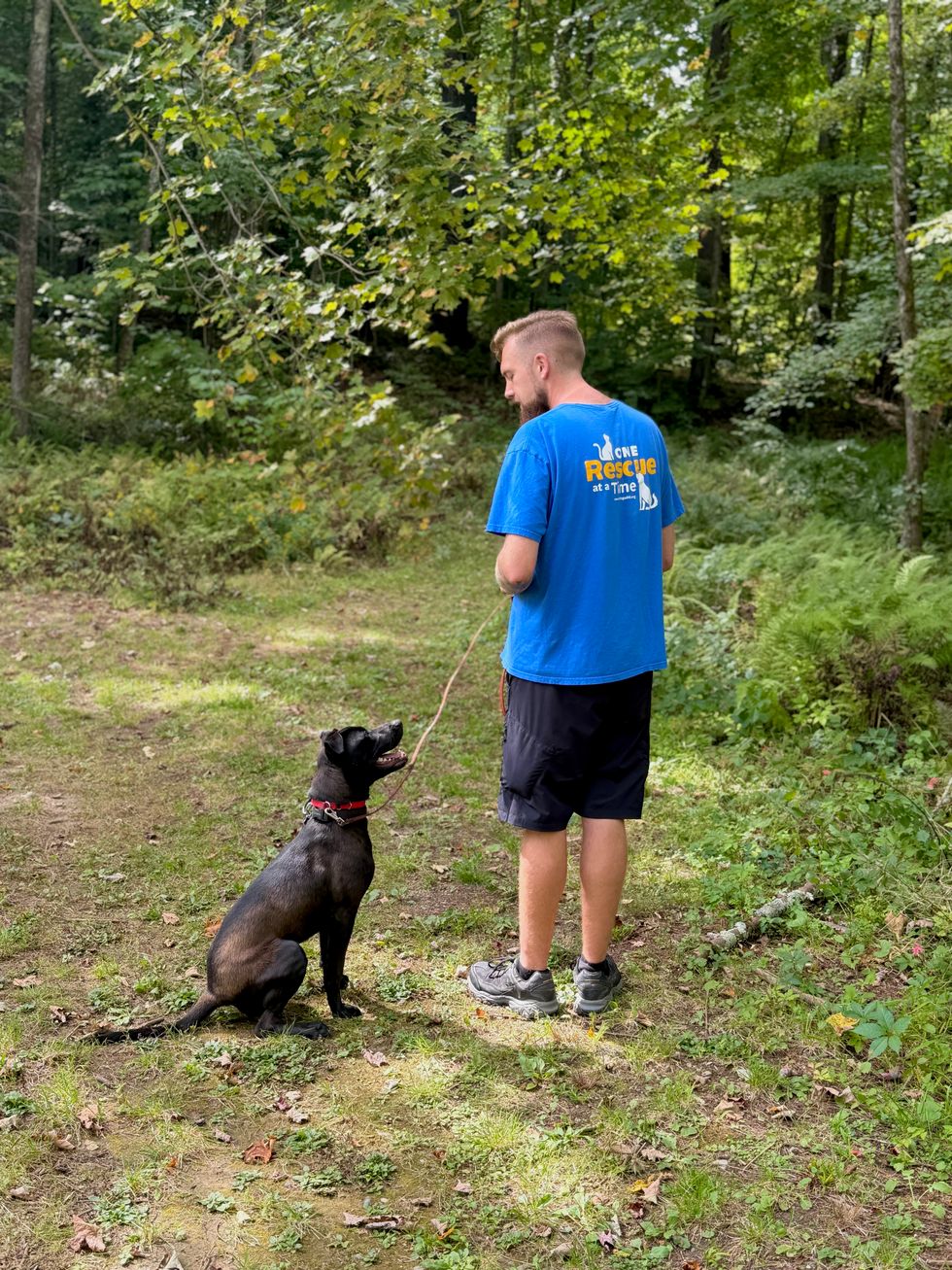 Michael DeBarba, certified dog trainer working with Marsala.Jennifer Almquist
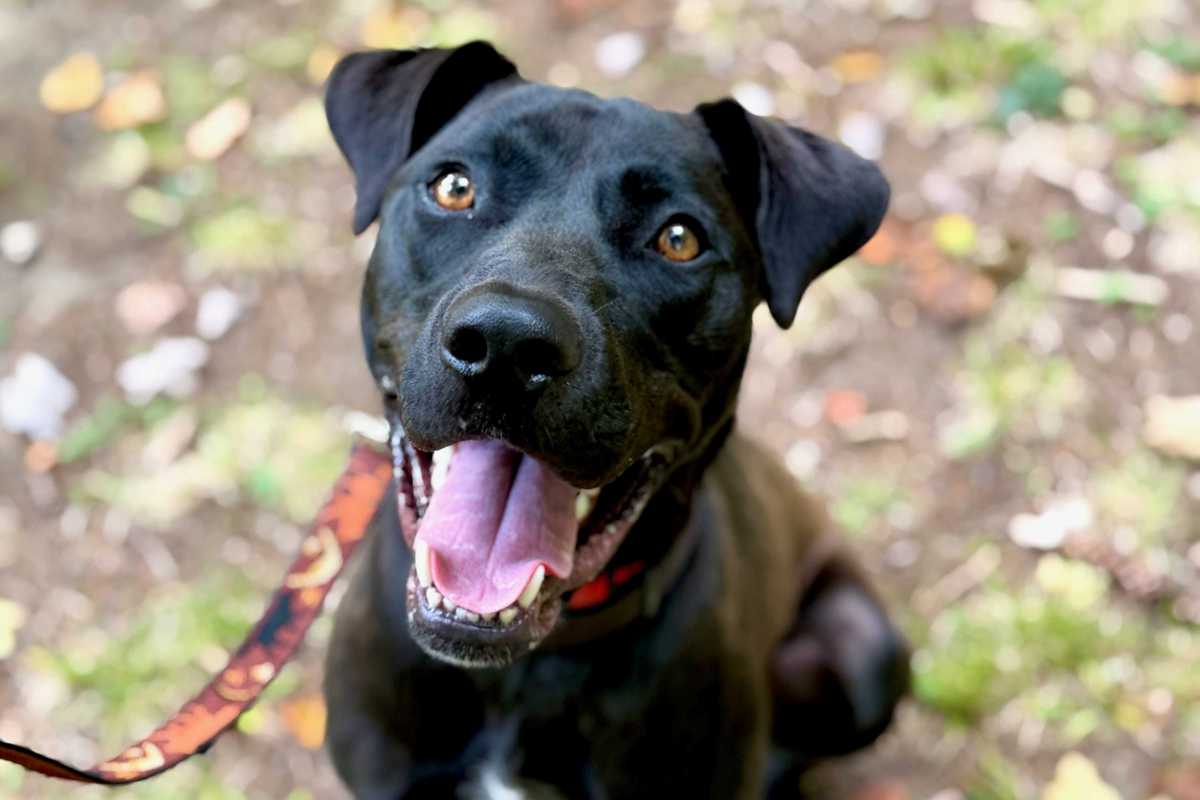
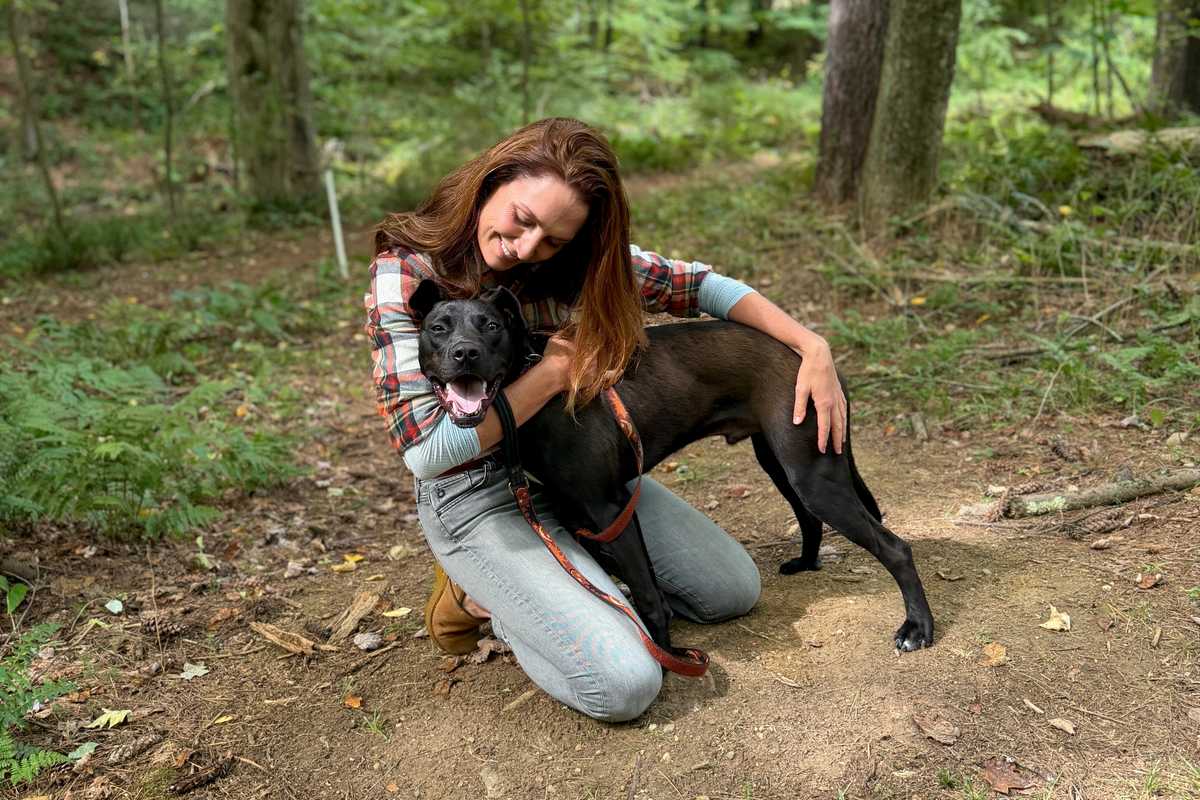 Marsala wins a heart.Jennifer Almquist
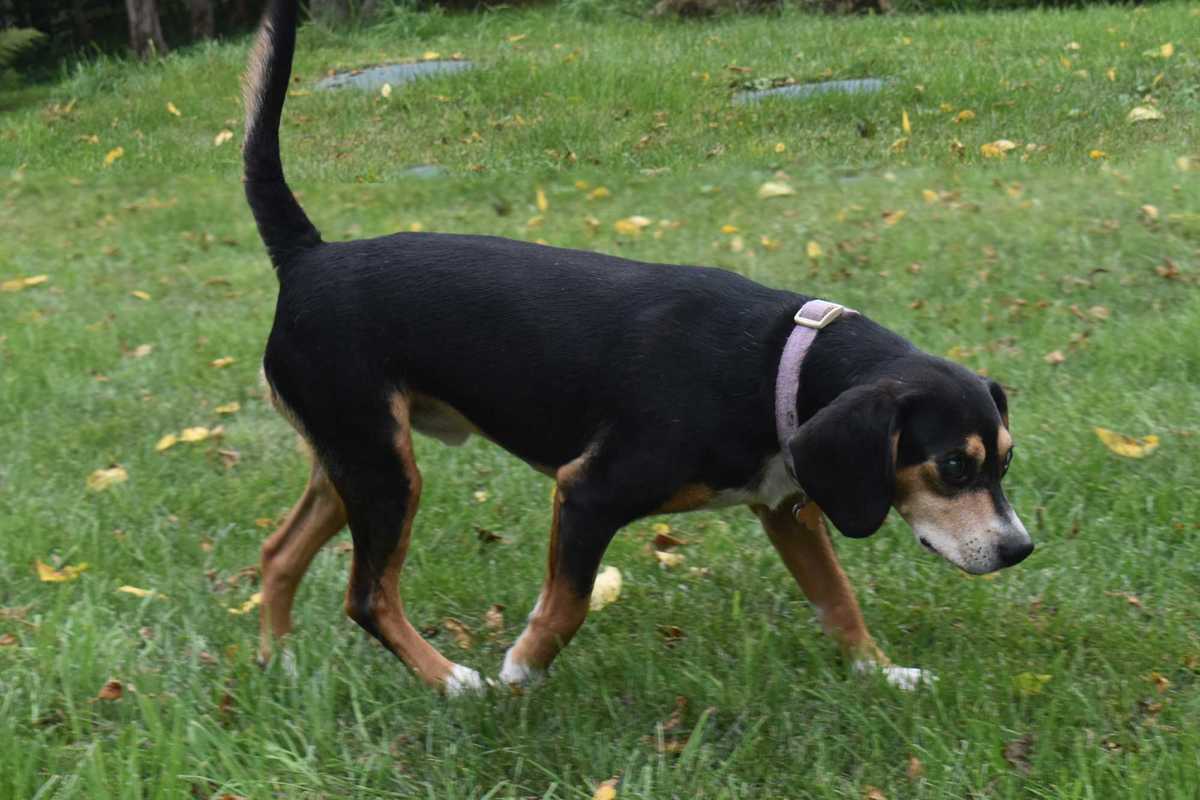
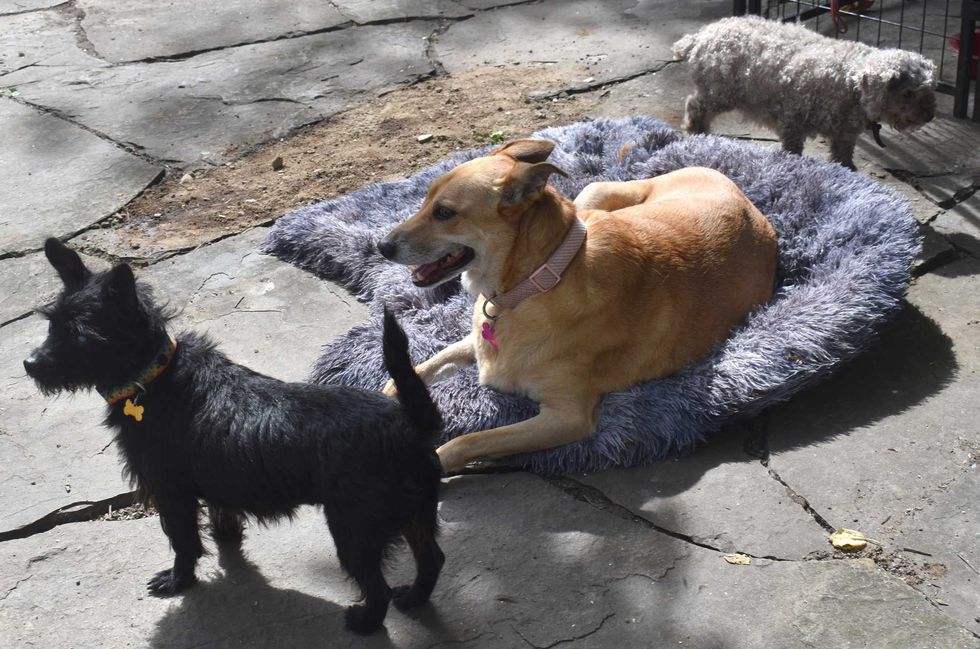 Sadie, center, a Carolina dog, plays with her friend Negra, a terrier mix. Bella Linda, the small poodle, has since been adopted.L. Tomaino
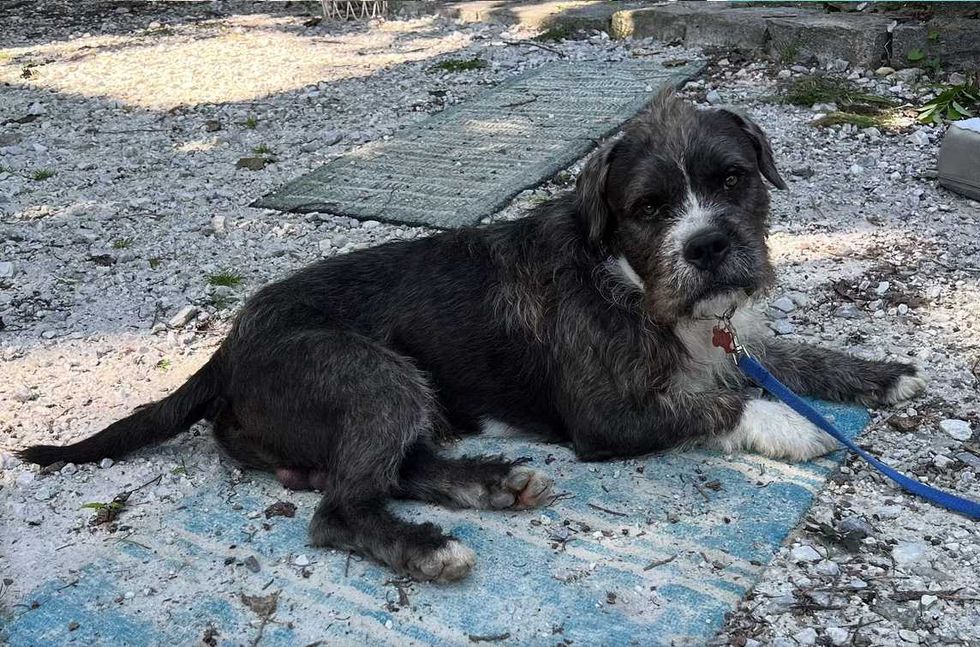 Wesley, a young, exuberant mix, is looking for an active home.L. Tomaino
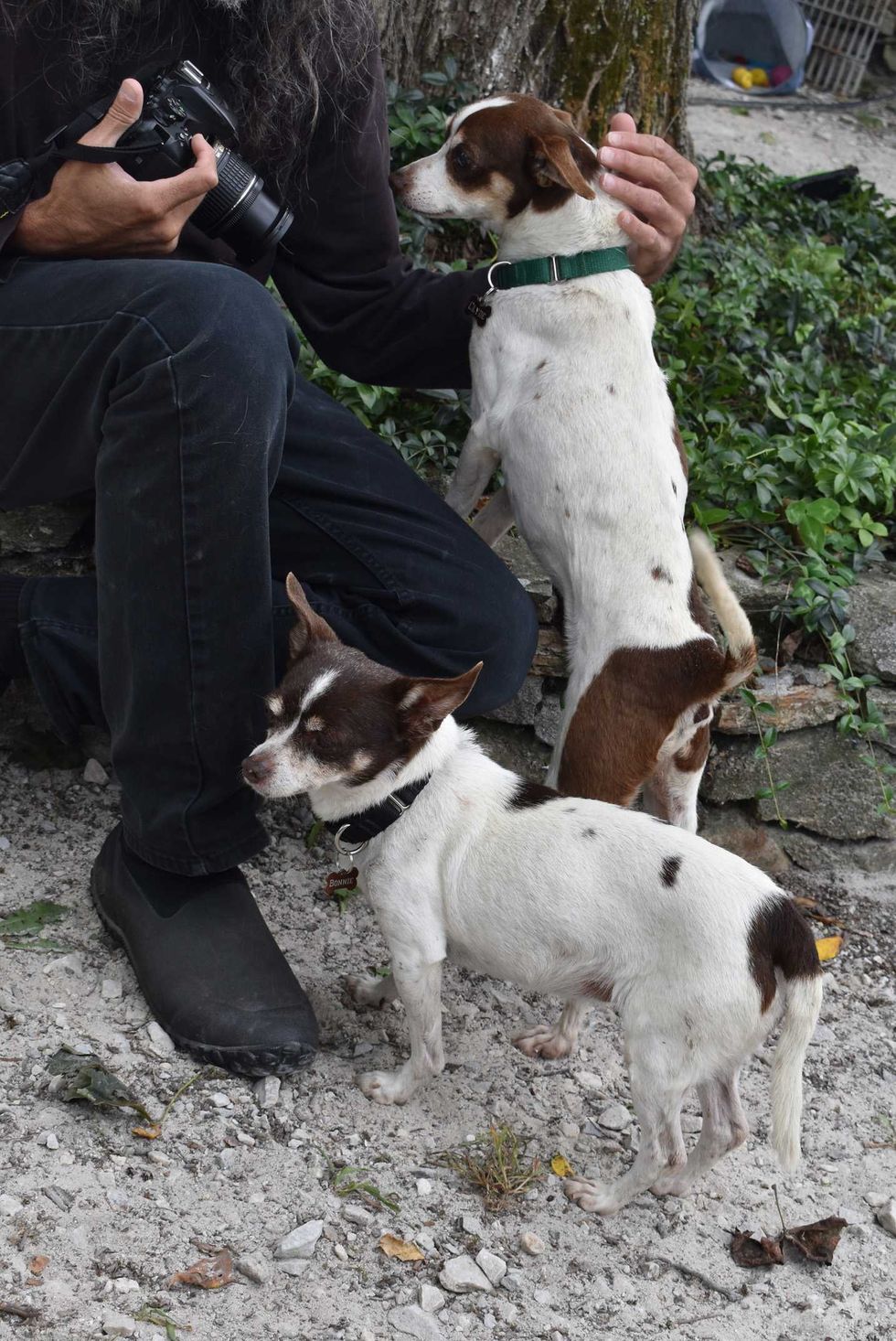 Bonnie and Clyde, an affectionate terrier pair.L. Tomaino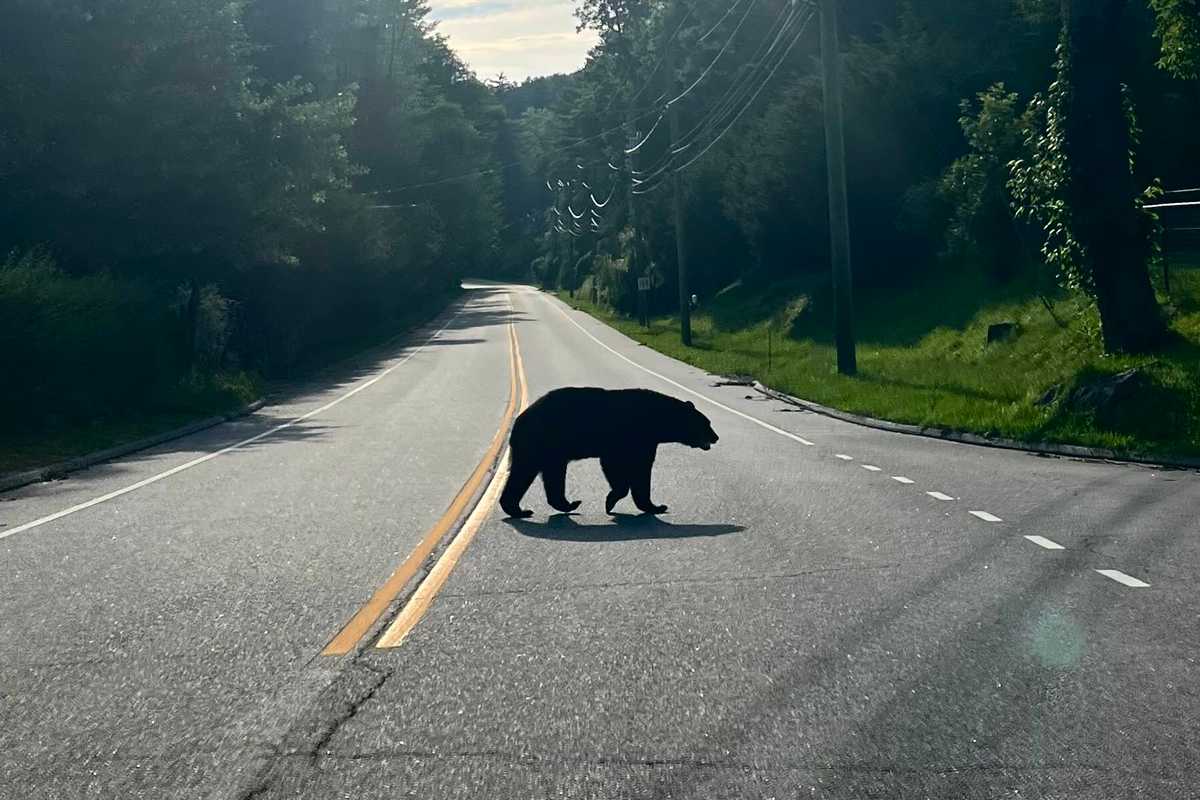

 Provided