

From the viewpoint of a hunter

In a recent Lakeville Journal front page article, Cynthia Hochswender displayed clearly, I believe, her opposition to hunting with too little fact checking. Let me begin to fill in the blanks.

The information provided is from the State of Connecticut Department of Energy and Environmental Protection (DEEP, www.ct.wildlifelicense.com/internetsales) and the National Shooting Sports Foundation (www.nssf.org).

Regarding Ms. Hochswender’s statement about female hunters, doubting there are noticeable numbers of women who hunt, 8 percent of hunters are female.

Here’s a point I wish to emphasize: Hunters and poachers should not be mentioned in the same breath. Poachers are criminals, not hunters. Criminals do not obey the law. If anyone knows of poaching activity, or hears gunfire on a Sunday, please call DEEP and report the activity at  800-842-4357.

Because of the terrain in this area, as well as DEEP regulations, rifles are not used for deer hunting on state land, the main source of hunting lands. The “artillery” referred to is generally a 12-gauge shotgun, although other smaller gauges, 16 or 20, are also used. The projectile is a large lead bullet, called a slug. Effective range for most people is about 50 yards. Rifles are permitted on private land, with landowner permission, in writing and in possession of the hunter. The various rod and gun clubs in our area are on private land, and allow hunting by members and guests. Each club has its own rules that must be followed.

You may accidentally wander on to this type of land. A suggestion: While hiking, look for signs marking property lines. That will help eliminate the possibility of your violating the law. Regarding “shooting preserves,” these are very expensive private lands. The boundaries are clearly marked,  with fences and signs. They are fenced to keep the poachers and trespassers out. There is more success with trespassers than with poachers. Since the land is private, the owners decide what firearms are allowable to hunt game.  

Hunter Orange is the correct name for the vests and clothing worn during hunting season. It was selected because there is no evidence of it occurring naturally in the environment. It is required by statute in most states. Use of any other “citrus hued jacket or coat” is not a good idea. Since people are concerned about hiking safely, following the rules of the DEEP would be a better course of action. Also note, that hiking on state lands is not hazardous. Guns make noise; do not hike towards the noise. If you must hike off state land, you  might be on private property. Without the permission of the landowner, you are trespassing. I believe that is a misdemeanor crime.  

If hunters are 10 feet or more above the ground, they are not required to wear Hunter Orange. The reason, quite logical if you think about it, is deer do not climb trees. If I am 10 feet above the forest floor, I have no need to let other hunters know my position. This is explained in the free Conservation Education/Firearm Safety courses offered by DEEP. Even if you have no desire to hunt, the knowledge you gain about hunting in taking one of these free courses is worth your time investment.

Hunters are responsible for the wildlife we all enjoy. Due to the conservation efforts of hunters through license and hunting products, states have money to purchase and conserve land for all of us to enjoy, without increasing the tax burden we all must bear. It is a little known fact that there is an 11 percent federal excise tax on sporting arms, ammunition and archery equipment. Also, there is a 10 percent tax on handguns. States receive funding from this tax, based upon hunting licenses sold.  The law is known as Pittman-Robertson, the two main sponsors when it was enacted.  Both taxes were proposed by sportsmen and women in the early 20th century. Both have been amended by the same groups, to broaden the tax base to aid wildlife and open space land purchase.

In the 1990s, I was part of a small group of hunters and DEP personnel that crafted the “Hunters for the Hungry” law.  It changed Connecticut state law to allow legally harvested wild game to be donated to food pantries and soup kitchens.  The program is maintained by Whitetail Solutions, LLC. Go to the website to learn more, www.hunttofeed.com.

Since its inception, this hunter-originated program annually donates in excess of 2000 pounds of venison and other game to help feed the hungry.

If you hike, photograph wildlife, and so on, I would like to suggest that you help with this effort. Buy a hunting license. Spend the extra money for the various game tags that are required by the State of Connecticut. Go to the post office and buy a Federal Duck Stamp. That money is apportioned back to the states by another formula based upon Duck Stamps sold.  Proceeds are directed toward migratory birds and their unique habitats. I like to hunt; you may not. We can both share the woods and help wildlife. Please, join me.

Click here to see Cynthia Hochswender’s original story.

<em> Paul Bartomioli is a conservationist living in Falls Village. His newest project is to modernize the Pittman-Robertson law to make it apply at the retail level. </em>

Latest News

‘Vulnerable Earth’ opens at the Tremaine Gallery

Tremaine Gallery exhibit ‘Vulnerable Earth’ explores climate change in the High Arctic.

Photo by Greg Lock

“Vulnerable Earth,” on view through June 14 at the Tremaine Gallery at Hotchkiss, brings together artists who have traveled to one of the most remote regions on Earth and returned with work shaped by first-hand experience of a fragile, rapidly shifting planet, inviting viewers to sit with the tension between awe and loss, beauty and vulnerability.

Curated by Greg Lock, director of the Photography, Film and Related Media program at The Hotchkiss School, the exhibition centers on participants in The Arctic Circle, an expeditionary residency that sends artists and scientists into the High Arctic aboard a research vessel twice a year. The result is a show documenting their lived experience and what it means to stand in a place where climate change is not theoretical but visible, immediate and accelerating.

Keep ReadingShow less
Beyond Hammertown: Joan Osofsky designs what comes next

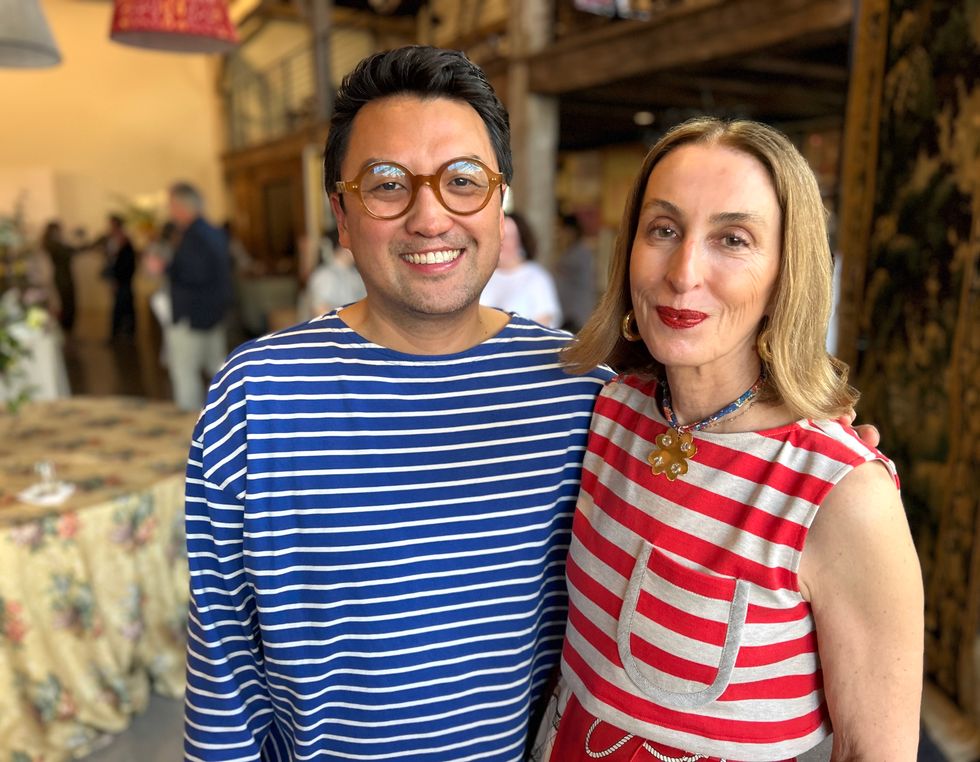
Joan Osofsky and Sharon Marston

Provided

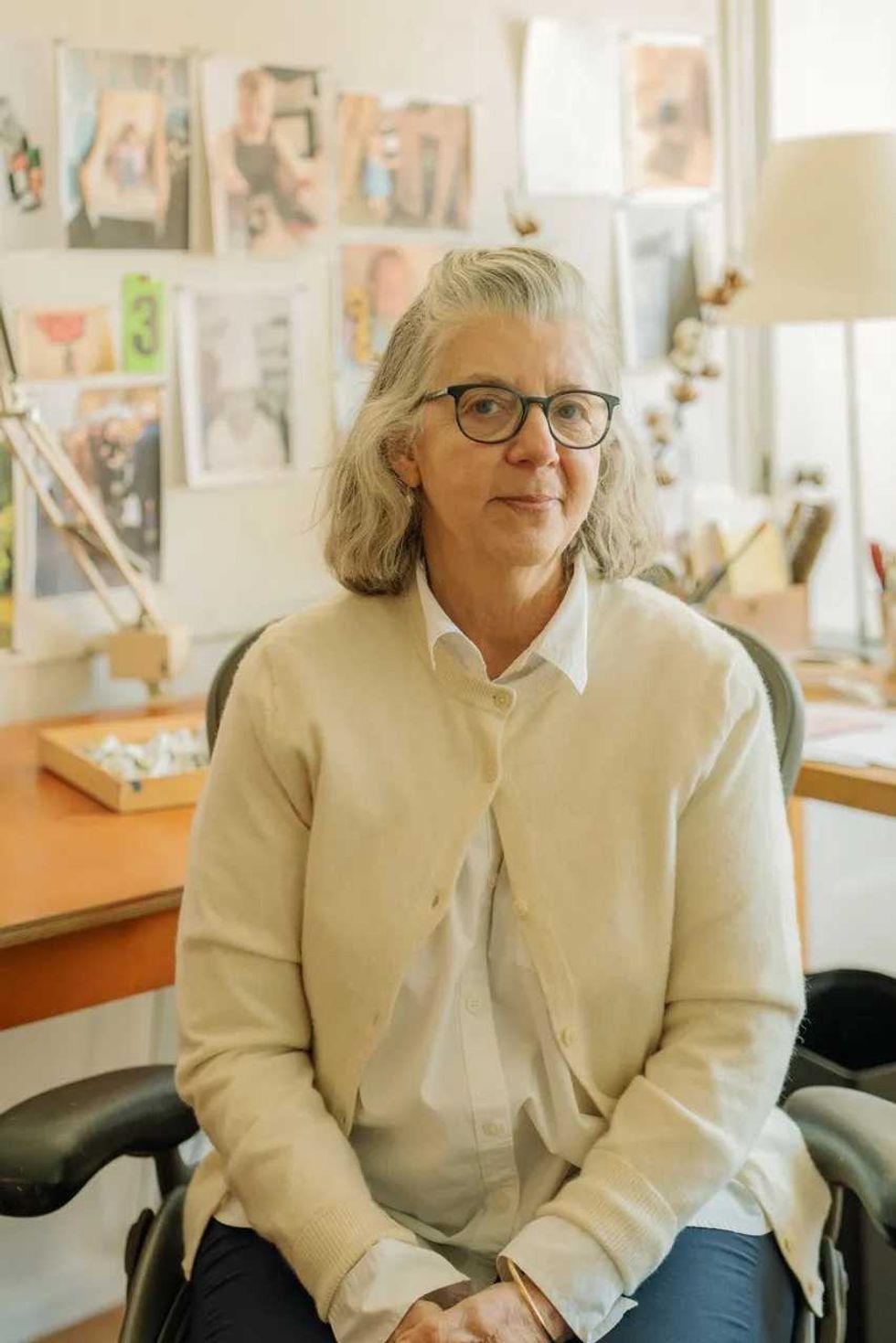
Joan Osofsky is closing the doors on Hammertown, one of the region’s most beloved home furnishings and lifestyle destinations, after 40 years, but she is not calling it an ending.

“I put my baby to bed,” she said, describing the decision with clarity and calm. “It felt like the right time.”

Keep ReadingShow less
A celebratory season of American classics and new works at Barrington Stage Company
Playwright Keelay Gipson’s “Estate Sale” will have its world premier this summer at Barrington Stage Company.
Provided

Amid the many cultural attractions in the region, the Barrington Stage Company in Pittsfield, Massachusetts, stands out for its award-winning productions and comprehensive educational and community-based programming. The theater’s 2026 season is one of its most ambitious; it includes two Pulitzer Prize-winning modern classics, one of the greatest theatrical farces ever written, and new works that speak directly to who we are right now as a society.

“Our 2026 season is a celebration of extraordinary storytelling in all its forms — timeless, uproarious and boldly new,” said Artistic Director Alan Paul. “This season features works that have shaped the American theater, as well as world premieres that reflect the company’s deep commitment to developing new voices and new stories. Together, these productions embody what BSC does best: entertain, challenge and connect our audiences through theater that feels both essential and alive.”

Keep ReadingShow less
google preferred source

Want more of our stories on Google? Click here to make us a Preferred Source.
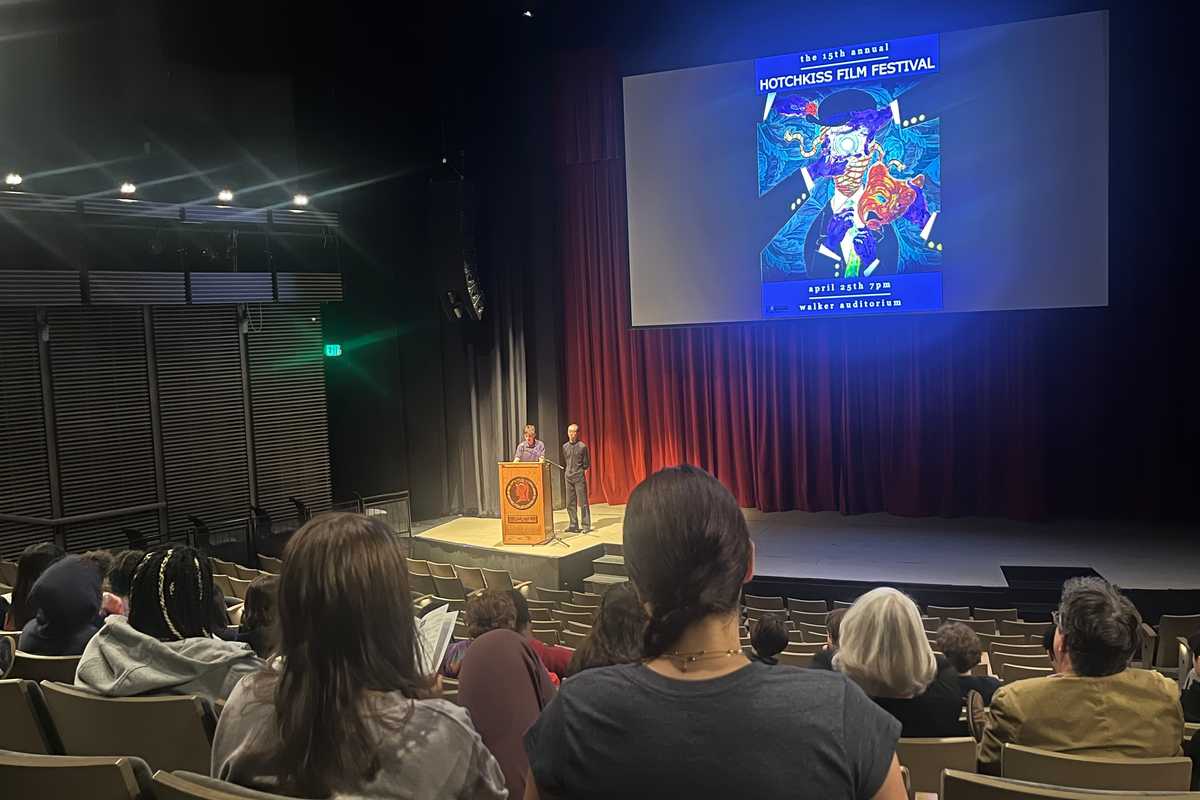
Hotchkiss Film Festival celebrates 15th year of emerging filmmakers

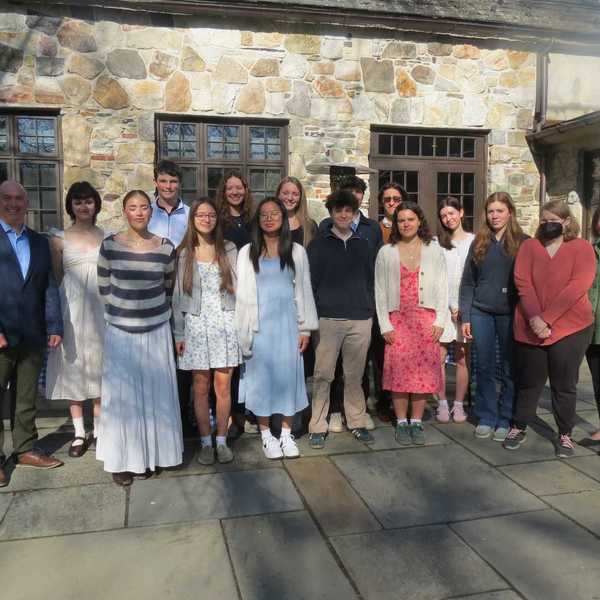
Student festival directors Trey Ramirez (at the mic) and Leon Li introducing the Hotchkiss Film Festival.

Brian Gersten

The 15th annual Hotchkiss Film Festival took place Saturday, April 25, marking a milestone year for a student-driven event that continues to grow in ambition, reach and artistic scope. The festival was founded in 2012 by Hotchkiss alumnus and Emmy-nominated filmmaker Brian Ryu. Ryu served as a festival juror for this year’s installment, which showcased a selection of emerging filmmakers from around the region. The audience was treated to 17 films spanning drama, horror, comedy, documentary and experimental forms — each reflecting a distinct voice and perspective.

This year’s program was curated by student festival directors Trey Ramirez and Leon Li, working alongside faculty adviser Ann Villano. With more than 52 submissions received, the selection process was both rigorous and rewarding. The final lineup included six films from Hotchkiss students.

Keep ReadingShow less
Artist Maira Kalman curates ‘Shaker Outpost’ in Chatham

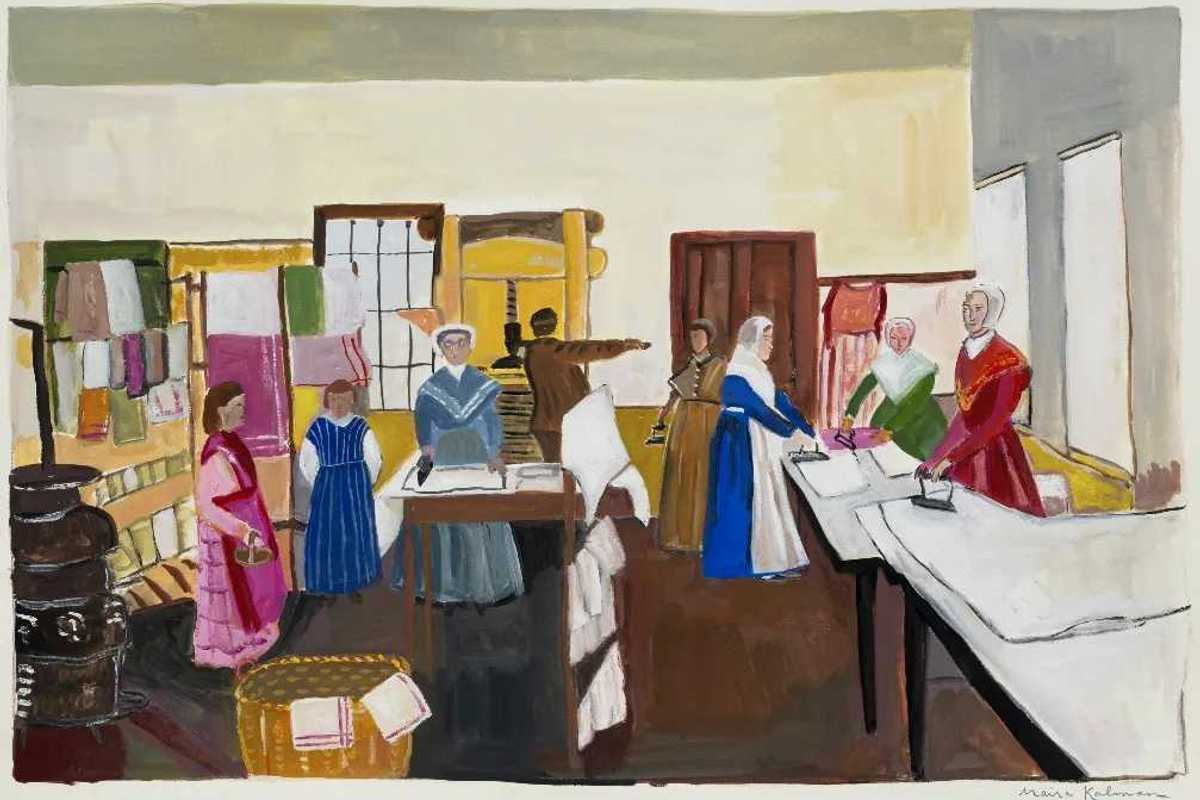
The Laundry Room, a painting by Maira Kalman from the exhibition “Shaker Outpost: Design, Commerce, and Culture” at the Shaker Museum’s pop-up space in Chatham.

Photo by Maira Kalman; Courtesy of the artist and Mary Ryan Gallery, New York

With “Shaker Outpost: Design, Commerce, and Culture,” opening May 2, the Shaker Museum in Chatham invites artist and writer Maira Kalman to pair her own new paintings with objects from the museum’s vast holdings, and, in the process, reintroduce the Shakers not as relic, but as a living argument for clarity, usefulness and grace.

Born in Tel Aviv, Maira Kalman is a New York–based artist and writer known for her illustrated books, wide-ranging collaborations and distinctive work spanning publishing, design and fine art.

Keep ReadingShow less

Ticking Tent spring market returns

Ticking Tent spring market returns

The Ticking Tent Spring Market returns to Spring Hill Vineyards in New Preston on May 2.

Jennifer Almquist

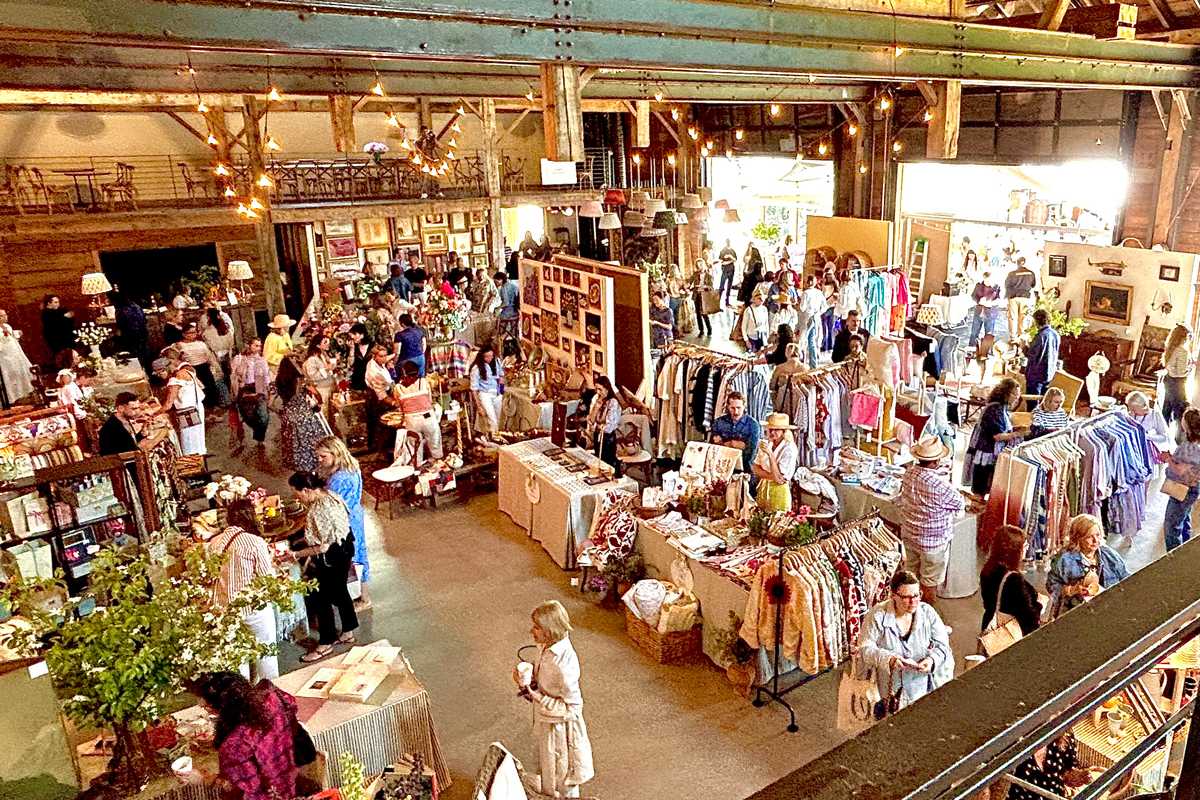
The Ticking Tent Spring Market returns to New Preston Saturday, May 2, bringing more than 60 antiques dealers, artisans and design brands to Spring Hill Vineyards for a one-day, brocante-style shopping event from 9 a.m. to 4 p.m.

Co-founders Christina Juarez and Benjamin Reynaert invite visitors to the outdoor market at 292 Bee Brook Road, where curated vendors will offer home goods, fashion, tabletop and collectible design. Guests can browse while enjoying Spring Hill Vineyards’ wines and seasonal fare.

Keep ReadingShow less
google preferred source

Want more of our stories on Google? Click here to make us a Preferred Source.
google preferred source

Want more of our stories on Google? Click here to make us a Preferred Source.