CORNWALL — Jeff Jacobson of Cornwall is among those who believe vehicles — no matter how old or rare — should do what they were made to do. His pale green 1941 Ford pickup truck is his everyday ride. He restored it, keeps it in perfect condition, yet doesn’t hesitate to use it for chores such as hauling rocks.
On the racetrack, he’s in a 1931 Morgan three-wheeler (two wheels in the front, one in back). Jacobson explains that they were built as road cars by the British company. Morgan is the oldest privately owned carmaker in the world, established in 1910 and run today by the grandson of the founder. However, they were classified as motorcycles, to allow owners to avoid paying road taxes.
Jacobson’s Morgan has two gears, each on its own chain connected to the rear wheel. The shift and rear brake levers are on the outside of the car, below the right-hand-drive steering wheel.
It will do nearly 80 mph in first gear.
It has no electric or crank starter. Rather than having to rely on people to push it to turn the engine over, Morgan invented a motorized contraption that spins the rear wheel.
On the track, balance is a big factor. The methanol fuel tank is placed so it will offset the weight of the driver. The car weighs less than 800 pounds. It can become nearly weightless at times, especially on the technically challenging track at Lime Rock Park.
The cost? Countless hours of work in Jacobson’s garage and adjoining machine shop, restoring and repairing. The payoff? The chance to drive a piece of history (and a gorgeous machine) around the track at Lime Rock for events such as the upcoming vintage auto event over Labor Day weekend.
For do-it-yourselfers, the major expense is in putting a race car on the track. But there are benefits that are worth it.
“I tell my wife, Gail, that I could drive through Cornwall throwing $20 bills out the window for hours and spend less money,” he said.
“But it’s a hobby that creates a long list of buddies you can call to shoot the breeze with. Guys can’t usually do that. There is a great bunch of people associated with the sport.”
Jacobson travels to other tracks, but Lime Rock Park is by far his favorite. He can’t understand why more locals don’t frequent it.
“You don’t have to be a race fan. It’s a beautiful park. You can go and have a picnic. And now they have tours of the pits. There’s nowhere else you can go and actually walk through the pits.”
What about safety? Watching vintage race cars scoot around the track, with no roll bars or reinforced frames, and especially no rear axle, seems, well, crazy to the casual observer.
“Pre-war class cars are inherently the least safe,” he conceded. “But we have the best track record.”
It’s about oversight. The Vintage Sports Car Club of America has tight control over every aspect of racing the older vehicles.
“Cars are thoroughly inspected before they go on the track. During a race, they watch everything. If you cause damage to another car, you’re on probation for 13 months. The second time, you’re done.”
From the driver’s perspective, everything seems to slow down, Jacobson said. The only time he feels anxious is in the winter, when he’s sitting by the fire with his eyes closed, driving the track in his mind from memorized details.
“Once you’re on the track, everything slows down. You are totally focused and see all the details. In vintage racing, no one is even allowed to pass without a signal from the other driver. And we’re all going the same way. No one is on a cell phone.
“The most dangerous part of racing,” he said, “is getting to the track.”
He calls it a hobby that is hard to justify but one that can bring great fun and other rewards. Such as: “At last year’s vintage festival, I came in fourth, behind a Bugatti and two Alfa Romeos. That’s not bad. One of the Alfa Romeos was worth $3 million. I’ve beaten $1 million Bugattis, and nothing gives me greater pleasure.”
This week’s Lakeville Journal has profiles of some of these cars and their owners. Click here to view story "Vintage cars will roar at Lime Rock Park".
Click here to view second story, "The All-American Watson".

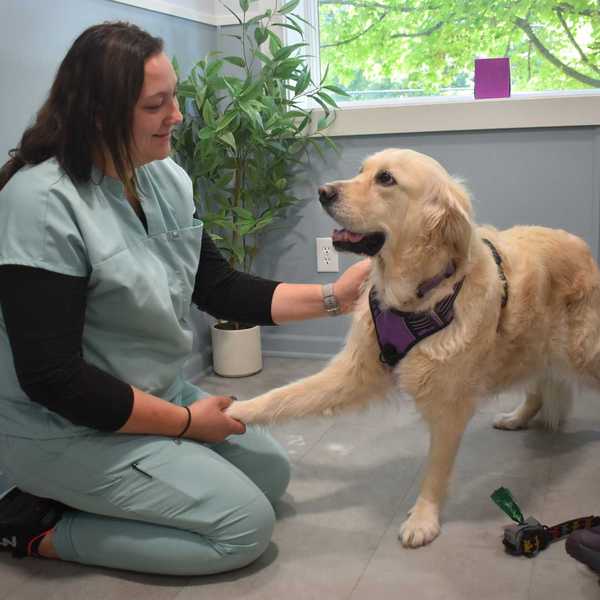
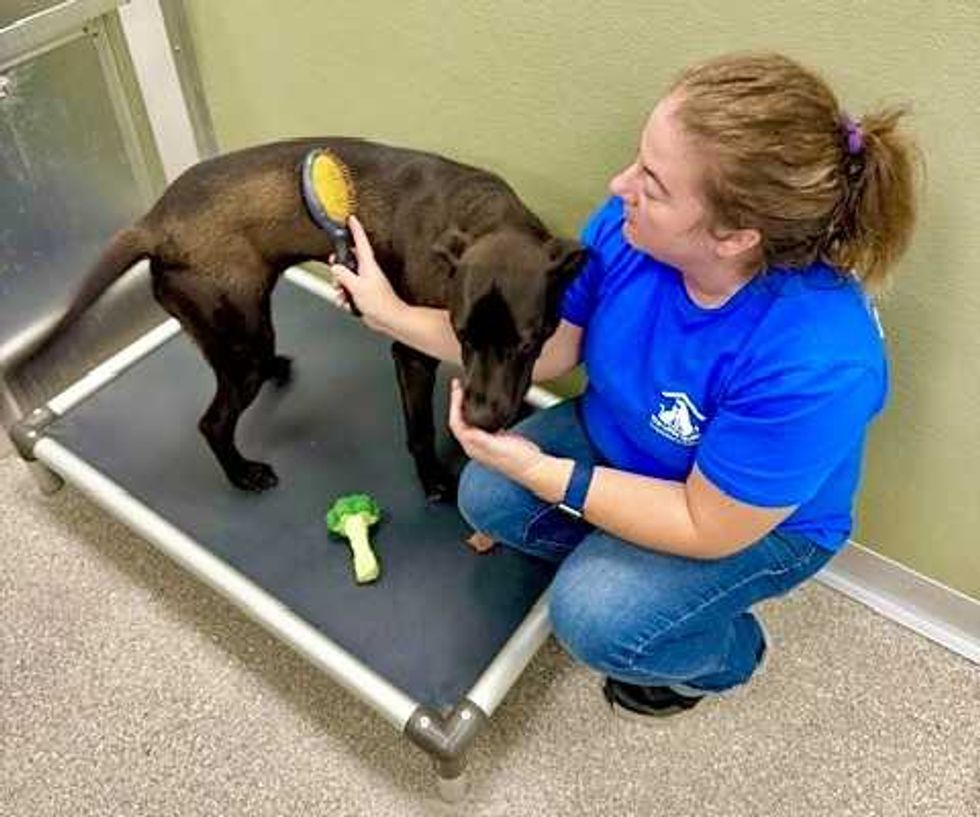 Tiffany Lemelin, shelter manager, brushing Marsala upon arrival.Provided
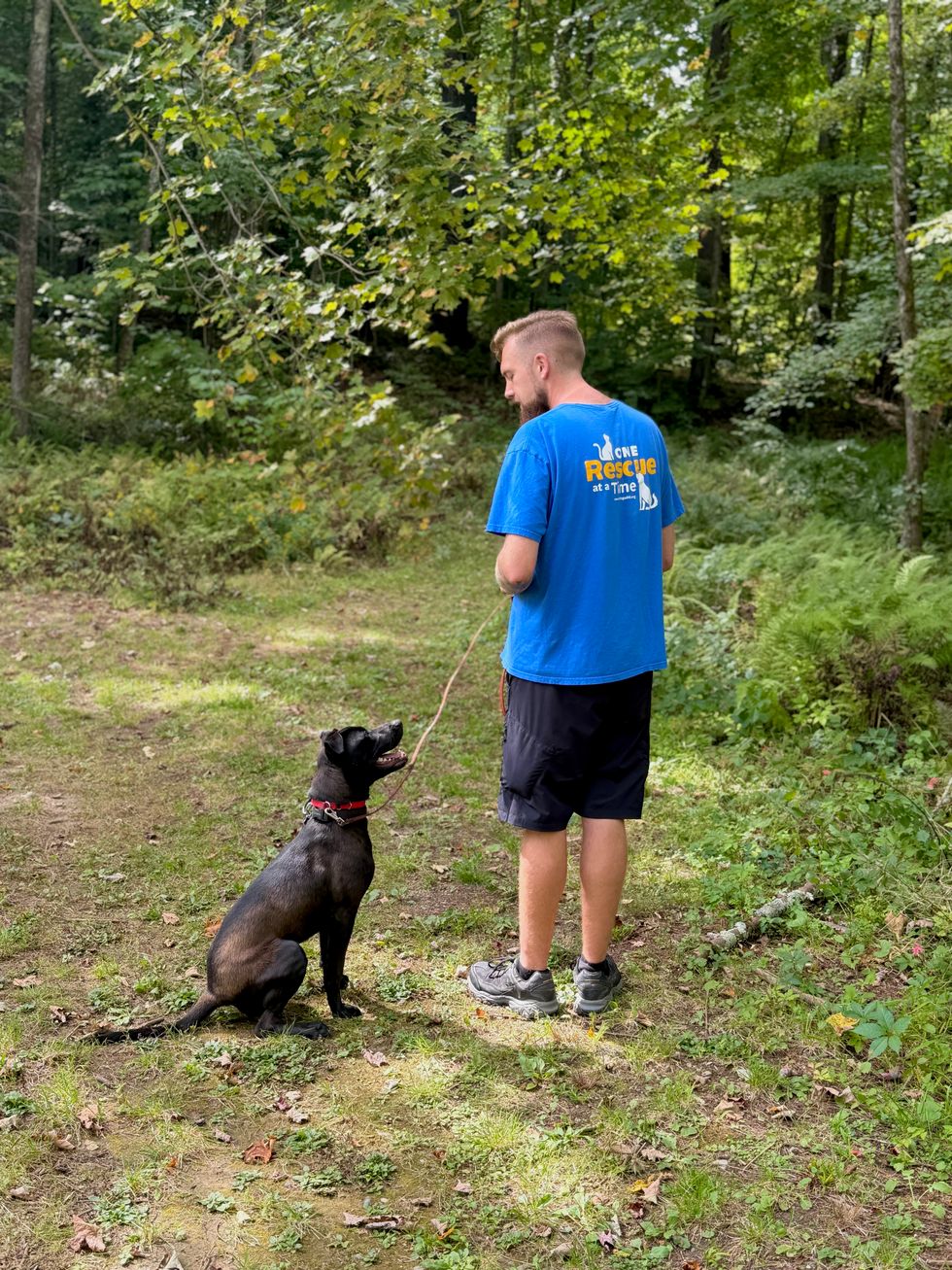 Michael DeBarba, certified dog trainer working with Marsala.Jennifer Almquist
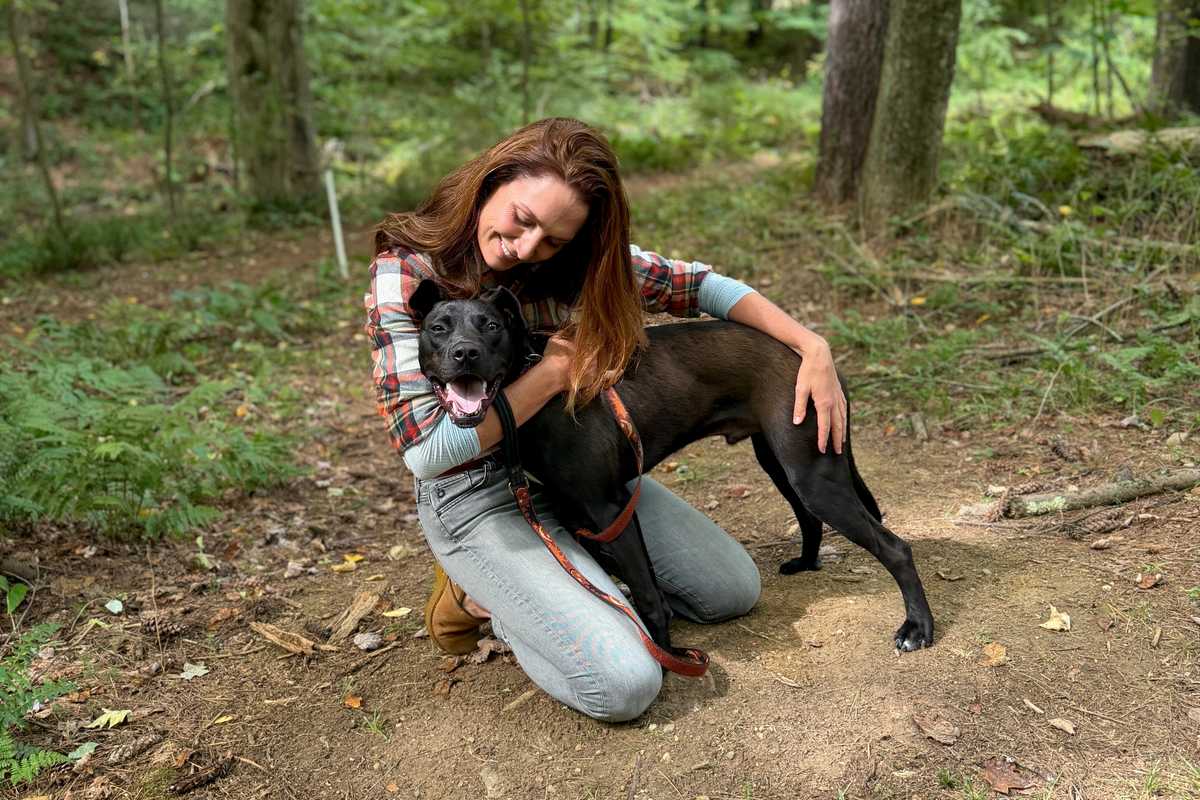 Marsala wins a heart.Jennifer Almquist
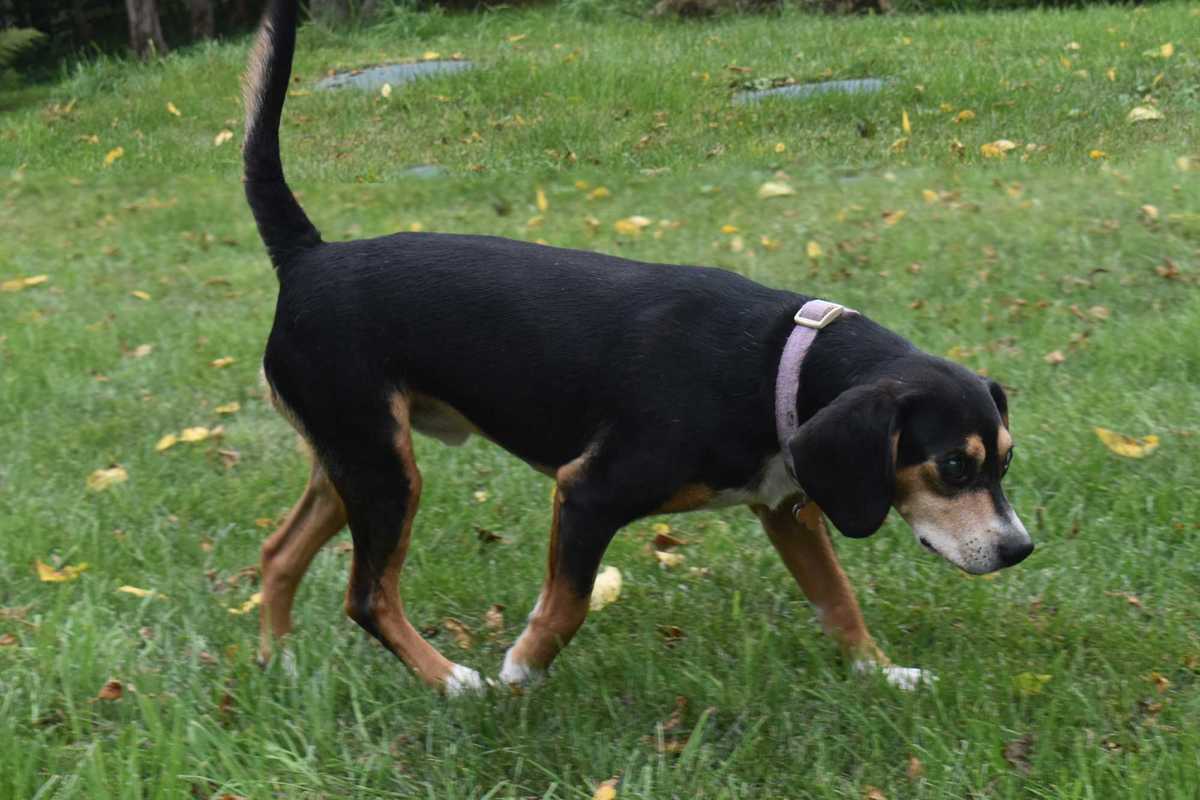
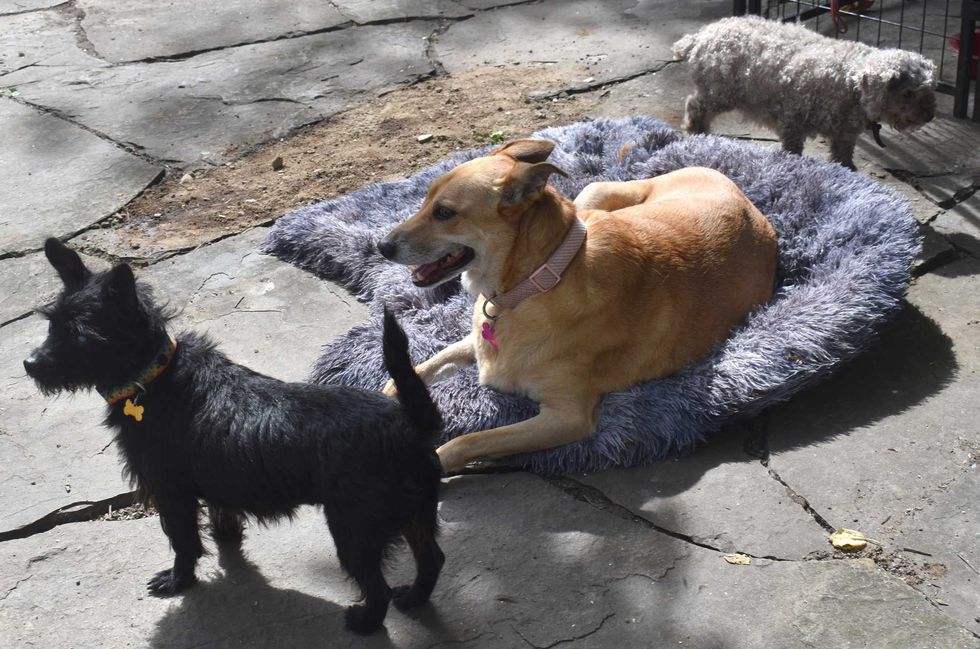 Sadie, center, a Carolina dog, plays with her friend Negra, a terrier mix. Bella Linda, the small poodle, has since been adopted.L. Tomaino
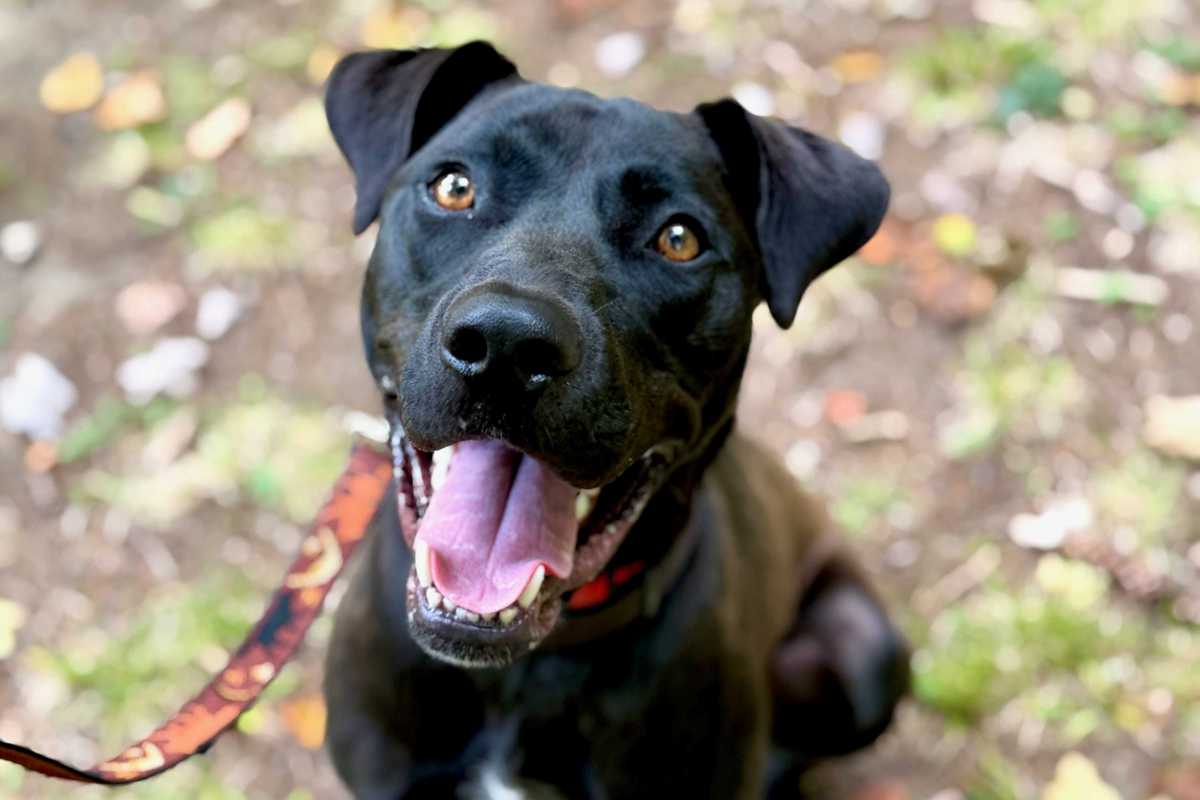
 Wesley, a young, exuberant mix, is looking for an active home.L. Tomaino
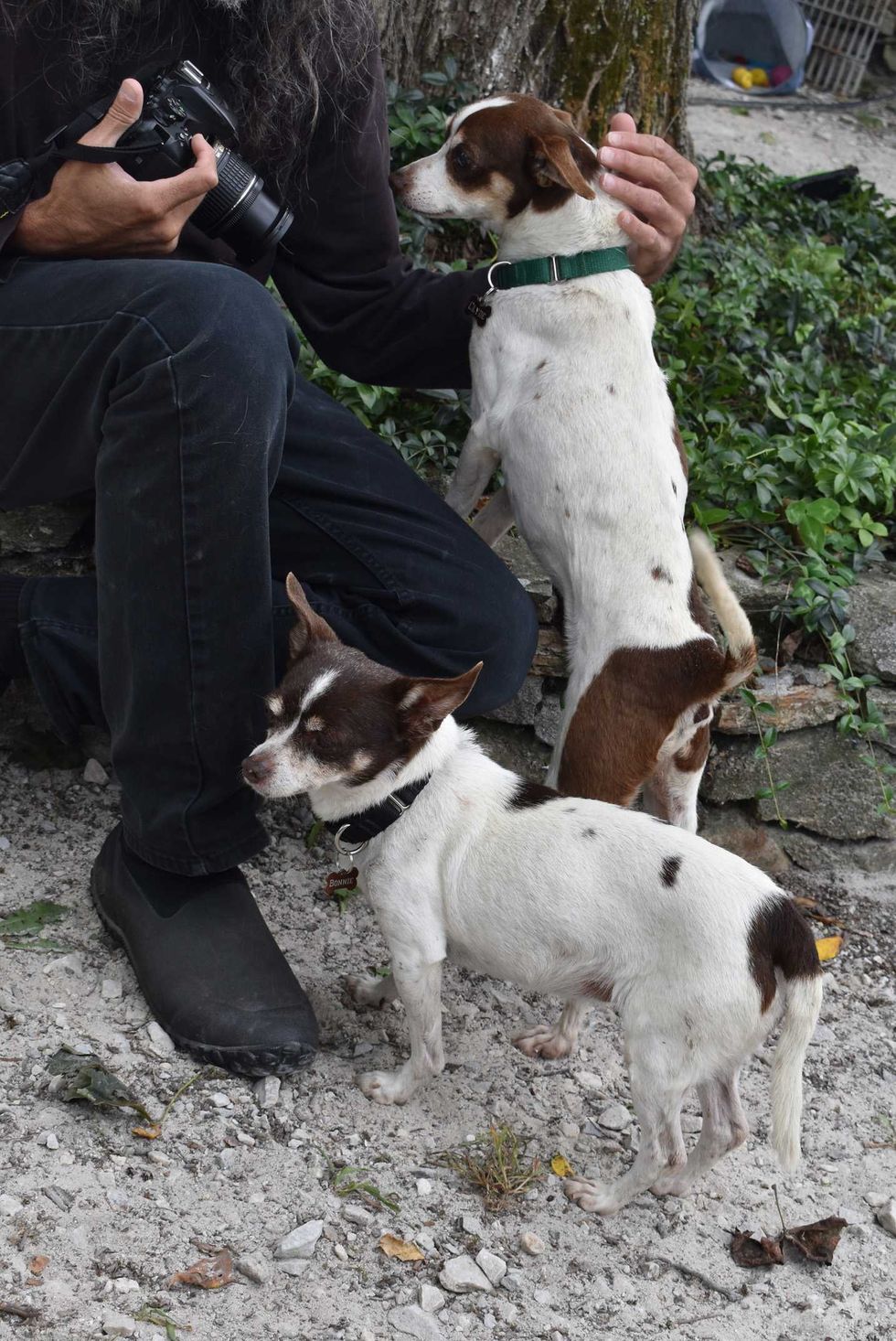 Bonnie and Clyde, an affectionate terrier pair.L. Tomaino
 Provided