Sometimes it takes a trip once or twice a year to sharpen your perspective of changes in society. The newest perspective is fresh and yet the past memory sharp enough to know what has changed — changes stand out in sharp contrast to what you remember.
In New York City the commercial retail landscape has taken a final turn. High-priced, luxury shops have consolidated themselves behind facades of permanence. Less an inviting place for consumers, they are designed and positioned as forbidden territory for all except the confident, wealthy and, above all, determined buyer.
Stone clad buildings, thick highly polished glass, reduced display window contents, security doormen all transmit that browsers of the general public are hardly welcome. When you go downscale the desertification of the general retail landscape is palpable.
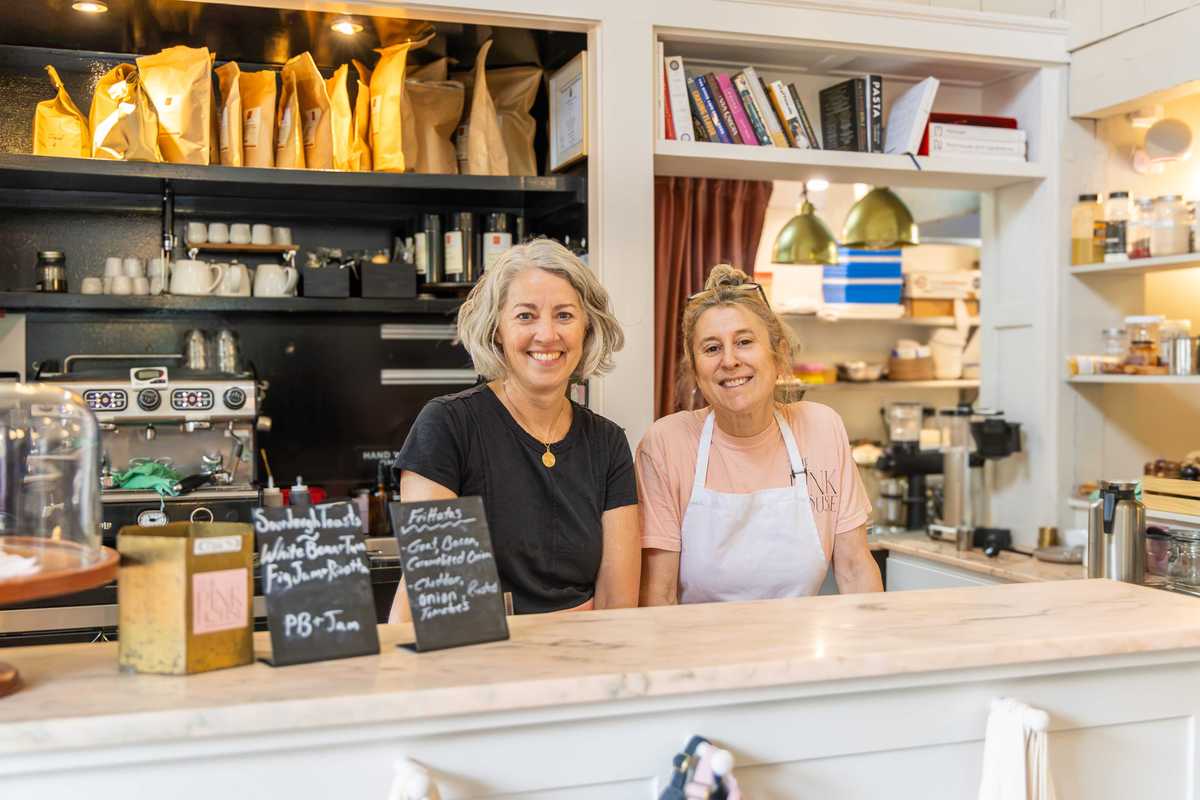
Almost gone are the small shops, jewelry, shoe shops, general merchandise replaced by food. Food outlets are everywhere. Food courts, food trucks, food pop-ups, coffee shops, sandwich shops open only from 10 ‘til 4 — all these have taken over empty retail outlets that no longer can — or want to — compete with the Internet. Judging from the number of food outlets in NYC, uptown and downtown, people may no longer be cooking. And yet, the proliferation of grocery stores grows, especially higher-cost, higher-quality stores, especially those offering delivery (bridging the gap to the Internet buyer).
In Los Angeles, the land of the car stuck in traffic, the same thing is happening, except that, being less elite appearing than New York, LA stores try and retain that laid-back egalitarian appearance, until you see the price tag of luxury goods which still send you running. But there too, the food take over, prepared, exotic, convenient food, is everywhere. I doubt there are as many restaurants per square mile anywhere else in the world.
Albuquerque, Tucson, Phoenix, Dallas… are all undergoing similar transformation. True, it may be slower than the two coastal mega-cities, but the trends are there, trickling down as the way we live, what we buy and where, is changing. Perspective on your own past might help bring this into focus for you.
Ask yourself this: Twenty years ago, did you even know what Pad Thai or Korean barbecue was? Twenty years ago would you ever consider allowing someone to pick out a head of lettuce or fresh melon for you and then deliver it? In today’s changing retail landscape, the removal of the hands-on component consumer, replaced by packaged, prepared, delivered commerce is underway. And, it is underway at an alarming speed.
Peter Riva, a former resident of Amenia Union, now lives in New Mexico.

 Pay Bill for Robin Starr’s service in the Continental Army.Courtesy the Alex Breanne Corporation
 John Mills speaking at Quinnipiac University.Courtesy the Alex Breanne Corporation
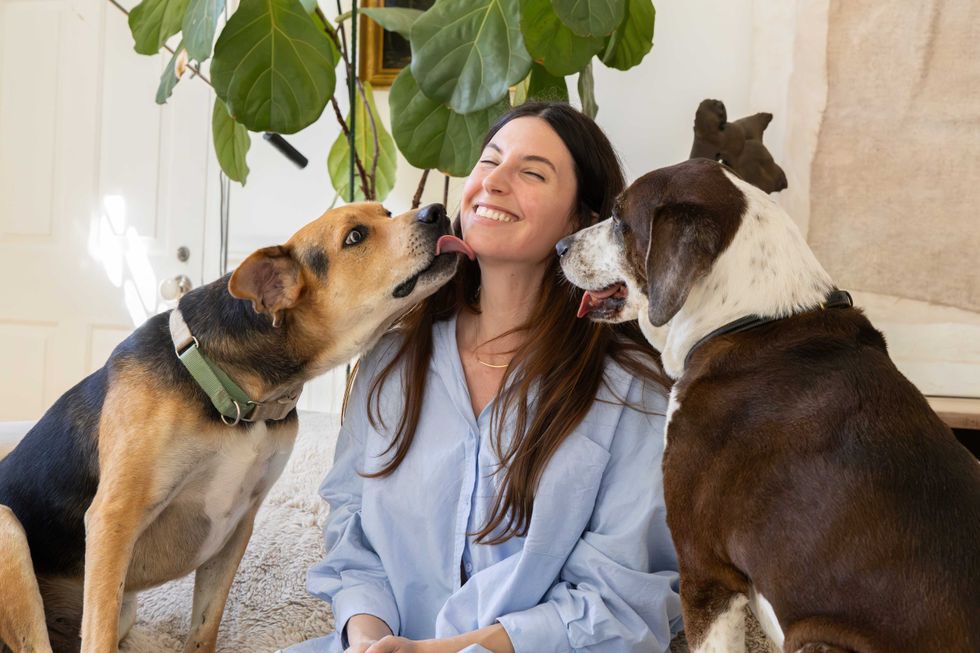 Stephanie Saetta,with her rescue dog George and Blue (left), a shepherd mix awaiting his forever home.Madi Long
 Blue, a 7 year-old Shepard mix, is waiting for his forever home. Madi Long