

This is the first in a series of articles about hospice and end-of-life care in our region, covering topics ranging from the truth about morphine and pain management to knowing when it’s time for hospice care to preparing an advance directive. It is produced in collaboration with East Mountain House.
For most Americans, death is not an easy subject. Most of us avoid talking about it until we absolutely have to. In the same vein, hospice care is something many people know little about until they encounter it firsthand. Even the word “hospice” can spark a sense of dread.
But according to hospice experts, as well as the family and friends of people who have received hospice care, demystifying hospice—and having earlier conversations about how we want to spend our last months and weeks of life—can go a long way toward improving the end-of-life experience for both patient and loved ones.
Moreover, in a region with a high proportion of seniors and a growing number of people living with chronic and life-limiting illness, hospice is a service many local families will consider, and one worth understanding before it is urgently needed.
In the simplest terms, hospice is “just good care at the end of your life—making sure that your symptoms, especially pain, are well controlled and that you have the things available to you that you need,” said Eileen Rydel, a nurse and veteran hospice director who currently serves as a case manager for Visiting Nurses and Hospice of Litchfield County (VNHLC), which serves the northwest corner and Farmington Valley.
Hospice care is intended for people with a terminal illness whose doctors believe they are unlikely to live more than six months, and for whom curative interventions are no longer effective and, along with repeat hospital stays, will likely only cause more suffering.
Instead, hospice is devoted to wellbeing and day-to-day support, often in the patient’s home. “One of the goals is to keep people out of the hospital because that’s not a very comfortable place when you’re at the end of life,” said Rydel. “The focus is all on comfort and living well.”
Or, as Cristin Rich, a former hospice nurse and now executive director of East Mountain House, a new end-of-life care home in Lakeville, puts it: “it’s about quality of life at the end of life.”
Along with nurses, a hospice team typically includes a physician, a social worker, home health aides, a chaplain, and trained volunteers. Physical or occupational therapists may also be involved. Social workers help families think through practical and emotional questions while volunteers may come and sit with a patient so a caregiver can leave the house or rest.
Most days, Rydel is on the road, traveling from home to home to check on patients and their families, adjust medications, and offer advice. Some patients are stable and prefer minimal visits. Others, she said, “need much closer attention, especially at the very end. Then I may visit seven days a week.”
Hospice support for families and caregivers includes services such as respite care and bereavement counseling. Respite care provides the option for a short stay—up to five days—in a hospice-certified nursing home, hospital, or inpatient facility, allowing caregivers time to rest and recharge.
Medicare Part A covers all the costs of care from the hospice team — including nursing — as well as medications to treat pain and discomfort (from morphine to oxygen) and durable medical equipment like hospital beds, shower chairs, or lifts.
What isn’t covered is ongoing in-home care—someone to look after the patient day in and day out. That usually falls to a family member and/or a paid caregiver. “We have a home health aide on our team, and she’ll come out a couple times a week, but that 24-hour is a private expense,” said Rydel.
Fortunately, Rydel added, there are resources in our region to help pay for that care, such as grants for terminal cancer patients from The Jayne Lloyd Fund (through the Berkshire Taconic Community Foundation). VNHLC, too, currently has access to funds for helping struggling families cover private care and Connecticut Community Care, Inc. can support in-home help for people living on very low incomes.
There are several pervasive misconceptions that still prevent terminally ill people or their families from taking advantage of hospice care. Two of the most common are the belief that hospice means giving up and that medications used to treat pain hasten death. Rydel and Rich agree these beliefs often stem from the fact that hospice is introduced very late in an illness, reinforcing the association between hospice, medication, and death rather than comfort and support.
In fact, research has shown that many people live better—and sometimes longer—once they enter hospice care. And reams of studies have demonstrated that morphine and other pain medications, when appropriately administered, relieve suffering and improve quality of life rather than shorten it.
Moreover, hospice doesn’t mean no treatment. “If you’ve got a urinary tract infection, or you fall and break a bone, you’re going to be treated for that,” said Rich. “Everything is going to be palliated. Anything that affects comfort and quality of life hospice is going to be address.”
Another misconception is that once on hospice, always on hospice. But patients can leave anytime they choose. “Sometimes people decide they want to go to the hospital for a particular treatment that’s not part of hospice, or they leave for some other reason,” said Rich. “The point is that this is your decision, or a decision you make with your family.”
“I wish people were more open to talking about hospice earlier in the process of their illness or earlier in their life,” Rydel said. “I think it would make things much easier for them and for family.”
For Karen Whitley Bell, author of Living at the End of Living: A Hospice Nurse Addresses the Most Common Questions, the end of life, as difficult as it may be, “offers an opportunity to explore and rediscover a richer meaning in life.” And hospice, with its dedication to a patient’s dignity and comfort, can help make that possible.
To learn more about end-of-life care, even if hospice is not immediately needed, The National Hospice and Palliative Care Organization offers extensive info online local and visiting nurse and hospice organizations like VNHLC also can provide answers. The Lakeville Journal welcomes reader questions and ideas for future topics in this series.



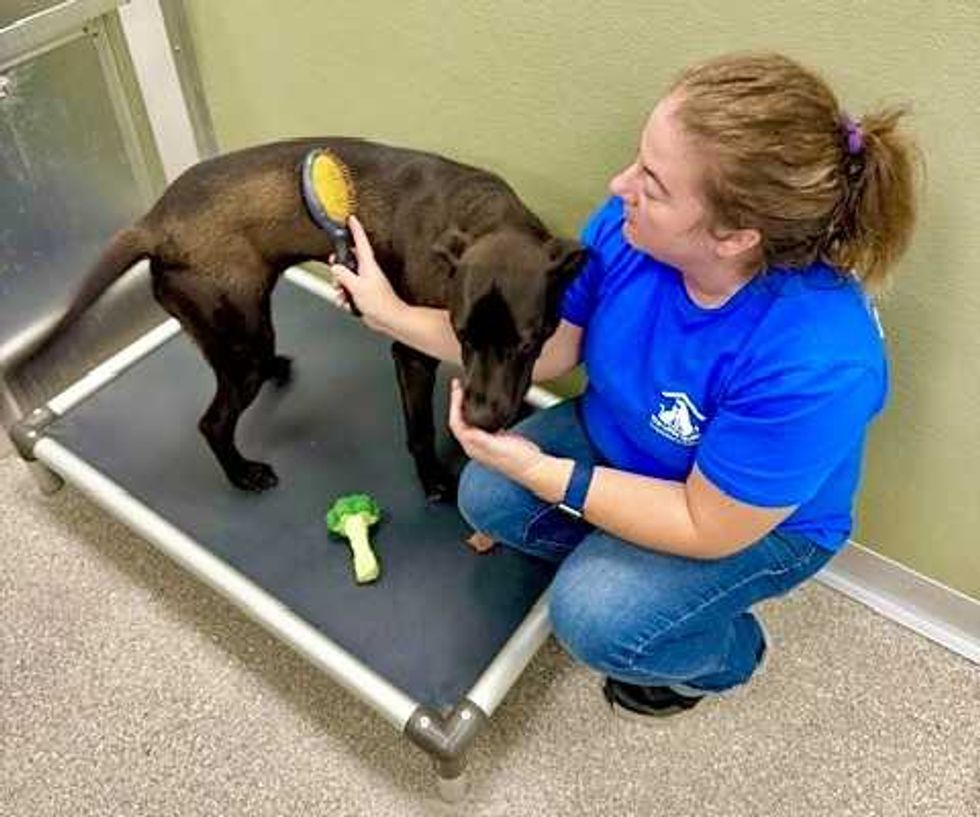 Tiffany Lemelin, shelter manager, brushing Marsala upon arrival.Provided
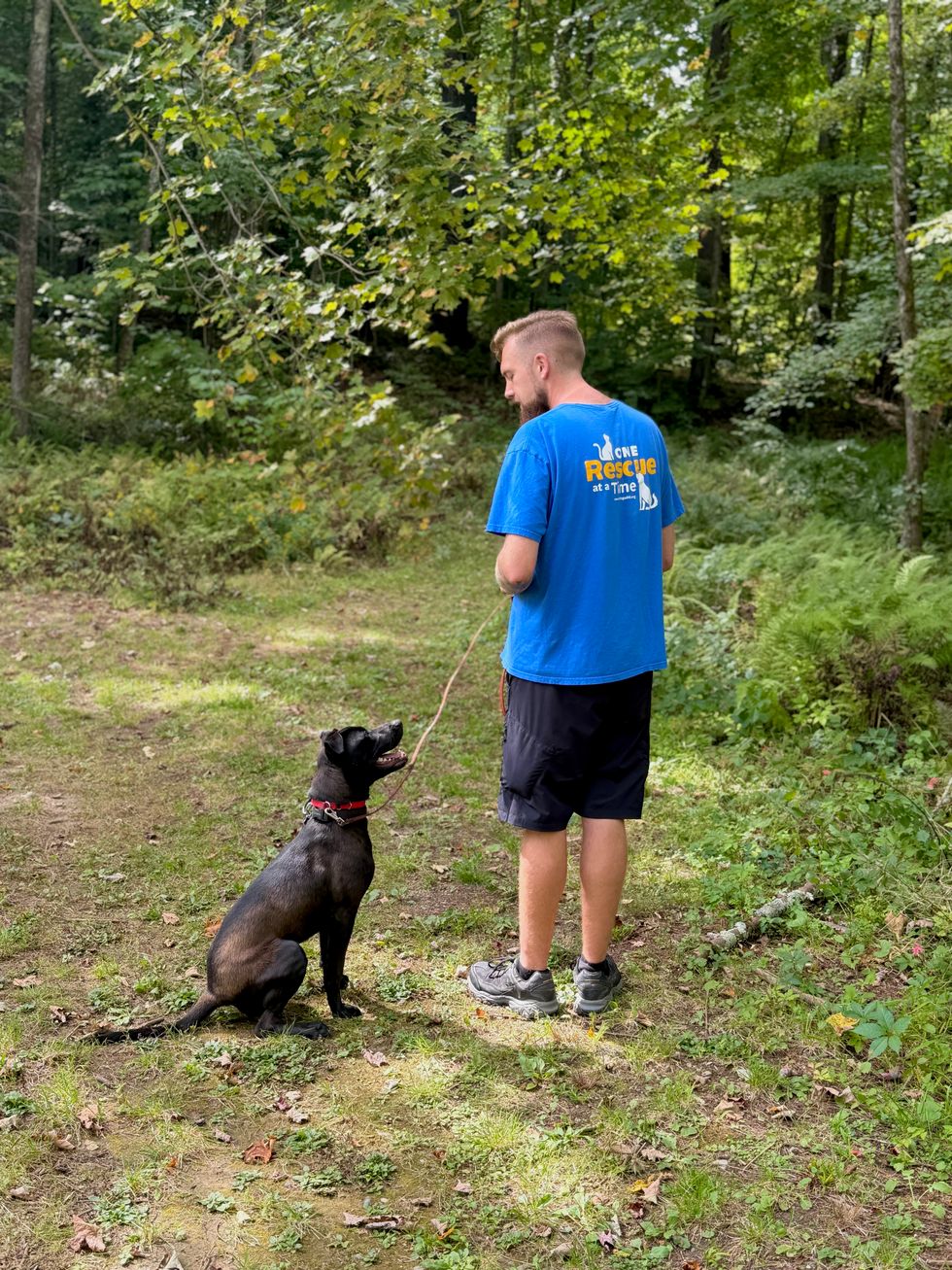 Michael DeBarba, certified dog trainer working with Marsala.Jennifer Almquist
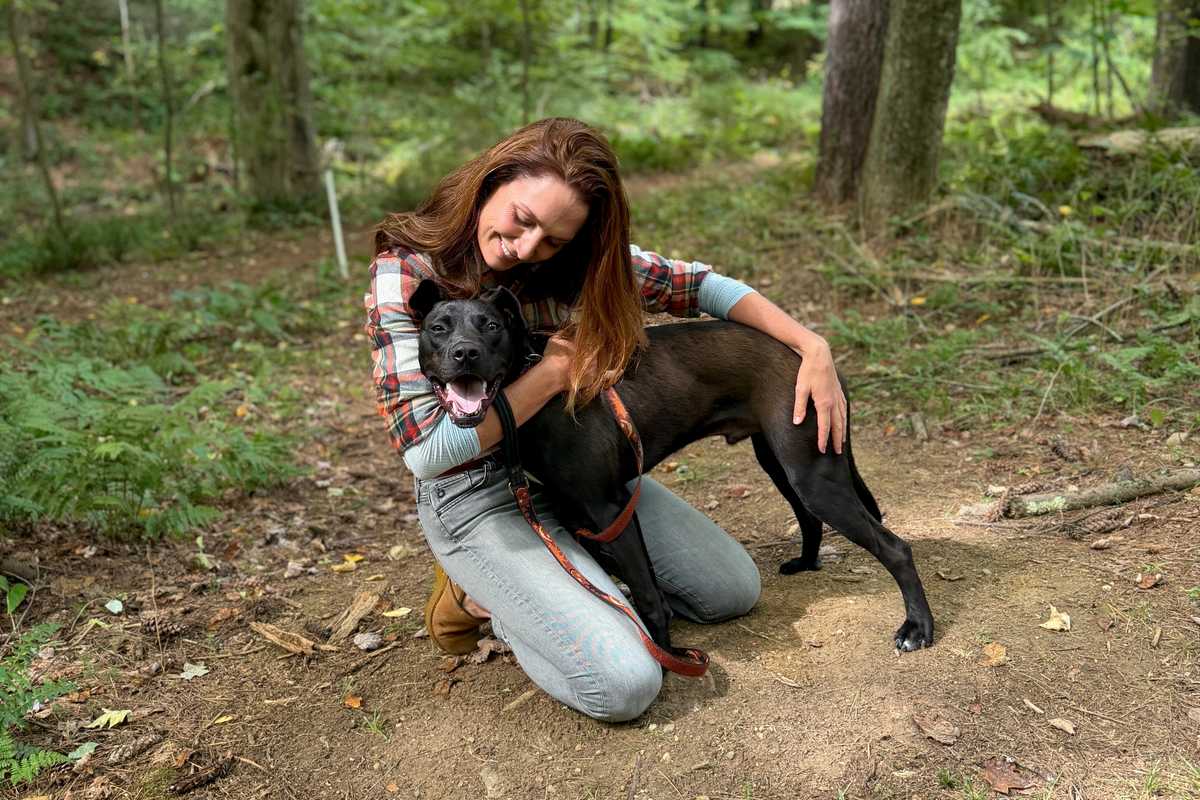 Marsala wins a heart.Jennifer Almquist

 Sadie, center, a Carolina dog, plays with her friend Negra, a terrier mix. Bella Linda, the small poodle, has since been adopted.L. Tomaino
 Wesley, a young, exuberant mix, is looking for an active home.L. Tomaino
 Bonnie and Clyde, an affectionate terrier pair.L. Tomaino

 Provided


What exactly is hospice, anyway?