

Most of us who serve on the Salisbury Volunteer Ambulance Service (SVAS) feel that we get back at least as much as we give — not only useful skills, but a true sense of purpose, a deep connection to our town and neighbors, and the pride that comes from helping people in some of their hardest moments.
We believe many more would join us, but for some persistent myths about ambulance training and service. We’re grateful for the opportunity to address those here.
Myth No.1: The training is long.
Fact : EMR training is 60 hours: two nights per week for two months. The result? Incredibly useful skills you can use in any emergency situation anywhere.
Myth No. 2 : Training is expensive.
Fact : Training is FREE if you commit to joining SVAS (or the Norfolk squad).
Myth No. 3 : I don’t have enough time.
Fact : We are flexible with our scheduling. Some of us put ourselves on the duty schedule, and others “listen in” to the radio and respond when available. Some do nights, some only do daytimes. What we need are active, committed members who are willing to help cover our calls, whether in blocks of time or on a more ad hoc basis. And all of us have other commitments - we are teachers, business owners, lawyers, town employees, web designers, contractors, parents, grandparents, and more. We all do what we can, when we can.
Myth No. 4 : Volunteers must stay at headquarters when on call.
Fact : We take calls from where we are - home, work, headquarters or elsewhere. We each have radios and pagers, as well as a phone app, that alert us and allow us to respond from anywhere.
Myth No. 5 : I might be all alone on an ambulance call.
Fact : We always work in teams when responding to emergencies. You’ll be supported by other more experienced members - in fact, as an EMR, you are required to have at least one EMT (who has more training) join you on any ambulance response. During your training, you’ll also be given a mentor from the squad to help teach and coach you.
Myth No. 6 : I can’t drive that huge ambulance.
Fact : Driver training is separate and optional (although encouraged). You won’t drive until after you become a certified EMR and successfully complete the additional training.
Myth No. 7 : I’m not good in emergencies.
Fact : Most of us had no previous medical background. Training gives you the necessary skills, as well as a tried-and-true, systematic approach to dealing with emergencies. These will give you the confidence to get out there and start helping people. You’ll also never be asked to do more than you’re comfortable with or can handle.
Myth No. 8 : I could never have someone’s life in my hands.
Fact : We love “Grey’s Anatomy” and “House M.D.” but TV medical dramas make field emergency care seem much more complicated than it is. Our main job is simple: stabilize our patients, make them as comfortable as we can, and get them safely to the hospital. We aren’t solving medical mysteries or performing tracheotomies with ballpoint pens.
Myth No. 9 : Now you’ve made it sound boring.
Fact : On the contrary! Our town may be small, but we handle it all - falls, illnesses, motor vehicle accidents and extrications, Appalachian Trail rescues, cardiac emergencies and strokes, hazmat incidents, even childbirth. If it can happen, it has probably happened here. This work is often exciting, but even when a call is low acuity or routine, you will learn something. Regardless, you will be providing priceless comfort and reassurance to your patients and their loved ones.
Myth No. 10 : Someone else will do it.
Fact : Simply put: if we want our volunteer ambulance service to remain operational and free to all, we need more volunteers. Some of our members have been on the squad for decades and will be retiring. And life happens - members move away, or their circumstances change. Having more members join us is mission critical.
Find us at salisburyambulance.org or salisburyambulance1971@gmail.com. Barrie Prinz is president of the Board of Trustees. For more coverage on Salisbury Volunteer Ambulance Service and information on how to join, turn to Page A3.


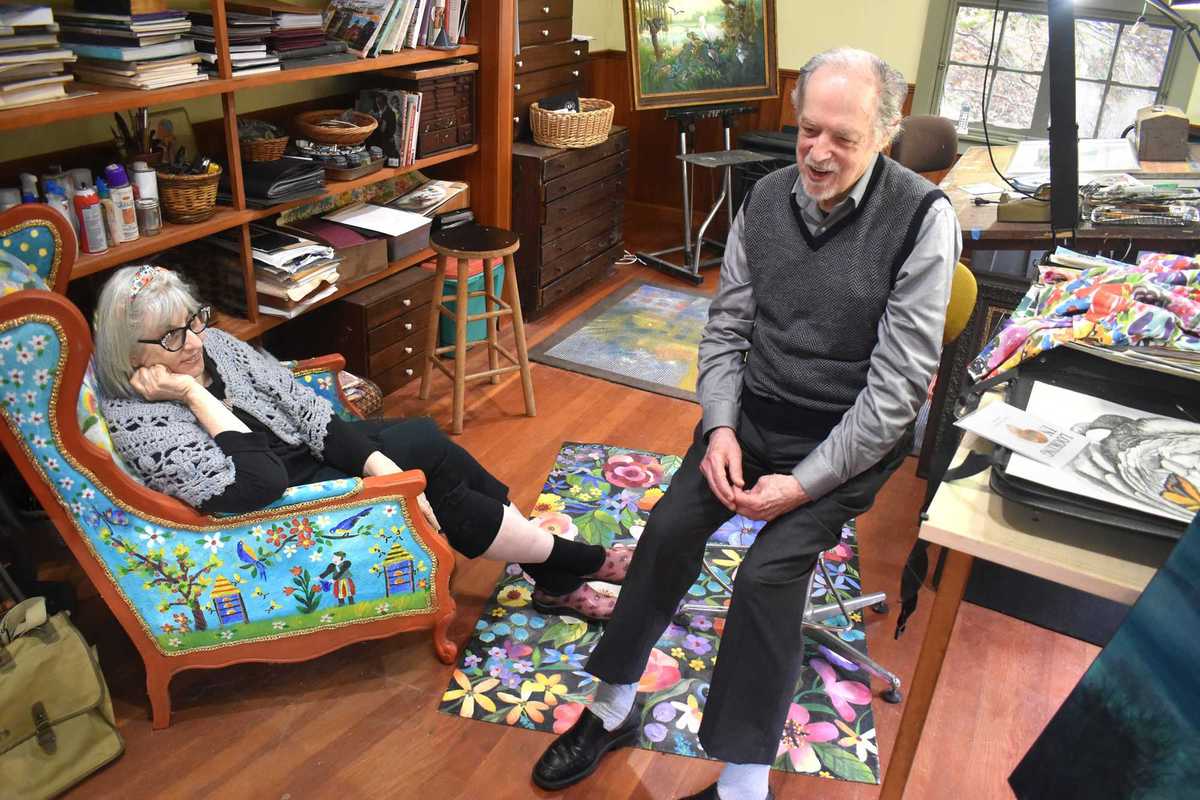
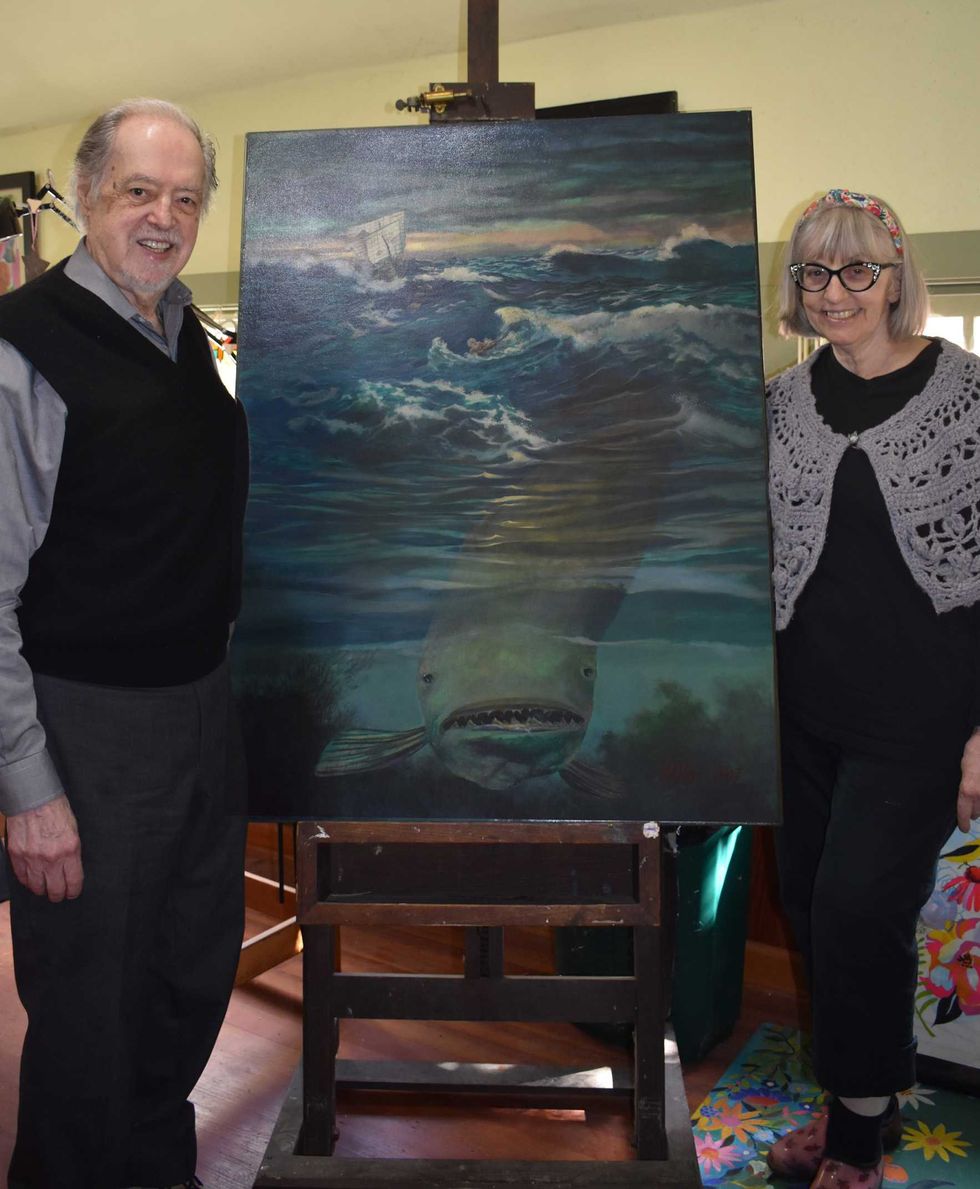 Justine and Victor Valla in their studio with a painting of Victor’s,”Jonah and the Whale.” Robin Roraback


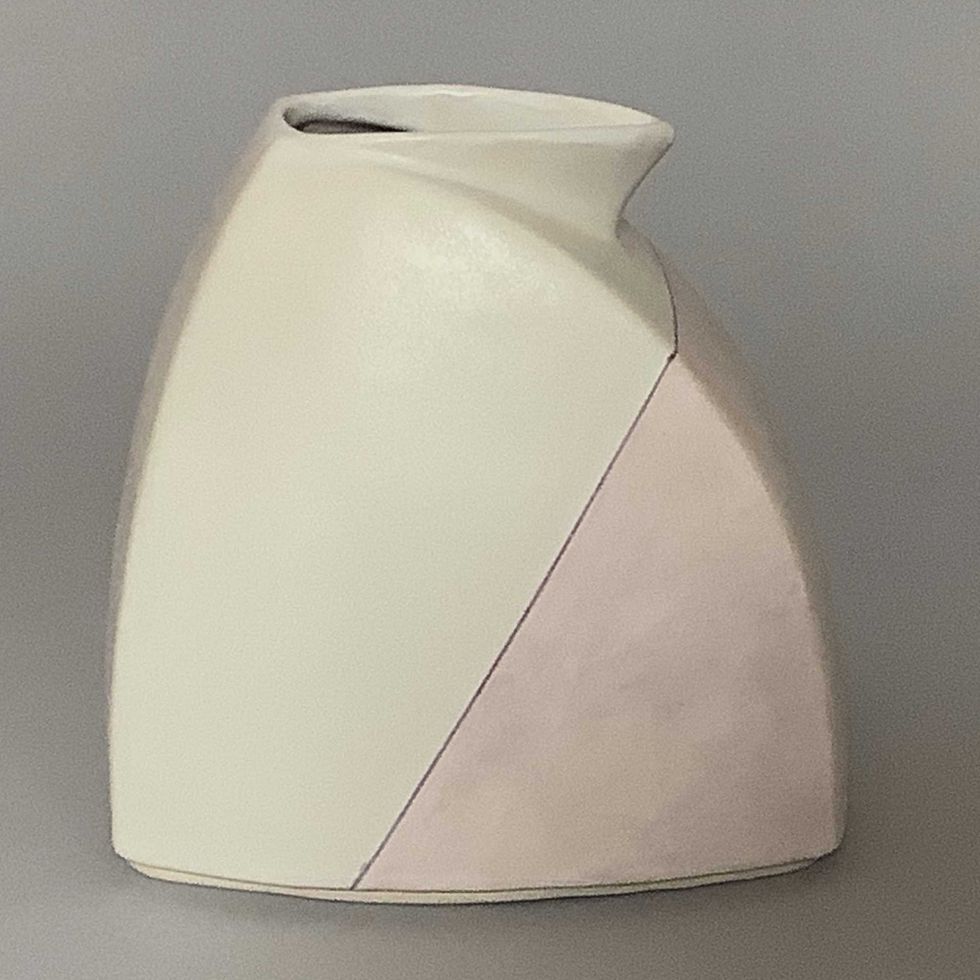 A ceramic vase by Kathleen Heidemann.Provided
 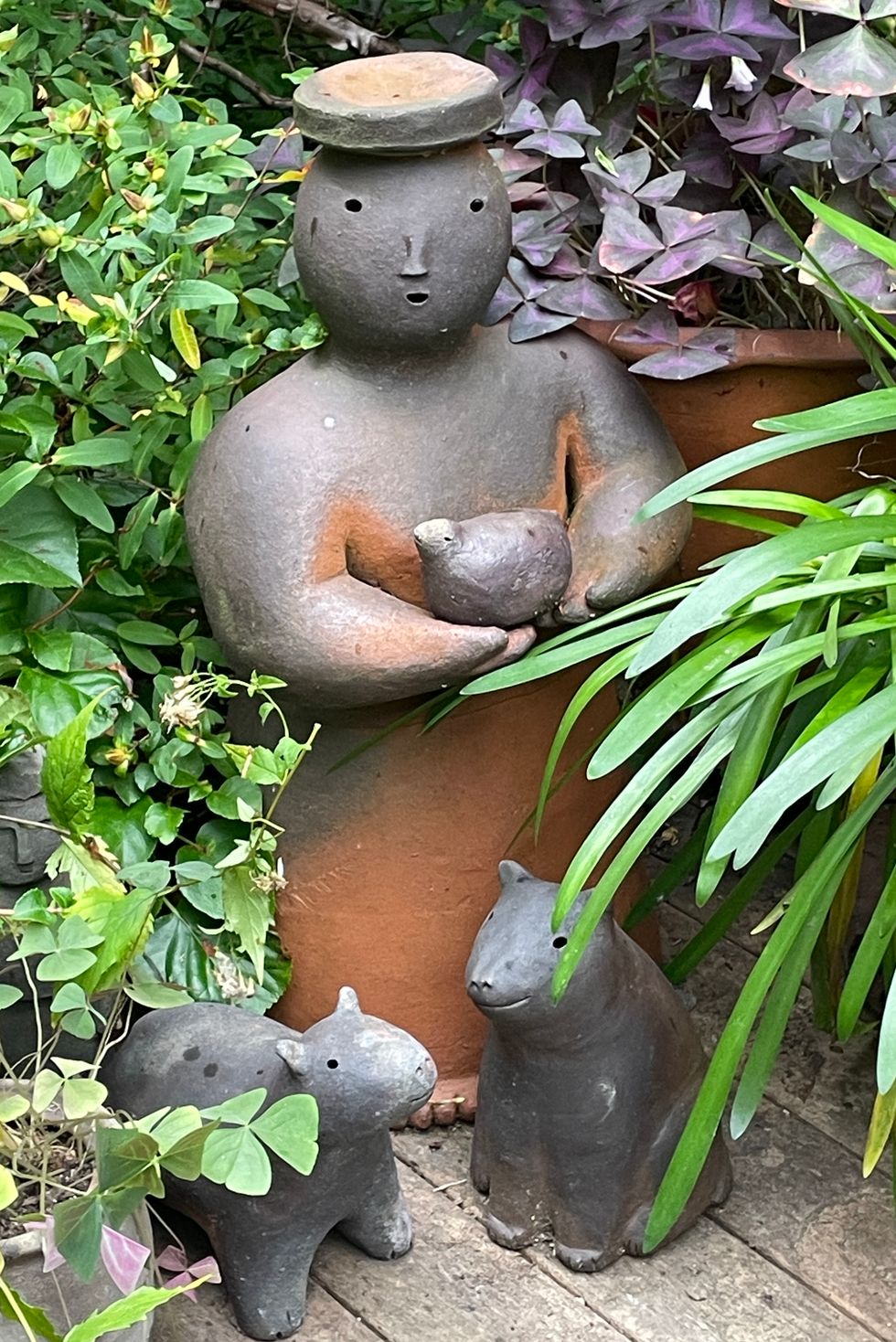 Joy Brown’s delightful ceramic sculptures.Provided



Debunking 10 myths of ambulance service
Salisbury Volunteer Ambulance Service
Salisbury Volunteer Ambulance Service headquarters is located at 8 Undermountain Road in Salisbury.