

Winsted woman suing state in embryo scandal

WINSTED — Connecticut faces a $2 million potential lawsuit from a Laurel City woman whose only two fertilized embryos were mistakenly implanted in another woman at a private clinic affiliated with the University of Connecticut Health Center.

The state has already paid a $45,000 settlement related to the April 2009 incident.

The clinic’s medical director, a state employee, received a $500,000 bonus last year despite the mistake.

Tammi Pavano, formerly known as Tammi Whipple, of Winsted filed the $2 million claim with the Office of the Claims Commissioner on Feb. 22. The claims commissioner granted permission to sue the state on July 6.

The woman who received the wrong embryos also filed a claim with the Office of the Claims Commissioner, but withdrew it July 6. Her lawyer, Vincent DeAngelo, declined to comment and requested that his client’s name not be included.

Pavano’s attorney, James Townsend, did not return calls for comment.

The mix-up

Two years ago, an embryologist at the Center for Advanced Reproductive Services matched the wrong identification card with a patient, giving her instead the card belonging to Tammi Whipple, now Tammi Pavano.

The incorrect identification card caused the mix-up.

Prior to that visit, both women had visited CARS to have eggs extracted and fertilized. The embryos were then frozen and stored until they could be implanted so the women could have children.

When the clinical staff checked and rechecked the embryos against the identification card, they matched, according to Department of Public Health documents.

Even though the card and the embryos matched, neither matched the patient.

DPH fined CARS $3,000 because an employee did not follow standard procedure to match the identification card with the patient.

CARS is located at the UConn Health Center and has a complex relationship with the state. For example, most of the people who work at CARS are state employees.

UConn Health Center spokesman Chris DeFrancesco confirmed the existence of the settlement and the pending claim. Paul Verrastro, vice president of operations for CARS, declined to comment separately from DeFrancesco.

DeFrancesco could not comment on who received the $45,000 settlement because of privacy laws.

In a similar case, a California woman won $1 million when she was implanted with the wrong embryo, although in that case the doctor did not inform her of the mistake until the baby was 10 months old.

Ending the pregnancy

CARS notified the patient implanted with the wrong embryos of the mistake on April 15, 2009, one day after the procedure.

She went on to end the pregnancy, according to her claim against the state, after being told Pavano wanted the pregnancy ended.

However, according to DPH documents, Pavano didn’t even know about the mistake until after the woman made her decision to end the pregnancy.

According to DPH records from a May 1 interview with Dr. David Schmidt, the patient was treated with methotrexate because the pregnancy didn’t “seem normal.� Schmidt said it could be an ectopic pregnancy and that methotrexate is the “first line Rx for ectopic pregnancy.� An ectopic pregnancy happens when the embryo implants outside of the normal area.

As of May 1, according to Schmidt, the patient was still pregnant, although her hormone levels were declining, indicating that the pregnancy was coming to an end.

Verrastro told a DPH interviewer in June that the patient “wanted to have D&C done even though hormone levels were decreasing as expected.� D&C refers to dilation and curettage, a gynecological treatment that can also be used to end a pregnancy.

Verrastro told DPH the procedure was done on May 22.

CARS didn’t contact Pavano until April 27, when they asked her to come to their office. Nulsen and another doctor informed her of the mistake on May 4. Verrastro told a DPH investigator that CARS staff decided “it was in her best interest to wait until we had definitive information.�

This sequence of events conflicts with the one suggested by the withdrawn claim. Pavano could not suggest she wanted the pregnancy ended if she did not know there was one.

Big payouts

The complex relationship between CARS and UConn is outlined in a series of contracts and amendments. These agreements proved confusing even to the lawyers representing CARS’ employees.

Joyce Lagnese, a lawyer at Danaher, Lagnese & Sacco, which represents CARS, spoke with a DPH investigator on May 7, 2009, by phone, according to DPH records. The investigator’s notes say:

Per Joyce: “Rob Silva (UConn atty) and I have talked about which employees work for whom. We are having a hard time sorting that out. It may end up that we both will be present during all the interviews.�

She refers to Robert Silva, an attorney with O’Brien, Tanski & Young. According to DeFrancesco, the firm specializes in professional liability defense and is working on this case for the health center.

John Nulsen, as medical director, sits at the top of the CARS organizational chart.

He received a $537,720.57 bonus in 2009, the year when the embryo mix-up occurred. His total compensation that year, according to CTSunlight, was $796,808.

Nulsen participates in a special bonus program for CARS employees. However, he is the only participant.

Under the contract between CARS and UConn, state employees who work at CARS participate in an incentive compensation program “to reward high quality, cost-effective care and exceptional productivity.�

According to the agreement, UConn has 10 business days to review any proposed incentive payments. If UConn does not comment within 10 days, the plan is approved and UConn must make the incentive payments.

 â€œCARS reimburses the Health Center for 100 percent of his incentive compensation and 100 percent of his clinical compensation,â€� DeFrancesco said. “The other physicians are not state employees and are paid by CARS directly.â€�

Insurance dropped

The UConn Health Center allowed CARS to drop its liability insurance in 2003, according to UConn Health Center documents, opening up the state to liability for CARS negligence.

UConn officials contend that allowing CARS to drop its insurance in the 2003 amendment did not create any additional risk for the state, since the original agreement contained nothing “that would have precluded a claim against the state of Connecticut based on the actions of a UCHC employee as an agent of the state, in addition to or instead of a claim against CARS,� according to DeFrancesco.

UConn released CARS of the need to buy insurance when a contract amendment signed in August 2003 deleted two sections of the original contract between CARS and UConn. The two deleted sections required CARS and a related company to carry professional liability insurance for “any UConn employees providing services to the program� and comprehensive general liability insurance.

The contract amendment justifies the change because the employees are “acting in their capacities as state officers and employees� and they are “entitled to the statutory immunities and protections that result therefrom.�

Employees of the state of Connecticut cannot be sued for negligence. However, instead of suing state employees, a victim of negligence can sue the state according to a process outlined by state law.

Under the doctrine of sovereign immunity, the state of Connecticut cannot be sued without its permission. A victim of state negligence would have to file a complaint with the Office of the Claims Commissioner.

Pavano filed such a complaint and received permission to sue the state July 6.

Under the 2003 amendment, CARS has no insurance coverage to protect the state if someone sues Connecticut because a non-physician employee was negligent — exactly what happened in this case.

Zachary Janowski is an investigative reporter for the Yankee Institute for Public Policy, Connecticut’s free-market think tank with offices on the campus of Trinity College in Hartford.

Latest News

‘Vulnerable Earth’ opens at the Tremaine Gallery

Tremaine Gallery exhibit ‘Vulnerable Earth’ explores climate change in the High Arctic.

Photo by Greg Lock

“Vulnerable Earth,” on view through June 14 at the Tremaine Gallery at Hotchkiss, brings together artists who have traveled to one of the most remote regions on Earth and returned with work shaped by first-hand experience of a fragile, rapidly shifting planet, inviting viewers to sit with the tension between awe and loss, beauty and vulnerability.

Curated by Greg Lock, director of the Photography, Film and Related Media program at The Hotchkiss School, the exhibition centers on participants in The Arctic Circle, an expeditionary residency that sends artists and scientists into the High Arctic aboard a research vessel twice a year. The result is a show documenting their lived experience and what it means to stand in a place where climate change is not theoretical but visible, immediate and accelerating.

Keep ReadingShow less
Beyond Hammertown: Joan Osofsky designs what comes next

Joan Osofsky and Sharon Marston

Provided

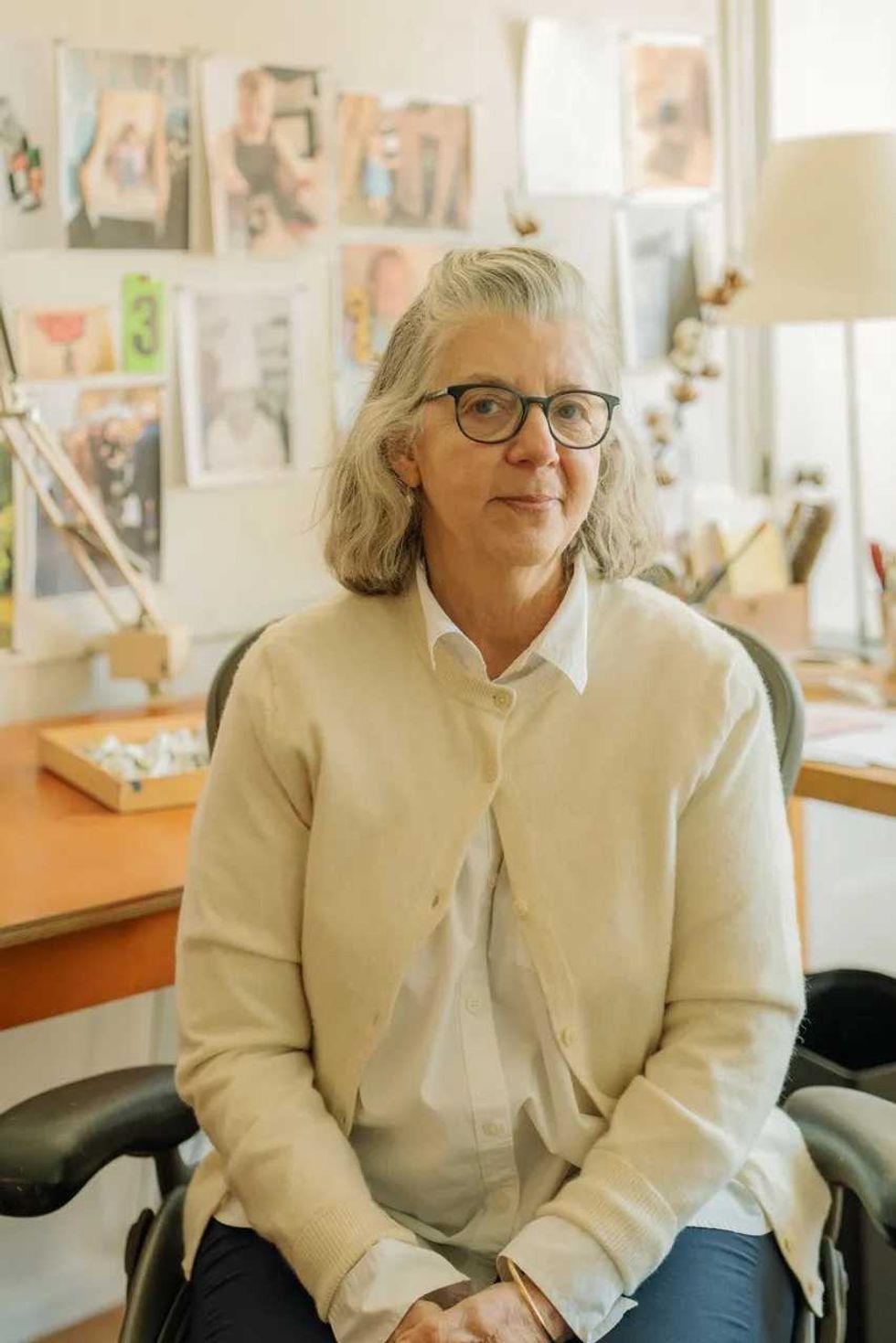
Joan Osofsky is closing the doors on Hammertown, one of the region’s most beloved home furnishings and lifestyle destinations, after 40 years, but she is not calling it an ending.

“I put my baby to bed,” she said, describing the decision with clarity and calm. “It felt like the right time.”

Keep ReadingShow less
A celebratory season of American classics and new works at Barrington Stage Company
Playwright Keelay Gipson’s “Estate Sale” will have its world premier this summer at Barrington Stage Company.
Provided

Amid the many cultural attractions in the region, the Barrington Stage Company in Pittsfield, Massachusetts, stands out for its award-winning productions and comprehensive educational and community-based programming. The theater’s 2026 season is one of its most ambitious; it includes two Pulitzer Prize-winning modern classics, one of the greatest theatrical farces ever written, and new works that speak directly to who we are right now as a society.

“Our 2026 season is a celebration of extraordinary storytelling in all its forms — timeless, uproarious and boldly new,” said Artistic Director Alan Paul. “This season features works that have shaped the American theater, as well as world premieres that reflect the company’s deep commitment to developing new voices and new stories. Together, these productions embody what BSC does best: entertain, challenge and connect our audiences through theater that feels both essential and alive.”

Keep ReadingShow less
google preferred source

Want more of our stories on Google? Click here to make us a Preferred Source.
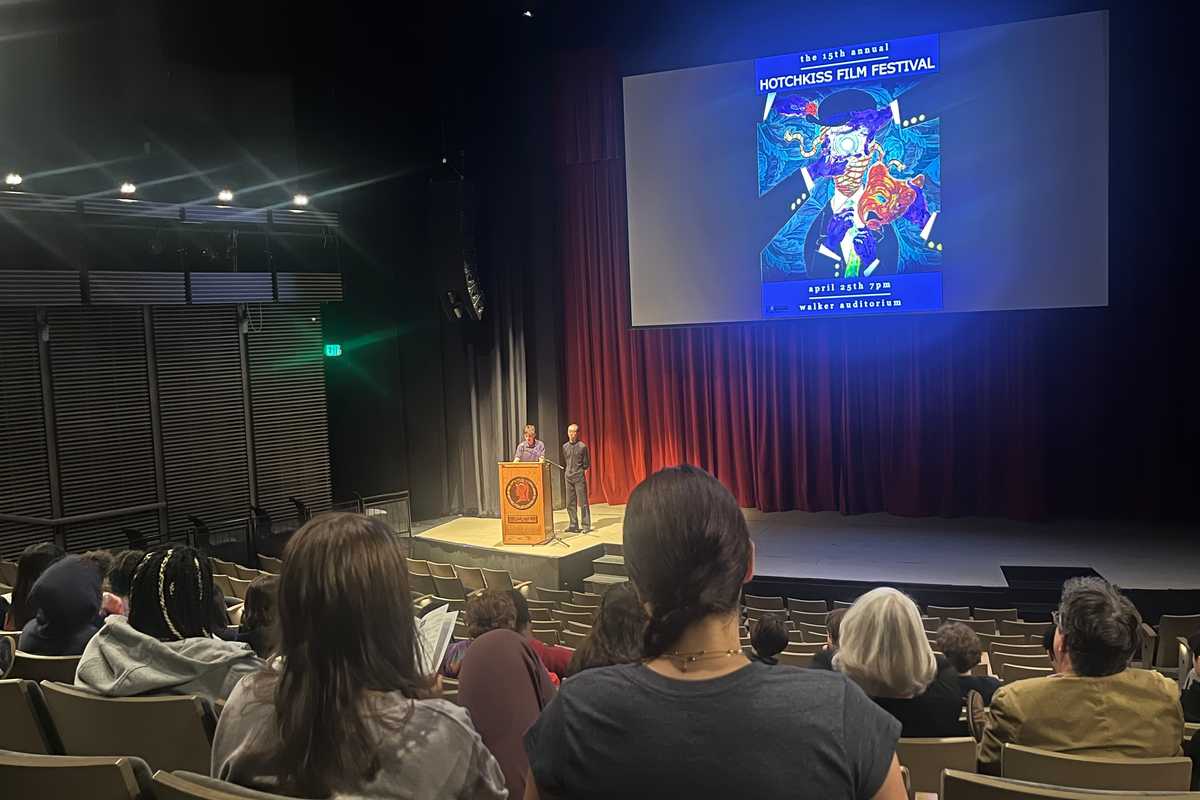
Hotchkiss Film Festival celebrates 15th year of emerging filmmakers

Student festival directors Trey Ramirez (at the mic) and Leon Li introducing the Hotchkiss Film Festival.

Brian Gersten

The 15th annual Hotchkiss Film Festival took place Saturday, April 25, marking a milestone year for a student-driven event that continues to grow in ambition, reach and artistic scope. The festival was founded in 2012 by Hotchkiss alumnus and Emmy-nominated filmmaker Brian Ryu. Ryu served as a festival juror for this year’s installment, which showcased a selection of emerging filmmakers from around the region. The audience was treated to 17 films spanning drama, horror, comedy, documentary and experimental forms — each reflecting a distinct voice and perspective.

This year’s program was curated by student festival directors Trey Ramirez and Leon Li, working alongside faculty adviser Ann Villano. With more than 52 submissions received, the selection process was both rigorous and rewarding. The final lineup included six films from Hotchkiss students.

Keep ReadingShow less
Artist Maira Kalman curates ‘Shaker Outpost’ in Chatham

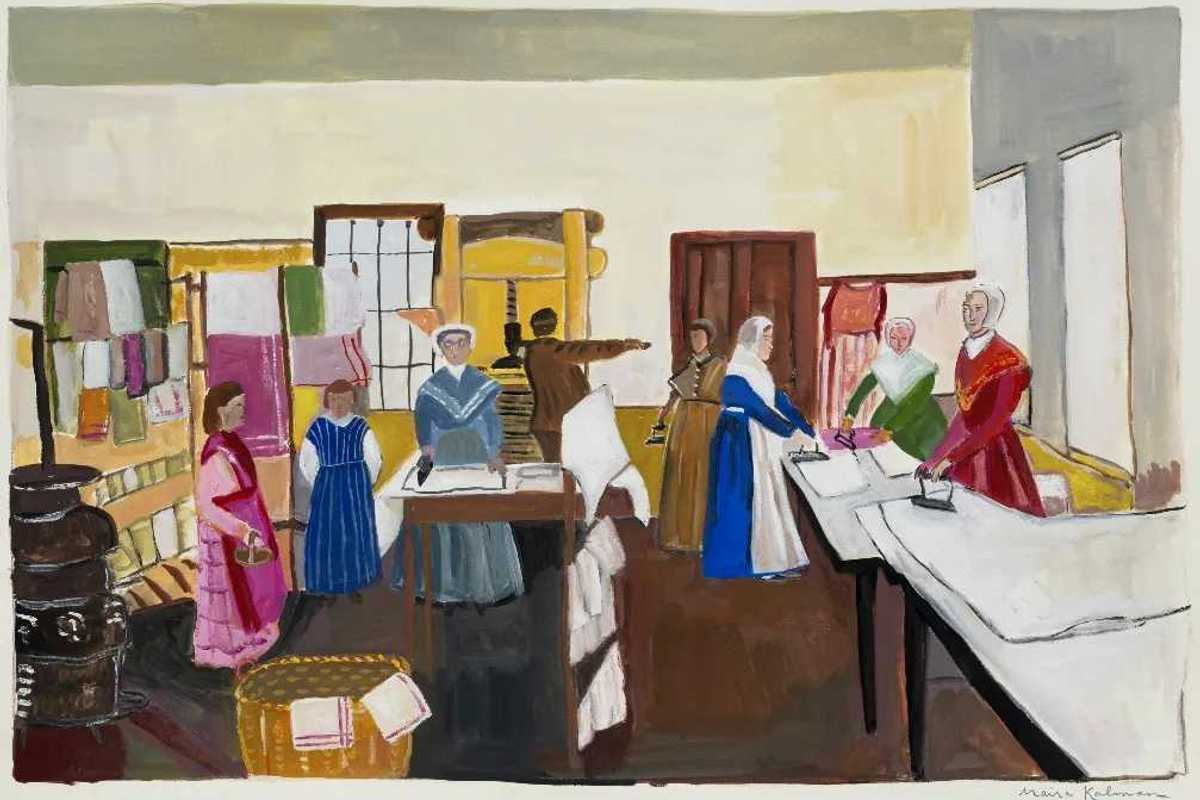
The Laundry Room, a painting by Maira Kalman from the exhibition “Shaker Outpost: Design, Commerce, and Culture” at the Shaker Museum’s pop-up space in Chatham.

Photo by Maira Kalman; Courtesy of the artist and Mary Ryan Gallery, New York

With “Shaker Outpost: Design, Commerce, and Culture,” opening May 2, the Shaker Museum in Chatham invites artist and writer Maira Kalman to pair her own new paintings with objects from the museum’s vast holdings, and, in the process, reintroduce the Shakers not as relic, but as a living argument for clarity, usefulness and grace.

Born in Tel Aviv, Maira Kalman is a New York–based artist and writer known for her illustrated books, wide-ranging collaborations and distinctive work spanning publishing, design and fine art.

Keep ReadingShow less

Ticking Tent spring market returns

Ticking Tent spring market returns

The Ticking Tent Spring Market returns to Spring Hill Vineyards in New Preston on May 2.

Jennifer Almquist

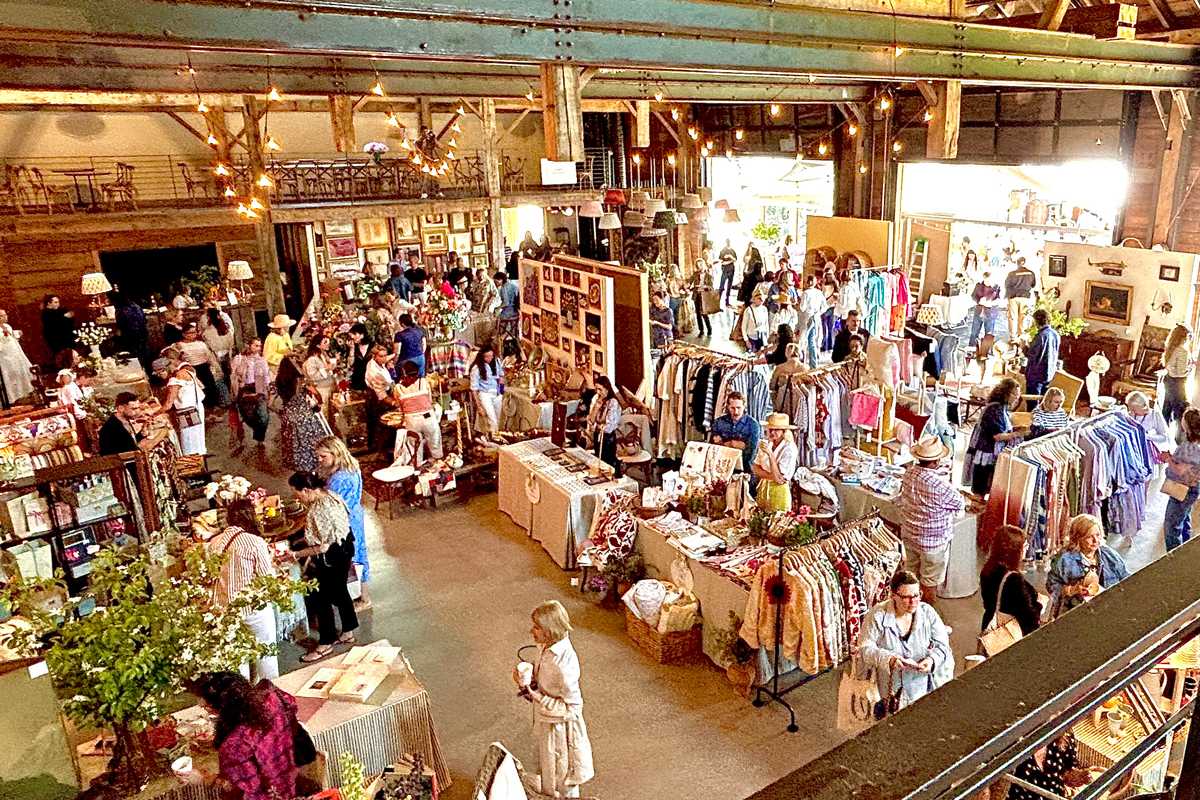
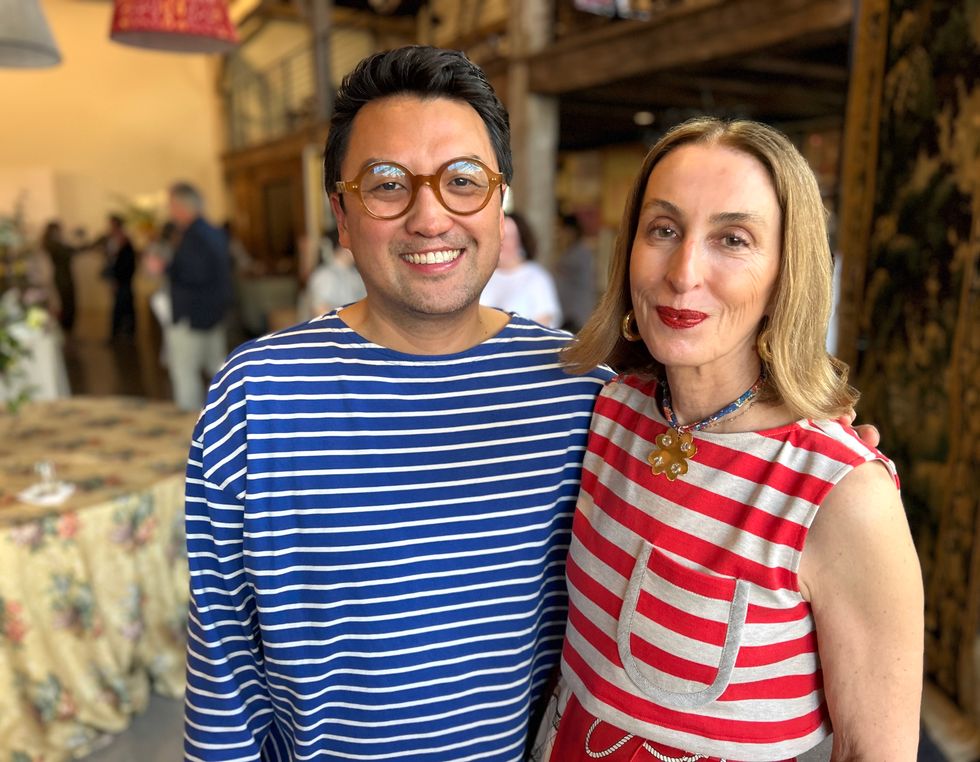
The Ticking Tent Spring Market returns to New Preston Saturday, May 2, bringing more than 60 antiques dealers, artisans and design brands to Spring Hill Vineyards for a one-day, brocante-style shopping event from 9 a.m. to 4 p.m.

Co-founders Christina Juarez and Benjamin Reynaert invite visitors to the outdoor market at 292 Bee Brook Road, where curated vendors will offer home goods, fashion, tabletop and collectible design. Guests can browse while enjoying Spring Hill Vineyards’ wines and seasonal fare.

Keep ReadingShow less
google preferred source

Want more of our stories on Google? Click here to make us a Preferred Source.
google preferred source

Want more of our stories on Google? Click here to make us a Preferred Source.