Thank you!
Your support is sustaining the future of local news in our communities.

Wishing for more fish in the sea

Dear EarthTalk: There’s a lot of talk about overfishing and pollution wreaking havoc in marine ecosystems, but has anyone actually studied if there is less wildlife in the oceans these days?

Melissa Cassidy

Raleigh, N.C.


Environmental advocates do spend a lot of time harping about threats to our oceans, but sadly for all of us the facts bear out the concern. According to the World Wildlife Fund (WWF), population numbers for the majority of marine wildlife species have declined by half since 1970, with many species down as much as 75 percent. Furthermore, a third of all fish stocks are overfished and one in four species of cartilaginous fish (sharks, rays and skates) are living on the brink of extinction. “Driving all these trends are human actions: from overfishing and resource depletion, to coastal development and pollution, to the greenhouse gas emissions causing ocean acidification and warming,” says WWF’s Senior VP for Oceans Brad Ack.

Another recent study by University of British Columbia researchers corroborates WWF’s findings, concluding that the biomass of predatory fish in the world’s oceans has declined by some two-thirds over the last 100 years, and the decline is accelerating, with 54 percent of it occurring in the last 40 years.

No doubt these changes are happening partly as a result of overfishing. According to the United Nation’s Food & Agriculture Organization (FAO), nearly 90 percent of the world’s marine fish stocks are either fully exploited, overexploited or depleted.

Efforts to rein in the industry in the U.S. and elsewhere have led to more sustainable practices, but bad actors still ply deep sea waters with destructive trawlers and other gear which not only collect more fish than is sustainable but also inadvertently kill many other marine wildlife in the process.

uuu

There is some hope. Early results of efforts to essentially rope off certain parts of the ocean as “marine protected areas” (MPAs) to let marine wildlife recover are showing promise. A Center for Biological Diversity analysis of 31 marine wildlife populations found that habitat and other protections afforded them under the Endangered Species Act helped them rebound significantly, with three-quarters of endangered marine mammal and sea turtle species increasing population sizes accordingly.

“The Endangered Species Act not only saved whales, sea turtles, sea otters and manatees from extinction, it dramatically increased their population numbers, putting them solidly on the road to full recovery,” says the Center for Biological Diversity’s Shaye Wolf. “Humans often destroy marine ecosystems, but our study shows that with strong laws and careful stewardship, we can also restore them, causing wildlife numbers to surge.”

Another way to stop or slow the overexploitation of marine resources would be to end the approximately $20 billion in yearly subsidies for harmful fisheries that encourage destructive practices. The World Trade Organization has pledged to set new targets by mid-2019 that would require member nations to reroute any such subsidies toward investments in sustainable fisheries, aquaculture and coastal community development to reduce pressure on fish stocks. But even if such a drastic restructuring of the fisheries economy takes place, environmental leaders worry it may be too little too late.


      EarthTalk is produced by Roddy Scheer and Doug Moss. Send questions to questions@earthtalk.org.

Latest News

The art of getting into art school

The art of getting into art school

Hudson Valley Regional Portfolio Day returns to Poughkeepsie.

Provided

For a young artist considering college, the question isn’t simply whether the work is good enough. It’s which work to show, which school might be the right fit and even whether a creative life can lead to a sustainable career.

On Friday, Oct. 16, hundreds of aspiring artists will have the opportunity to explore those questions at Hudson Valley Regional Portfolio Day, presented by The Art Effect at the MJN Convention Center in Poughkeepsie.

Keep ReadingShow less
A colorful life together at Atelier Valla

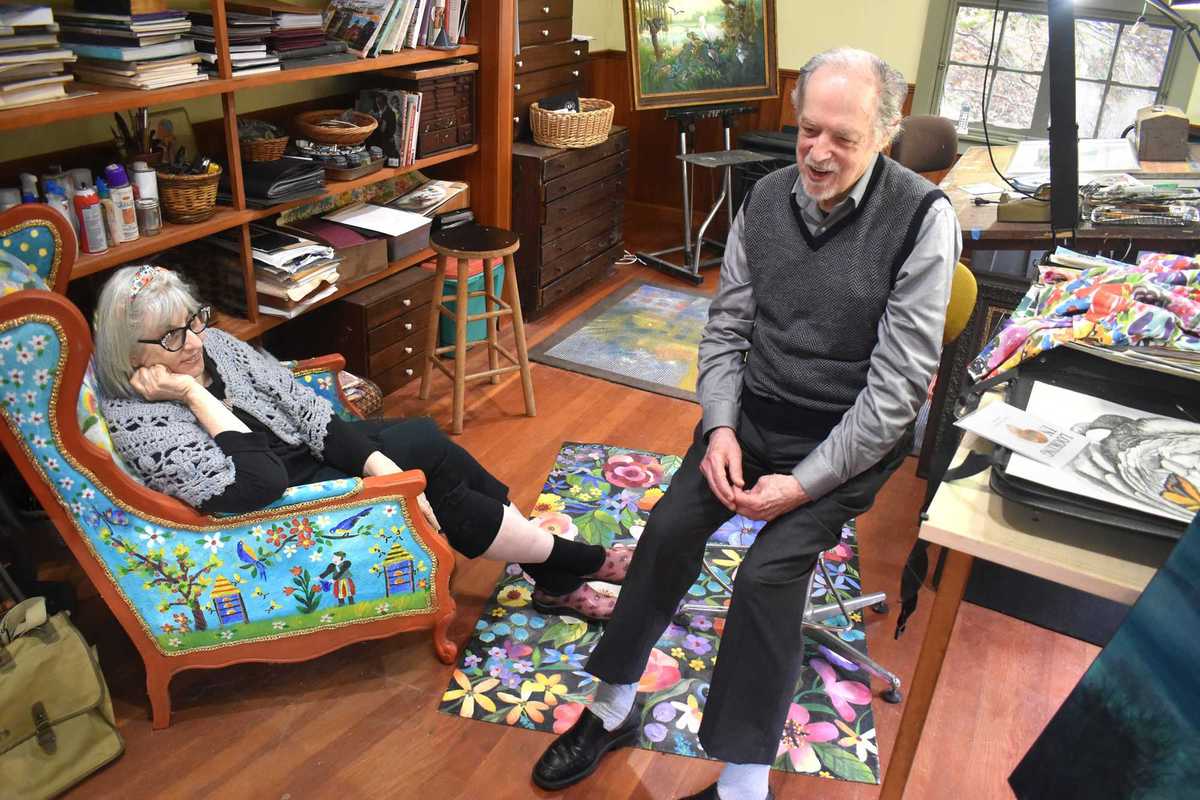
Textile designer Justine Valla sits in her father’s chair, which she painted, alongside her husband, illustrator and muralist Victor Valla, in their Atelier Valla studio.

L. Tomaino
I lost the ability to paint after the accident. I struggled to paint again.
— Justine Valla

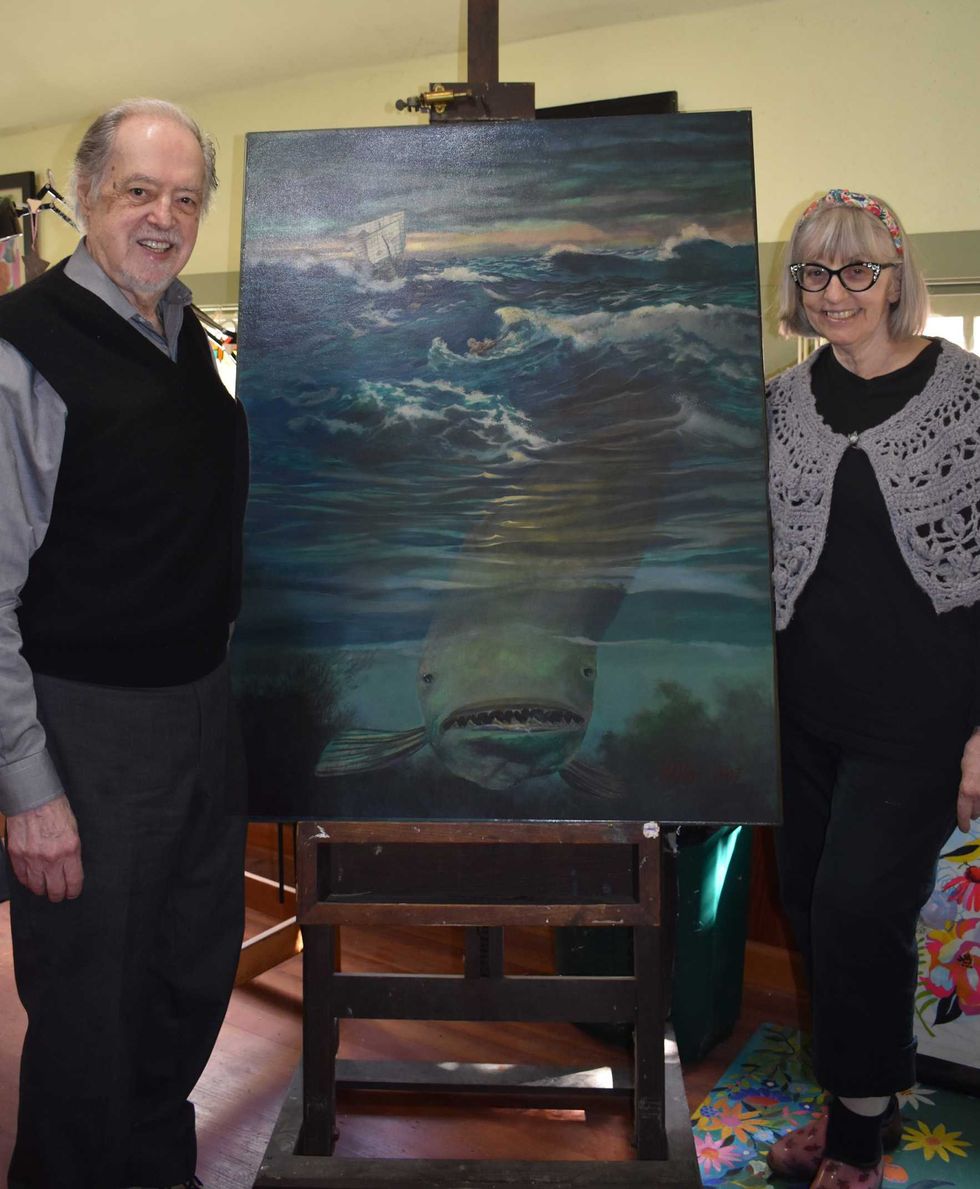
Husband and wife Victor and Justine Valla share a lavender and pink studio, Atelier Valla, across the driveway from their pink house, nestled into a hillside in Salisbury. The colors, said Justine, “were inspired by Monet’s house at Giverny.”

Creating art has been a lifelong pursuit for both.

Keep ReadingShow less
David Ruchman’s “Acquired Taste”

Filmmaker David Ruchman

Bleacher and Everard Photography

In a region known for its vibrant but geographically scattered arts community, discovering something new can require a little effort. The same might be said for finding a new place for an extraordinary meal. While the Northwest Corner, Berkshires and Hudson Valley have no shortage of creative talent, opportunities to experience it — whether on a stage, in a gallery or on a plate — aren’t always just around the corner.

In David Ruchman’s short film “Acquired Taste,” that challenge becomes the premise for an unlikely friendship between Nick, an aspiring young food critic living in an area with limited dining options, and a gruff New York City master chef.

Keep ReadingShow less
google preferred source

Want more of our stories on Google? Click here to make us a Preferred Source.

Follow the Clay Way for ceramic delights

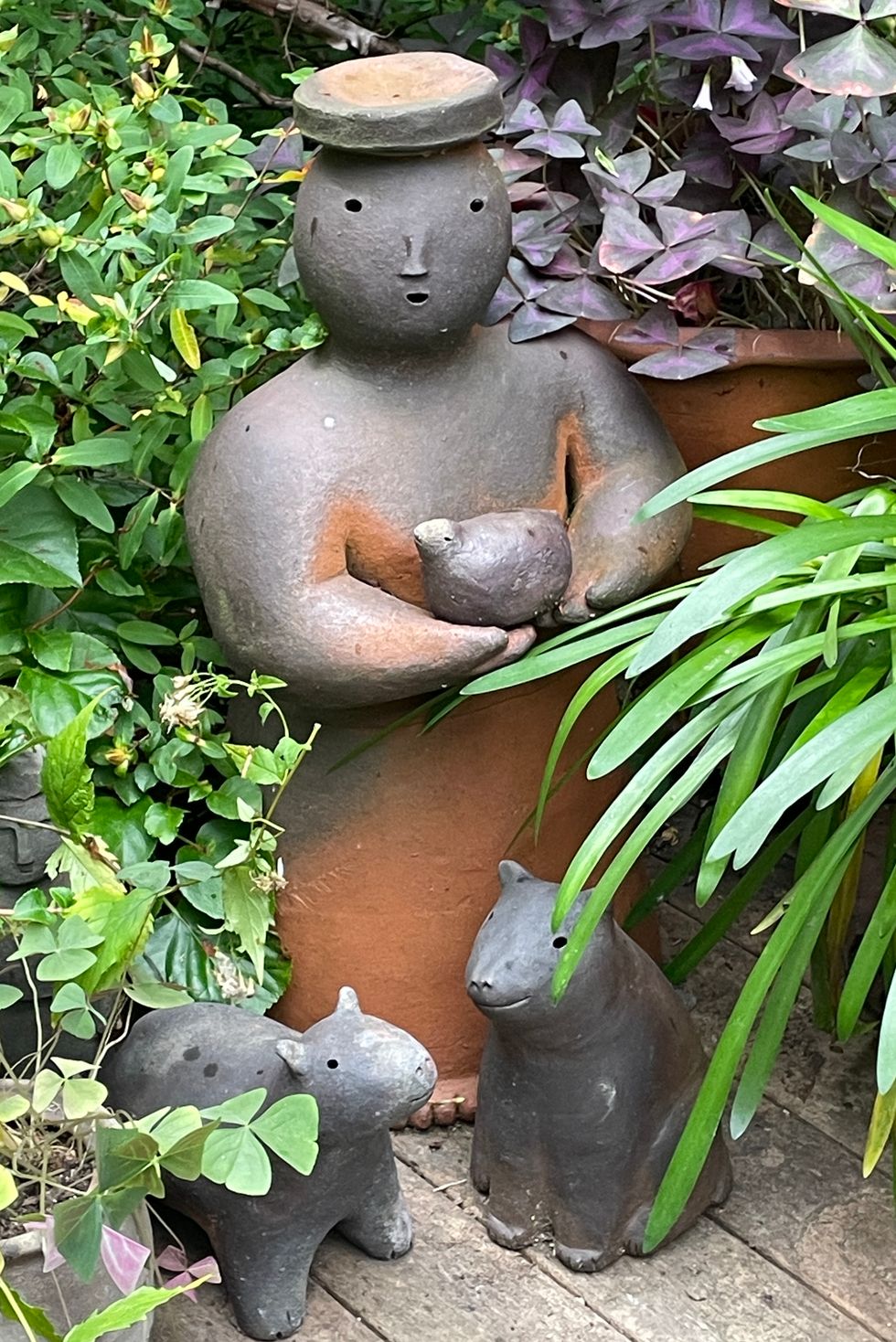
Jane Herold’s beautifully simple dinnerware.

Provided

As the leaves across Litchfield and Dutchess counties rush to make it to the ground, your last chance to peep autumn is fast approaching. On Oct.17 and 18, the 10th annual Clay Way offers peepers a route to follow lined with unique art that rivals the area’s natural beauty.

The two-day event is a ceramics-focused open studio tour through northwestern Connecticut, with a few studios peppered in just over the border in Dutchess County. Featuring nine open studios and 25 participating artists, the tour promises a wide variety of work, from decorative objects to grand vessels and a whole world in between.

Keep ReadingShow less
A new home for the unexpected at Kent Fine Art

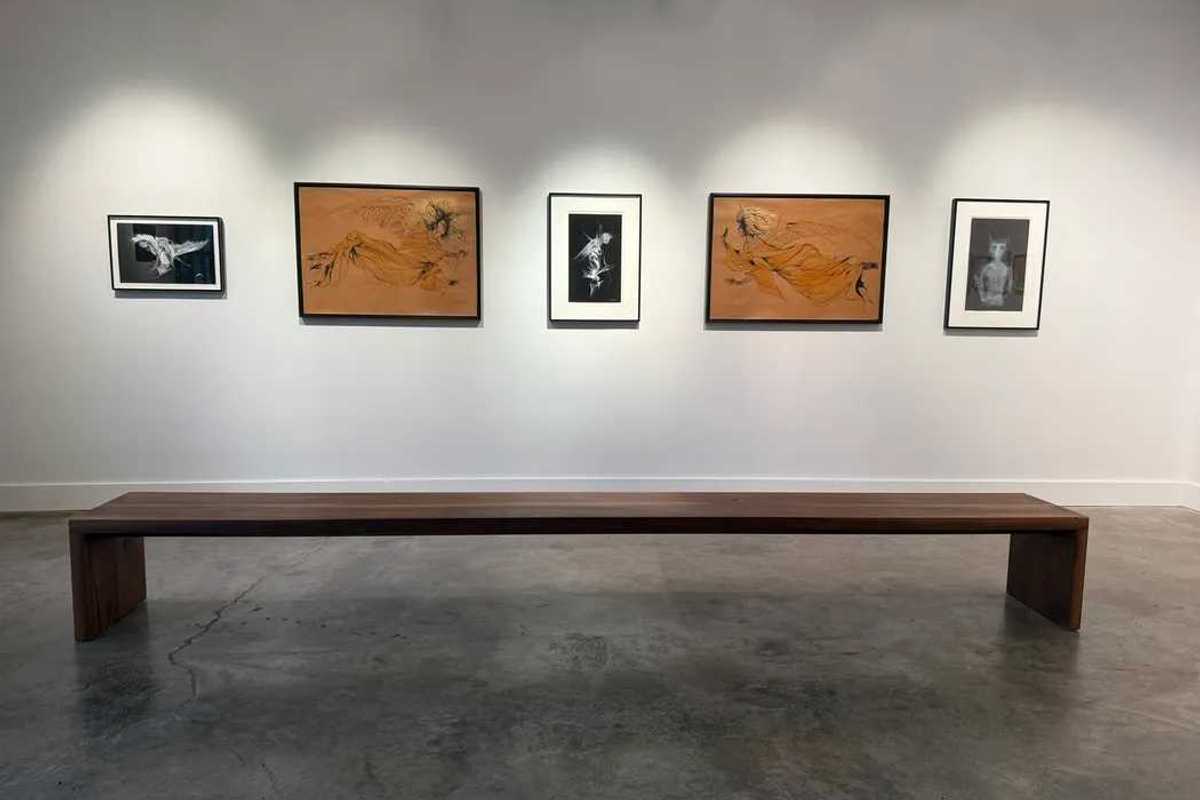
CAMERON (1922-1995) is on view at Kent Fine Art in Pine Plains through Nov. 14.

Provided

Where can one find the work of an artist associated with occult rituals, surrealist visions and the underground California art scene? In a beautifully renovated former carriage house in Pine Plains, of course.

Unexpected discoveries are, after all, part of what Doug Walla has spent his career making possible. The longtime New York City art dealer and founder of Kent Fine Art, has brought the work of Marjorie Cameron Parsons Kimmel, known simply as Cameron, to his new gallery space. The exhibition, on view through Nov. 14, introduces visitors to an artist whose life and work moved between mysticism, poetry, film and the avant-garde.

Keep ReadingShow less

A new home for Stateline Auctions

A new home for Stateline Auctions
D.H. Callahan

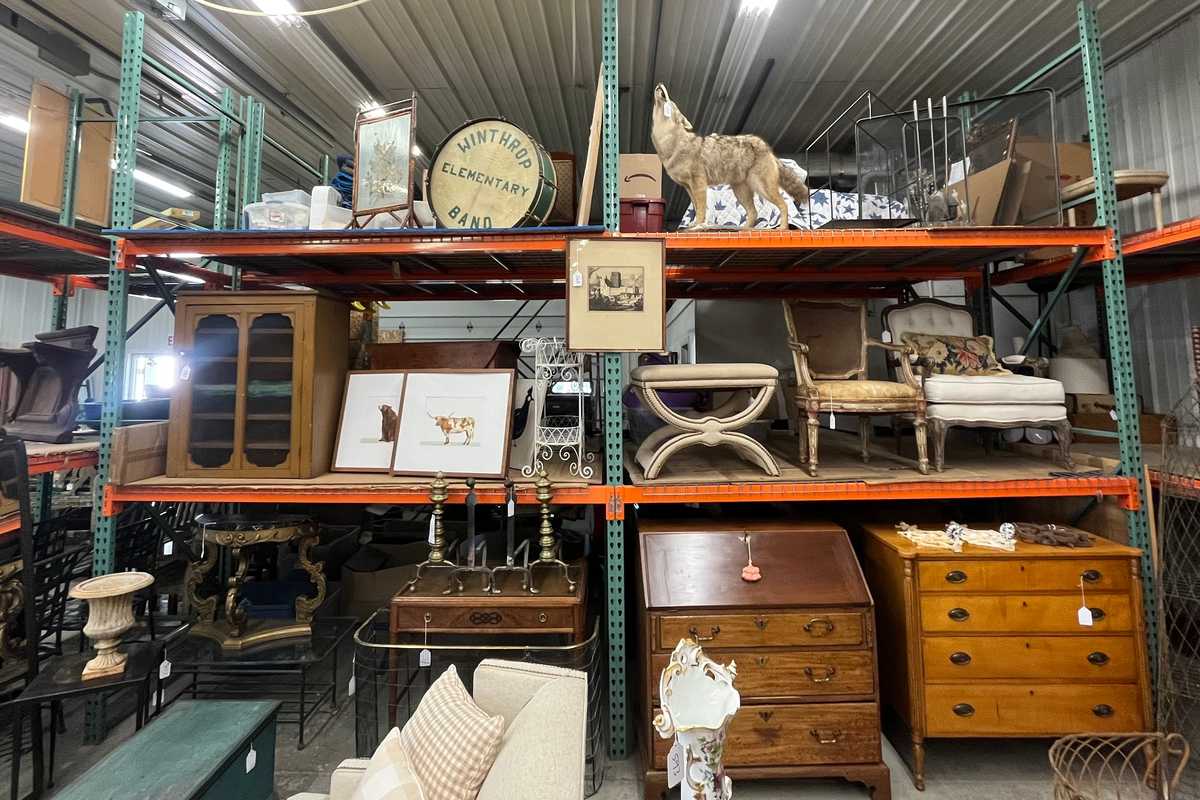
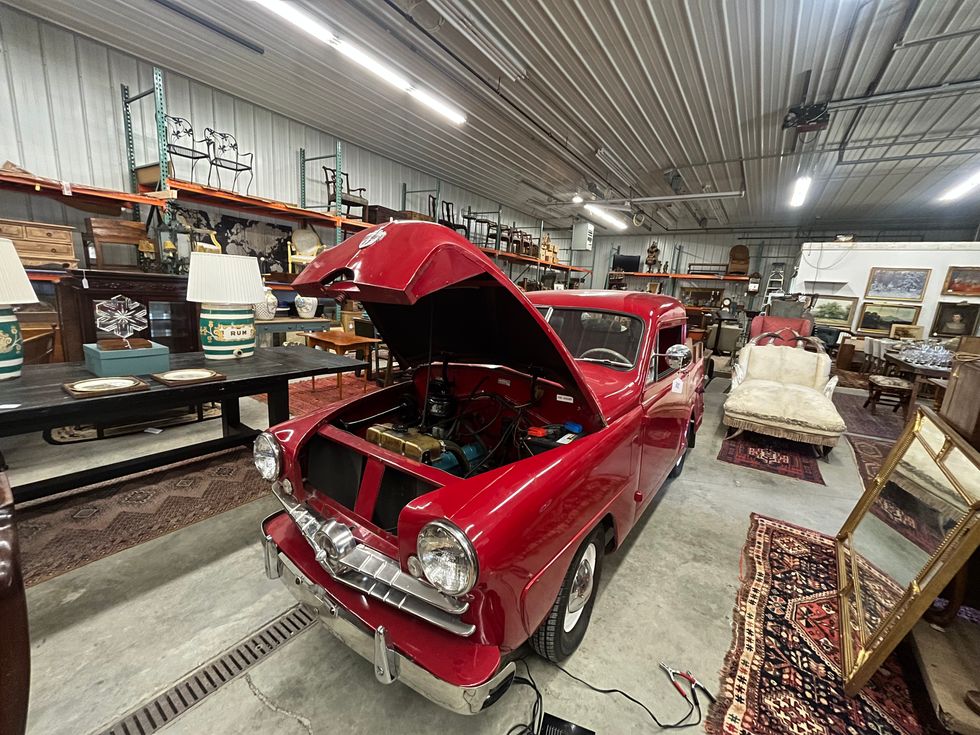
If you’ve driven through North Canaan in the last month, you may have noticed that the big storefront windows at the intersection of Main and Railroad Streets, usually packed with antiques and art, are empty. Stateline Auctions has moved.

Stateline was started by Tommy Matteo and Bruce Kolbacher in 2011. Matteo had already been in the auction world for 15 years and had worked with Kalbacher, an antiques store owner, before they set up shop in North Canaan.

Keep ReadingShow less
google preferred source

Want more of our stories on Google? Click here to make us a Preferred Source.

google preferred source

Want more of our stories on Google? Click here to make us a Preferred Source.