It will create an unparalleled opportunity for residents to enjoy the river and nature near downtown North Canaan.
—Catherine Rawson, Executive director of NCLC
CANAAN — A 245-acre riverfront property in North Canaan is a major step closer to permanent protection after the Northwest Connecticut Land Conservancy (NCLC) secured a $1.5 million state grant to help acquire it. The tract, one of the largest remaining undeveloped stretches along the Housatonic River in Northwest Connecticut, had previously been approved for residential subdivision.
The grant, announced June 26 and awarded through the Connecticut Department of Energy and Environmental Protection’s Open Space and Watershed Land Acquisition (OSWA) Grant Program, will support preservation of more than a mile of Housatonic River frontage and more than a half-mile along the Blackberry River where it joins the Housatonic in the Weatogue Valley.
According to NCLC Executive Director Catherine Rawson, preserving the property will protect one of the last major unprotected landscapes along the Housatonic River corridor from future development.
NCLC is purchasing the property from H. Bruce McEver, who had received approval for a 20-lot subdivision on the land before abandoning the project last year, clearing the way for the conservation purchase.
The acquisition would conserve what NCLC describes as the largest contiguous tract of unfragmented riverine and interior forest habitat remaining on the east side of the Housatonic River between the Massachusetts border and Connecticut’s Great Falls.
Just as importantly, the project would complement thousands of acres already protected across the river in Salisbury, helping create an expansive, permanently conserved landscape spanning both sides of the federally designated National Wild and Scenic Housatonic River.
“With the support of our members, partners and the North Canaan community, NCLC is advancing the protection of one of the largest remaining stretches of undeveloped riverfront and forest habitat along the Housatonic River,” said Rawson. “It will create an unparalleled opportunity for residents to enjoy the river and nature near downtown North Canaan.”
The purchase price is $2.25 million, with the state grant covering about two-thirds of the cost. NCLC is seeking to raise about $2.6 million in total to cover the purchase, environmental due diligence, legal and transaction expenses, and the infrastructure and long-term stewardship needed to prepare the preserve for public access.
While the grant marks a major milestone, additional fundraising is still needed before the purchase can be completed. If fundraising is successful and the project stays on schedule, Rawson said NCLC hopes to begin opening the preserve to the public by the summer of 2028.
Several additional land preservation groups were also awarded state preservation grants on June 26.
The Salisbury Association (SA) received two grants: a $124,150 grant to acquire 63 acres along Routes 7 and 112 in Salisbury, including 34 acres to be preserved through OSWA where Salmon Kill Creek flows into the Housatonic River. The property adjoins and is part of the Appalachian Trail Corridor. SA also received a $468,000 grant to preserve 96 acres of mostly core forest land on Lincoln City Road in Salisbury.
The Sharon Land Trust Inc. (SLT) was awarded a $243,750 grant to acquire 65 acres on Gay Street. The property slopes from the heights of Red Mountain down to Beardsley Pond, a town drinking water reservoir. The land is surrounded on three sides by conservation properties and connected to thousands of acres of protected land. SLT plans to extend its existing Red Mountain public-access trail to the property.
“Open space provides benefits to residents across Connecticut and makes our state a great place to live,” Gov. Ned Lamont said in making the announcements. “These community assets provide free recreational opportunities and connect our residents to all the health benefits that come from spending time outdoors.”
A critical piece of the river corridor
The North Canaan acquisition would permanently conserve a landscape recognized for its ecological, scenic and recreational value along the Housatonic River.
According to Connecticut’s Natural Diversity Database, the property provides habitat for 10 state-listed species, including the northern long-eared bat, mudpuppy, wood turtle and skillet clubtail dragonfly. The northern long-eared bat is also listed as federally endangered. The property also supports several rare plant species and contains prime farmland soils considered important statewide.
Once completed, the preserve will offer hiking, wildlife observation, fishing and other low-impact recreation using existing woods roads and gentle terrain. Within walking distance of downtown North Canaan, it will expand public access to open space while strengthening connections to the Appalachian Trail, Twin Lakes and the Housatonic Heritage Area’s Hou-Bike-Walk Trail.
North Canaan First Selectman Jesse Bunce called the project “an incredible opportunity for our community.”
“Protecting this land will preserve an important part of North Canaan’s natural heritage while creating new opportunities for residents and visitors to enjoy the outdoors,” Bunce said in a statement. “We appreciate the partnership of NCLC and the State of Connecticut in making this investment in our town and future generations.”
Founded in 1965 and based in Kent, NCLC is the state’s largest land trust, protecting more than 14,400 acres across Litchfield and northern Fairfield counties. Its portfolio includes public hiking preserves, working farms, rivers and streams, and habitat supporting numerous rare and endangered species.


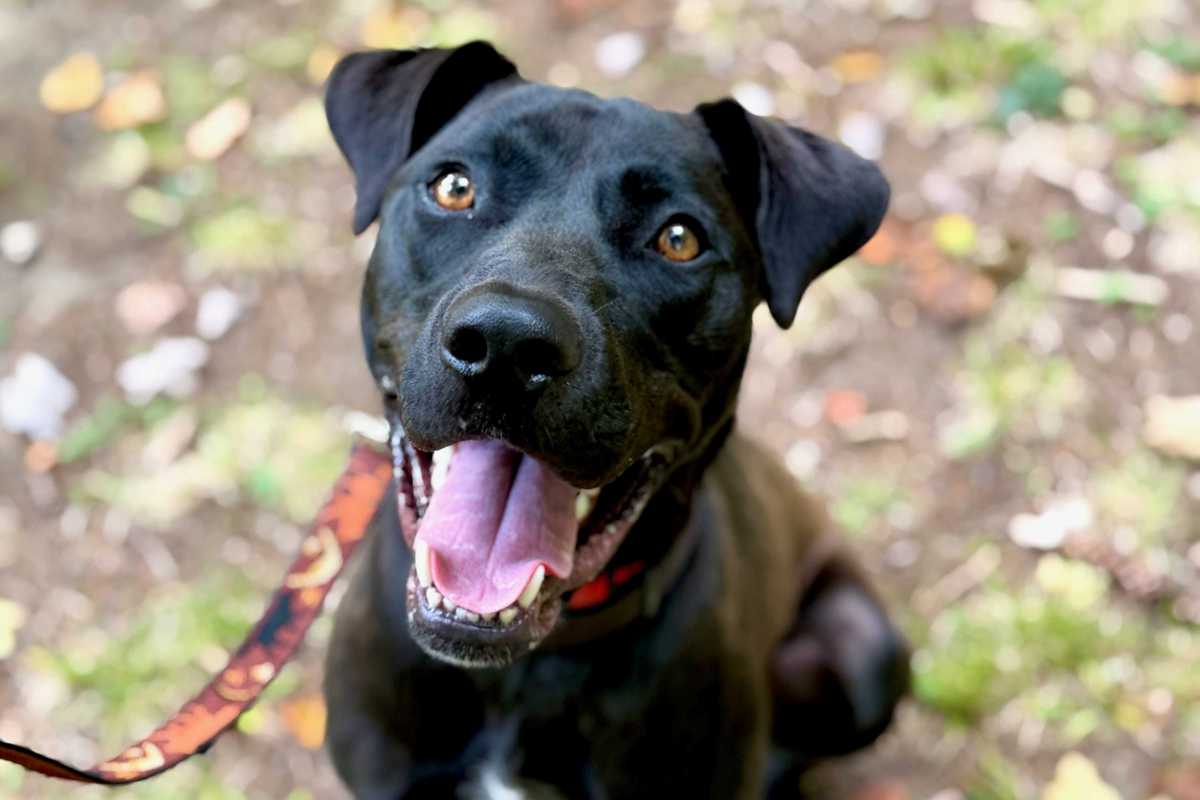
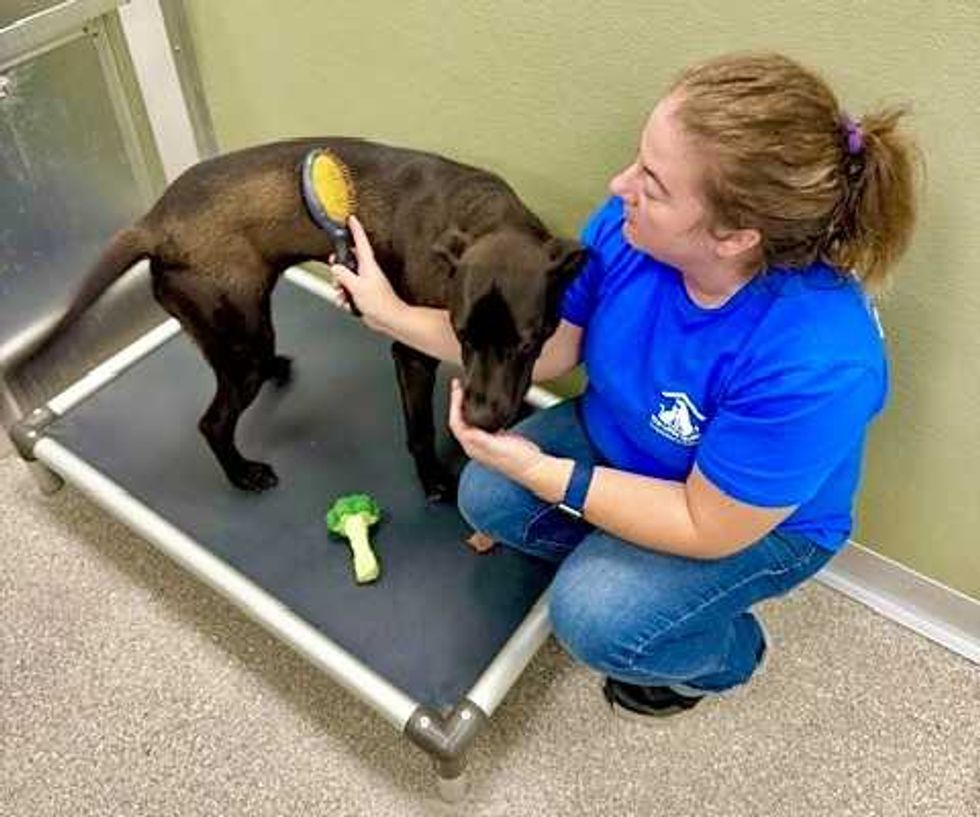 Tiffany Lemelin, shelter manager, brushing Marsala upon arrival.Provided
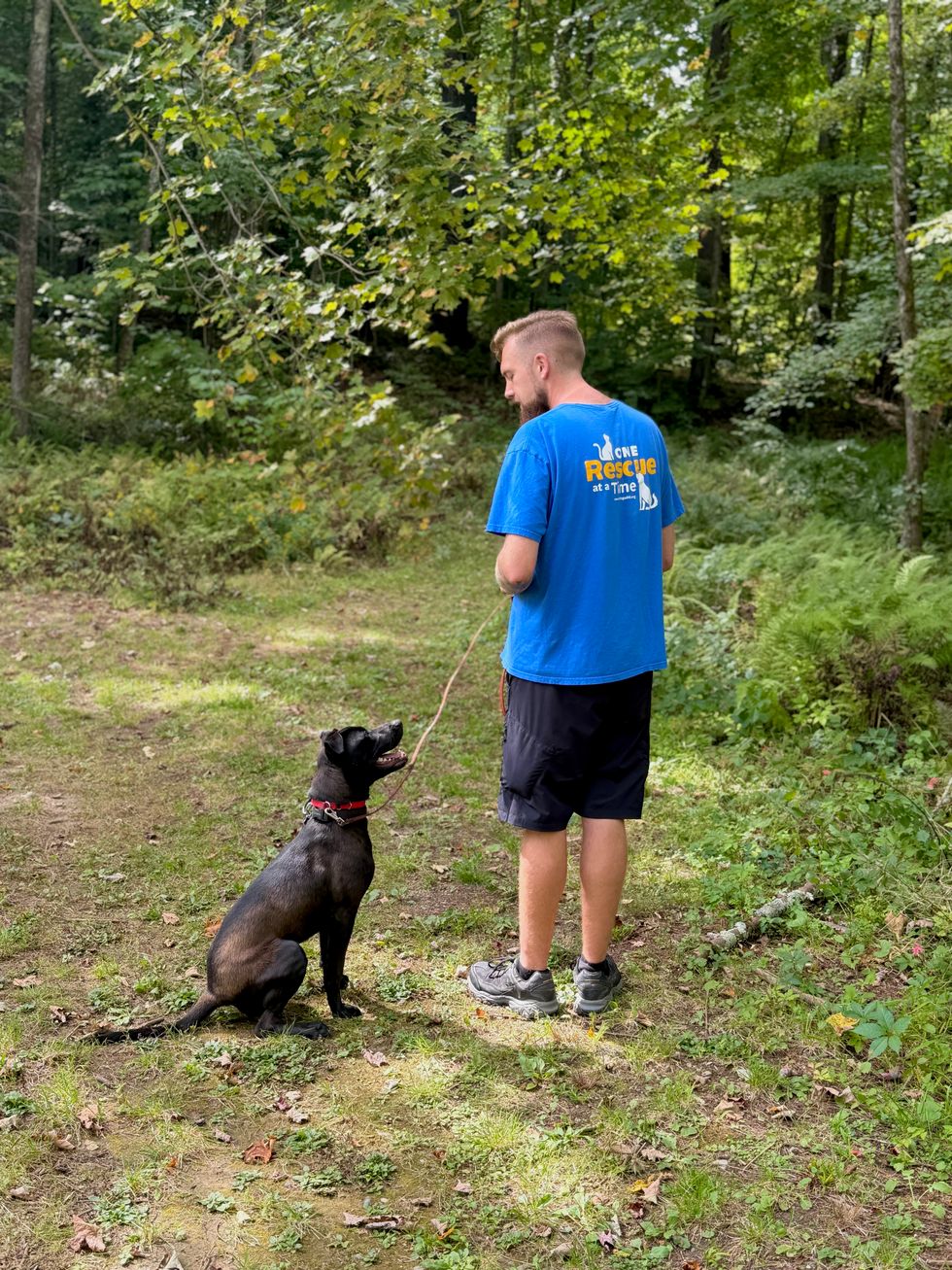 Michael DeBarba, certified dog trainer working with Marsala.Jennifer Almquist
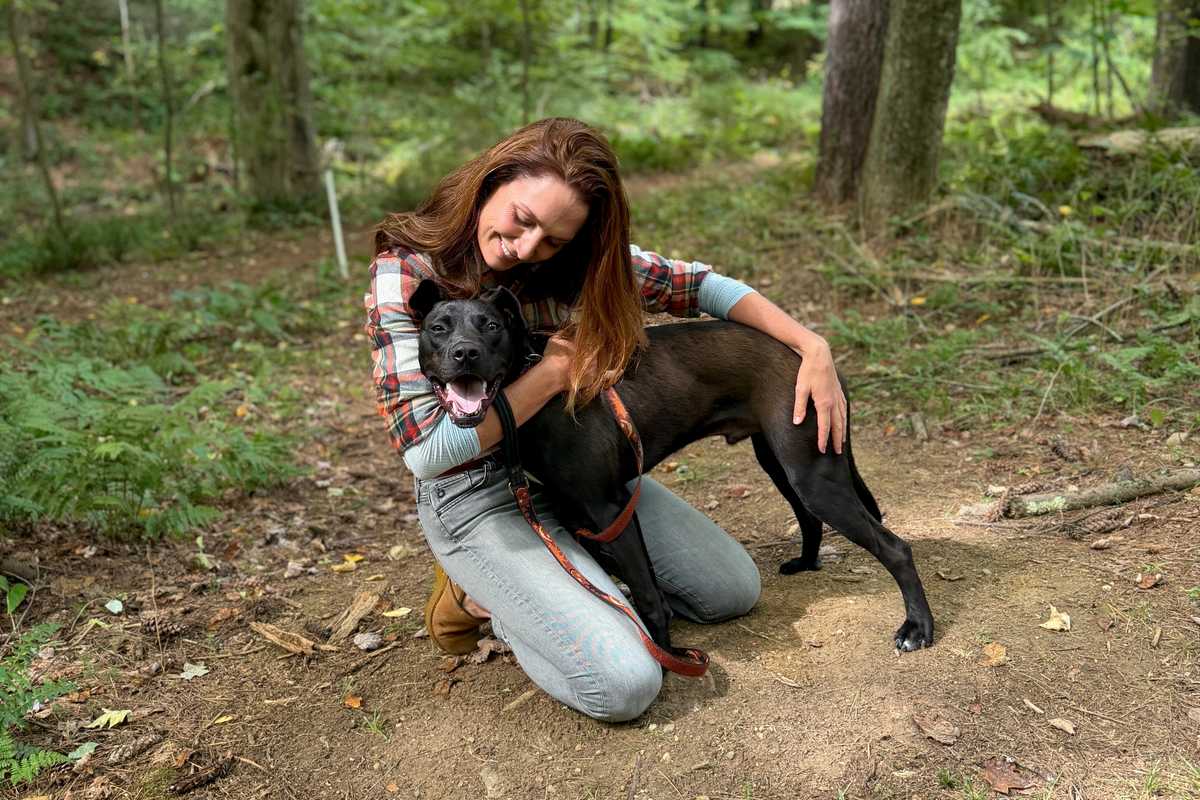 Marsala wins a heart.Jennifer Almquist
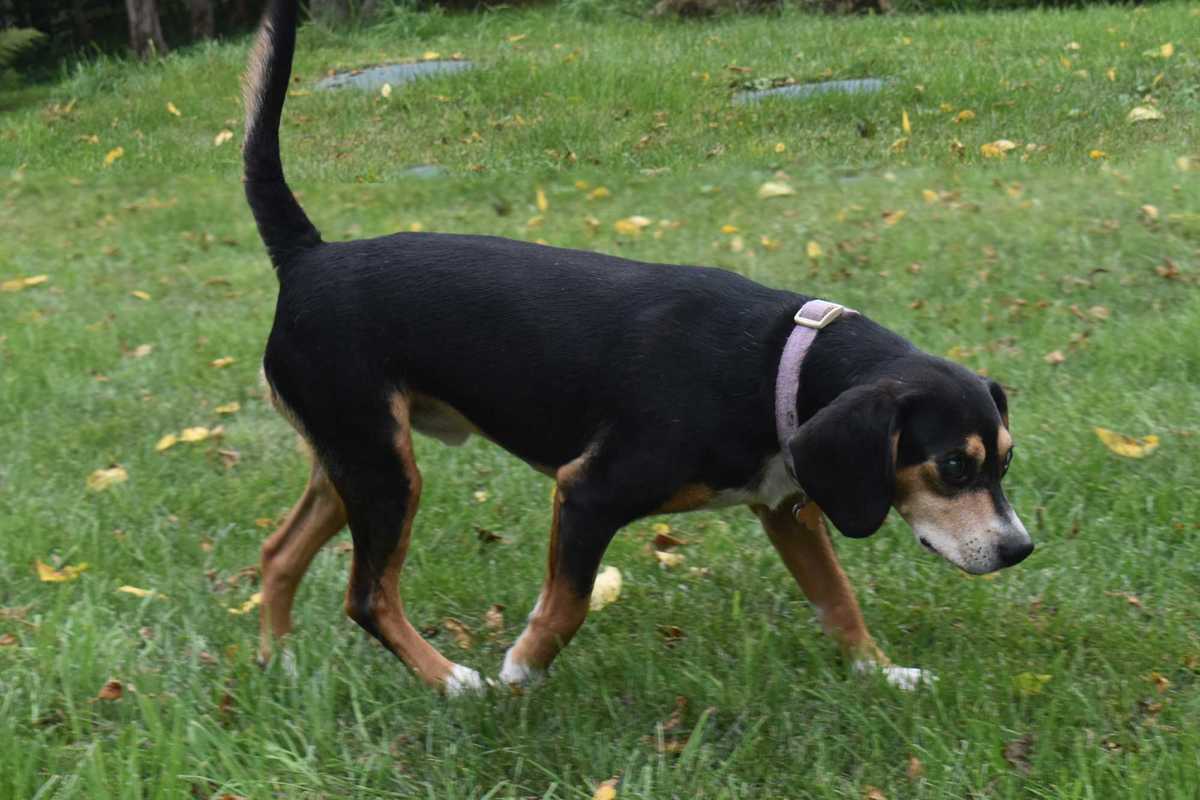
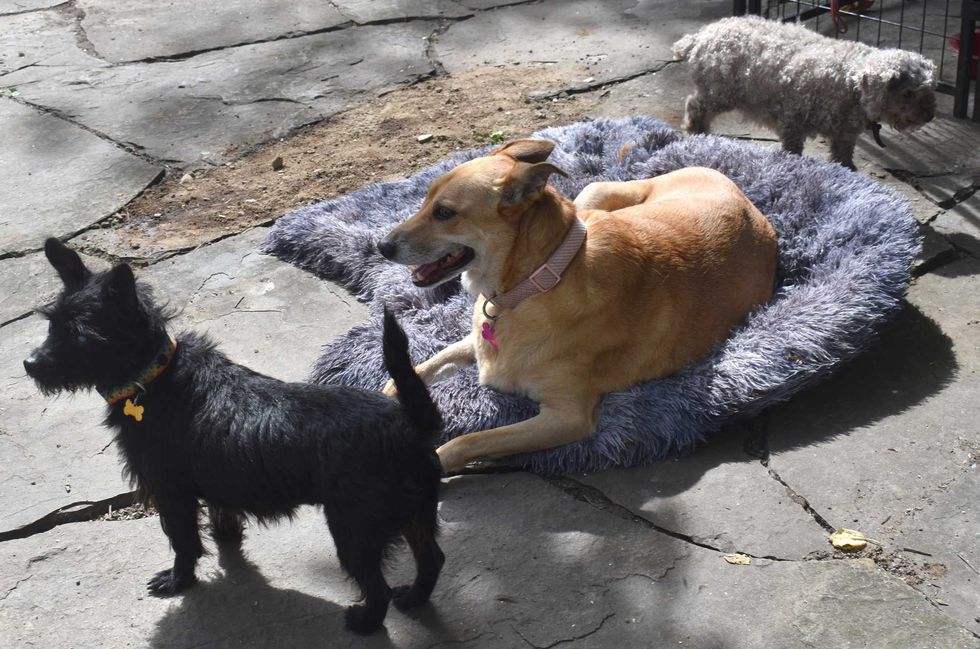 Sadie, center, a Carolina dog, plays with her friend Negra, a terrier mix. Bella Linda, the small poodle, has since been adopted.L. Tomaino
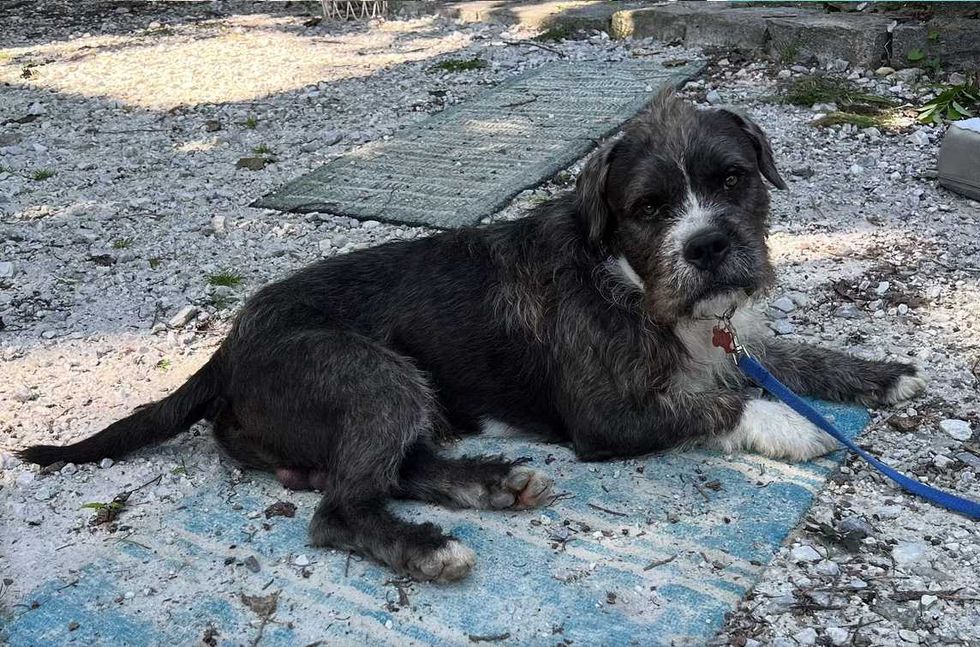 Wesley, a young, exuberant mix, is looking for an active home.L. Tomaino
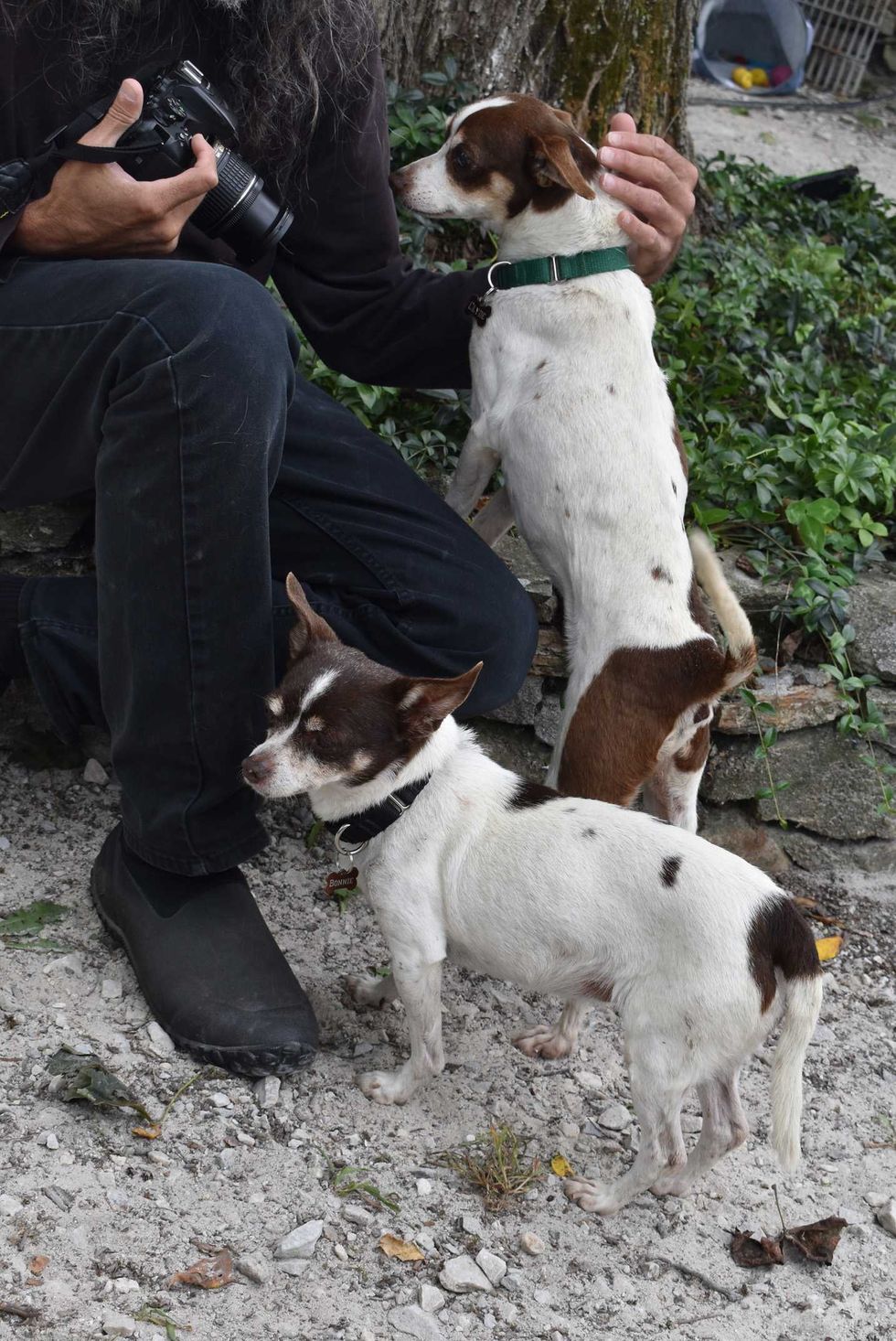 Bonnie and Clyde, an affectionate terrier pair.L. Tomaino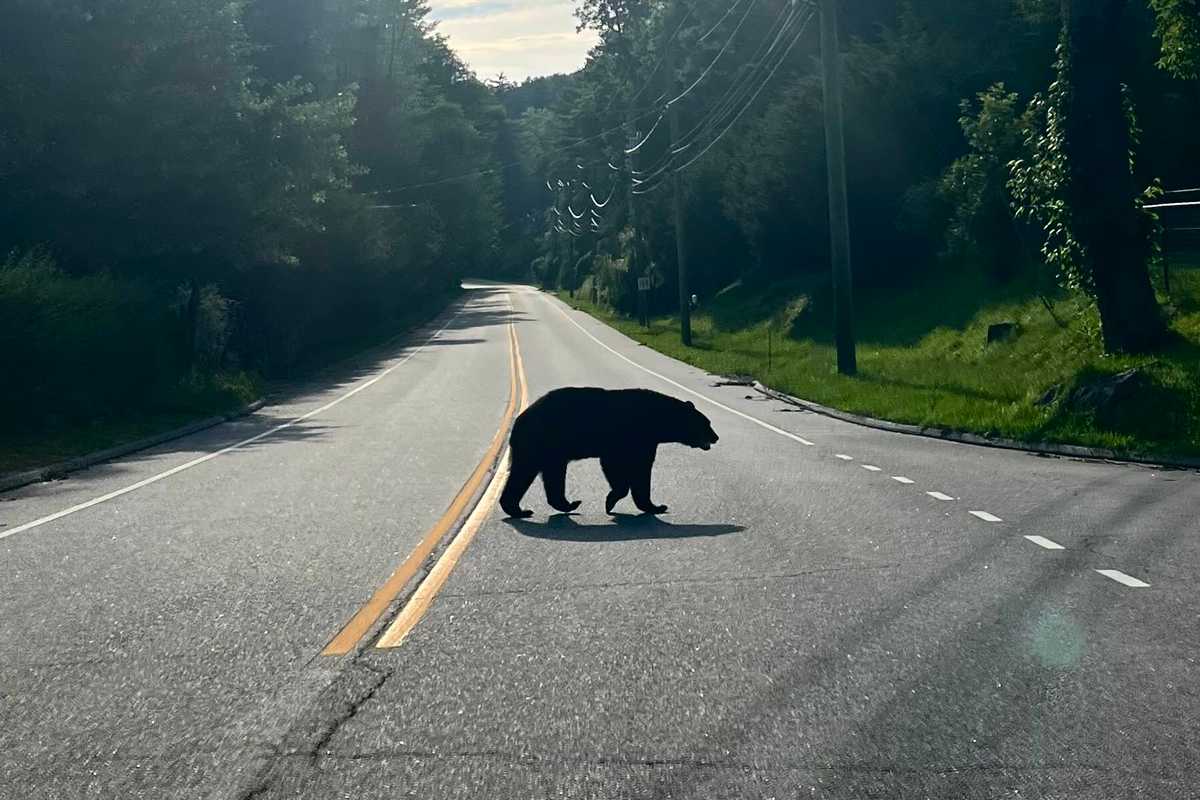
 Provided