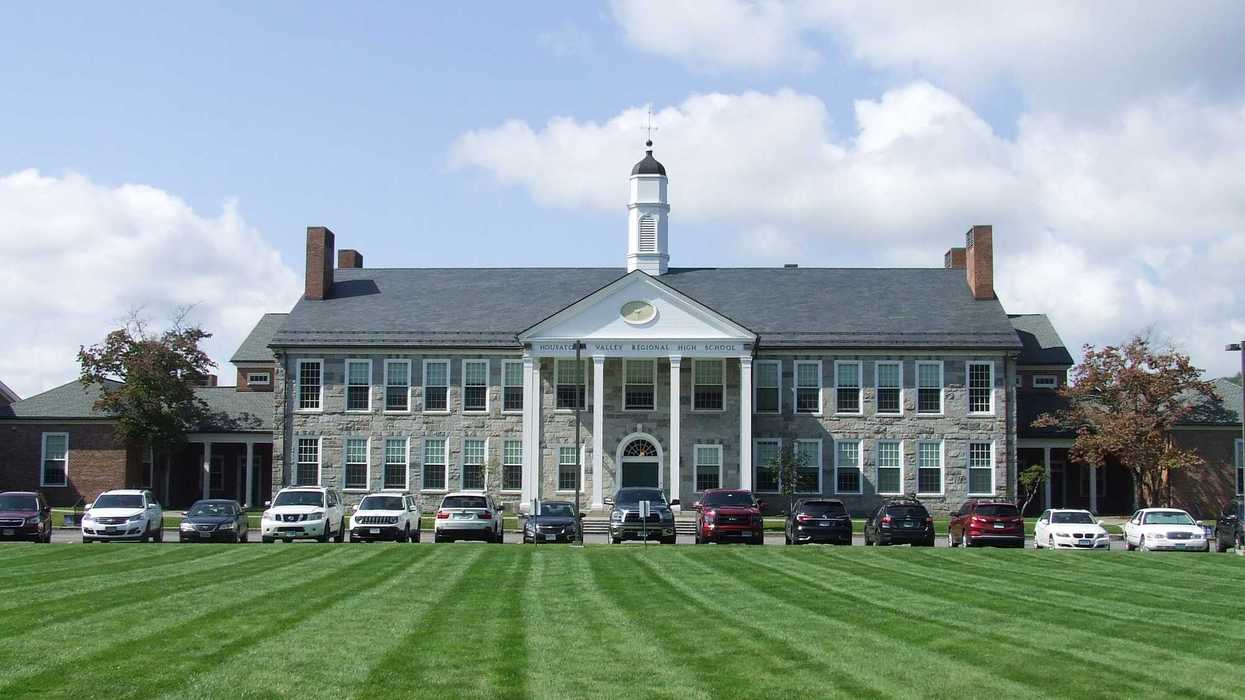
One of the many extracurricular offerings at Housatonic Valley Regional High School is Envirothon, a unique competition that challenges students to explore and learn about environmental conservation.
The team, which originally formed at HVRHS in 2002, is headed up by David Moran. “Envirothon is North America’s largest Environmental competition for high school students,” Moran said.
The competition consists of two parts — an in-the-field competition and a presentation — covering five key topics. Every year, students have to research and present on soils and land use, forestry, aquatics, wildlife biology and a changing “current issue.” This year’s current issue focuses “non-point source pollution,” Moran said, which means pollution that can’t be traced back to a single particular source such as rain runoff washing pollutants into a watershed.
On paper, it’s an annual competition and display of knowledge and teamwork, but for Owen Schnepf, an Envirothon team member, it’s much more. “To me, Envirothon is much more than that one day in May,” Schnepf said. “It is really the season, the entire year that leads up to the competition. This is when we really build teams and learn.”
Housy’s Envirothon team started in 2002, but the competition as a whole has been around for far longer. Moran explained the competition was founded in 1979 in Pennsylvania and originally known as the “Environmental Olympics.” “It was designed as a hands-on, outdoor competition for high school students to test their knowledge of natural resources,” Moran said.
Since its start 24 years ago, the HVRHS Envirothon team has seen consistent success. “In our 24 year history our teams have placed in the top three state teams consistently,” Moran said. “We have won the state event 10 different times, and so competed at North American’s those 10 times. We have won the North American competition against 50+ other teams in 2007, and been in the top 10 on several occasions.”
The Envirothon consists of the two separate parts — an in-the-field component and an indoor presentation. “The works of Emerson, Thoreau, Pinchot, Roosevelt, Leopold, and Carson are all threads in the fabric of our work,” Moran said.
Students work through the year to build an understanding of the five topics. A notable part of the competition, and what Schnepf finds to be the biggest challenge, is the “current issue.” “When we first find out about the current issue topic — usually in the wintertime — we begin with rigorous research,” Schnepf said. “Once we have developed a plan of action, we have to make the slideshow to present to judges. As a team, we prepare to present and answer questions. Every year, we present at FFA Open House, the week before we finally have to do it in front of the judges at the competition”
To prepare for such an event, the Envirothon team is immersed in the world of natural resources and conservation year round. “Teams of five students compete after a year of study in the environmental field, along with workshops led by biologists, technicians, and industry professionals,” Moran said. Schnepf elaborated, saying “This year, Mr. Moran began with what he called ‘inspiration meetings.’ This is when we drove around our area to talk to professionals in the environmental field. So far this year, we have met with professional foresters, environmental analysts, environmental photographers, and land board committee members.”
Schnepf continued with details of the team’s year-long journey. “In the winter time, we begin diving into the material for four of the categories: wildlife, forestry, soils, and aquatics. This is when we nerd out with water testing kits, soil testing kits, animal pelts, tree samples, GPS devices, and so many more gadgets … In the final couple of months of the season, we double down on the current issue.”
In order to learn such a vast amount of material, many may assume that team members are delegated to specific positions. But Schnepf said there is no division of labor.
“There are no formal roles in Envirothon, such as a team captain,” Schnepf said. “People naturally take on responsibilities. Within the first few meetings, you can usually see someone who is leading the group in the right direction. For example, someone who is very good at identifying birds will take charge of the wildlife portion, while someone else who works in a logging business will focus on the forestry.” For such a group dynamic to work, teamwork is an integral part of Envirothon. Schnepf emphasized the necessity of cooperation. “Envirothon is very much comparable to a team sport like volleyball or soccer, where everything depends on how we work together,” he said. “On the competition day, the only way to win is to put our heads together.”
The teamwork building skills are not the only valuable aspect of being a part of the HVRHS Envirothon team, Moran said. “The importance of Envirothon is in developing a life-long land ethic and to develop stewardship practices. In the short term, teamwork, knowledge, fun, scholarships, resume builders,” he said. This is shared by the student team members as well.
Becoming a part of Envirothon does not require much more than a desire to participate. Despite its similar philosophy to Housy’s FFA program, involvement in the FFA program is not necessary to join Envirothon. “There have been many successful Envirothon team members over the past 24 years that were not FFA Members,” Moran said. “The two are not always tied together, but sometimes they are.”

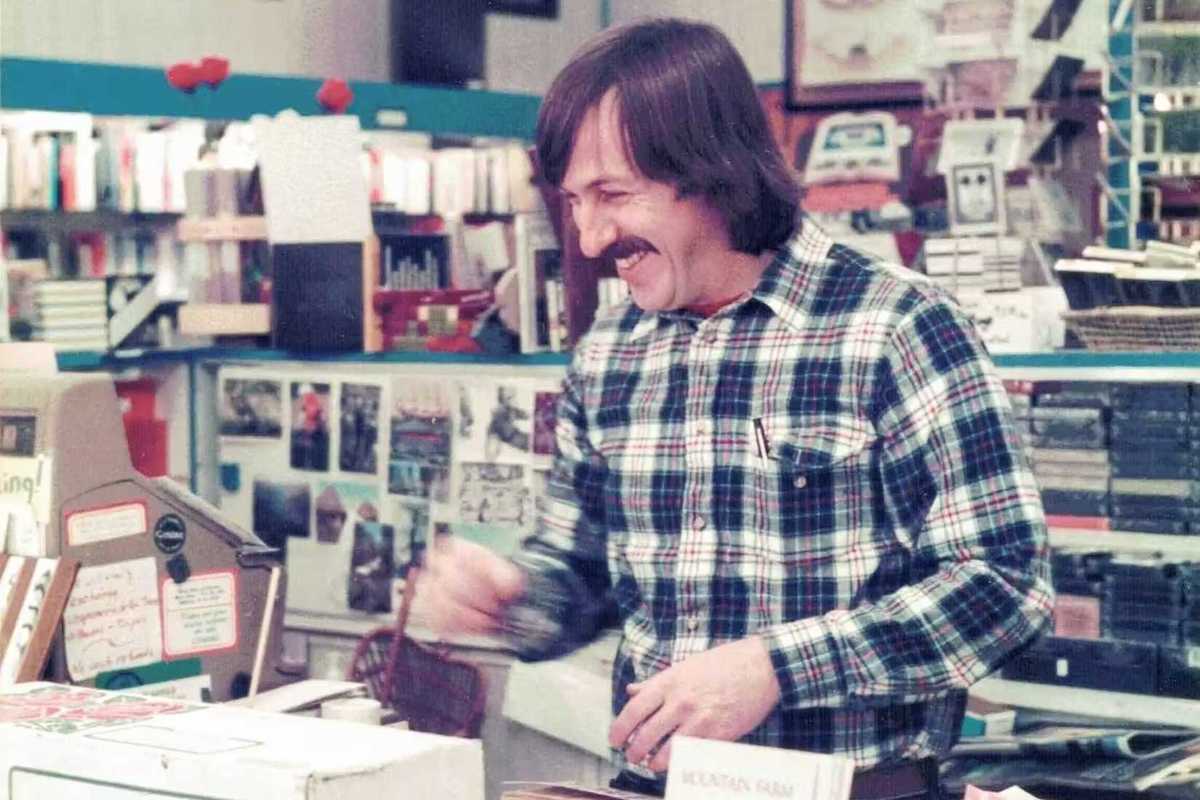
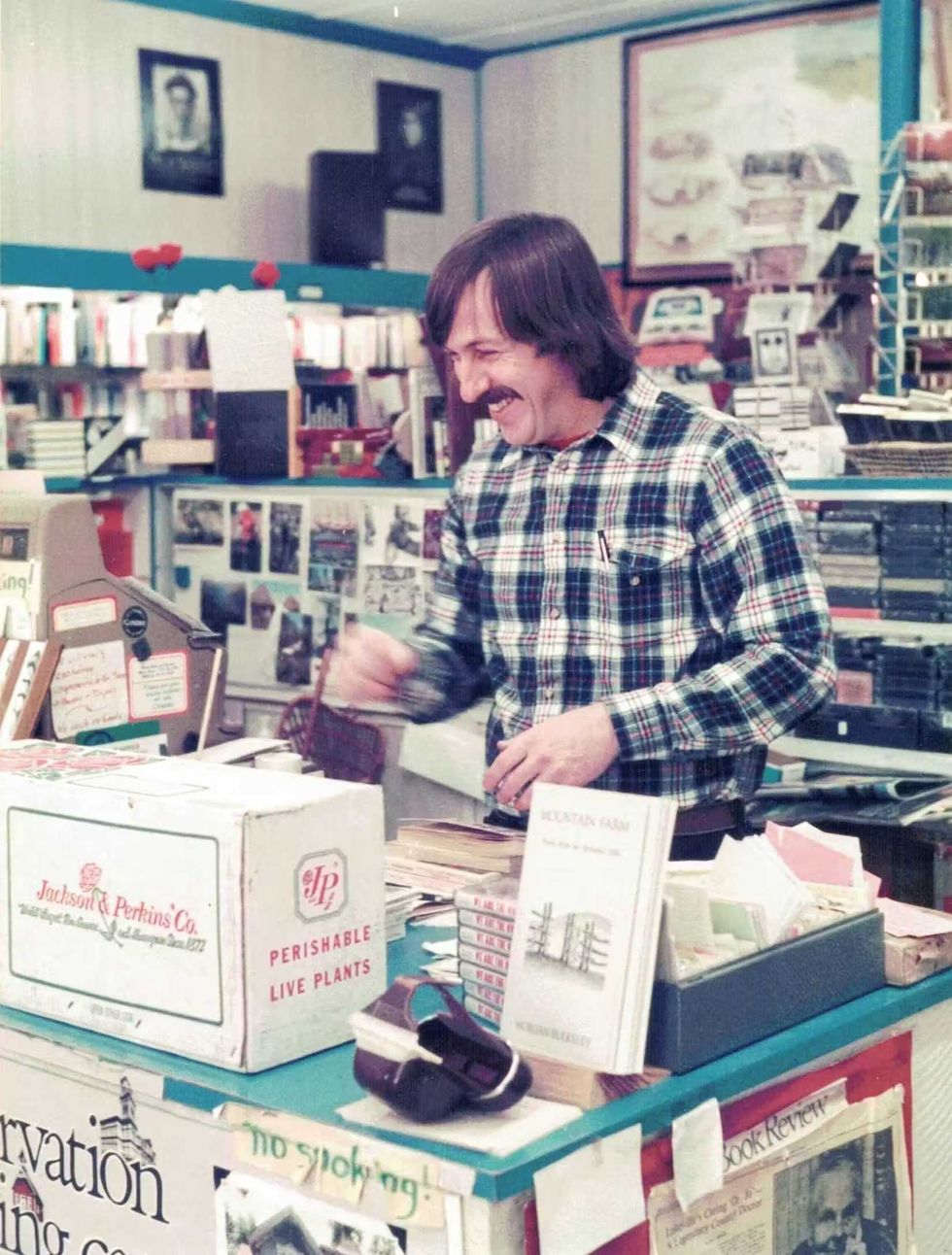 Dick Hermans in the Oblong Bookstore on Millerton’s Main Street in 1985.Provided


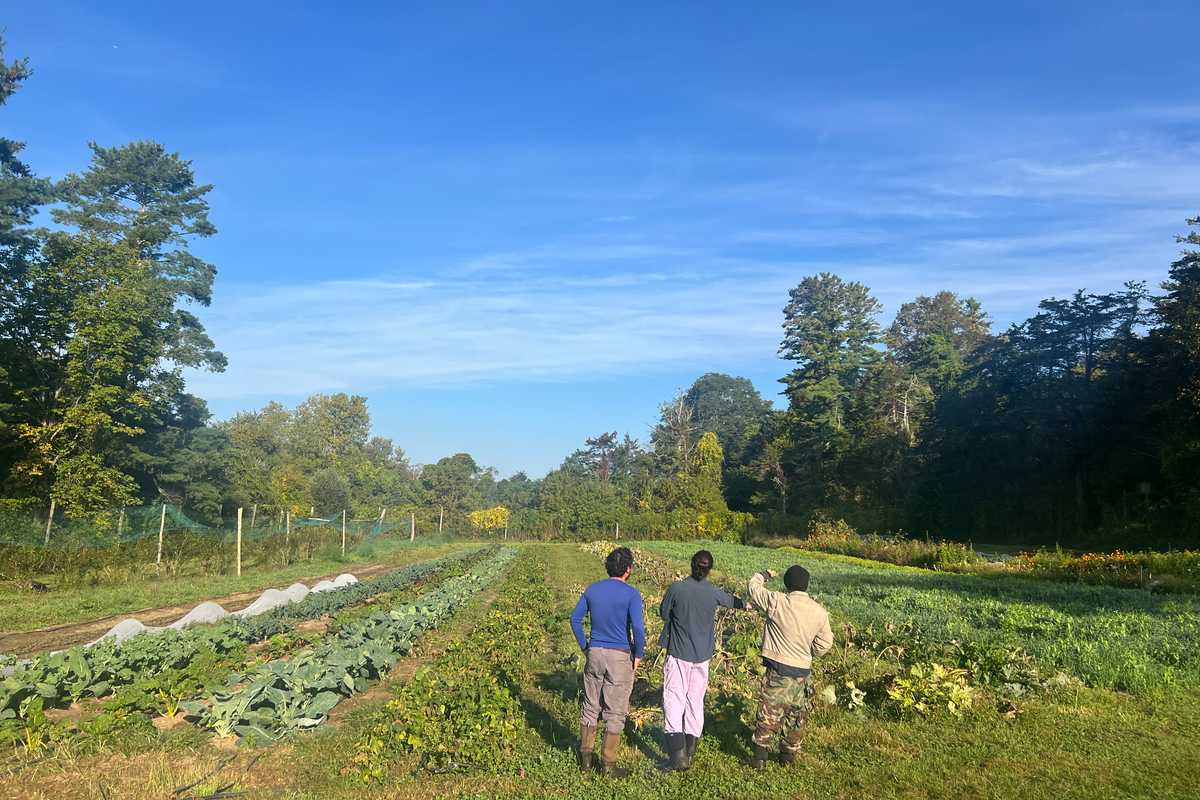
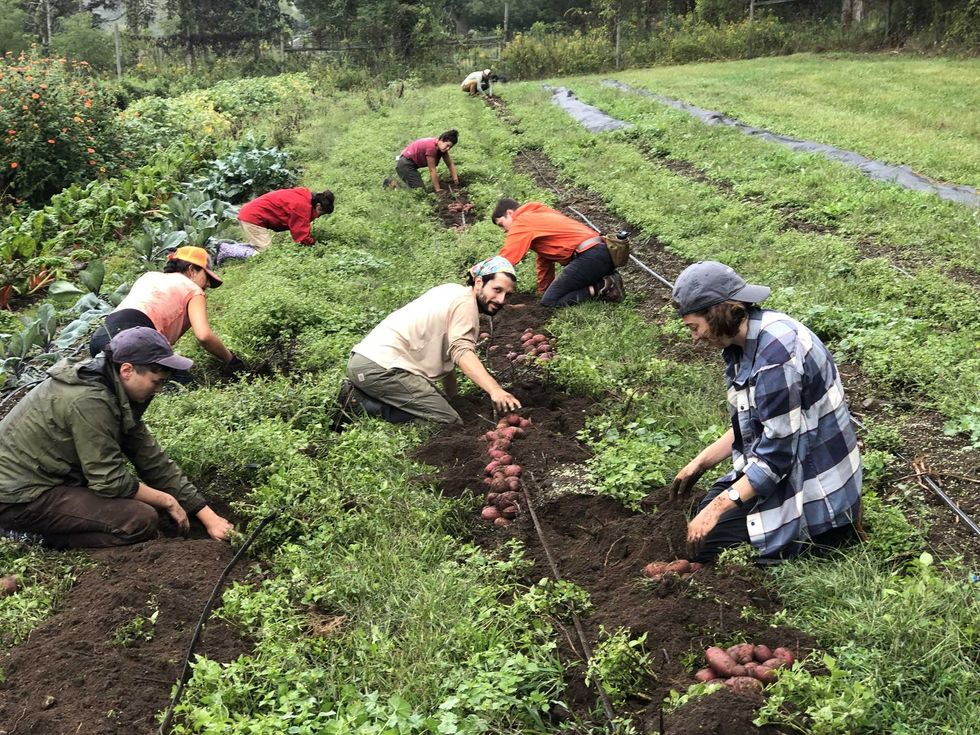 Fall storage crop harvests amid soil building cover crops at Adamah Farm in Falls Village. Janna Siller