When Sharon Hospital was founded in 1909, it was an eight-bed, two-nurse hospital in a rented house on Caulkinstown Road. In its first year, it served 88 patients. By the spring of 1916, thanks to the public-spirited generosity of the community that raised the funds for a building, a 16-bed hospital was officially opened.
The following day Dr. Jerome S. Chaffee, a surgical veteran of the Spanish-American War who was the moving force behind the founding of the hospital, performed an appendectomy in its new emergency room.
Over the years, the hospital underwent more expansion. In a 1969 Lakeville Journal article commemorating Sharon Hospital’s 60th anniversary, its history was described as “written by thousands of dedicated people who founded it, planned its development, staffed its facilities, financed expansion programs and, in many cases, became thankful patients. The article further noted: “A special feeling permeates the whole institution. Letters from appreciative patients and relatives emphasize the fine quality of patient care and the friendly, helpful spirit of everyone involved.”
While Dr. Chaffee is credited with starting Sharon Hospital, the success of the hospital as a cherished community institution that has provided acclaimed care for patients for all these decades is also due to the support from the people in our community. From the beginning, two years after the first patient was treated, a woman’s auxiliary was started, with 40 charter members who made bed linens, provided free meals for special occasions and pinch hit for staff when there was a shortage. The dream of Dr. Chaffee was realized in his lifetime. He died in 1947, and the hospital has grown and been supported decade after decade by an appreciative community. However, in the last two decades, it has changed hands more than once. In 2002 it became the first for-profit hospital in the state. In a 2016 takeover, it again became a nonprofit. Then in 2019, a merger folded seven hospitals, including Sharon Hospital, into Nuvance Health.
Last week, Northwell Health, the largest nonsectarian, nonprofit health care operation in the United States and the largest health care provider in New York state, announced that Nuvance and Northwell would combine. (See Nuvance hospital system to merge with Northwell Health). Pending state and federal approval, Sharon Hospital will join with Northwell, marking yet another significant milestone in the history of our rural hospital.
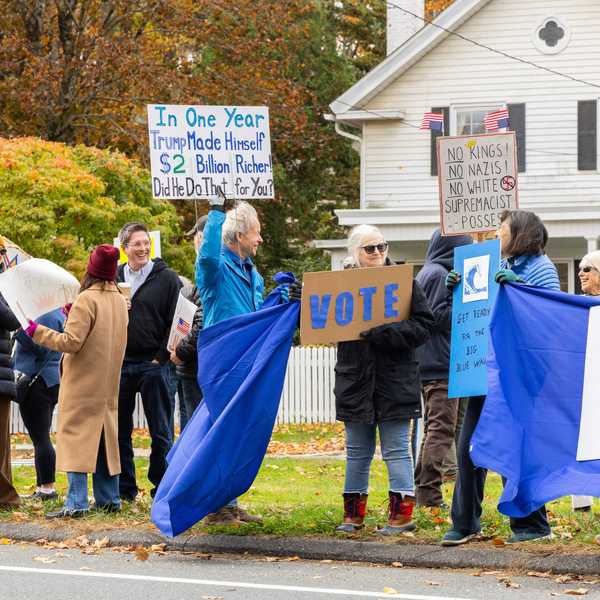
We can only hope that the leadership at the top of Northwell will preserve what the people of our community have built and supported and fought for over the past century, including the recent citizen campaign to retain labor and delivery services. In that engagement, the people of the state of Connecticut, represented by the Office of Health Strategy (OHS) and its Executive Director Deirdre Gifford, decided the outcome of a hospital request to terminate those services. The decision was not made by a large health care corporation.
In making the announcement last week, Northwell vowed to make significant investments in Nuvance. It would seem the timing is right. On Feb. 20, a little over a week before Northwell’s announcement and citing three principal factors, Nuvance appealed to OHS to reconsider its Final Decision to deny its request to close labor and delivery. “Good cause exists for addressing the degrading conditions for operation of the L&D service in an orderly fashion…before the Hospital experiences unavoidable service suspensions or safety issues,” Nuvance wrote.
Studies by the American Hospital Association point to hospital acquisitions as a way for hospitals to succeed in reducing costs and improving quality of care. Certainly the trend to hospital mergers is evident, affording scale and more standardization of care. Last year, Sharon Hospital was awarded its fourth consecutive 5-Star rating by the Centers for Medicare and Medicaid Services, based on patient experience and timely and effective care, among others. We imagine that Dr. Chaffee would be proud.
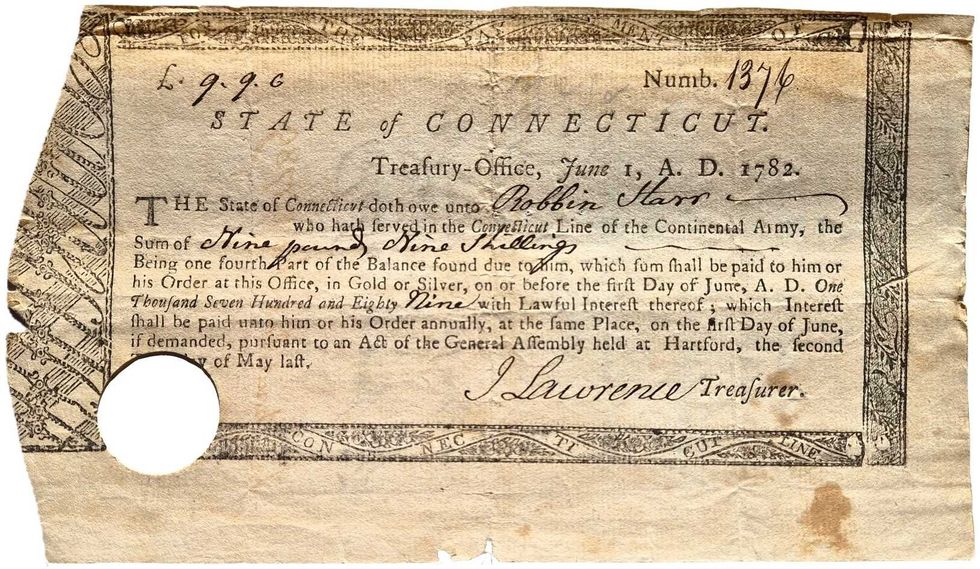 Pay Bill for Robin Starr’s service in the Continental Army.Courtesy the Alex Breanne Corporation
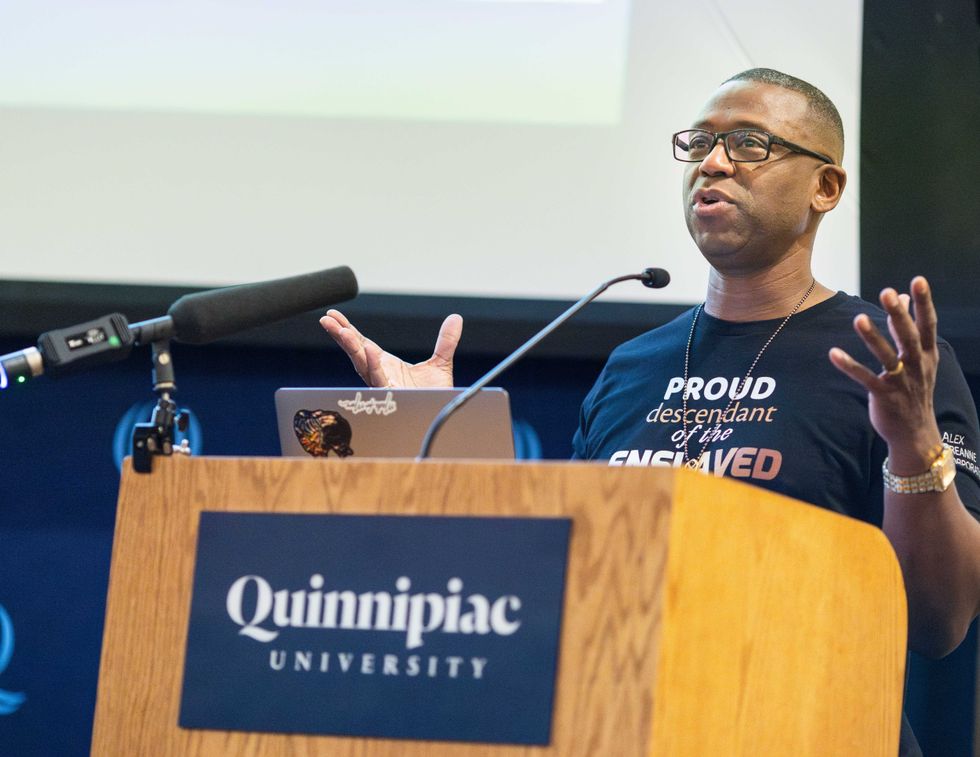 John Mills speaking at Quinnipiac University.Courtesy the Alex Breanne Corporation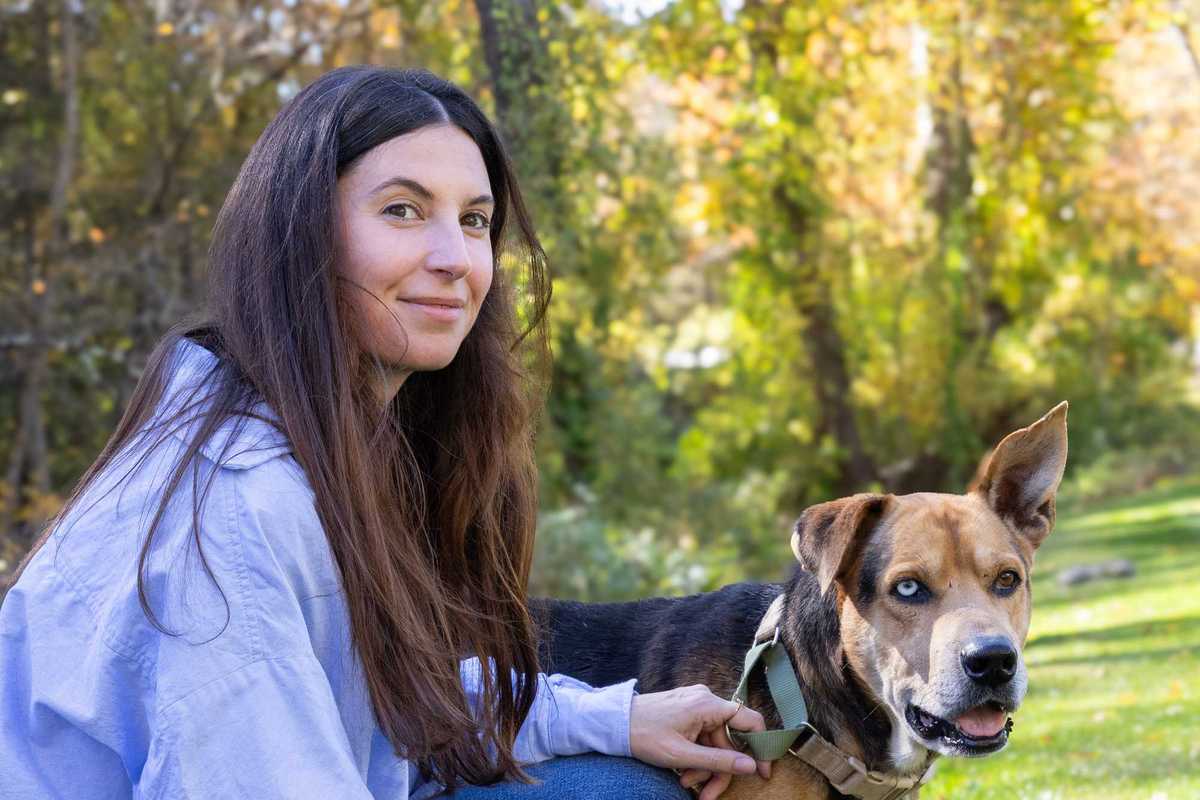
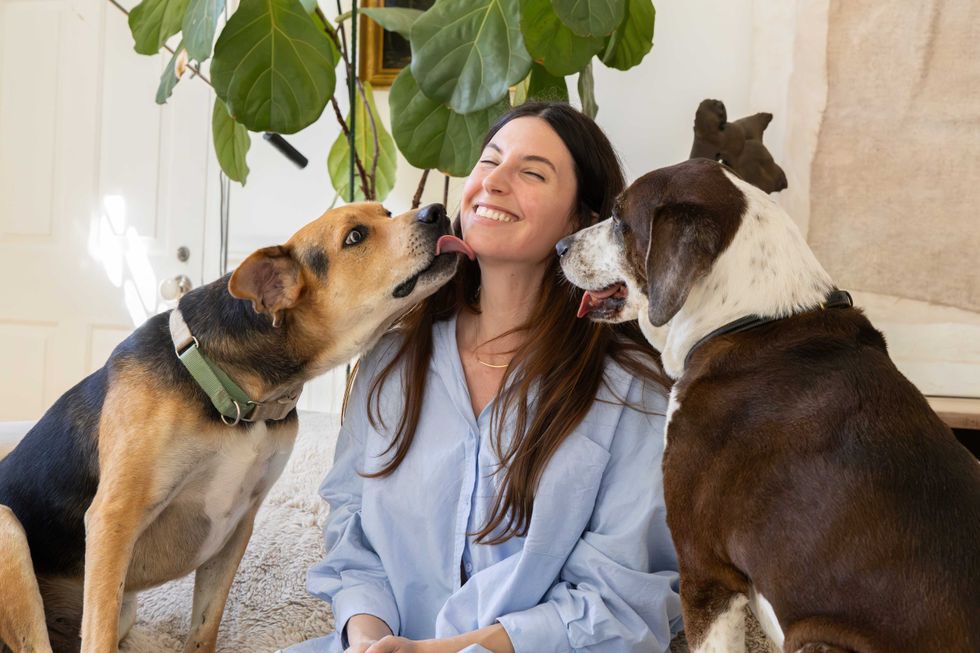 Stephanie Saetta,with her rescue dog George and Blue (left), a shepherd mix awaiting his forever home.Madi Long
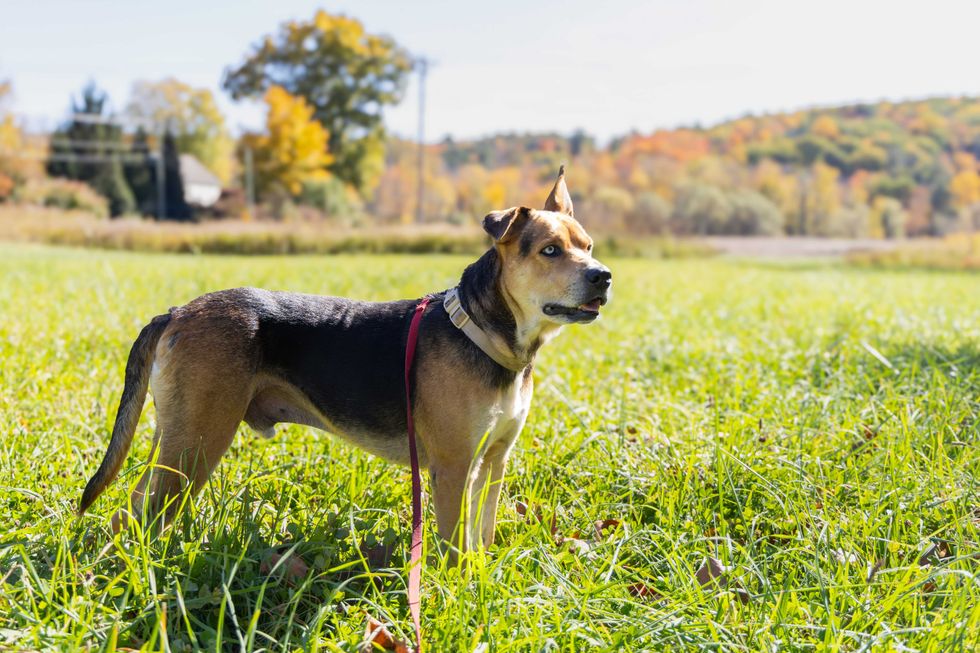 Blue, a 7 year-old Shepard mix, is waiting for his forever home. Madi Long