Aaron Sorkin’s “The Newsroom” : A look at substance, and lack of it, in the TV newsroom

Watching the first episode of “The Newsroom,” the new HBO series by the “The West Wing’s” Aaron Sorkin, I found the plot preposterous, the characters hard to believe and too much speechifying in the dialogue.I also liked it a lot.Maybe it was nostalgia for a time when television news was good and I was lucky enough to have been part of it. Or maybe, despite the weaknesses pointed out by nearly every critic, it’s far better than most current offerings. (TV critics tend to get excited about low expectation shows that turn out well and have different standards for shows expected to be great and aren’t.) After a few more episodes, which the critics have seen and I haven’t, I may agree with Time magazine that “it gets more shrill and hectoring in each episode” and stop watching, but for now, I intend to enjoy “The Newsroom” and its debatable premise that TV news can return to what it was.The program focuses on a popular, overpaid anchorman who suddenly sees the light during a college panel discussion and launches a “mad as hell and won’t take it anymore” harangue on what’s wrong with America and journalism.His rant inspires his network news chief to remake its nightly newscast in the Murrow-Cronkite mode, conveniently starting the day of the BP explosion in the Gulf of Mexico. In a storyline that is incredible in every way, a producer, who looks to be in his high teens, calls his old, college roommate, conveniently sitting in on a high-level BP meeting in London and his “big sister,” an engineer at Halliburton, and uncovers, in the course of the single newscast, everything the real media dug out in a year of investigating the causes and effects of the explosion. It’s as entertaining as it is implausible.It also reminds us once again, as if we needed it, that cable TV dumbed down not only entertainment, but also news. More wasn’t always better.

***
In the late 1970s, as cable was beginning to prosper in Connecticut and offer competition to the near monopoly enjoyed by the network affiliates on Channels 3, 8 and 30, the management of Channel 3, where I was news and public affairs director, conducted a focus group in the Waterbury area.As we watched behind a one-way mirror, a Waterbury homemaker explained that “we got cable so we’d never have to watch the 6 o’clock news again.” We soon discovered the lady had numerous fellow travelers on that road and, coupled with the Reagan Administration’s deregulation of the broadcasting industry, the television we had grown up with was changing. Station owners hired consultants who told them the lady from Waterbury and her friends would find fires and murders more fun to watch than real news and you can get the rest of the story every evening.Broadcast stations, unlike cable, are licensed by the federal government to broadcast “in the public interest, convenience and necessity,” which, before deregulation, meant some programming was supposed to be beneficial to the audience as well as entertaining, even in prime time. There was no objection to it being both. You could lose your lucrative license if you didn’t broadcast programs that occasionally informed, as well as entertained. Every three years, stations had to prepare elaborate license renewal applications explaining how they intended to provide programming in the public interest. Today, they use a postcard.Before deregulation and cable competition, children’s programs had to be more than cartoons, editorials were in fashion and community groups were encouraged to challenge a station’s license if they felt it didn’t live up to its obligation to produce meaningful news and public affairs programs. As a result, I enjoyed a 37- year career that included writing and producing prime time, news-oriented documentaries, news magazines and editorials that won a lot of journalism awards and can no longer be found on any broadcast station in Connecticut and most other places. Our newscasts did not bleed and burn and we believed it was important to assign the best reporters to cover politics and government, education and business even though news consultants told us the public found these subjects boring. But that was a while back. Now, when a newscast includes a “report” on Taco Bell’s summer menu, I’m told it was done because the menu was being talked about on Facebook or maybe, because Taco Bell is an advertiser. Simsbury resident Dick Ahles is a retired journalist. Email him at dahles@hotmail.com.

Latest News

Living art takes center stage in the Berkshires

Contemporary chamber musicians, HUB, performing at The Clark.

D.H. Callahan

Northwestern Massachusetts may sometimes feel remote, but last weekend it felt like the center of the contemporary art world.

Within 15 miles of each other, MASS MoCA in North Adams and the Clark Art Institute in Williamstown showcased not only their renowned historic collections, but an impressive range of living artists pushing boundaries in technology, identity and sound.

Keep ReadingShow less
Persistently amplifying women’s voices

Francesca Donner, founder and editor of The Persistent. Subscribe at thepersistent.com.

Aly Morrissey

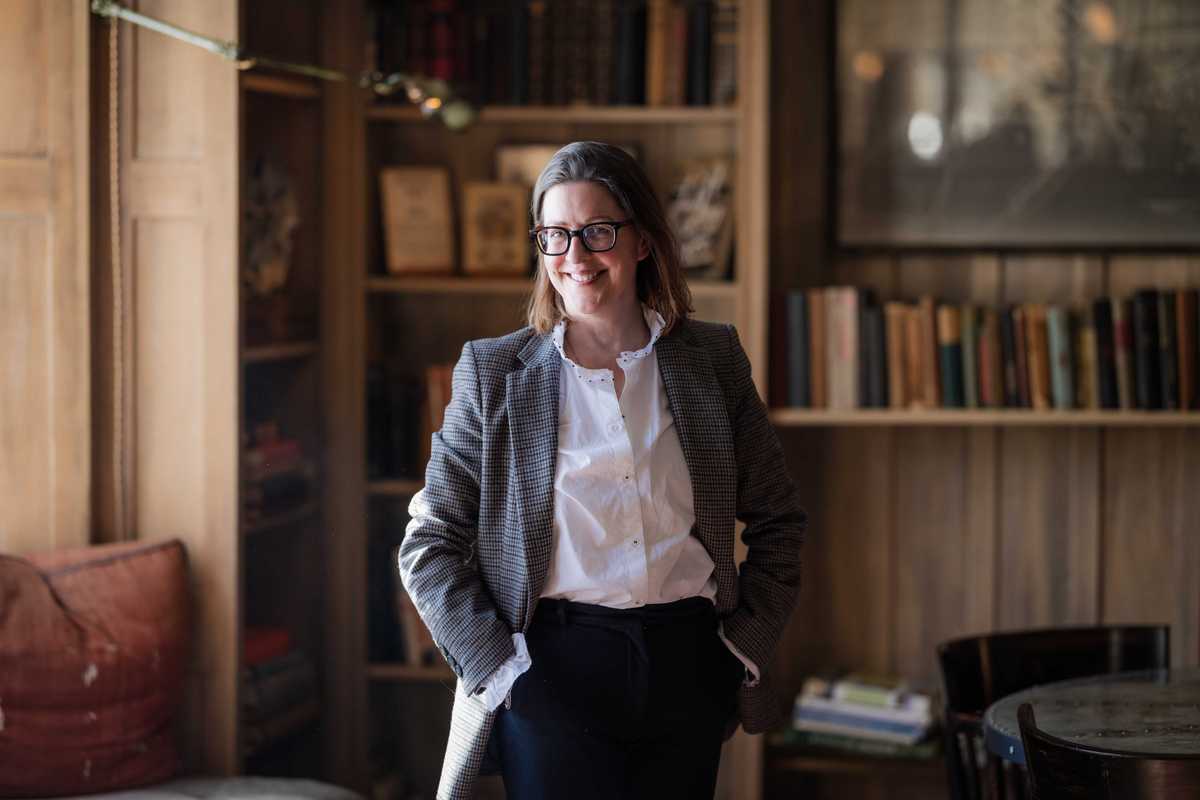
Francesca Donner pours a cup of tea in the cozy library of Troutbeck’s Manor House in Amenia, likely a habit she picked up during her formative years in the United Kingdom. Flanked by old books and a roaring fire, Donner feels at home in the quiet room, where she spends much of her time working as founder, editor and CEO of The Persistent, a journalism platform created to amplify women’s voices.

Although her parents are American and she spent her earliest years in New York City and Litchfield County — even attending Washington Montessori School as a preschooler — Donner moved to England at around five years old and completed most of her education there. Her accent still bears the imprint of what she describes as a traditional English schooling.

Keep ReadingShow less
Jarrett Porter on the enduring power of Schubert’s ‘Winterreise’
Baritone Jarrett Porter to perform Schubert’s “Winterreise”
Tim Gersten

On March 7, Berkshire Opera Festival will bring “Winterreise” to Studio E at Tanglewood’s Linde Center for Music and Learning, with baritone Jarrett Porter and BOF Artistic Director and pianist Brian Garman performing Franz Schubert’s haunting 24-song setting of poems by Wilhelm Müller.

A rejected lover. A frozen landscape. A mind unraveling in real time. Nearly 200 years after its premiere, “Winterreise” remains unnervingly current in its psychological portrait of isolation, heartbreak and existential drift.

Keep ReadingShow less
google preferred source

Want more of our stories on Google? Click here to make us a Preferred Source.

A grand finale for Crescendo’s 22nd season

Christine Gevert, artistic director, brings together international and local musicians for a season of rare works.

Stephen Potter

Crescendo, the Lakeville-based nonprofit specializing in early and rarely performed classical music, will close its 22nd season with a slate of spring concerts featuring international performers, local musicians and works by pioneering composers from the Baroque era to the 20th century.

Christine Gevert, the organization’s artistic director, has gathered international vocal and instrumental talent, blending it with local voices to provide Berkshire audiences with rare musical treats.

Keep ReadingShow less

Leopold Week honors land and legacy

Leopold Week honors land and legacy

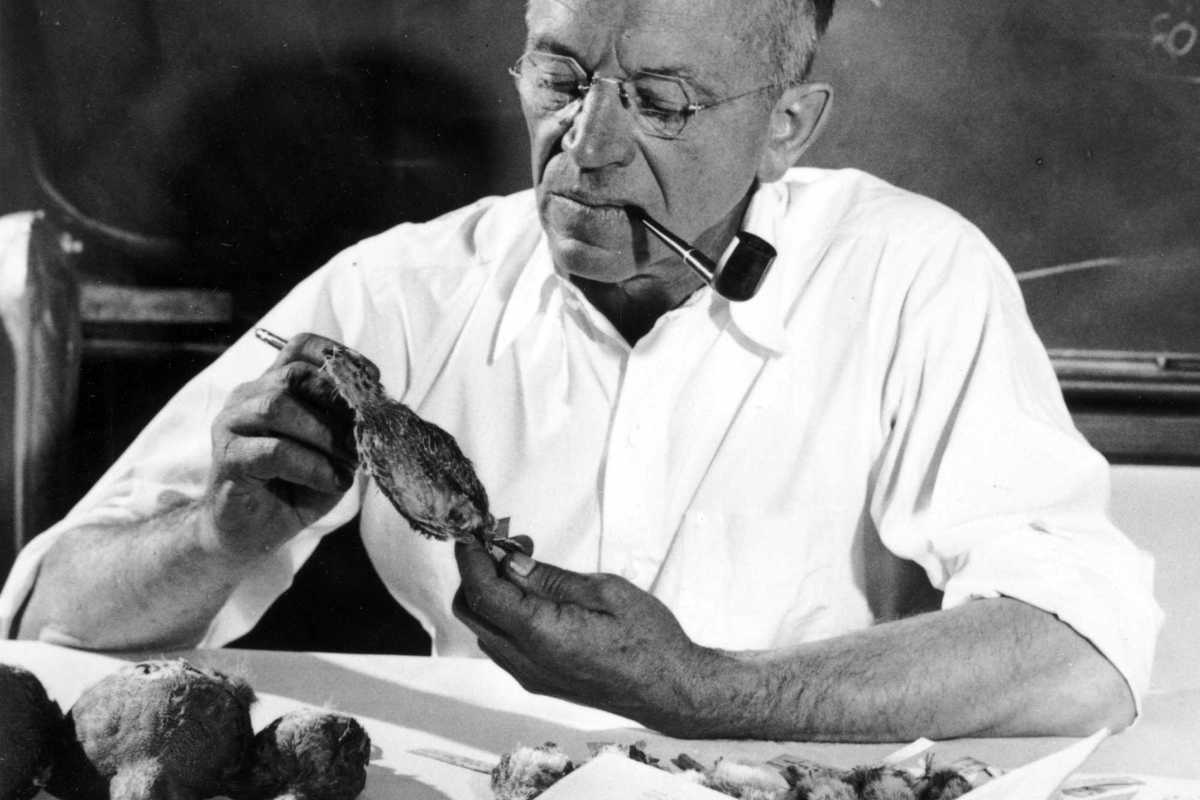
Aldo Leopold in 1942, seated at his desk examining a gray partridge specimen.

Robert C. Oetking

In his 1949 seminal work, “A Sand County Almanac,” Aldo Leopold, regarded by many conservationists as the father of wildlife ecology and modern conservation, wrote, “There are some who can live without wild things and some who cannot.” Leopold was a forester, philosopher, conservationist, educator, writer and outdoor enthusiast.

Originally published by Oxford University Press, “A Sand County Almanac” has sold 2 million copies and been translated into 15 languages. On Sunday, March 8, from 3 to 5 p.m. in the Great Hall of the Norfolk Library, the public is invited to a community reading of selections from the book followed by a moderated discussion with Steve Dunsky, director of “Green Fire,” an Emmy Award-winning documentary film exploring the origins of Leopold’s “land ethic.” Similar reading events take place each year across the country during “Leopold Week” in early March. Planning for this Litchfield County reading began when the Norfolk Library received a grant from the Aldo Leopold Foundation, which provided copies of “A Sand County Almanac” to distribute during the event.

Keep ReadingShow less

Erica Child Prud’homme

Erica Child Prud’homme

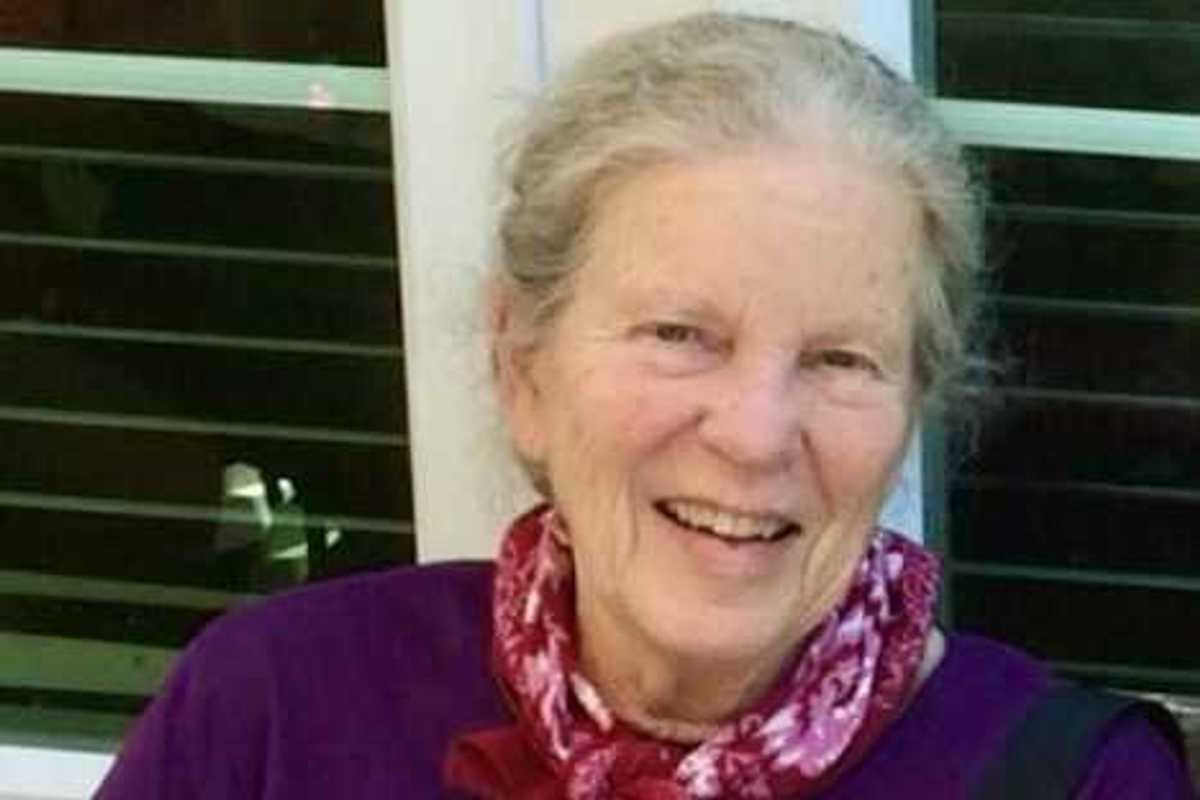
WEST CORNWALL — Erica Child Prud’homme died peacefully in her sleep on Jan. 9, 2026, at home in West Cornwall, Connecticut, at 93.

Erica was born on April 27, 1932, in Doylestown, Pennsylvania, the eldest of three children of Charles and Fredericka Child. With her siblings Rachel and Jonathan, Erica was raised in Lumberville, a town in the creative enclave of Bucks County where she began to sketch and paint as a child.

Keep ReadingShow less
google preferred source

Want more of our stories on Google? Click here to make us a Preferred Source.
google preferred source

Want more of our stories on Google? Click here to make us a Preferred Source.