Barack Obama and Hillary Clinton have survived the agonies of a cruelly long trial by political primary, and now the serious horsetrading begins. Can Obama offer Clinton a meaningful enough role to gain her full support for what looms as a formidable contest with John McCain? The country needs to take a good look at the pluses and minuses of the party primary system as it has evolved, with an insane competition among states to be first on the list. Can’t we do better?
To be sure, it may have been useful to have the punishing test of physical stamina and mental agility. It also has been a test of the ability of each candidate to propose the means of the change each purports to want. It has been an emphatic demonstration of fundraising ability. It has caused Obama to resign from his church because of inability to distance himself from the incendiary rhetoric of several clergymen and it has caused Clinton’s advisers to persuade her husband, Bill, to back off from his hovering presence.
I wish I could say that it has been a demonstration of responsible and incisive coverage by the media, and I mean principally television. Some reporters and commentators did try to do a thoughtful and balanced job of discussing serious issues. But the impulse to concentrate on entertainment with trivia well padded with commercials won out. I was especially disappointed with ABC’s conduct of the debate in which questioners seemed to go out of their way to focus on the trivial and insignificant. My trust in George Stephanopoulus and Charles Gibson was permanently damaged.
u u u
Meanwhile it becomes more and more obvious that the next president will have an almost superhuman task in untangling the mess left by George W. Bush. World respect for the United States is at probably an all-time low. We remain thoroughly enmeshed in an unwinnable war in Iraq started and sustained on a basis of lies, the extent of which is increased by each new revelation. Other nations are apprehensive about the validity of agreements made with us. Bush has all but wrecked the national credit by insisting on cutting taxes instead of even trying to pay some of the cost of the war. He has repudiated international treaties right and left and made a mockery of the justice system. Torture is virtually his middle name. Great record.
Ridding us of all the deleterious consequences of the Bush administration is too much to expect of any new administration during its first few months. More humility and a willingness to listen to others, signs of a new direction for U.S. policy, would be the most that could realistically be looked for. This would be more difficult for McCain than for Obama or Clinton because of his unwillingness or inability to separate himself from the Bush way of doing things.
u u u
Tuesday was World Press Freedom Day, and a U.S. international information publication was appropriately dedicated to Edward R. Murrow as an exemplar of journalism at its best. Broadcasting from Europe during Hitler’s first aggressions, and from England during the blitz and the remainder of Word War II, he also exposed the postwar abuses of McCarthyism. He was credited with helping McCarthy destroy himself through a “See It Now� broadcast. Murrow was a genius at finding the truth and letting his audience make correct deductions from what he reported.
I was fortunate enough to know Ed Murrow, slightly. Ed had been persuaded by President John Kennedy to leave CBS and become head of the United States Information Agency, but was very uncomfortable at the direction of the successor administration of Lyndon Johnson and especially with the hard line policy espoused by Secretary of State Dean Rusk. Over a long lunch in Paris during a NATO meeting in the fall of 1964, I poured out my own frustrations over a misunderstanding with Rusk. Murrow, frustrated himself, was sympathetic. Not long afterward he resigned from the USIA post. I felt I had encountered a kindred soul. The more his reputation grew subsequently, the prouder I was to have shared some views with him.
u u u
Have the roadside phlox ever been more handsome than those that emerged the last few days? And have you noticed the welcome views of Lake Wononscopomuc that re-emerged when a new picket fence on a property across from an outlet of Belgo Road in Lakeville blocked them last year? Let’s hope the views will remain open when the new construction is completed.
u u u
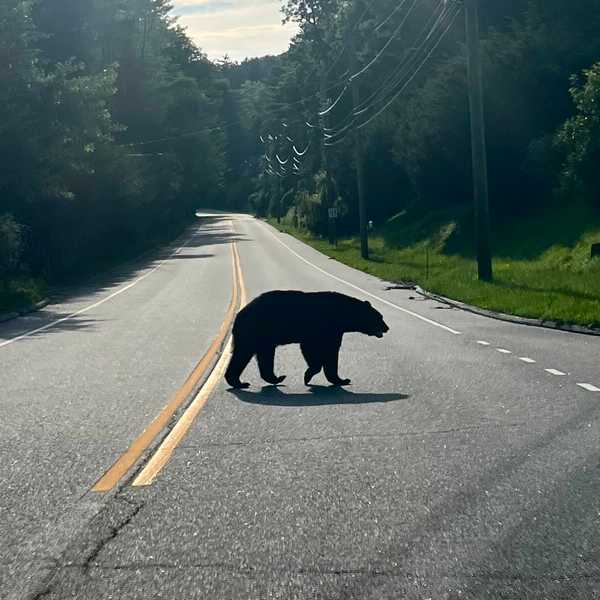
And then there is the fellow who bragged too soon about having outfoxed the bear. Several weeks ago you remember that I reported on how one of my sons and I had reconstructed a birdfeeder after a bear on a nocturnal visit had bashed it in, knocking it off the metal pole from which it had been suspended. So confident was I of the new arrangement, during which I was scrupulously careful to take in the feeder each night, that on Saturday I returned the substitute feeder I had bought as a replacement and obtained a refund.
Well pride goeth before a determined ursus Americanus. Sunday morning I hung the feeder from the arm of the pole from which it had been suspended about 8:30, retiring to take my shower. When I returned, lo!, there was the feeder strewn in pieces across the lawn and the metal post from which it had been suspended knocked in its side. Neighbors reported having seen a bear on the prowl. This time there was no way to repair the former feeder.
So what should we do? We dearly love the colorful pageant of birds attracted from the nearby wetlands at this time of year. At the same time I realize that bears will be bears and that they have a right to like birdseed, although not my particular sunflower hearts. So I repurchased the same new feeder and shall try again, being extra careful to take it in at dusk and to watch and listen for bears on the prowl. Why do I suspect that this is not the last chapter on the subject?






 Tiffany Lemelin, shelter manager, brushing Marsala upon arrival.Provided
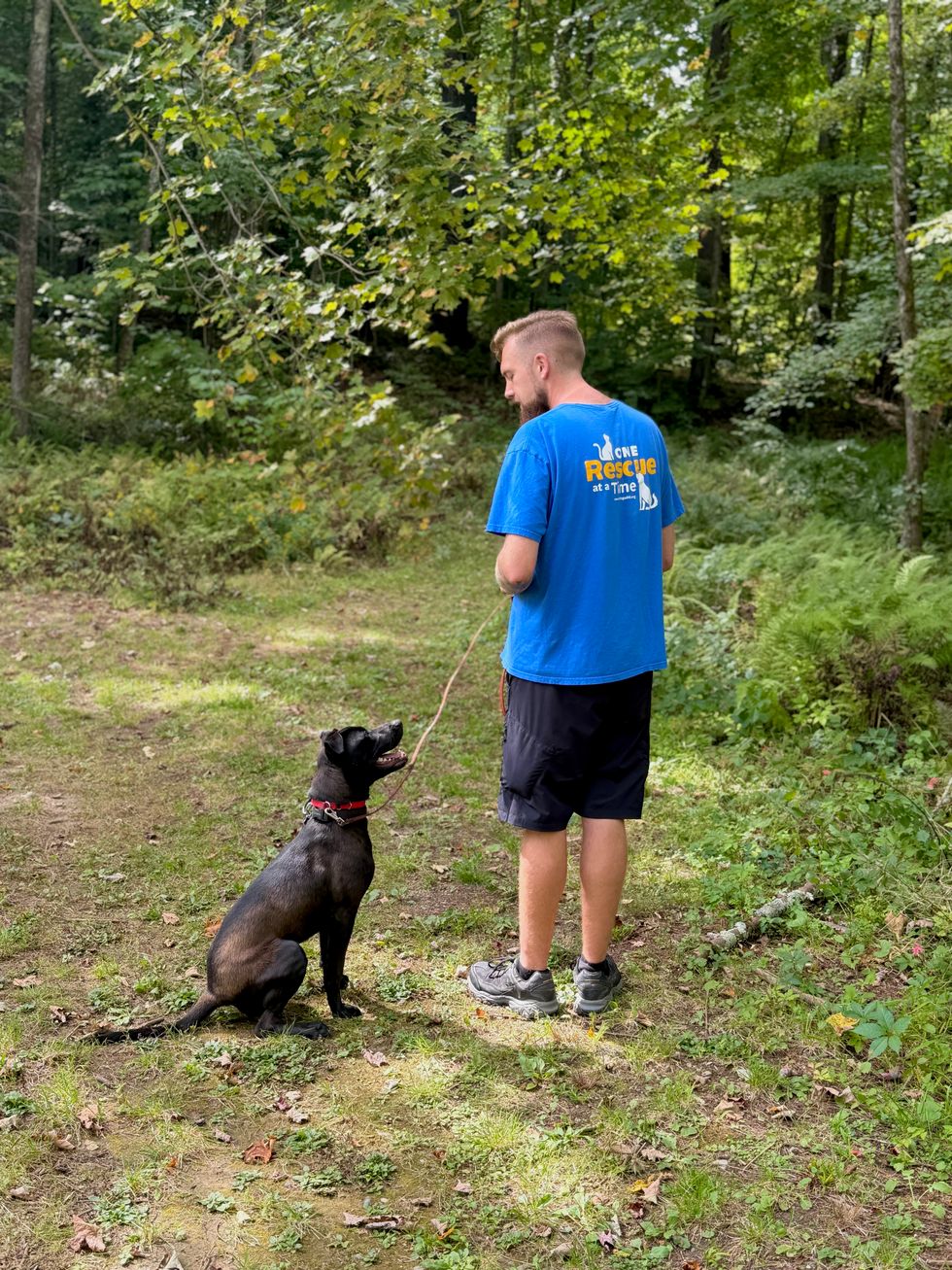 Michael DeBarba, certified dog trainer working with Marsala.Jennifer Almquist
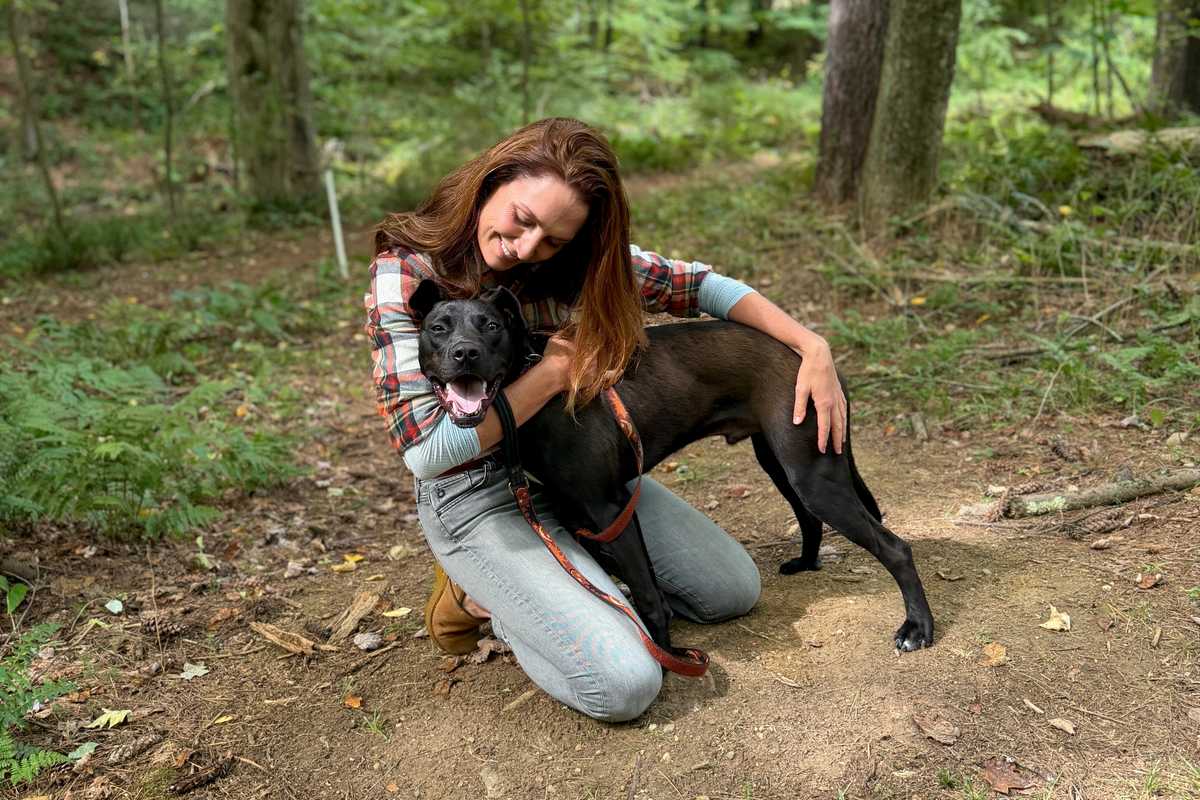 Marsala wins a heart.Jennifer Almquist