AMENIA — Two representatives from the Dutchess County Water and Wastewater Authority (DCWWA) gave a presentation at the beginning of the July 16 Town Board meeting on the progress toward a sewer district in the hamlet of Amenia and the steps needed to move forward with that project.
Project Facilitator Ed Mills explained that the authority has been working with Amenia’s Wastewater Committee over the past decade in a variety of ways, often providing advice and assistance with funding.
Recently, Morris Associates Engineering Consultants, PLLC, drafted a map plan and report for the Wastewater Committee. That document explains the recommended sewer district chosen by the committee, as well as the cost per household that would be affordable enough for the town to pursue.
Two hundred forty-four properties are outlined in the sewer district, with an estimated population of 825 people. Mills explained that the initial customer base for the district is expected to be about 220 properties, and at full use the sewer could handle around 181,000 gallons a day.
Almost all of the sewage flow would travel by gravity to a primary sewage pump on Church Street, which would convey the waste to the wastewater treatment plant on Silo Ridge’s property. There may be the need for a secondary pump on Mechanic Street to collect waste in that area.
As stated in a Memorandum of Understanding with the Silo Ridge Resort Community, Silo Ridge would provide additional space in its wastewater treatment plant for the town to use, in lieu of building affordable housing. The space allocated would be available at no additional cost to the town, except the cost to build a conveyance system connecting to the plant. That memorandum has yet to be finalized.
The DCWWA is playing a significant role in the town’s push for a sewer system, which many are hoping will pave the way for affordable housing in town. The proposed system is designated a “Part County Sewer District� because the Wastewater Committee and town have decided to make the water authority lead agency as the project moves forward, meaning that by extension the county would own the sewer conveyance facilities built in the town.
The county is in a better position to advance funding opportunities, Wastewater Committee Chairman Darlene Riemer explained. DCWWA Executive Director Bridget Barclay agreed.
“This is a complicated and expensive project,� she said, “and an area where the authority has significant expertise.�
The tricky part, a problem the Wastewater Committee has been trying to solve for many years, has always been the cost to the town to build a system, and additionally the cost on households within the sewer district to connect. With Silo Ridge building the wastewater treatment plant, the costly expense of the plant itself is covered. But as the map plan and report explains, the estimated construction costs to build a conveyance system totals approximately $10.4 million. In the first year of operation, the total cost for a single-family household would be $1,239 annually, or a little over $100 per month.
But that number is too high, according to the Wastewater Committee. The committee has set the maximum total cost per household at around $720 per year, or $60 per month. One of the stipulations of the agreement with DCWWA is that the town is only interested in moving forward with the project if that number can be reached.
“It’s a challenging but possible goal,� said Mills. “But it’s only attainable through sufficient outside funding.�
Grants and funds are available through a number of services, explained Mills and Barclay, including the Environmental Facilities Corporation.
As lead agency, the map plan and report will need to be tweaked slightly by the authority, at no extra cost to the town. Barclay explained that the majority of the document is complete, with the financing plan being the main work in progress.
“It’s about the ongoing pursuit of federal and state financing,� she said, “and it’s a very good time to be doing that... There is more money out there for water and wastewater than we’ve seen in a while, but we’ll need to work hard and aggressively to reach that rate [of $60 per month].�
Barclay explained that submitting a map plan and report is only the first step in a long process. It will next go to the Dutchess County Legislature, which will accept, reject or ask for more work on the document. If it is accepted, the project is subject to a permissive public referendum. If the referendum is triggered, it’s a simple majority of votes by the people living in the sewer district that will determine if the sewer is to be approved. Assuming it passes that hurdle, there would still need to be bonding for a capital project, dealing with permits and ultimately starting construction. Estimating a timeline, Barclay concluded her presentation by saying the town’s sewer system could be operational by mid-2012.
Town Supervisor Wayne Euvrard thanked the authority for its help.
“They’re a great benefit for the town and its residents,� he said. Euvrard also thanked the Wastewater Committee and Riemer for their hard work, and pointed out that none of this would be possible without Silo Ridge.
“If they weren’t building the plant, there’s no way it would be affordable,� he said. “I understand that residents can only afford so much.�
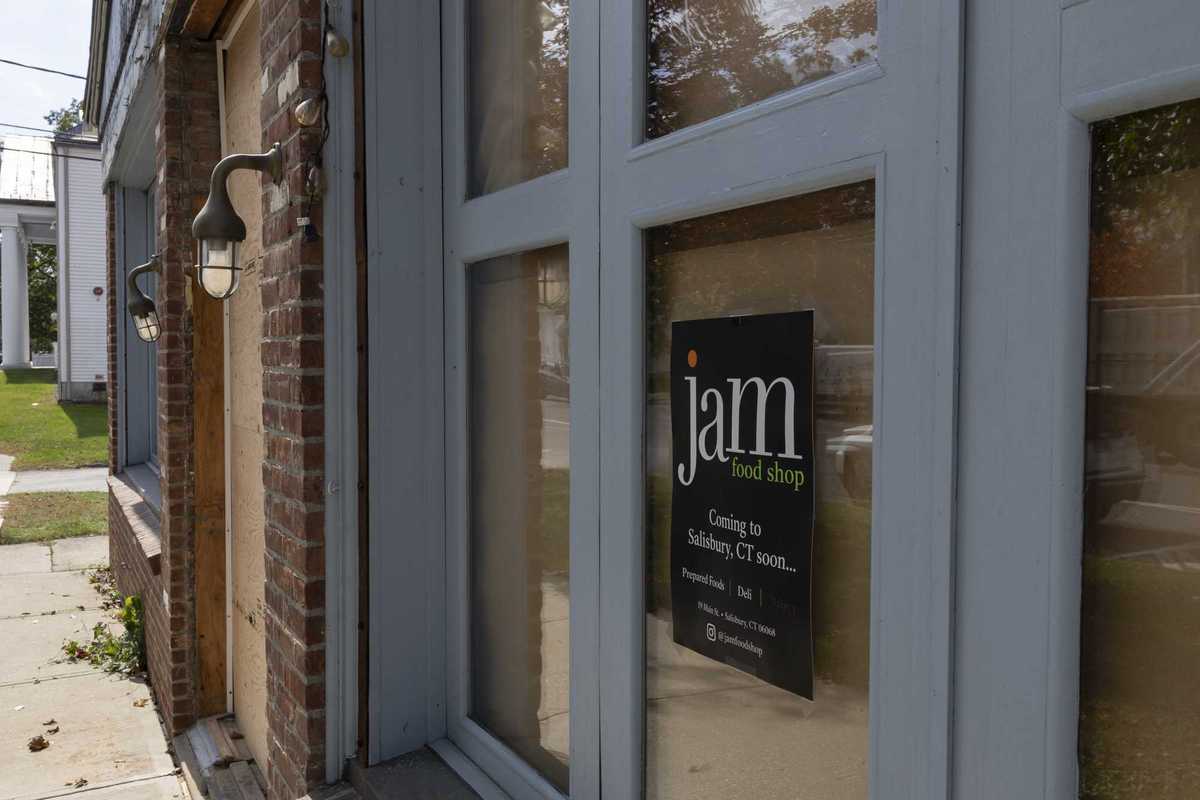


 Tiffany Lemelin, shelter manager, brushing Marsala upon arrival.Provided
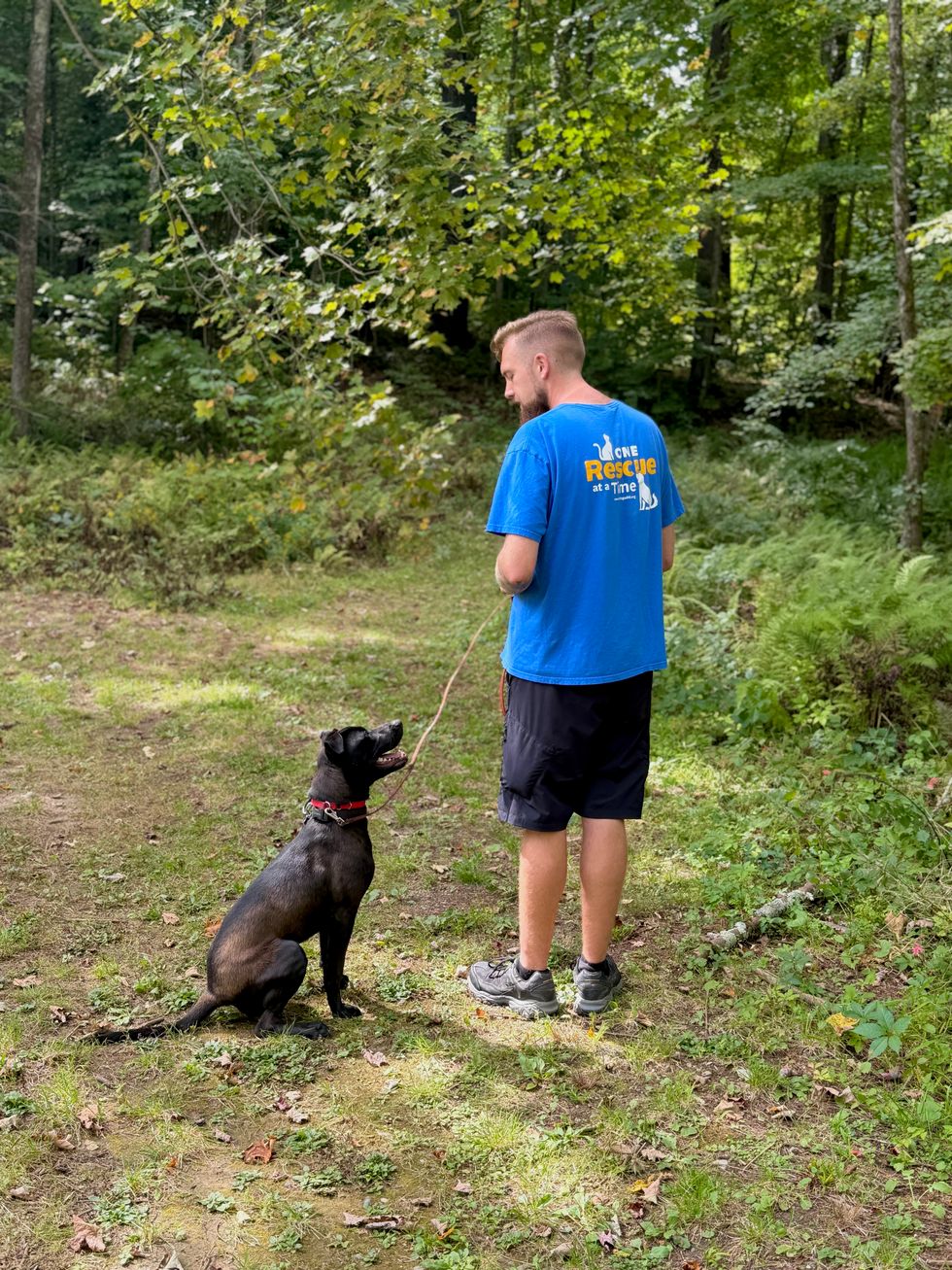 Michael DeBarba, certified dog trainer working with Marsala.Jennifer Almquist
 Marsala wins a heart.Jennifer Almquist

 Sadie, center, a Carolina dog, plays with her friend Negra, a terrier mix. Bella Linda, the small poodle, has since been adopted.L. Tomaino
 Wesley, a young, exuberant mix, is looking for an active home.L. Tomaino
 Bonnie and Clyde, an affectionate terrier pair.L. Tomaino
 Provided