The anger over health- care reform in America

Here in the blue state of Connecticut and across the country, we continue to see a surprising number of citizens, voices quivering with fear and anger, as they protest the seemingly straight-forward issue of finding the best way to improve the U.S. system of health care to benefit all Americans. Why the fear and anger? What’s behind this? What’s the solution?

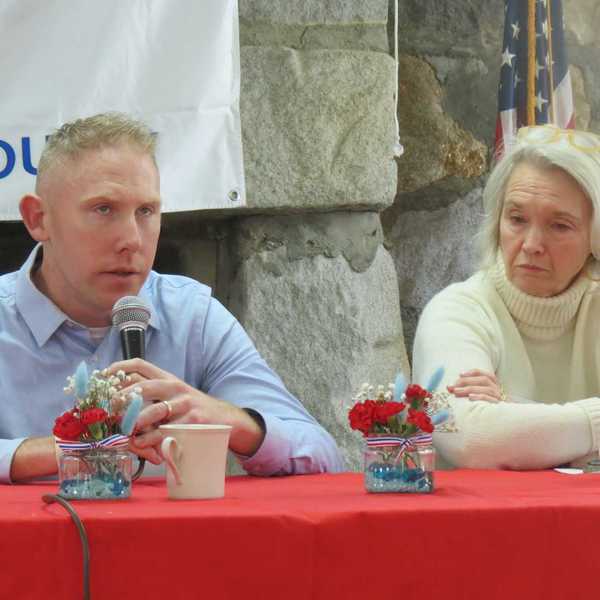
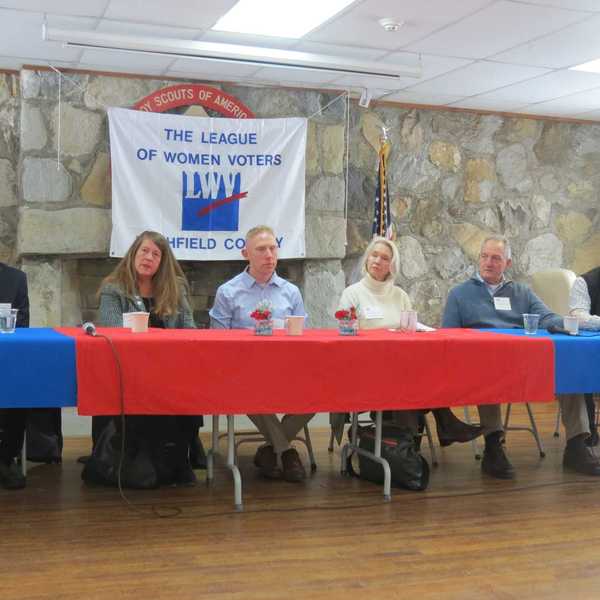
Demonstrations for and against health-care reform that took place over the summer in Litchfield, Simsbury, Waterbury and Washington, Conn., provided an opportunity informally to poll protesters’ status and opinions, and develop a kind of protester profile. Who are they? What do they want?

There are serious, dispassionate concerns about health-care options, such as cost, but this does not explain the rage expressed by a sizable number of our citizens at these counter-demonstrations. Why the angst?

u      u      u

Although protesters at Connecticut events pointed across to supporters of health-care reform, labeling them “unpatriotic socialists,� it was not possible to find a single protester who had ever served his country in combat, and only a few who had ever performed peacetime military service. Was the sample biased in some way? By contrast, the supporters of health-care reform included a number of veterans, some decorated for service to country. Why the disparity?

Perhaps the central criticism by protesters against health-care reformers was not so much the question of patriotism as the socialism issue. Asked to define “socialism,� the best several protesters could come up with was to equate it with “Communism� and “Naziism� — simultaneously.

The actual meaning and content of the protesters’ slogans and seemingly canned vocabulary did not apparently matter. For example, one protester carried a large sign urging “Tort Reform.� Asked what is a “tort,� he said he didn’t know. The fact that President Obama had already announced that he embraced tort reform did not seem to count.

u      u      u

Informal polling at the Connecticut events indicated that some 75 percent of health-reform protesters believed that Obama was born in Kenya, and therefore wasn’t really president of the United States. The remaining 25 percent named other countries of birth, such as Indonesia, or Hawaii which, they explained, was not a state when the U.S. Constitution was written. It was generally believed that Obama’s Hawaiian birth certificate as well as Honolulu newspaper birth announcements were Hawaiian and U.S. government conspiracy forgeries.

More than 60 percent of protesters believed in the reality of proposed “death panels� designed to “pull the plug on Granny.� More thoughtful protesters seemed to recognize the metaphorical or theatrical nature of the term, but they were nevertheless convinced that Medicare and Medicaid benefits would be slashed under the Obama health plan. They doubted the intention was merely to reduce Medicare fraud and waste. Thousands of Americans, they said, would die as a result of “Obamacare.�

Significantly, nearly 50 percent of those opposed to a government-run “option� were themselves already benefitting from some form of government health plan, namely Medicare, Medicaid, and in a few cases the VA. It wasn’t clear how many understood that Medicare is government-run. Two of the most vociferous admitted they were on lifetime disability, receiving thousands of dollars of support each month. But 100 percent of protesters polled “strongly opposed� a health insurance public option as being “un-American.�

u      u      u

Elsewhere across the country, protesters went to still greater extremes. They waved signs depicting President Obama as an aboriginal witch doctor, a Nazi complete with Adolf Hitler’s trademark mustache, a Communist with hammer and sickle, and a purveyor of blood-letting and euthanasia. Why the animus toward such an obviously intelligent, moral, humane and popular president? Is race a factor? This deserves a closer look.

According to former President Jimmy Carter, a significant element underlying the protest movement against “Obamacare� is racism, pure and simple. If so, this is disillusioning. After all, we’re in the 21st century, aren’t we? On the other hand, the conservative columnist and ABC news analyst George Will assures us, “There is not a shred of evidence that racism is a factor in the protest.�

According to the Borowitz Report, a Minnesota opinion poll found that those who take issue with President Obama on health reform do so because of his “questionable� birth certificate, his “love of socialism,� and his “Hitler-like health plan,� but “not because of race.� Well, that’s a relief!

This is the first part of a two-part column.

Sharon resident Anthony Piel is a former director and legal counsel of the World Health Organization.

Latest News

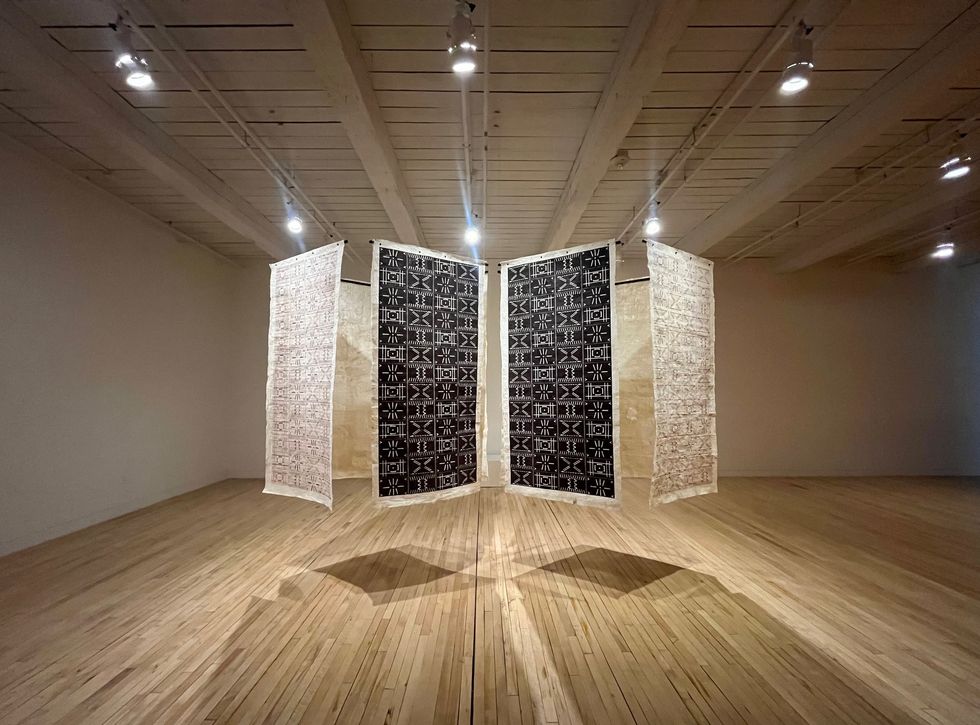
Living art takes center stage in the Berkshires

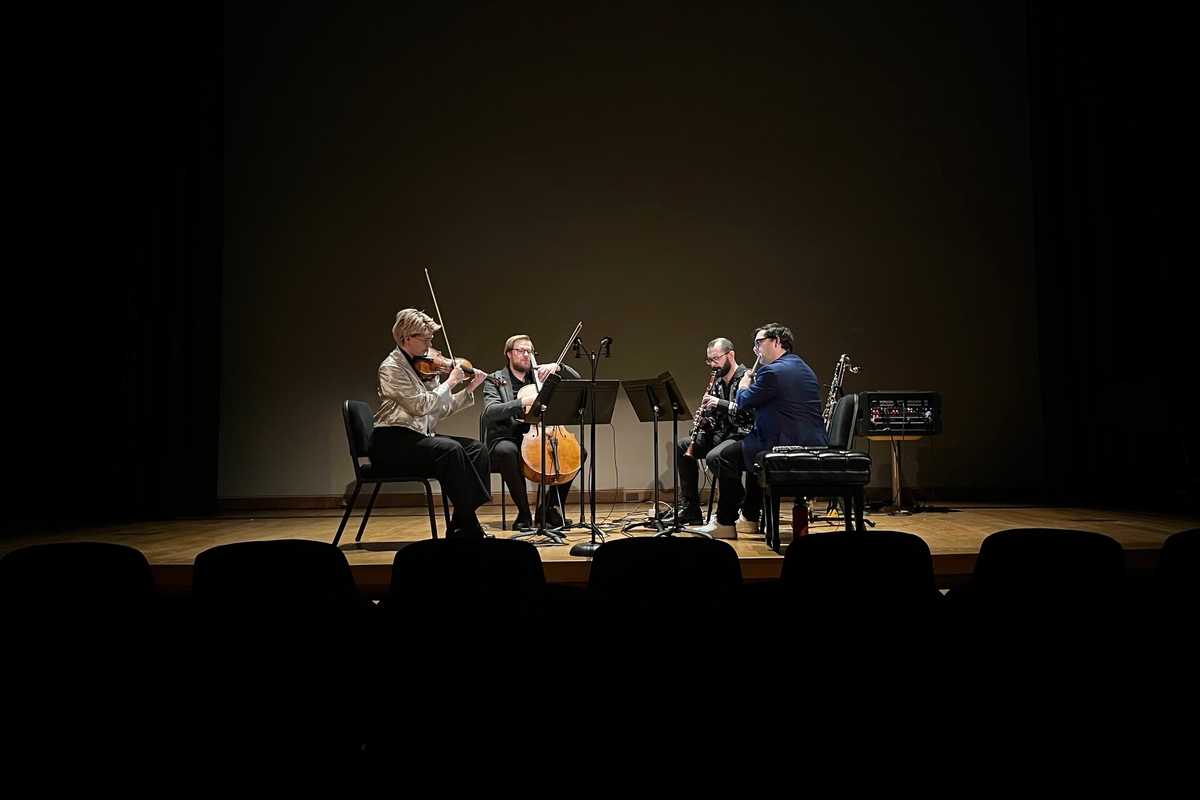
Contemporary chamber musicians, HUB, performing at The Clark.

D.H. Callahan

Northwestern Massachusetts may sometimes feel remote, but last weekend it felt like the center of the contemporary art world.

Within 15 miles of each other, MASS MoCA in North Adams and the Clark Art Institute in Williamstown showcased not only their renowned historic collections, but an impressive range of living artists pushing boundaries in technology, identity and sound.

Keep ReadingShow less
Persistently amplifying women’s voices

Francesca Donner, founder and editor of The Persistent. Subscribe at thepersistent.com.

Aly Morrissey

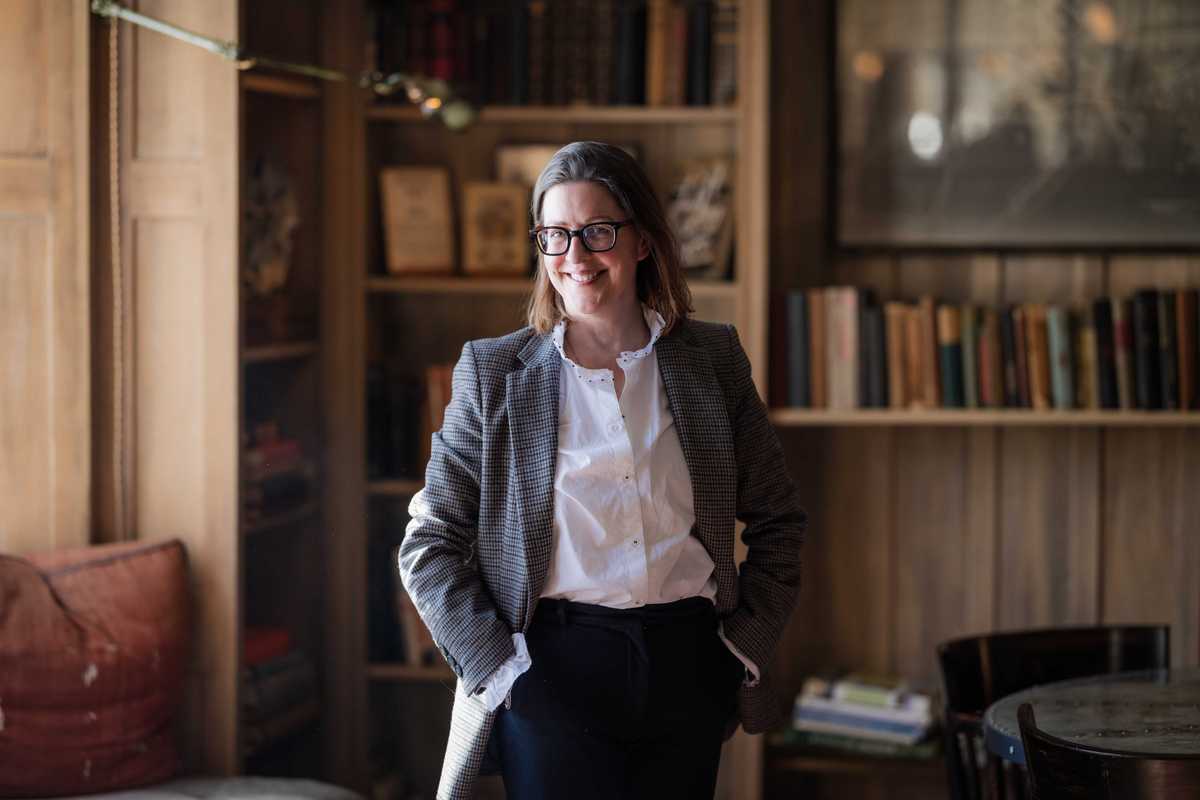
Francesca Donner pours a cup of tea in the cozy library of Troutbeck’s Manor House in Amenia, likely a habit she picked up during her formative years in the United Kingdom. Flanked by old books and a roaring fire, Donner feels at home in the quiet room, where she spends much of her time working as founder, editor and CEO of The Persistent, a journalism platform created to amplify women’s voices.

Although her parents are American and she spent her earliest years in New York City and Litchfield County — even attending Washington Montessori School as a preschooler — Donner moved to England at around five years old and completed most of her education there. Her accent still bears the imprint of what she describes as a traditional English schooling.

Keep ReadingShow less
Jarrett Porter on the enduring power of Schubert’s ‘Winterreise’
Baritone Jarrett Porter to perform Schubert’s “Winterreise”
Tim Gersten

On March 7, Berkshire Opera Festival will bring “Winterreise” to Studio E at Tanglewood’s Linde Center for Music and Learning, with baritone Jarrett Porter and BOF Artistic Director and pianist Brian Garman performing Franz Schubert’s haunting 24-song setting of poems by Wilhelm Müller.

A rejected lover. A frozen landscape. A mind unraveling in real time. Nearly 200 years after its premiere, “Winterreise” remains unnervingly current in its psychological portrait of isolation, heartbreak and existential drift.

Keep ReadingShow less
google preferred source

Want more of our stories on Google? Click here to make us a Preferred Source.
A grand finale for Crescendo’s 22nd season

Christine Gevert, artistic director, brings together international and local musicians for a season of rare works.

Stephen Potter

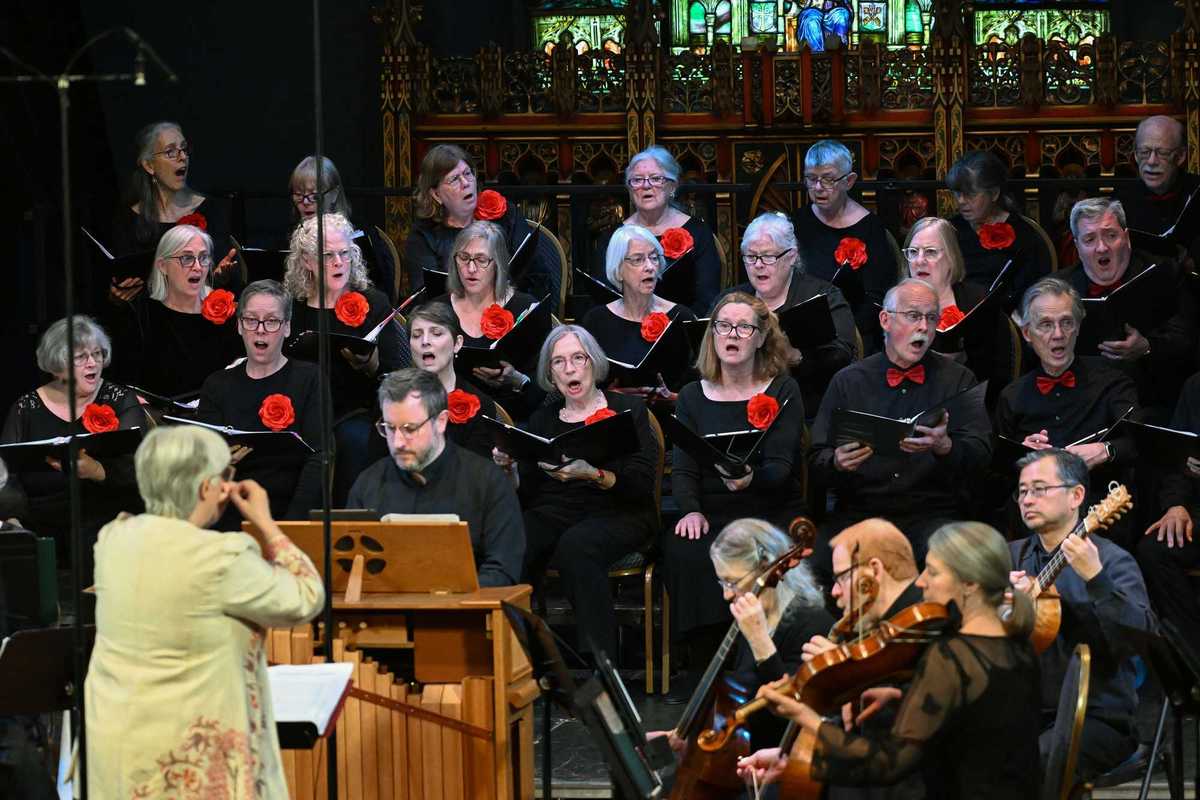
Crescendo, the Lakeville-based nonprofit specializing in early and rarely performed classical music, will close its 22nd season with a slate of spring concerts featuring international performers, local musicians and works by pioneering composers from the Baroque era to the 20th century.

Christine Gevert, the organization’s artistic director, has gathered international vocal and instrumental talent, blending it with local voices to provide Berkshire audiences with rare musical treats.

Keep ReadingShow less

Leopold Week honors land and legacy

Leopold Week honors land and legacy

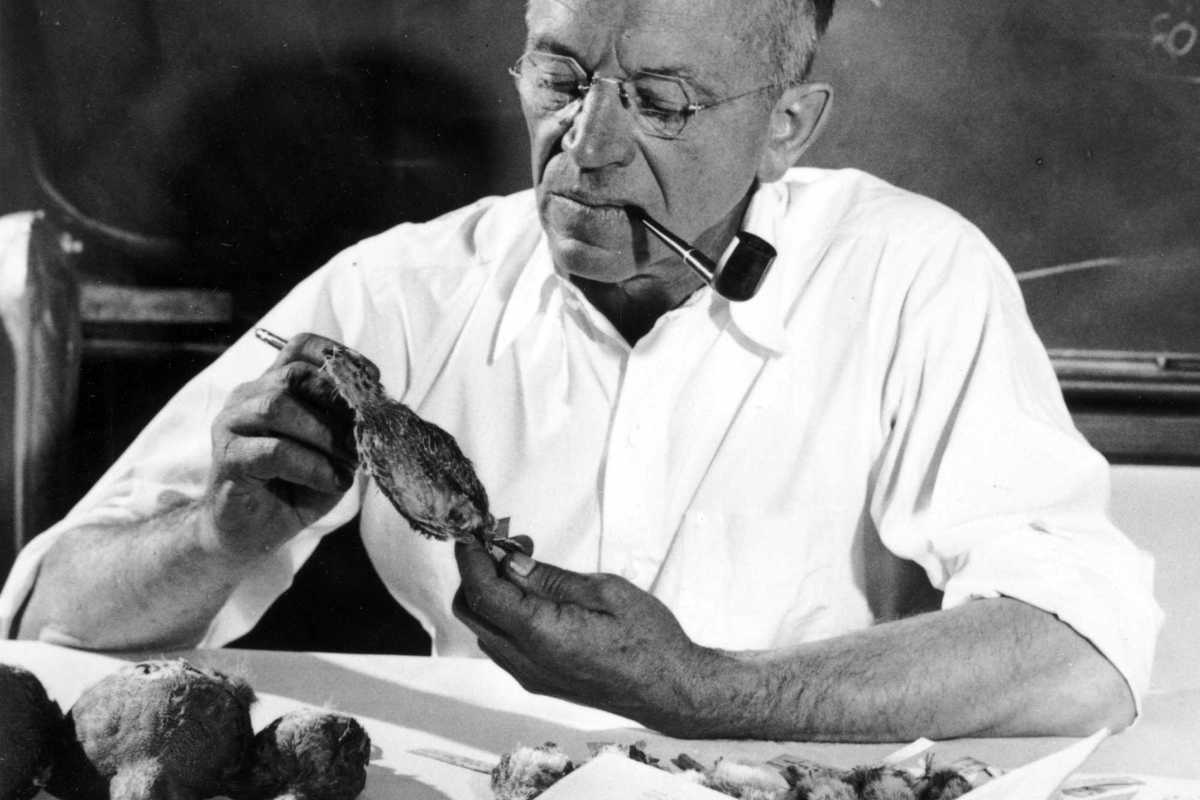
Aldo Leopold in 1942, seated at his desk examining a gray partridge specimen.

Robert C. Oetking

In his 1949 seminal work, “A Sand County Almanac,” Aldo Leopold, regarded by many conservationists as the father of wildlife ecology and modern conservation, wrote, “There are some who can live without wild things and some who cannot.” Leopold was a forester, philosopher, conservationist, educator, writer and outdoor enthusiast.

Originally published by Oxford University Press, “A Sand County Almanac” has sold 2 million copies and been translated into 15 languages. On Sunday, March 8, from 3 to 5 p.m. in the Great Hall of the Norfolk Library, the public is invited to a community reading of selections from the book followed by a moderated discussion with Steve Dunsky, director of “Green Fire,” an Emmy Award-winning documentary film exploring the origins of Leopold’s “land ethic.” Similar reading events take place each year across the country during “Leopold Week” in early March. Planning for this Litchfield County reading began when the Norfolk Library received a grant from the Aldo Leopold Foundation, which provided copies of “A Sand County Almanac” to distribute during the event.

Keep ReadingShow less

Erica Child Prud’homme

Erica Child Prud’homme

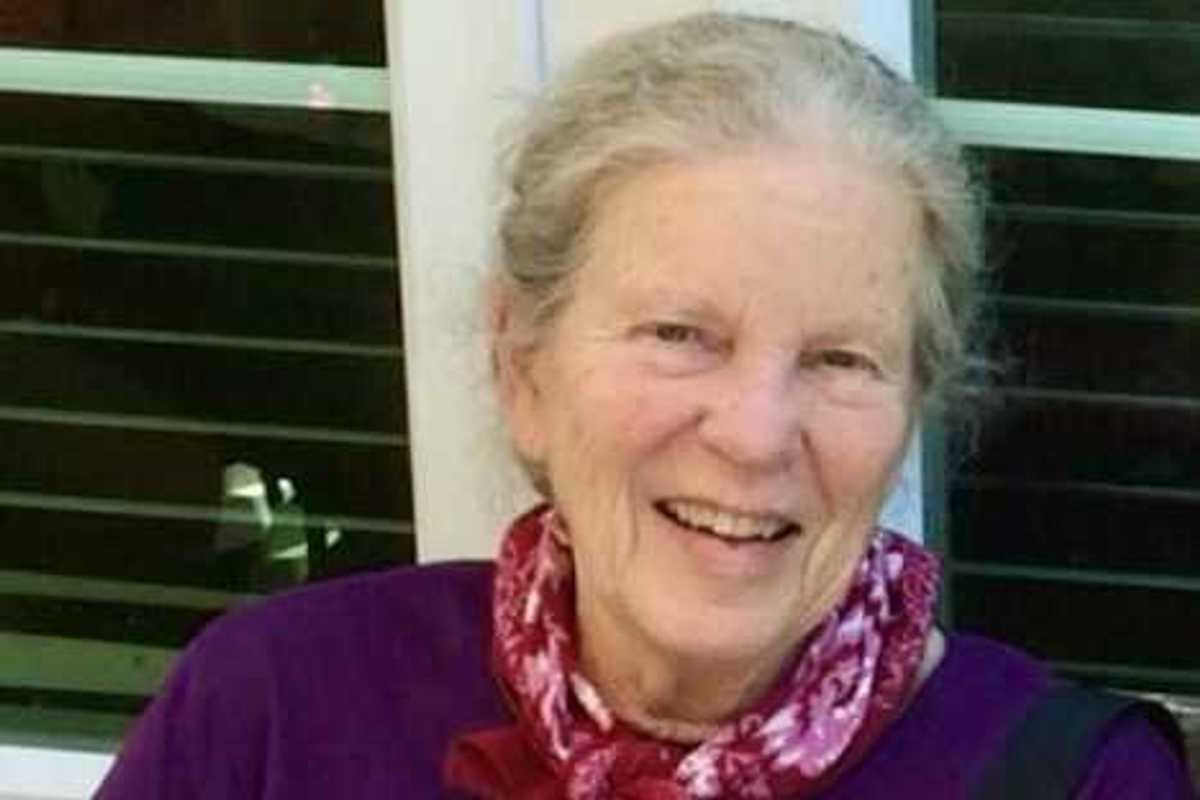
WEST CORNWALL — Erica Child Prud’homme died peacefully in her sleep on Jan. 9, 2026, at home in West Cornwall, Connecticut, at 93.

Erica was born on April 27, 1932, in Doylestown, Pennsylvania, the eldest of three children of Charles and Fredericka Child. With her siblings Rachel and Jonathan, Erica was raised in Lumberville, a town in the creative enclave of Bucks County where she began to sketch and paint as a child.

Keep ReadingShow less
google preferred source

Want more of our stories on Google? Click here to make us a Preferred Source.
google preferred source

Want more of our stories on Google? Click here to make us a Preferred Source.