Thank you!
Your support is sustaining the future of local news in our communities.

Are we going to turn into machines?

If you have a part of your body replaced—a knee, a shoulder, a hip socket—are you less human? Currently, no one thinks that. So let’s extend it a little: if you have an organ replaced from a donor, are you still you? Currently most people think so (with gratitude for your donor of course). Now, let’s ask this current medical possibility: if you have a heart valve replaced with a part from a pig or cow, are you still you, still all human? It’s a psychological question many heart patients have had to grapple with. Obviously, the answer is yes. Modified, but yes, you are still you.

Now comes the hard part. Let’s say that instead of that donor part, or replacement knee, you have the chance to have a tailor-made biologically grown or 3-d printed replica part, a replica made from your own DNA. That isn’t really you, but a clone of you, so is it really you? If that’s a new heart, lung, liver, kidney, pancreas... grown from your cells into a replacement part... is the new you really you? On the one hand, your brain and consciousness grew up with the old part, understood it, watched it fail, and need to be replaced. Then, suddenly, there’s a new, completely perfectly new part. How will your memory, your connection in the brain’s neurons deal with this replacement that has no evolutionary pathway to understanding? Sure, in thinking about it, you’ll be cool, but will your brain accept that it is really you/yours?

People having transplanted organs report feeling estranged from their new replacements. They get used to it, in time. The brain adapts, accepts. But what happens when that replica is enhanced, enhanced beyond what the brain grew up to manage, feed, command? If the replacement heart is better at pumping, better at supplying fresh oxygenated blood, will the brain be able to control function? In gene therapy currently, the question is not whether they can rejuvenate genes, turn them back on, to perform functions such as fighting specific forms of cancer, the question quickly becomes how many can they safely turn on before the body and brain become overloaded and the empowered genes have no safety control and actually cure the cancer while killing the patient?

Now, what happens when replicas, say two grown lower limbs for a double amputee, are enhanced to the point that the recipient can leap 6’ straight up? Think this is unlikely? Already replacement parts are permitting physical strengths and power previously unknown by the recipient. Some people call these recipients cyborgs (though they do not call themselves that). But when you see some of the recent electronic aids to linked-brain processing, for instance trials under way for allow the brain to control prosthetics as if they were better than original legs, hands, arms... the question becomes challenging. It’s like power steering in a car; your control of the direction of the car is augmented but with physical feed-back. But when that power steering becomes “by-wire” meaning there is no physical connection between the steering wheel and the tires, just electric motors mimicking your commands... do you really still control the car?

As human replacement parts become increasingly printed, grown, implanted, linked directly up to the brain, and enhanced in the process, at some point people may become cyborgs in reality — but that does not mean their brains have the evolutionary or years of learning (growing up) to be able to fully control the implications or emotions of those enhancements. So far, the notion of cyborgs becoming anti-social may not be a reality but that does not mean everyone will be able to adapt to a new world of super-human replacements.


Peter Riva, a former resident of Amenia Union, now lives in New Mexico.
 

Latest News

Lelah M. Somers

Lelah M. Somers

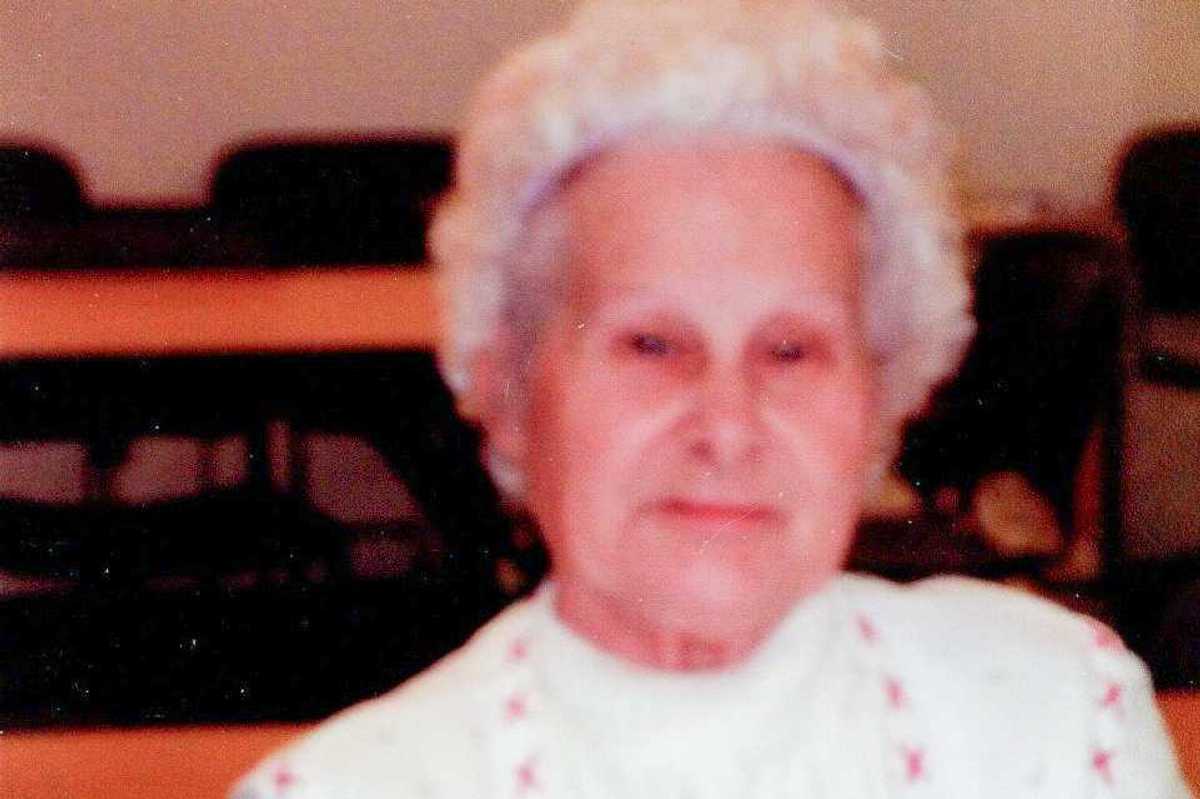
DOVER PLAINS — Lelah M. Somers, 97, a longtime Dover Plains, New York, resident, passed away peacefully on Saturday, Oct. 10, 2026, at Ferncliff Nursing Home in Rhinebeck, New York. Lelah was born on July 3, 1929, in Pawling, New York, to the late Byron and Lelah (Watts) Brill. Lelah grew up in Pawling and on Nov. 22, 1946, in Pleasant Valley, New York, she married James F. Somers, Sr. Mr. Somers passed away on Sept. 3, 1970. Lelah worked for New York State as a therapy aide for thirty-years and as a senior companion for New York State for thirty-two-years, with specific care provided to the mentally disabled.

She enjoyed taking care of the mentally disabled, was a wonderful mother to her four children, always putting her family first. She is survived by her son, James F. Somers, Jr. and his wife Donna of Dover Plains; two daughters, Doreen Monica of Wingdale, and Frances “Fran” Horton of Dover Plains, who was also her caregiver for many years; seven grandchildren, Debbie, Margie, Leah, Stephanie, Deirdra, Benji and Jimmy and several great grandchildren and great-great grandchildren, and many nieces and nephews, and her step-son, Kenny Elliott. In addition to her parents and husband, Lelah was predeceased by her daughter and son-in-law, Carol “DeeDee” Maile and Gil Maile, her son-in-law, Stephen Monica, and her son-in-law, Benny Horton as well as her companion of over forty-years, Andrew “Mac” McAlravey and her siblings, Ferris Brill, Eleanor Barryann, Richard Brill, William Brill and Barney Brill.

Keep ReadingShow less

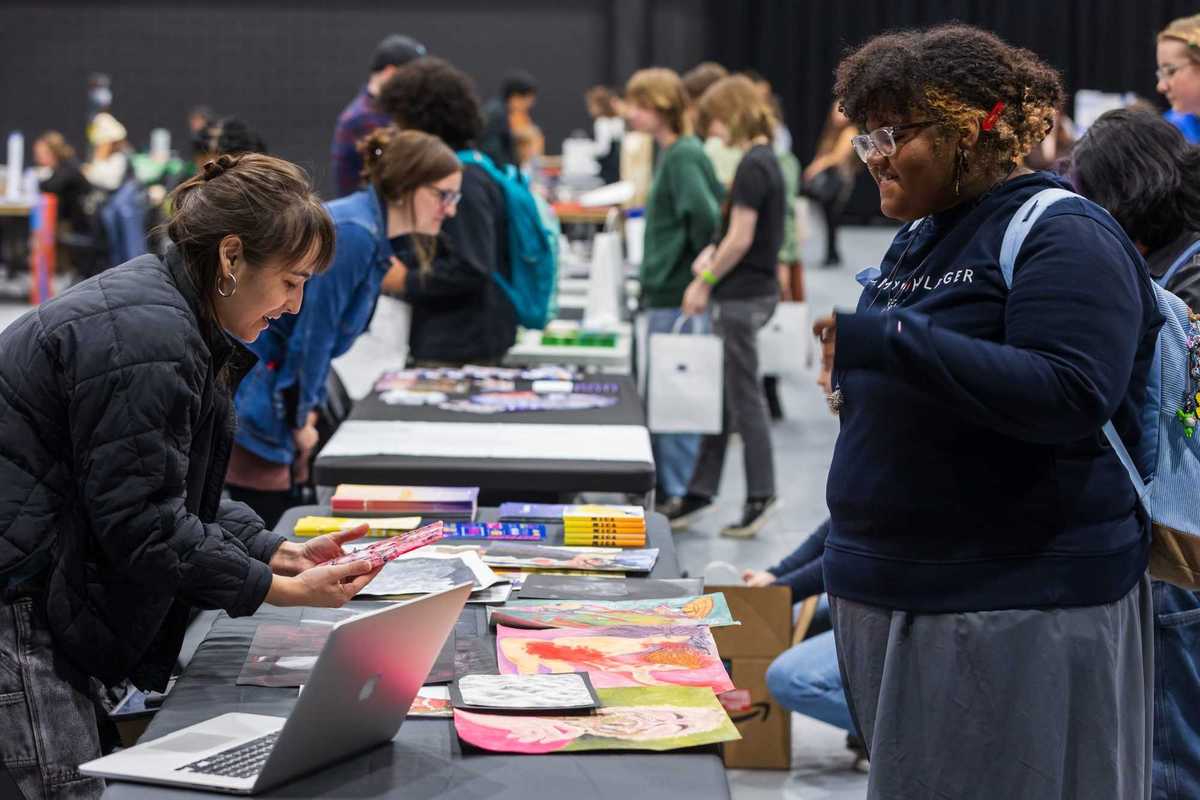
The art of getting into art school

The art of getting into art school

Hudson Valley Regional Portfolio Day returns to Poughkeepsie.

Provided

For a young artist considering college, the question isn’t simply whether the work is good enough. It’s which work to show, which school might be the right fit and even whether a creative life can lead to a sustainable career.

On Friday, Oct. 16, hundreds of aspiring artists will have the opportunity to explore those questions at Hudson Valley Regional Portfolio Day, presented by The Art Effect at the MJN Convention Center in Poughkeepsie.

Keep ReadingShow less
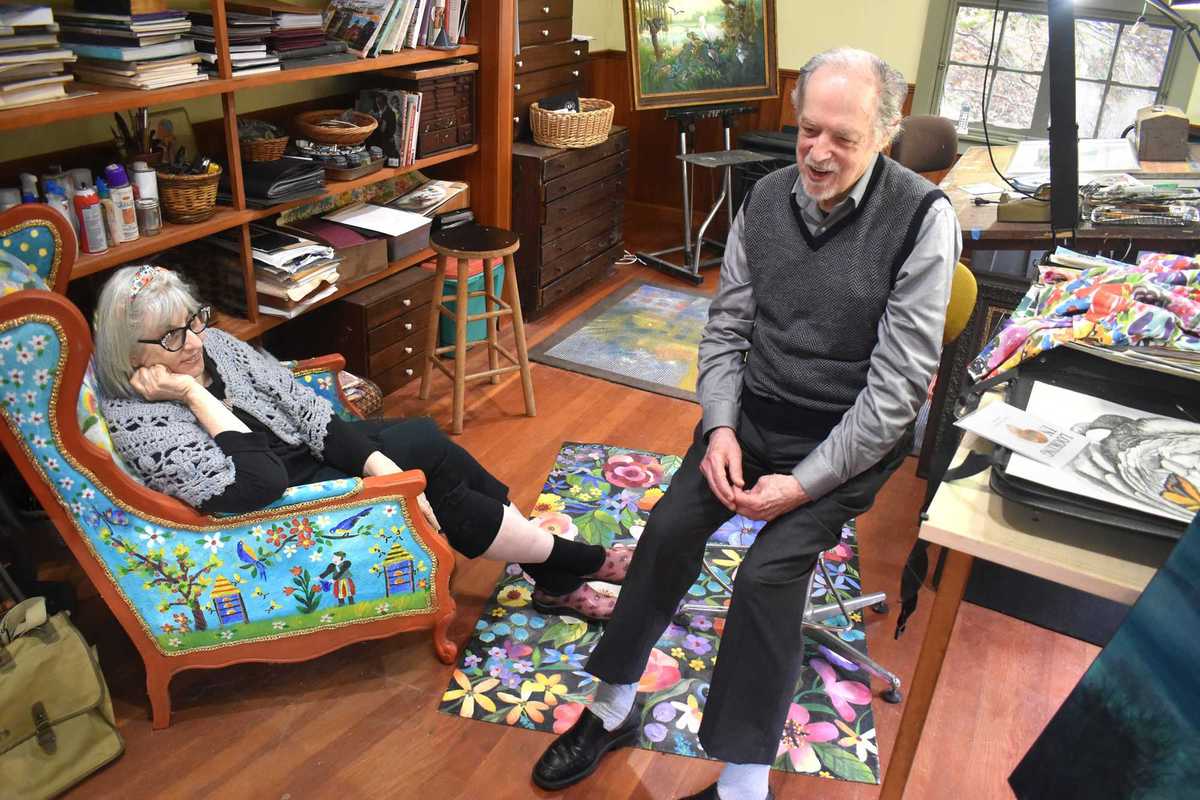
A colorful life together at Atelier Valla

Textile designer Justine Valla sits in her father’s chair, which she painted, alongside her husband, illustrator and muralist Victor Valla, in their Atelier Valla studio.

L. Tomaino
I lost the ability to paint after the accident. I struggled to paint again.
— Justine Valla

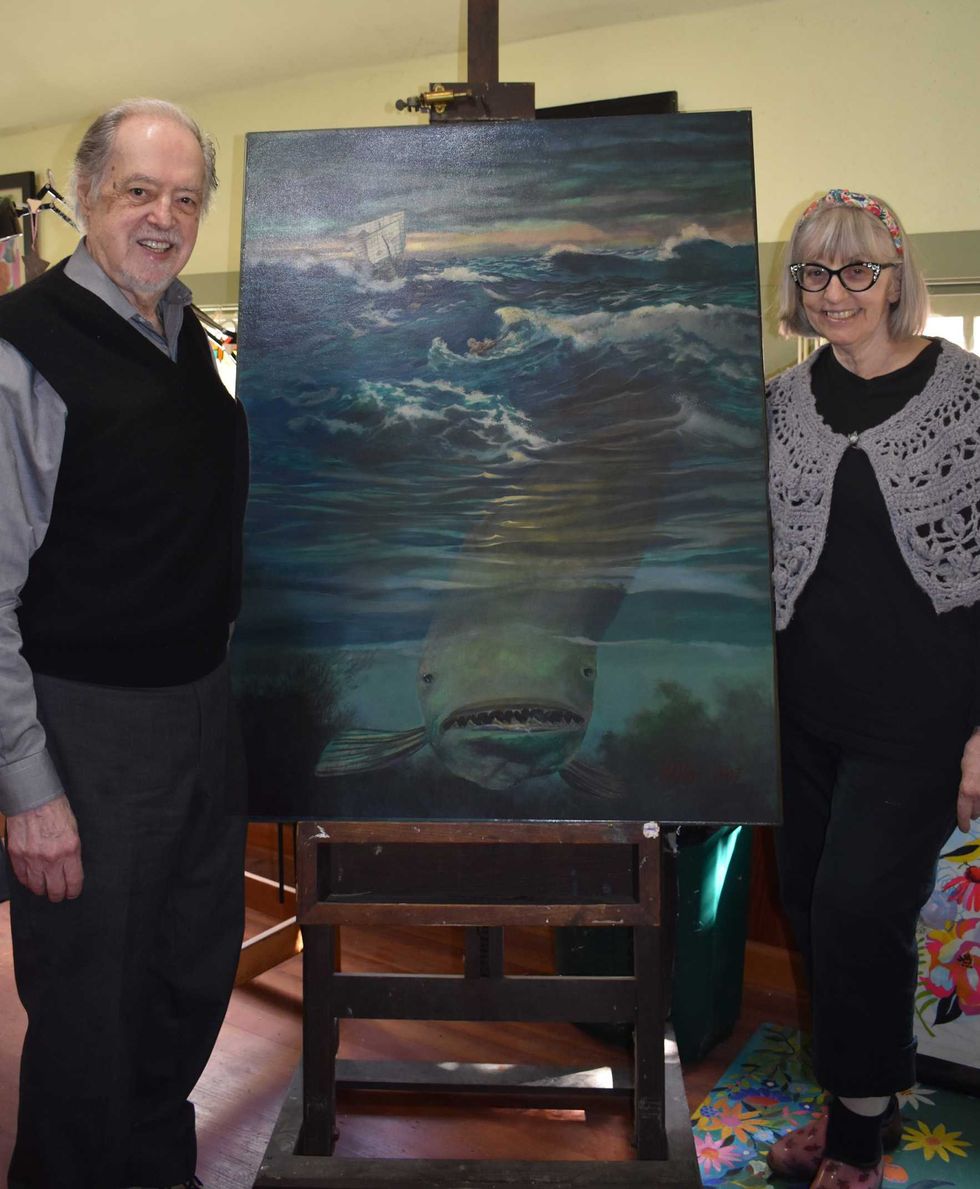
Husband and wife Victor and Justine Valla share a lavender and pink studio, Atelier Valla, across the driveway from their pink house, nestled into a hillside in Salisbury. The colors, said Justine, “were inspired by Monet’s house at Giverny.”

Creating art has been a lifelong pursuit for both.

Keep ReadingShow less
google preferred source

Want more of our stories on Google? Click here to make us a Preferred Source.

David Ruchman’s “Acquired Taste”

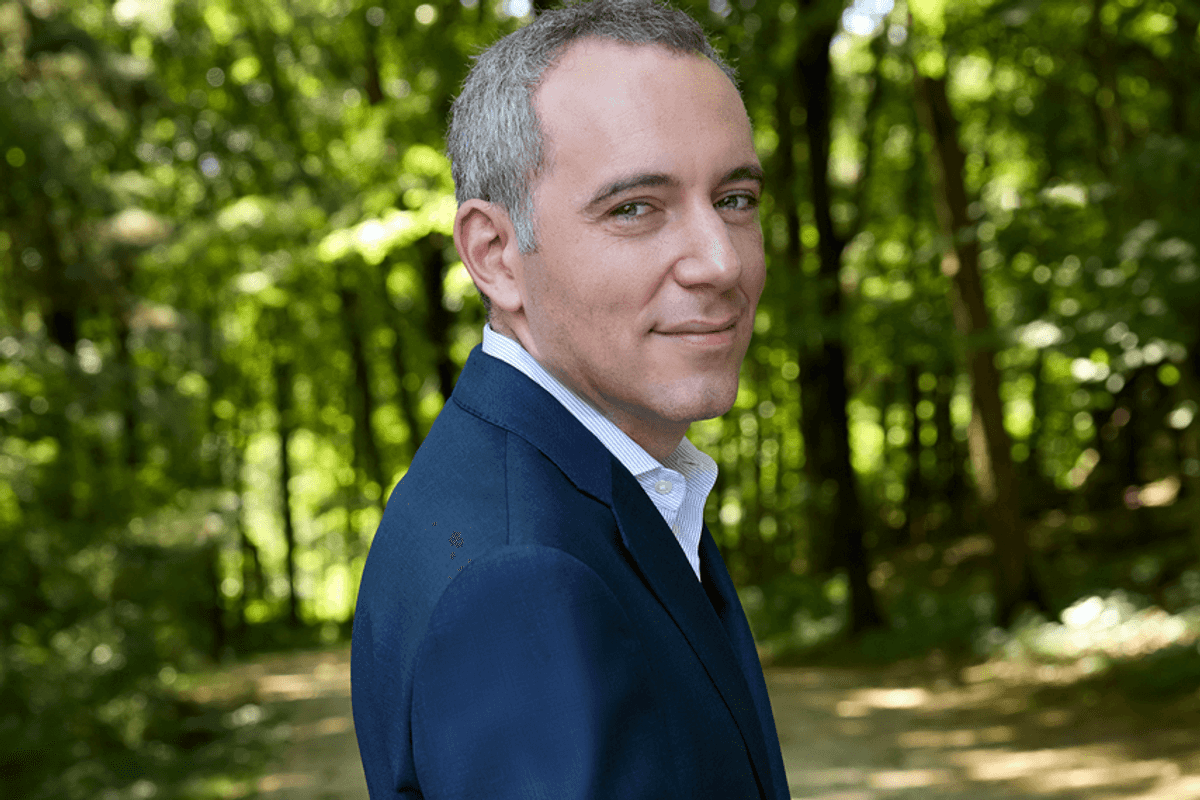
Filmmaker David Ruchman

Bleacher and Everard Photography

In a region known for its vibrant but geographically scattered arts community, discovering something new can require a little effort. The same might be said for finding a new place for an extraordinary meal. While the Northwest Corner, Berkshires and Hudson Valley have no shortage of creative talent, opportunities to experience it — whether on a stage, in a gallery or on a plate — aren’t always just around the corner.

In David Ruchman’s short film “Acquired Taste,” that challenge becomes the premise for an unlikely friendship between Nick, an aspiring young food critic living in an area with limited dining options, and a gruff New York City master chef.

Keep ReadingShow less
Follow the Clay Way for ceramic delights

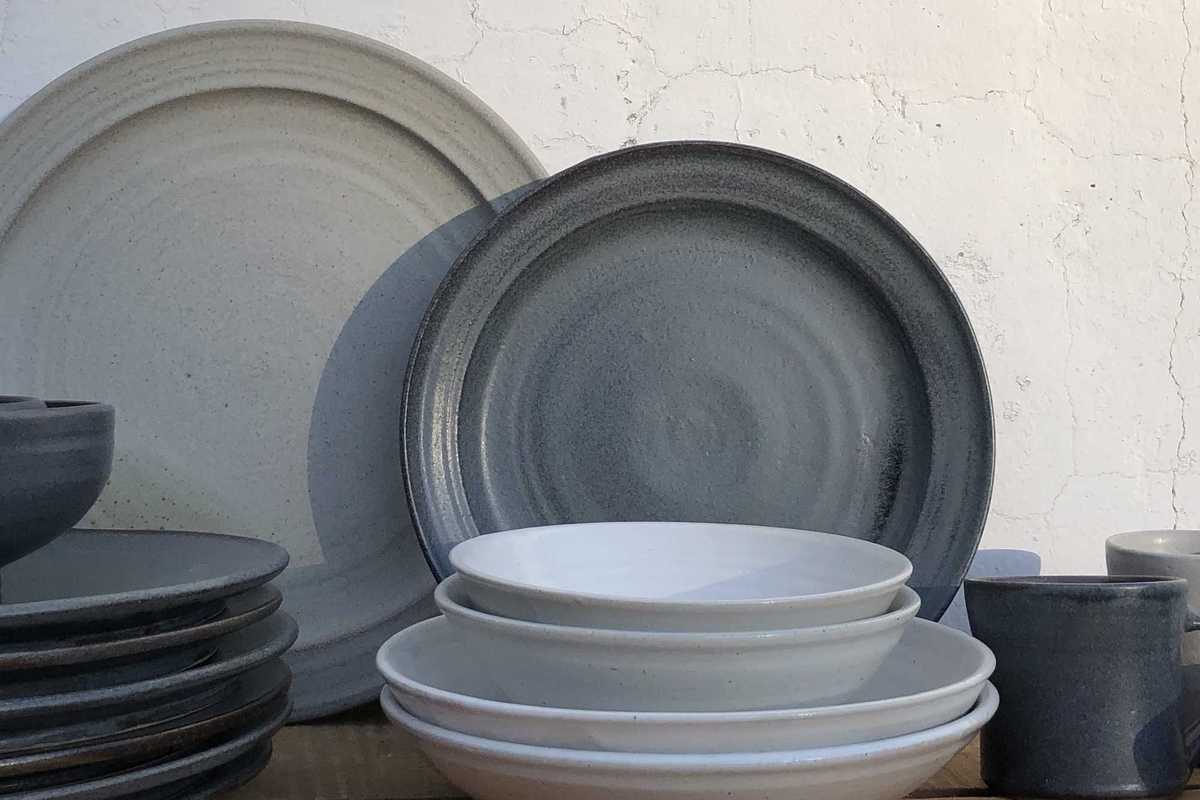
Jane Herold’s beautifully simple dinnerware.

Provided

As the leaves across Litchfield and Dutchess counties rush to make it to the ground, your last chance to peep autumn is fast approaching. On Oct.17 and 18, the 10th annual Clay Way offers peepers a route to follow lined with unique art that rivals the area’s natural beauty.

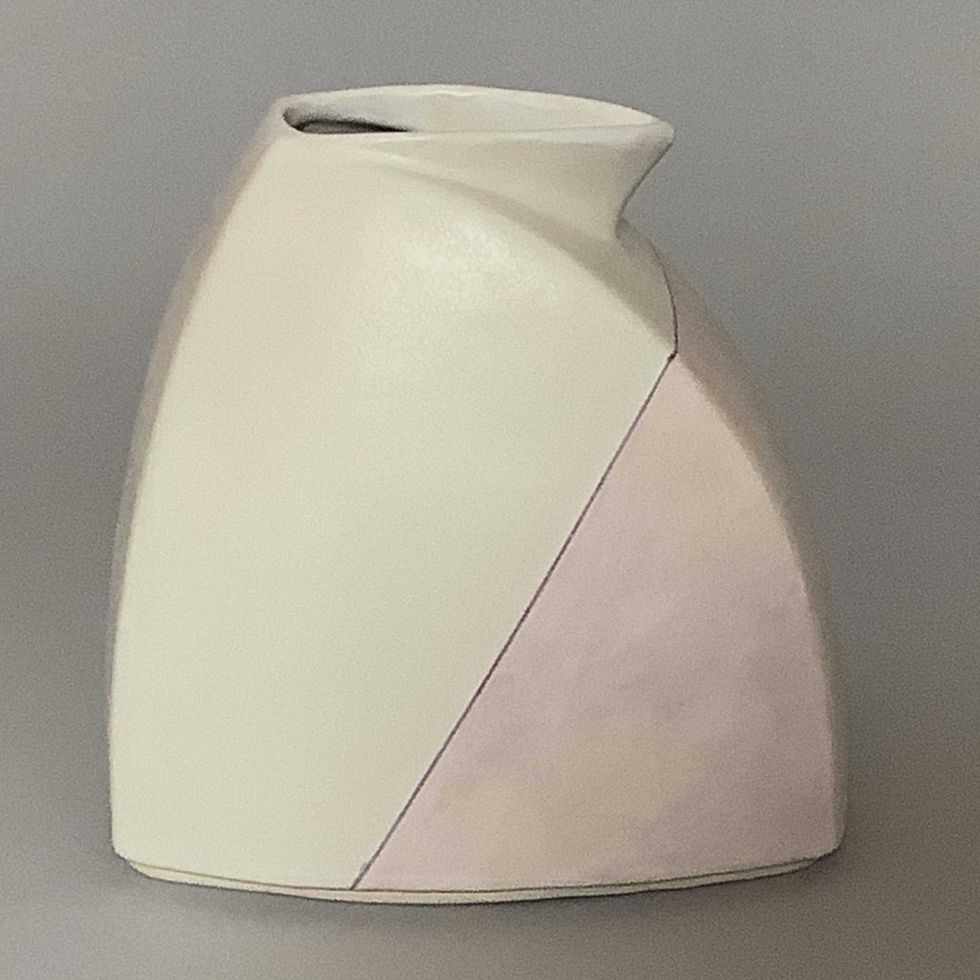
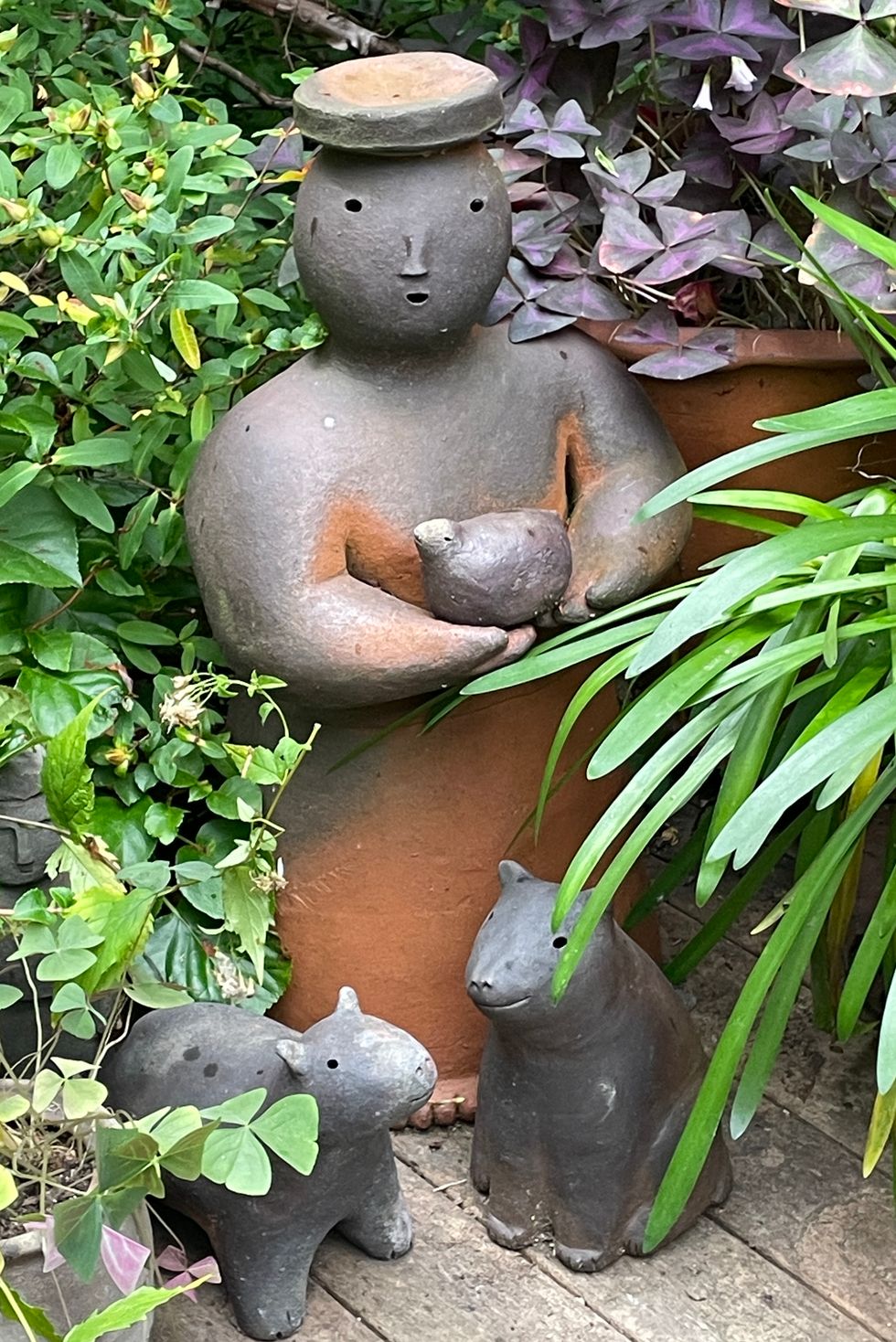
The two-day event is a ceramics-focused open studio tour through northwestern Connecticut, with a few studios peppered in just over the border in Dutchess County. Featuring nine open studios and 25 participating artists, the tour promises a wide variety of work, from decorative objects to grand vessels and a whole world in between.

Keep ReadingShow less
A new home for the unexpected at Kent Fine Art

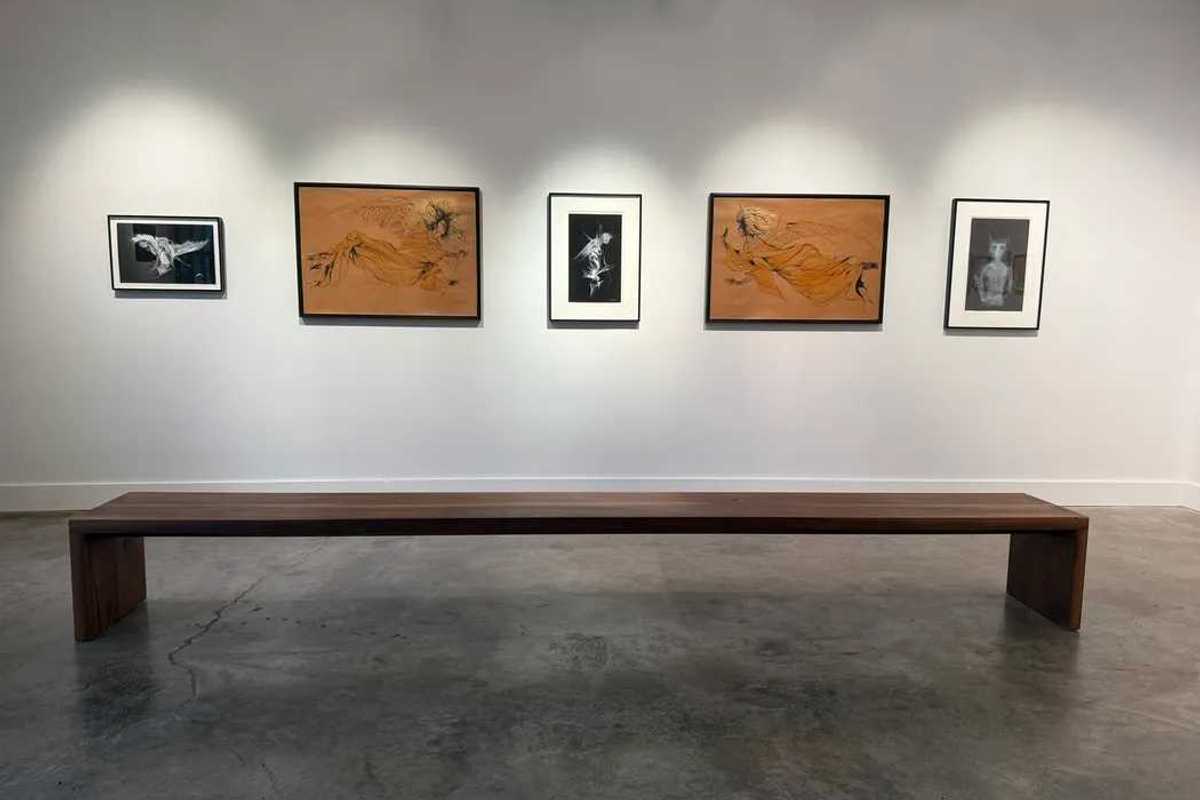
CAMERON (1922-1995) is on view at Kent Fine Art in Pine Plains through Nov. 14.

Provided

Where can one find the work of an artist associated with occult rituals, surrealist visions and the underground California art scene? In a beautifully renovated former carriage house in Pine Plains, of course.

Unexpected discoveries are, after all, part of what Doug Walla has spent his career making possible. The longtime New York City art dealer and founder of Kent Fine Art, has brought the work of Marjorie Cameron Parsons Kimmel, known simply as Cameron, to his new gallery space. The exhibition, on view through Nov. 14, introduces visitors to an artist whose life and work moved between mysticism, poetry, film and the avant-garde.

Keep ReadingShow less
google preferred source

Want more of our stories on Google? Click here to make us a Preferred Source.

google preferred source

Want more of our stories on Google? Click here to make us a Preferred Source.