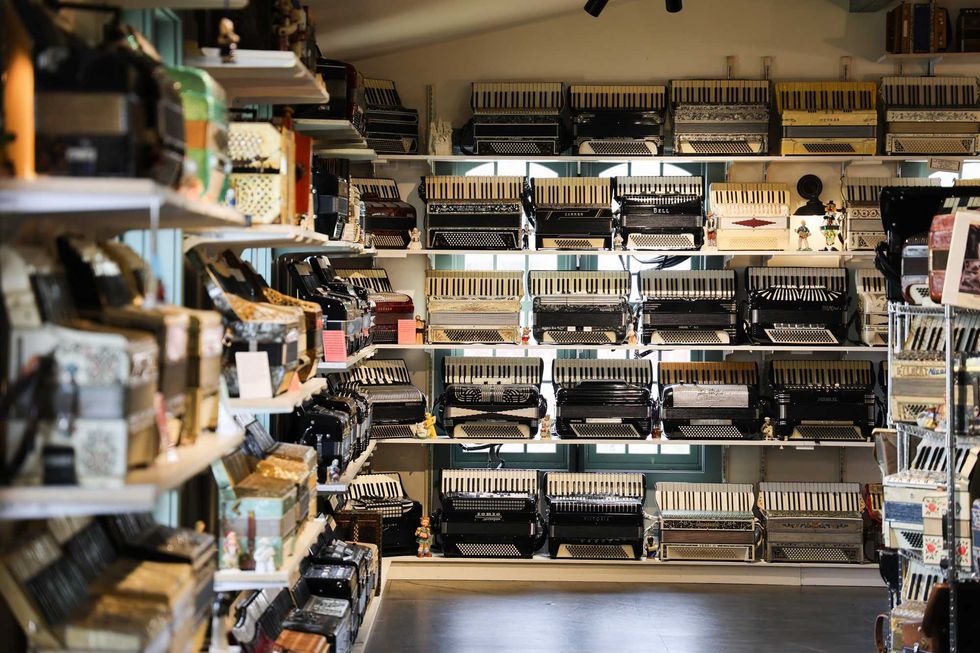
For visitors stepping into the New England Accordion Connection & Museum inside North Canaan’s historic railroad station, the first thing they notice is the sheer number of accordions.
Rows upon rows of instruments line the walls. Some are polished, while others show the wear of decades spent traveling across continents and sitting in family attics.
“There are about 500 accordions in this room,” museum founder Paul Ramunni said during a recent tour. “We have another 200 in the basement, so we’re cracking 700.”
But Ramunni insists the collection is not really about accordions.
“It’s the stories,” he said. “The instruments are just the carriers.”
For more than a decade, Ramunni and his wife, Marsha, have been collecting not only instruments but also the family histories attached to them. The result is what may be one of the most unusual museums in New England — a place where music, immigration, war and local history come together.
A Childhood Instrument Rediscovered
Ramunni’s own relationship with the accordion began on Long Island in the 1950s. His mother, who was of Italian ancestry, insisted he learn to play.
“I said, ‘Anything but that,’” he recalled. “The kids are going to make fun of me.”
He played for about three years before eventually putting the instrument away when he went to college.
More than four decades later, while spending time with Marsha in rural Vermont, something unexpected happened.
“I woke up with the urge to play the accordion again,” he said.
Soon after, he found a collector who was preparing to send several accordions to a Holocaust museum. The instruments had reportedly come from Dachau, a WWII concentration camp, where the victims were forced to give them up or perform for the guards.
The story stunned him.
“You mean to tell me every one of these accordions has a back story?” he remembered asking.
From that moment, Ramunni began seeking out instruments to collect and asking their owners about the back stories.
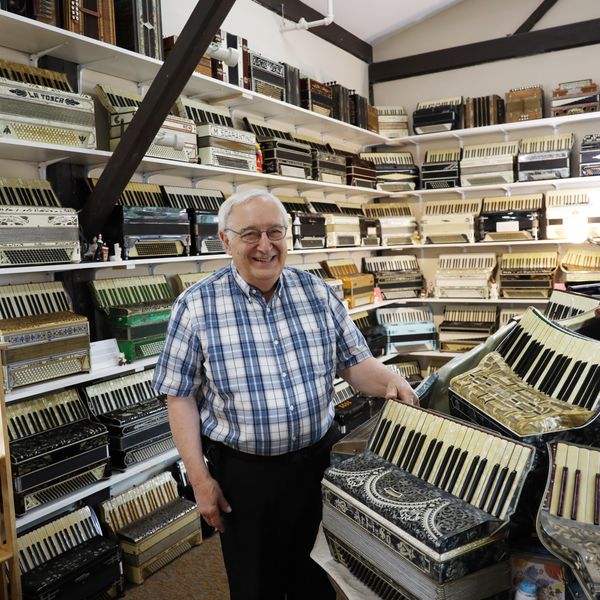
 Paul and Marsha Ramunni have turned a collection of accordions — and the memories attached to them — into one of the Northwest Corner’s most unusual attractions.Madi Long
More Than A Collection
One of the first stories involved an elderly woman in Torrington whose late husband’s accordion sat unplayed for years.
When Ramunni picked up the instrument and began playing it, the woman broke down in tears.
“That was my husband’s voice,” she told him, referring to the sound of her late husband’s favorite instrument.
The couple had fled Europe during WWII with little more than a suitcase and the accordion.
“It was the family album,” Ramunni said.
Many of the instruments tell stories of immigration and war.
One accordion currently in Ramunni’s museum belonged to a World War II veteran who operated a landing craft during the Normandy invasion and often played it for his fellow marines.
The museum displays a photograph the veteran took of the soldiers aboard the vessel before they landed on the beach. Family members said many of the young men pictured never returned home.
More recently, a Ukrainian immigrant donated an accordion after losing family members during the current war with Russia.
“He said, ‘I can’t play it anymore,’” Ramunni recalled, noting that it had too many memories that he wanted to forget.
A Labor Of Love
The museum’s location is closely tied to Ramunni’s own history. In the early 1980s, he and a business partner purchased the North Canaan railroad station, where he operated a CPA firm.
He sold the building after a 2001 fire devastated the station. Two decades later, when space became available in the restored building, he returned to house the collection that had outgrown his North Canaan home. Since opening the museum in 2021, he said, it has welcomed more than 9,000 visitors.
Visitors come from throughout New England and beyond, many bringing their own stories along with old accordions. Some arrive hoping to repair an instrument.
The museum functions as more than just an exhibition space; Ramunni repairs accordions. The couple also buys and sells instruments. They host events, tours for school groups, senior centers, day-care programs and historical societies.
Sometimes they take the collection on the road.
“Everything fits in a Subaru,” Marsha said.
She sees the museum as both an educational resource and a community gathering place.
“We’re trying to make an impact here on the town and the area,” she said. “Bringing people in, educating them, giving them a place to learn about history.”
The collection continues to grow through donations.
On a recent afternoon, Salisbury resident Gary Peterson arrived carrying an accordion that had belonged to his grandmother, a Swedish immigrant who played polka music. Now retired and downsizing, Peterson said his family wanted to find someone who could appreciate the instrument rather than simply discard it.
Looking around at the hundreds of accordions on display, Peterson said he was struck by the variety and craftsmanship of the collection. “There are so many different types of accordions,” he said. “It’s awesome.”

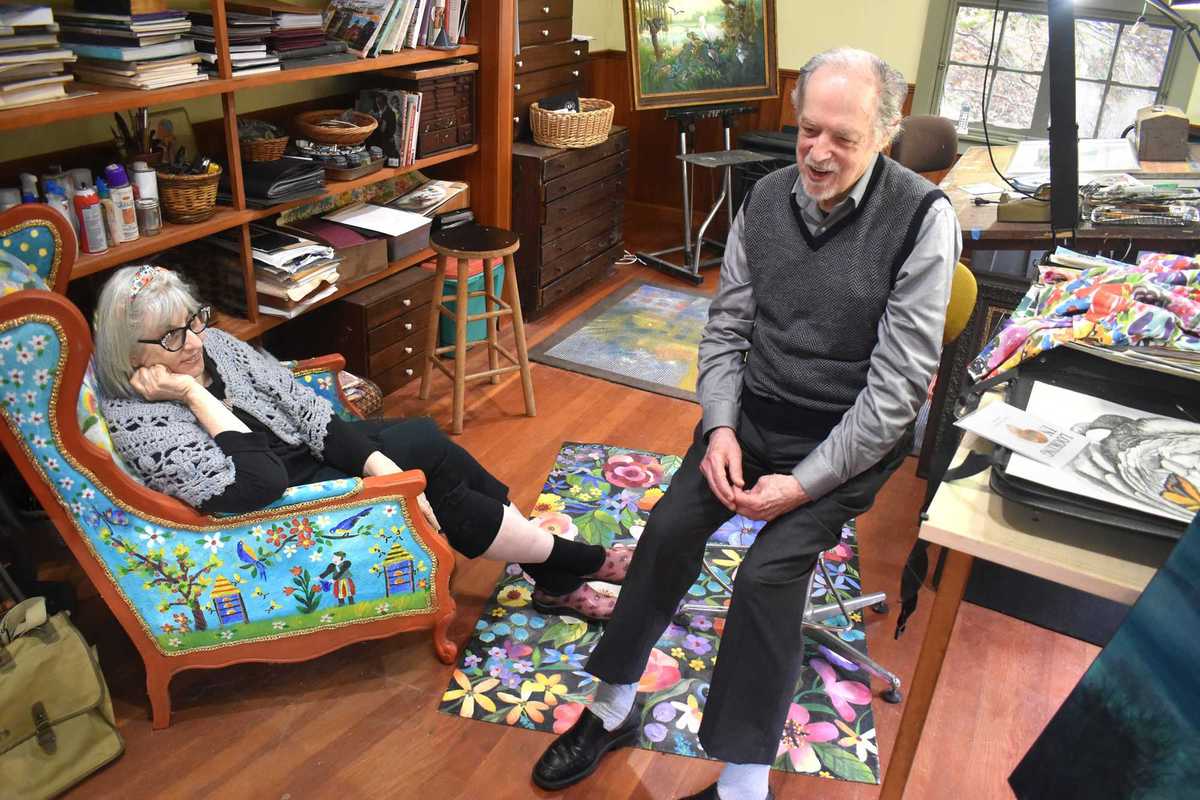
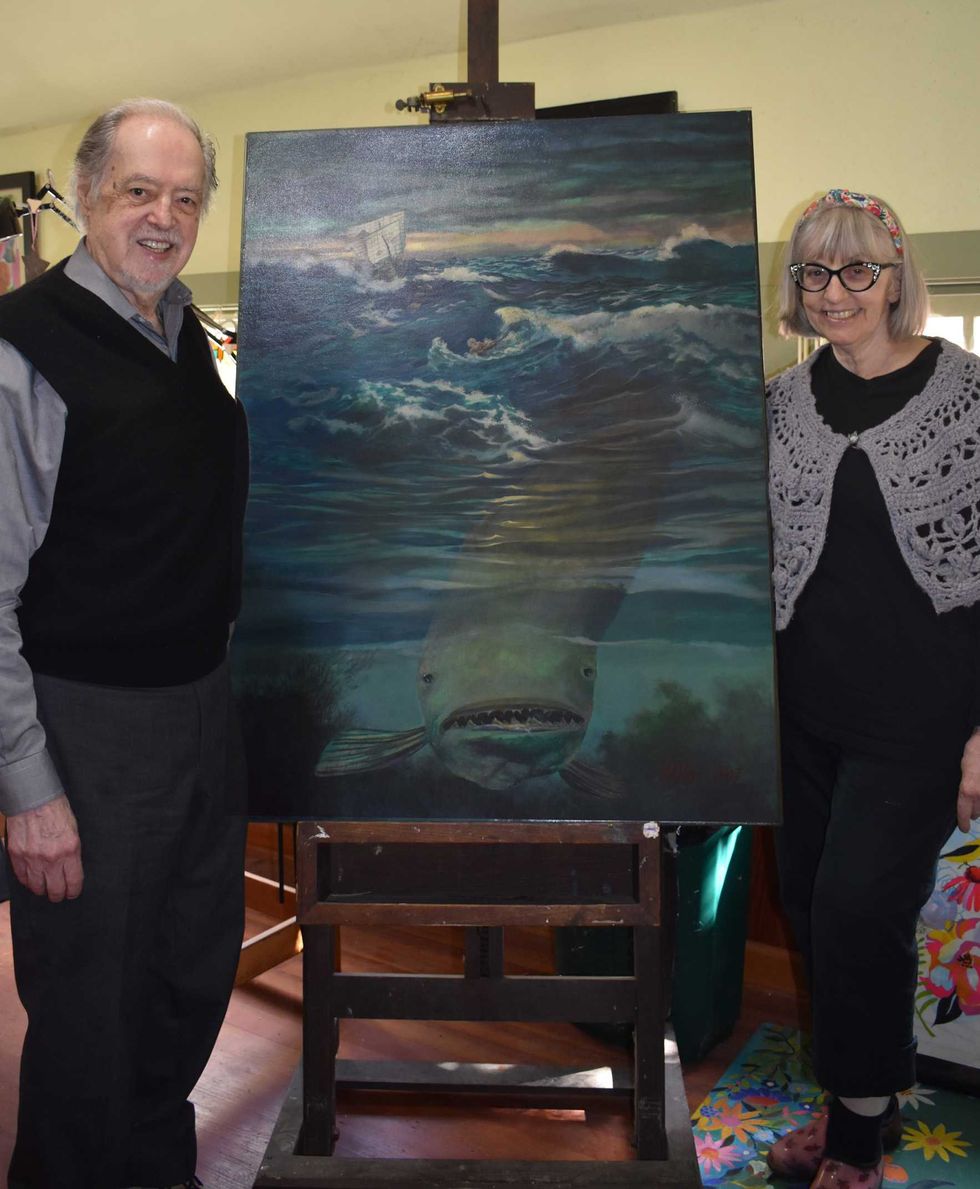 Justine and Victor Valla in their studio with a painting of Victor’s,”Jonah and the Whale.” Robin Roraback

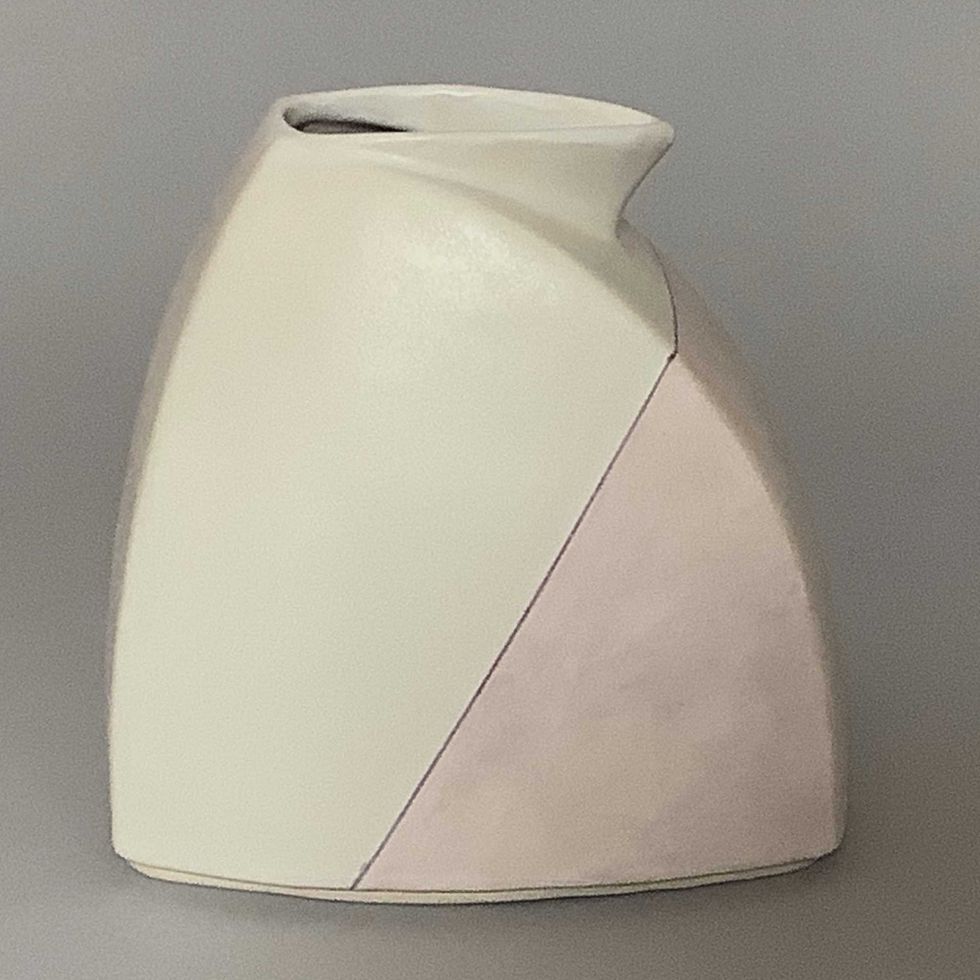 A ceramic vase by Kathleen Heidemann.Provided
 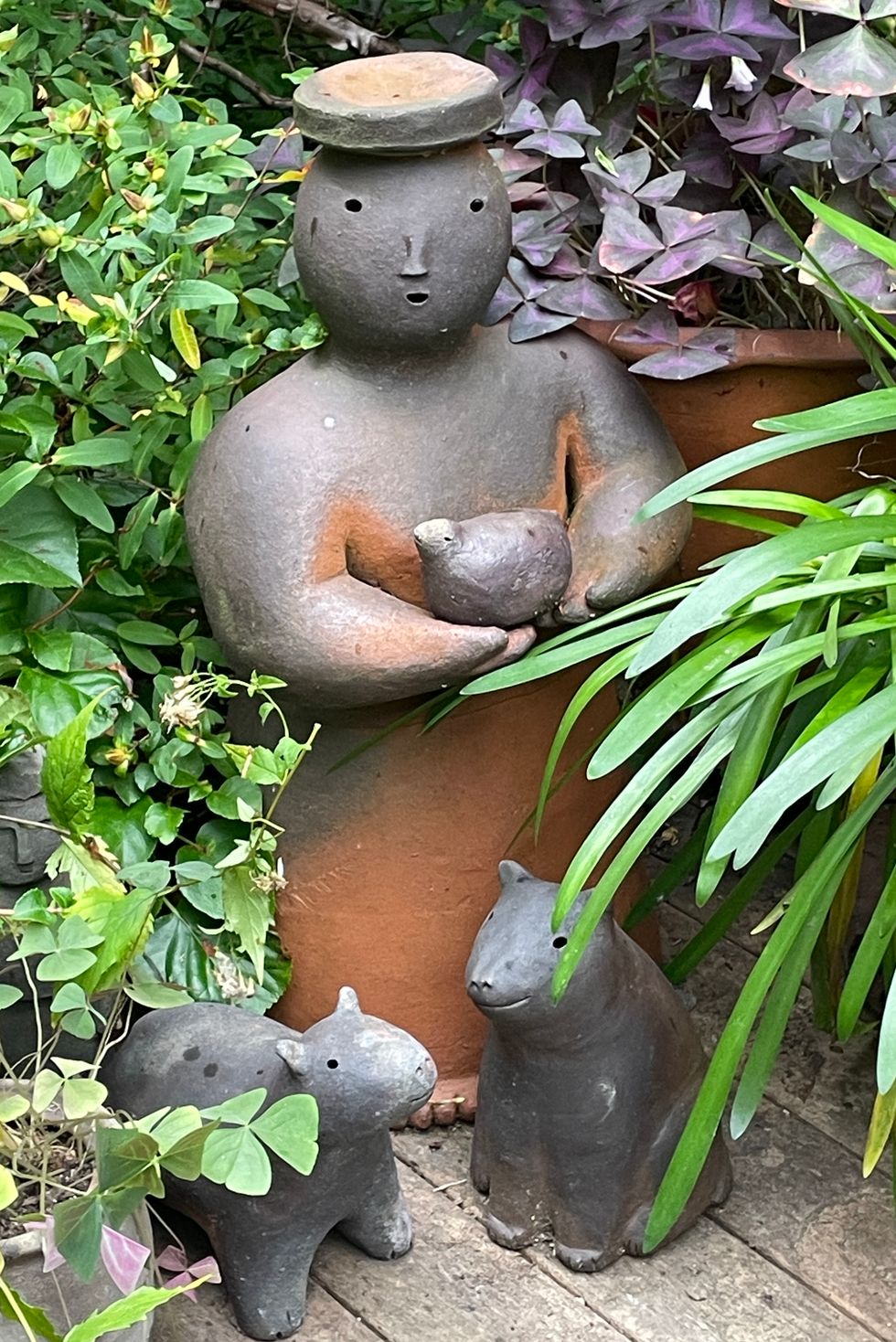 Joy Brown’s delightful ceramic sculptures.Provided
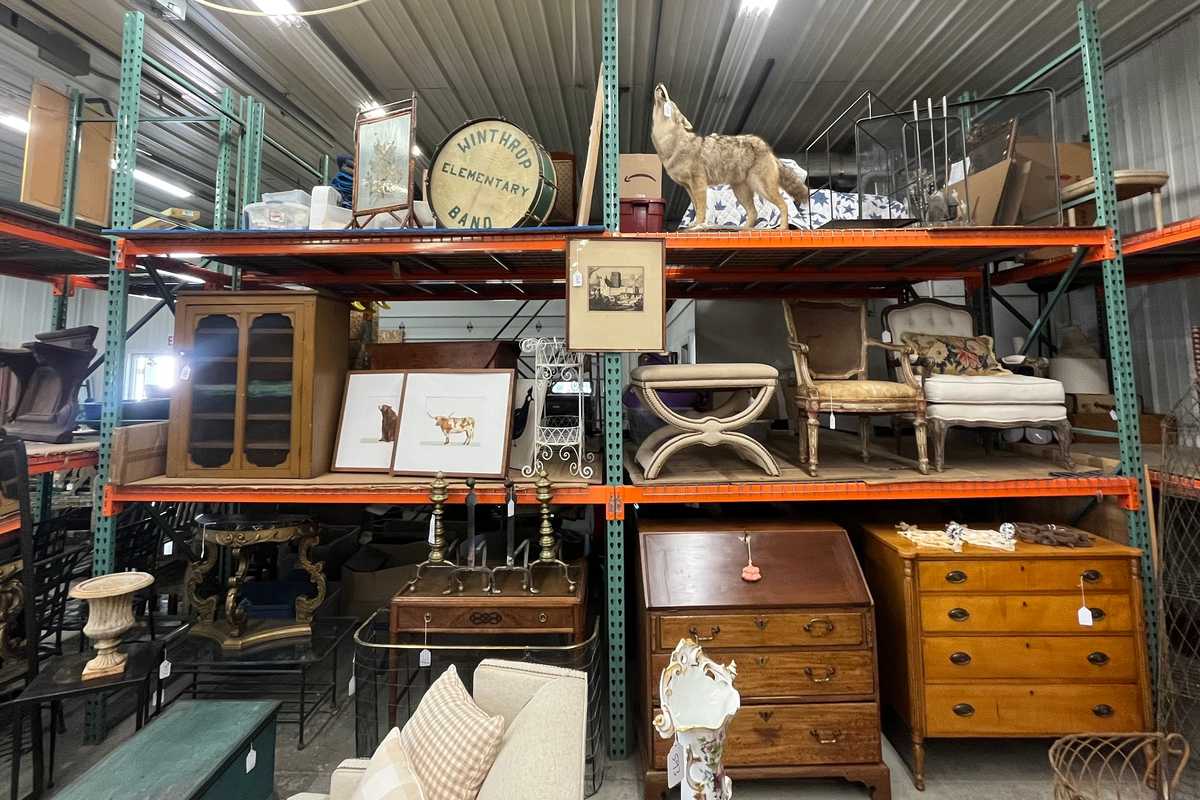
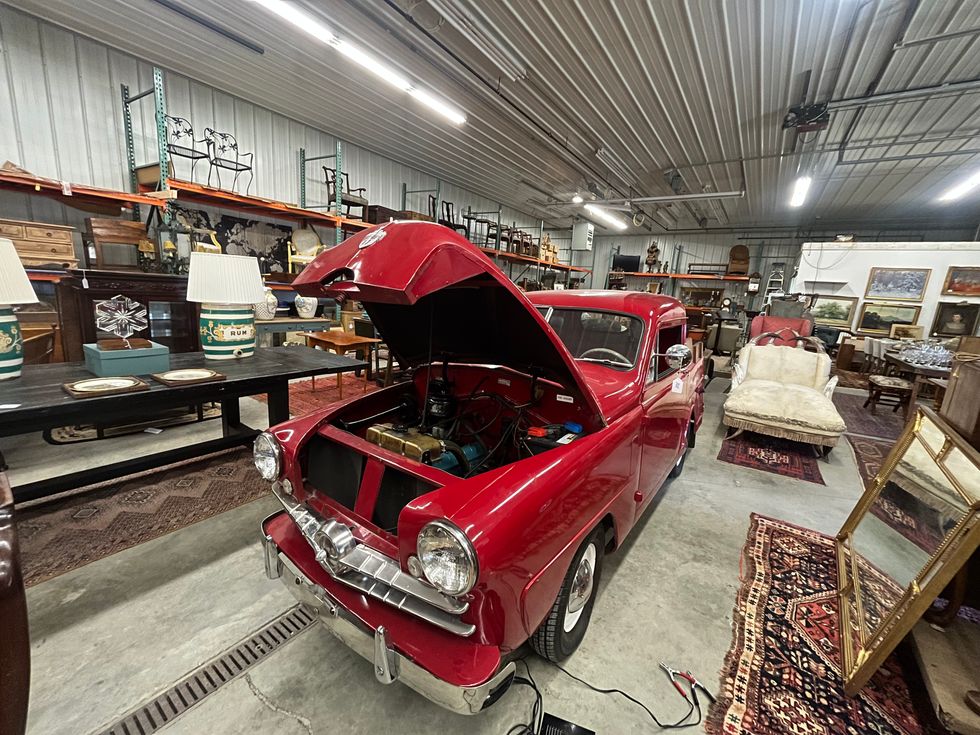 Hundreds of items at Stateline Auctions, including a candy-apple-red Crosley pickup truck.D.H. Callahan