SALISBURY — A nighttime rescue involving approximately 18 emergency responders has prompted local officials to warn hikers against entering the Bear Mountain area without adequate supplies or enough time to return before dark.
Crews were dispatched to the Undermountain Trail trailhead on Undermountain Road shortly before 9 p.m. Monday, Aug. 24, after two hikers called 911 to report that one of them, a 62-year-old woman, was experiencing numbness on one side of her body.
Location data from the call placed the hikers approximately two miles up the trail, which connects with the Appalachian Trail near Bear Mountain.
According to Litchfield County Dispatch, responders reached the woman shortly after 10 p.m. She was brought to the trailhead and placed under the care of emergency medical personnel by 10:45 p.m. She declined medical treatment.
Lakeville Hose Company No. 1, Salisbury Volunteer Ambulance Service and North Canaan Volunteer Ambulance Corps responded to the call.
Salisbury Volunteer Ambulance Service Chief Jacquie Rice said the woman’s location below the trail’s steepest sections made the extraction relatively straightforward. Rice and a Lakeville firefighter were able to reach her by all-terrain vehicle, although she was near the limit of where the vehicle could travel safely.
About eight responders had started up the trail carrying a Stokes litter, a type of wilderness stretcher. They were told to turn back after crews determined that the woman could ride down on the ATV.
Rice followed the vehicle on foot during the descent. Rough terrain and debris complicated the trip, and responders used a chainsaw at one point to clear the trail.
Rice said dehydration may have contributed to the woman’s symptoms. The hiker’s condition improved after she received water and food, Rice said.
“This was a person who was just visiting—had never hiked the trail, didn’t know the trail and really didn’t bring adequate supplies,” Rice said.
Rice said the pair had likely climbed the mountain to watch the sunset and were caught underprepared for the descent in darkness. Hikers remaining on Bear Mountain after sunset are a common source of rescue calls, she said.
“We always ask, ‘What happens when the sun sets?’” Rice said. “It gets dark!”
Nevertheless, Rice commended the hikers for carrying headlamps, noting that many people rescued from the mountain do not have them. But safe preparation also means carrying adequate water and food, knowing the trail’s difficulty and allowing enough daylight to complete the hike, she said.
She urged inexperienced hikers to avoid the popular but strenuous route, particularly late in the day. Bear Mountain is steep and difficult in sections, and conditions become more hazardous after dark.
Rice also noted that wilderness rescues require significant personnel and can take hours, even when the extraction is relatively uncomplicated, as it was Monday night.
“It’s beautiful up there,” she said, “but you have to be well prepared.”


 Dick Hermans in the Oblong Bookstore on Millerton’s Main Street in 1985.Provided


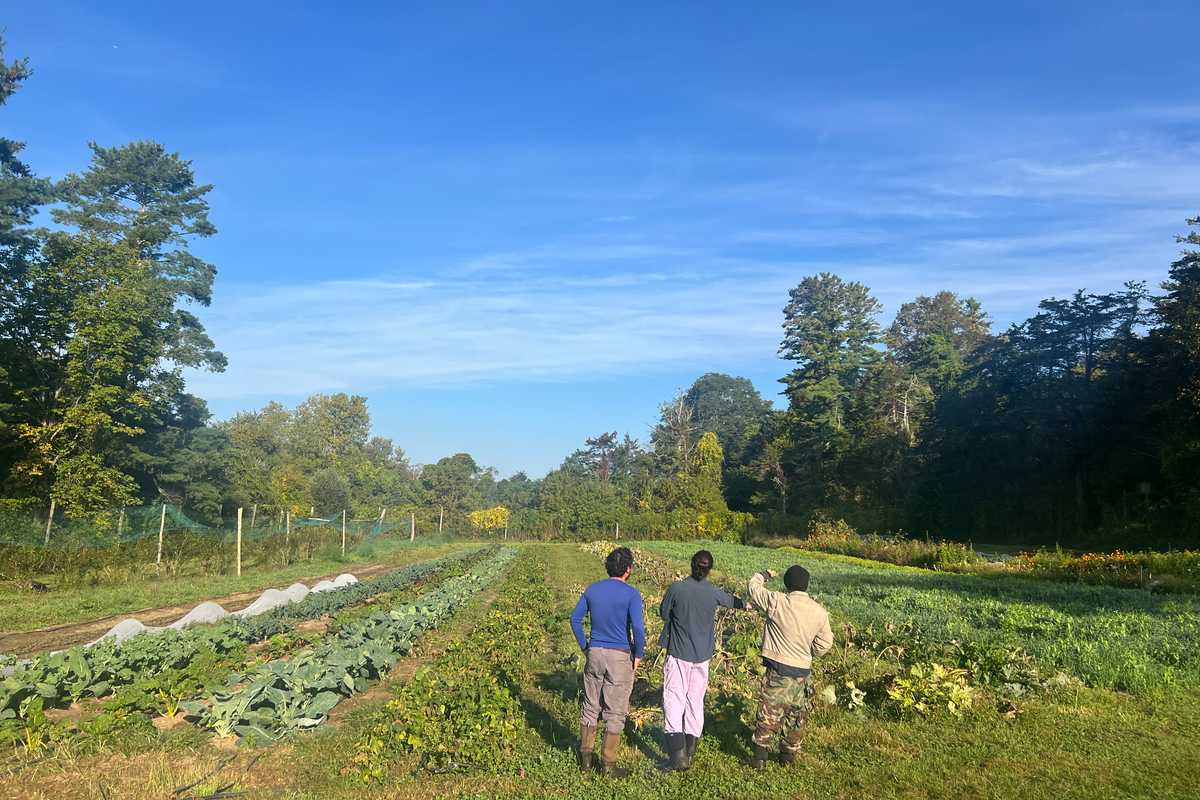
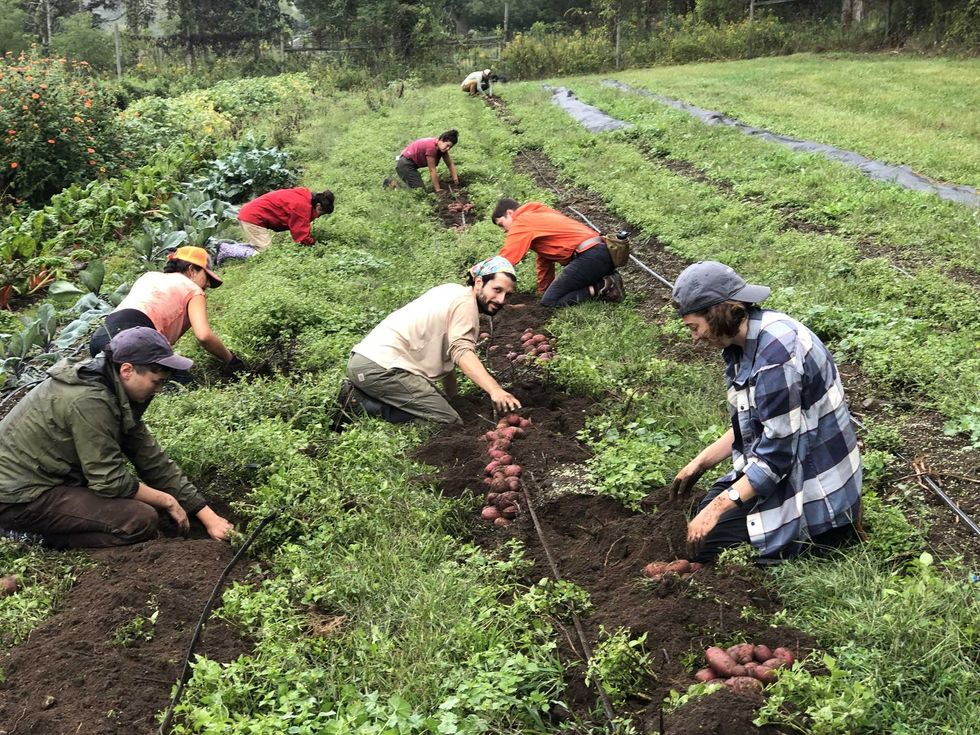 Fall storage crop harvests amid soil building cover crops at Adamah Farm in Falls Village. Janna Siller