Dear EarthTalk: What is “genetic pollution” as it pertains to the bioengineering of animals, fish and plants, and what happens if they cross breed with their wild cousins?
R. Ahearn
Rome, N.Y.
Genetically modified organisms are those that have been altered by scientists to include genes from other organisms (known as transgenes) that may impart specific benefits.
For instance, crop seeds that have added genes that resist the effects of herbicides can allow farmers to spray their fields liberally with herbicides to kill undesired weeds without the fear of killing their marketable crop along with them.
Genetic pollution is the release into the natural environment of these altered genes, creating the risk that they might breed with wild plants or animals and spread out uncontrollably. Jeremy Rifkin reports in his landmark 1998 book, “The Biotech Century”: “Some of those releases … could wreak havoc with the planet’s biosphere, spreading destabilizing and even deadly genetic pollution across the world.”
To follow through on the previous crop seed example: If herbicide-resistant, genetically engineered crops were to breed with their wild cousins, it could lead to the creation of super-weeds undeterred by control efforts. The weeds could, in turn, edge out native species and drive them to extinction, causing an overall loss of genetic diversity.
According to Greenpeace, crop genetic diversity is “essential for global food security” and a lack of it can be linked to many of the major crop epidemics in human history, including the Southern corn leaf blight in the United States in 1970. They quote noted botanist Jack Harlan, who said that genetic diversity is all that “stands between us and catastrophic starvation on a scale we can not imagine.”
To track the growing problem of genetic pollution, Greenpeace International, along with GeneWatch UK, launched the GM Contamination Register in 2005 (the “GM” stands for Genetic Modification). This free online database details publicly documented incidents of contamination arising from the intentional or accidental release of genetically modified organisms into the environment as well as any accompanying negative agricultural side effects.
Gene pollution as it pertains to crops is only part of the concern. A Canadian company, AquaBounty, is seeking approval from the U.S. Food & Drug Administration to sell genetically modified Atlantic salmon in the United States.
These fish have a growth hormone gene from Chinook salmon (native to the North Pacific) and an anti-freeze protein gene from another fish, the ocean pout (native to the Northwest Atlantic). The resulting transgenic salmon produce growth hormones all year long — not just during the warmer months like other fish — and as such reach maturity faster than their non-genetically modified counterparts.
“There are concerns about the impact of GM salmon on wild salmon should it escape into rivers or the Atlantic ocean, because it could out-compete wild salmon for food, or breed with them producing offspring that may be less fit to survive,” reports GeneWatch UK. “This could have serious negative effects on declining or endangered wild salmon populations.”
CONTACTS: GeneWatch UK, www.genewatch.org; Greenpeace International, www.greenpeace.org/international; GM Contamination Register, www.gmcontaminationregister.org; AquaBounty, www.aquabounty.com.
EarthTalk is written and edited by Roddy Scheer and Doug Moss. Send questions to: earthtalk@emagazine.com.
Subscribe: www.emagazine.com/subscribe; free trial issue: www.emagazine.com/trial.



 Tiffany Lemelin, shelter manager, brushing Marsala upon arrival.Provided
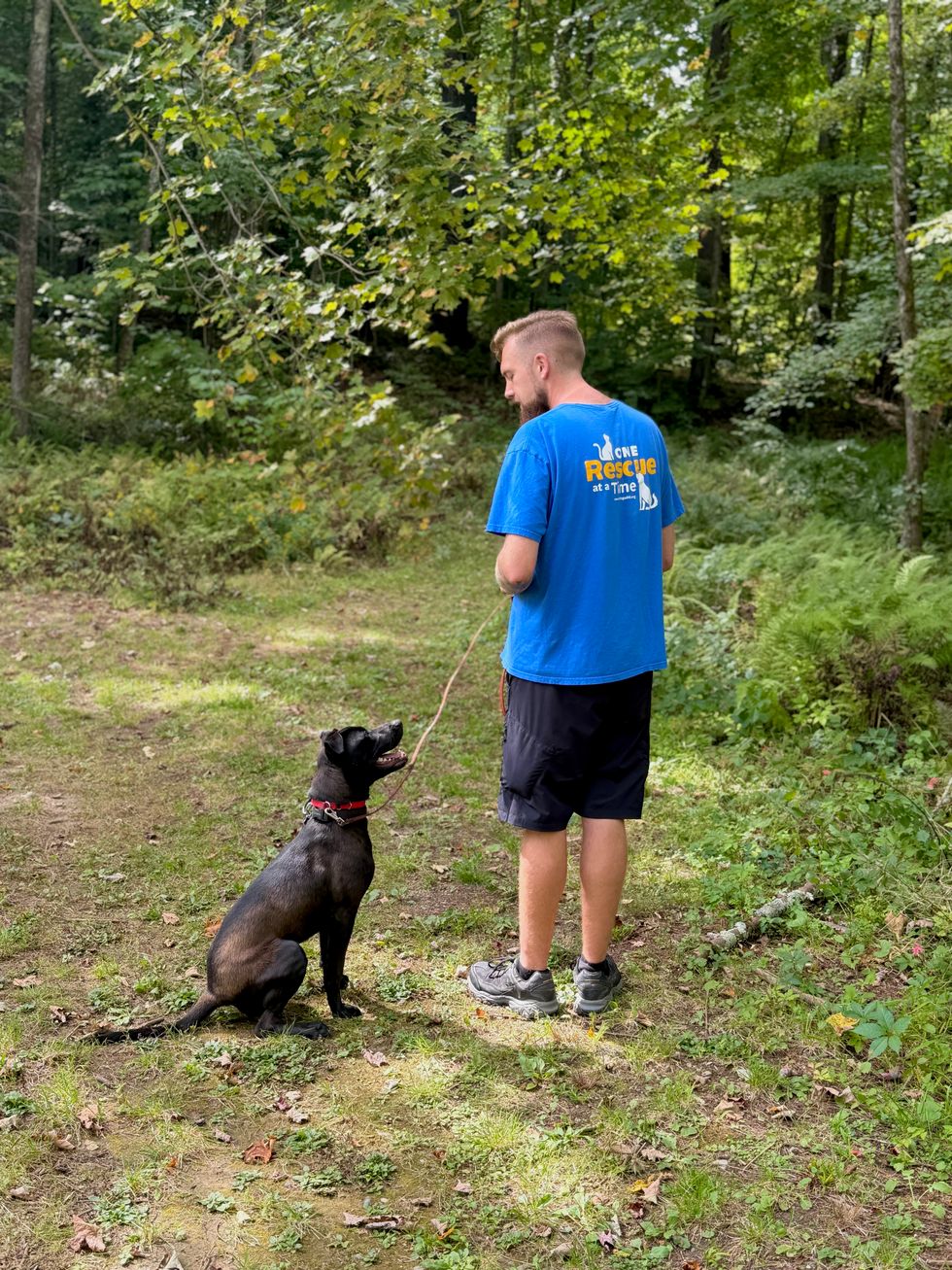 Michael DeBarba, certified dog trainer working with Marsala.Jennifer Almquist
 Marsala wins a heart.Jennifer Almquist

 Sadie, center, a Carolina dog, plays with her friend Negra, a terrier mix. Bella Linda, the small poodle, has since been adopted.L. Tomaino
 Wesley, a young, exuberant mix, is looking for an active home.L. Tomaino
 Bonnie and Clyde, an affectionate terrier pair.L. Tomaino

 Provided